Arthur 'Weegee' Fellig
Directing
Biography
Arthur Fellig known by his pseudonym Weegee, was a photographer and photojournalist, known for his stark black and white street photography in New York City.
Known For

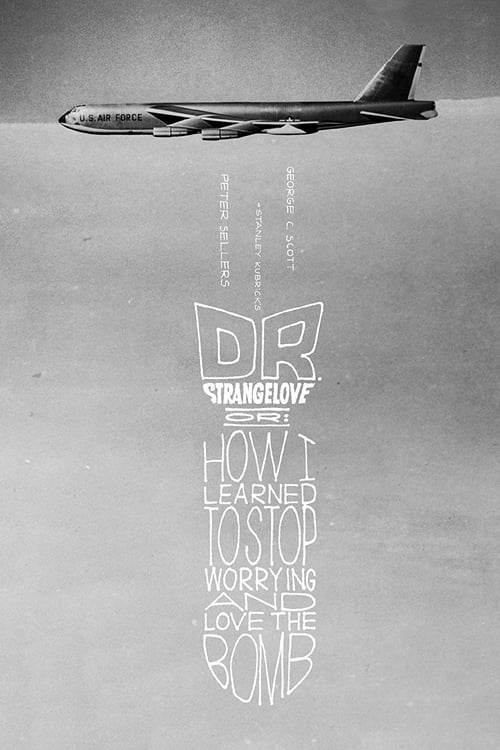
After the insane General Jack D. Ripper initiates a nuclear strike on the Soviet Union, a war room full of politicians, generals and a Russian diplomat all frantically try to stop it.
Dr. Strangelove or: How I Learned to Stop Worrying and Love the Bomb

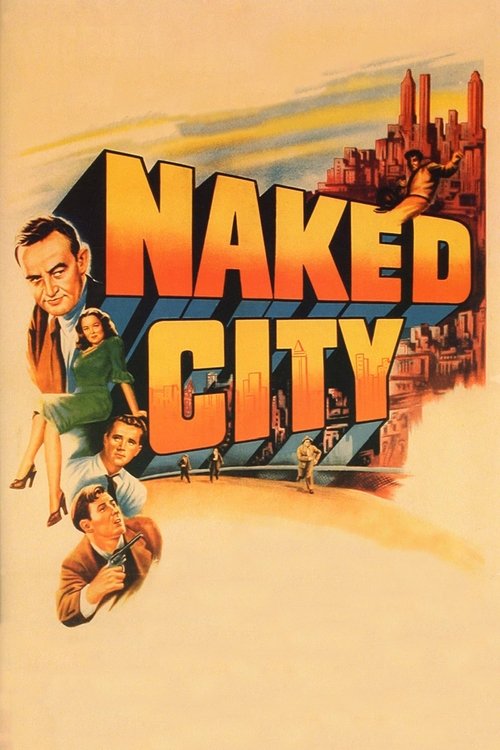
After a former model is drowned in her bathtub, Detective James Halloran and Lieutenant Dan Muldoon attempt to piece together her murder.
The Naked City

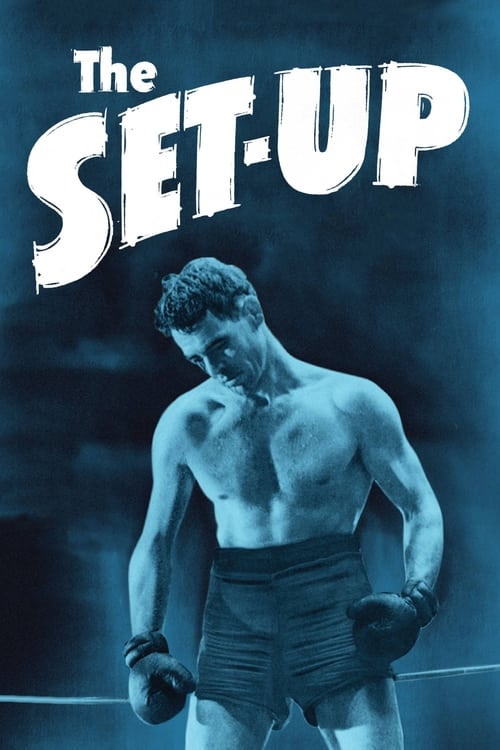
Expecting the usual loss, a boxing manager takes bribes from a betting gangster without telling his fighter.
The Set-Up

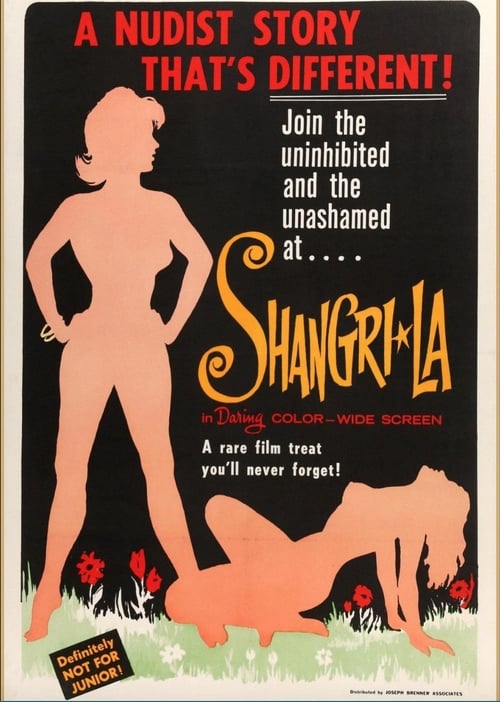
Sammy, a zookeeper, prepares to go on a vacation with his friend. He starts to tell his friend about what a good time he had on his last vacation, visiting alligator farms and nudist camps, which are shown in flashbacks.
Shangri-La

Commissioned by the Pittsburgh Bicentennial Association to celebrate the city’s 200th anniversary, PITTSBURGH was created by a team of filmmakers that included Stan Brakhage (working under the pseudonym James Stanley), Weegee, Len Lye, and Stan Vanderbeek, and photographers W. Eugene Smith and Willard Van Dyke. Brakhage called it “weirdly interesting, but a monstrosity.”
Pittsburgh

A home movie short capturing the raucous party celebrating the release of Weegee’s second photobook, “Weegee’s People”. The film features appearances by Mrs. George Washington Kavanaugh, who is among the subjects of one of Weegee’s most celebrated photos, “The Critic”, as well as some of the only known footage of eccentric author Joe Gould.
Cocktail Party

A film set to "Batman" by Naked City. Taking the band’s name and first album cover as a clue, Henry Hills drew heavily on themes in WeeGee’s photographs, recreating many of his pictures in their actual Lower East Side/Little Italy locations.
Gotham

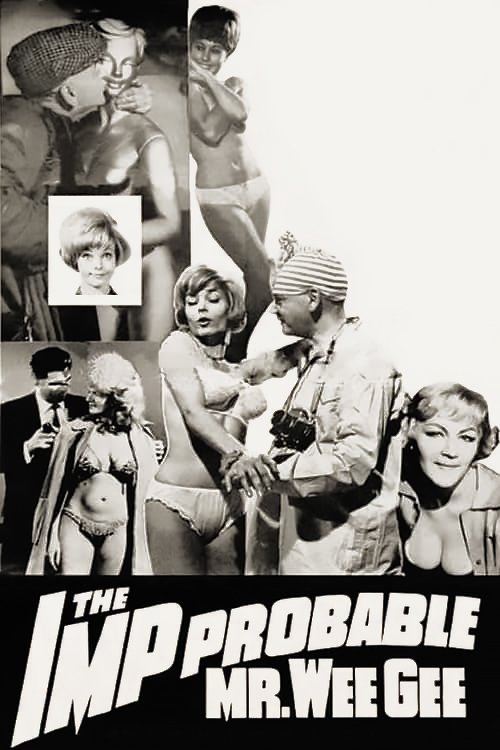
Famed crime photographer Arthur Fellig, nicknamed Mr. Wee Gee, stars as himself in this pseudo-documentary that begins when he falls in love with a store window dummy and tracks "her" to London, England, then meets up with a beautiful ghost in a haunted house and finally winds up in Paris, where he meets other beautiful women and ends up being chased onto the Eiffel Tower.
The 'Imp'probable Mr. Wee Gee

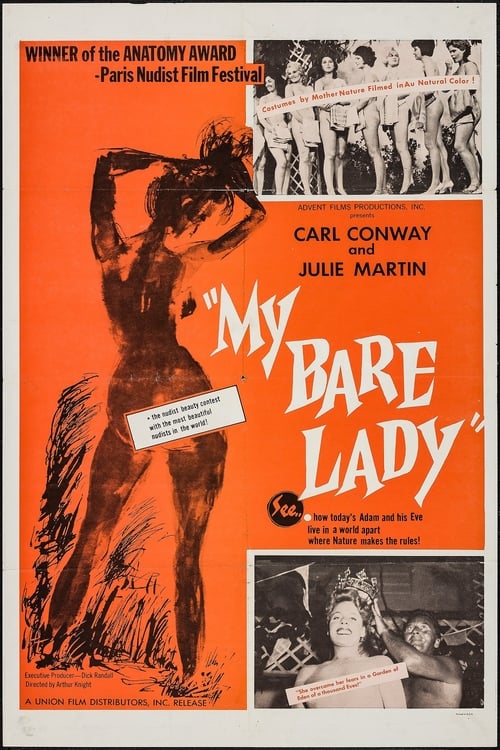
Tina is horrified when she crashes her bicycle into a pond and is rescued from drowning and taken to a nudist camp by her rescuer to recover, but naturist bliss and true love await.
My Bare Lady

The best known, "Weegee's New York" (1948), presents a surprisingly lyrical view of the city without a hint of crime or murder. Already this film gives evidence, here very restrained, of Weegee's interest in technical tricks: blur, speeded up or slowed-down film, a lens that makes the city's streets curve as if cars are driving over a rainbow. - The New York Times
Weegee's New York

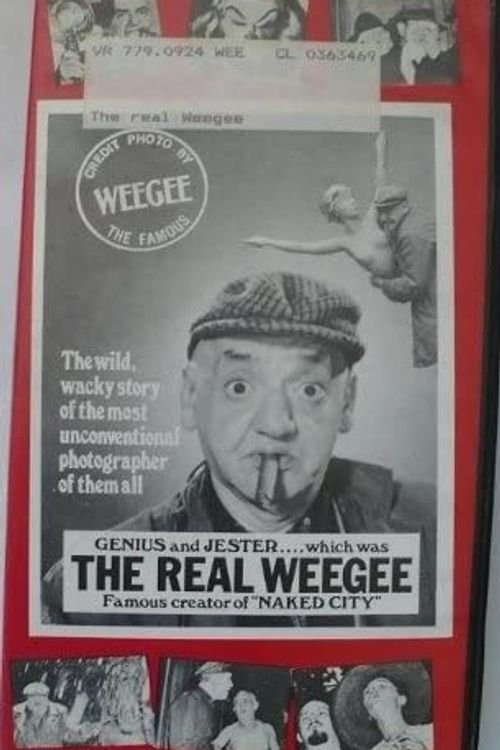
This video documents the career of Arthur Fellig, whose sensationalistic photographs helped to define tabloid and legitimate news photography. Going by the nickname of "Weegee," he gained notoriety with his experiments in manipulating photographs. Over his long career, Fellig immortalized on film dozens of politicians, gangsters, and movie stars.
The Real Weegee

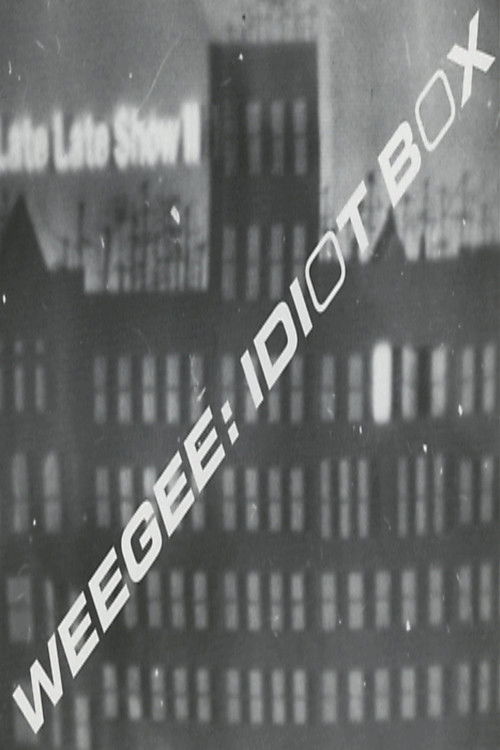
Weegee’s last film, a tribute to trash television and commercial culture.
Idiot Box

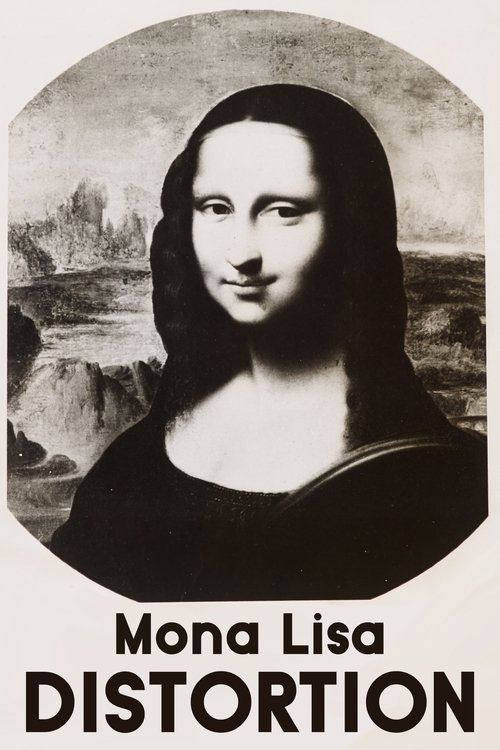
In a battery of photographs created with the use of mirrors, distorting lenses of his own manufacture and easel tricks, Weegee transformed the Mona Lisa into a work of modern art.
Animation Mona Lisa, Etc.

1954. USA. Directed by Weegee. Part of Weegee’s New York. “Weegee (Arthur Fellig) filmed, Amos Vogel edited. The preciousness of the avant-garde shown at Cinema 16 was interrupted by this breath of fresh air. Weegee’s panorama of the crowd may be the greatest single shot in cinedom.” – Ken Jacobs
Weegee's Coney Island

The neon lights of Time Square’s BOAC sign…in Kodachrome kaleidoscope.
BOAC

More urban kaleidoscopic experiments in color and B&W.
Assorted Scenes/Kaleidoscope

This 1960s instructional film released by Castle Films for the home market, demonstrates various camera tricks performed by “Wee Gee,” or “Weegee,” the pseudonym of Arthur Fellig, a famed photographer and cinematographer who worked in Manhattan and New York City’s Lower East Side.