Acting
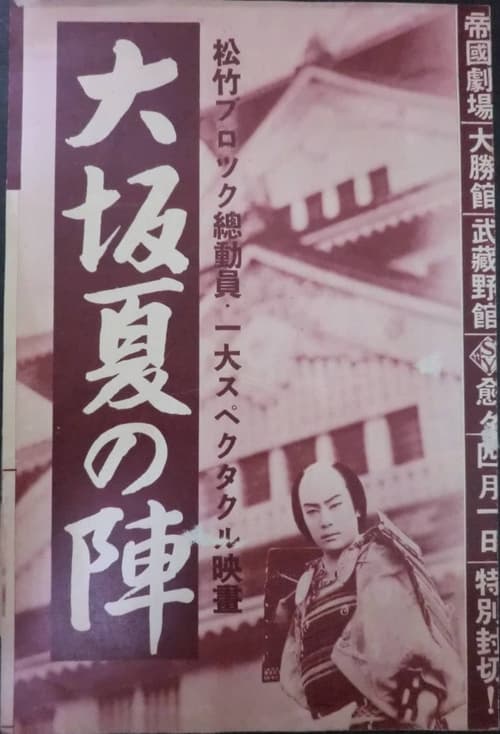
The Siege of Osaka
Once a wealthy local land owner, Toranosuke has long since fallen on hard times. Social ostracism befalls those who neglect communal duties and Toranosuke's life goes down hill by being exiled from the village. The story evolves around brother and sister Umakichi and Oroku left alone by their father.
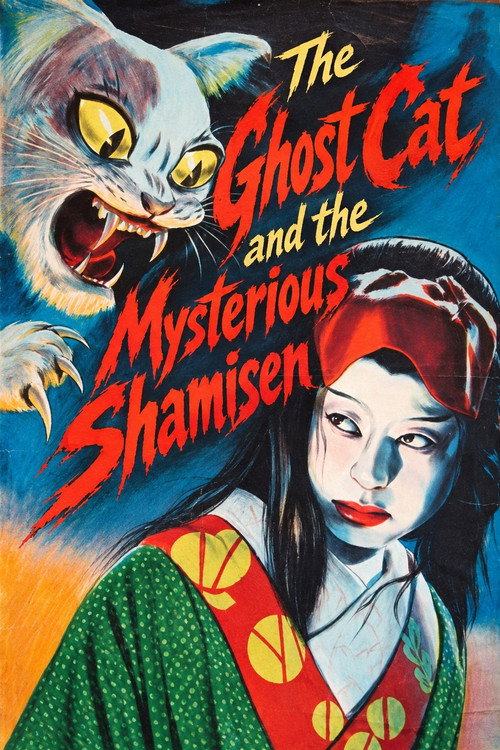
Mitsue is a popular stage actress and the lover of a shamisen player named Seijuro. She jealously murders two other objects of his affection: Okiyo, a young woman from a samurai family, and Kuro, a cat. The spirits of Okiyo and Kuro then merge into a vengeful ghost.
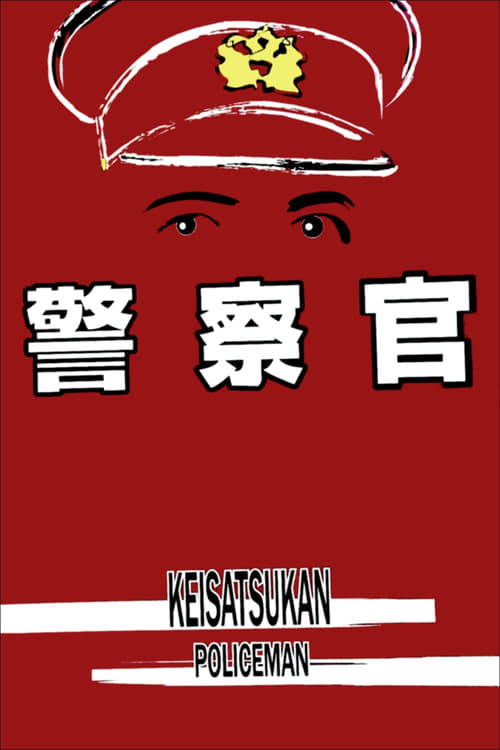
Itami, a young policeman, meets his high school friend, Tetsuo, a gangster, at a roadblock. As they rekindled their friendship, a complex relationship is established between them.
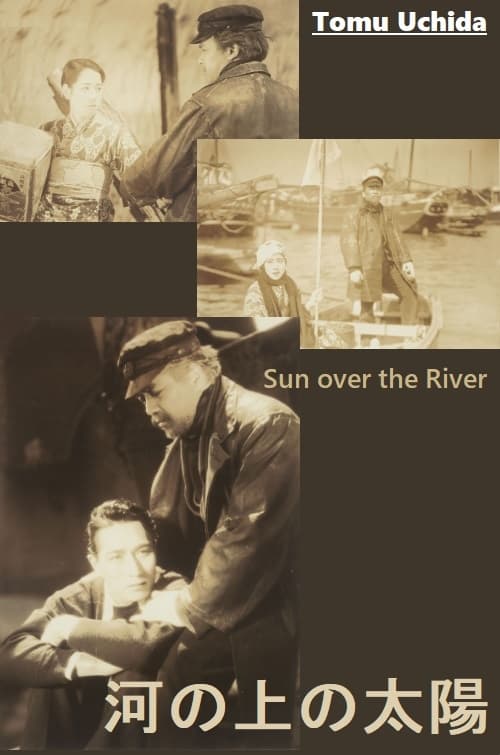
Father, son Kentaro and daughter Ochiyo, who live on the banks of the Sumida River, regain their love for each other after family discord and separation. The film is considered lost.
No description available.
An adaptation of The Ghost of Yotsuya
A kouta eiga, a type of Japanese silent silent film that featured a live performance by a benshi and on-screen lyrics.
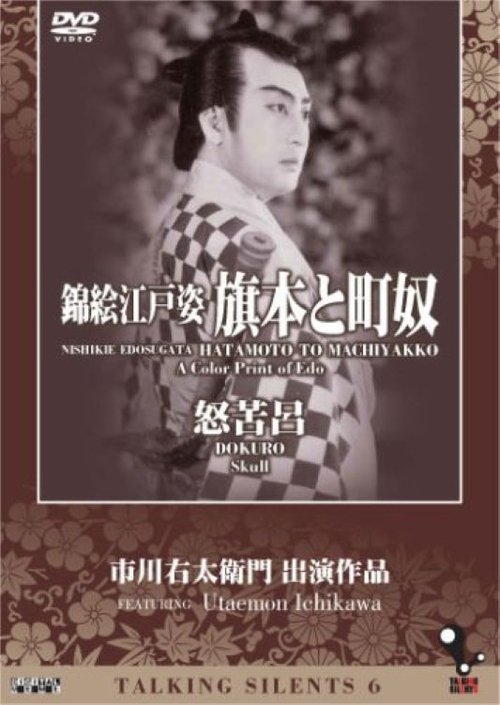
The Color Print of Edo is a 1939 black and white Japanese silent film with benshi accompaniment directed by Kazuo Mori. It is a cheerful period drama, sprinkled with comical scenes and tells the story of a loyal and handsome Edo period servant who fights to help his older brother marry the woman he loves. The star of this film, Utaemon Ichikawa, gained enormous popularity for his portrayal of a cheerful and chivalrous man.
Propaganda film, presumed lost.
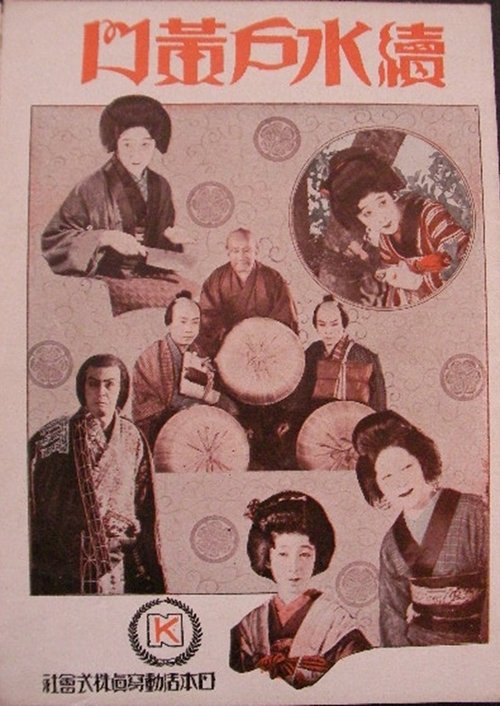
The earliest existing version (incomplete) of Mito Komon history. It was one of the most famous (and most filmed) Jidaigeki stories. Lord Mito is the sage who wanders the countryside rectifying government corruption along with his faithful attendants Suke-san and Kaku-san.