FEEL IT.STREAM
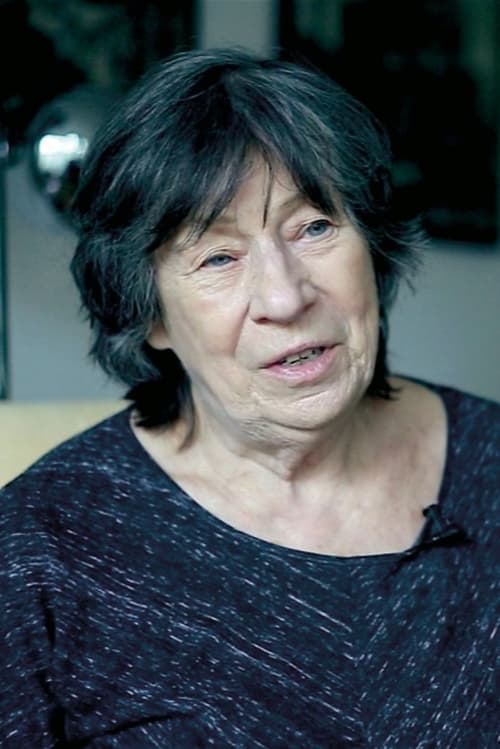
Laura Mulvey

Laura Mulvey

Directing

Biography

Laura Mulvey is a British feminist film theorist. She was educated at St Hilda's College, Oxford. She is currently professor of film and media studies at Birkbeck, University of London. She previously taught at Bulmershe College, the London College of Printing, the University of East Anglia, and the British Film Institute. Mulvey is best known for her essay, "Visual Pleasure and Narrative Cinema", written in 1973 and published in 1975 in the influential British film theory journal Screen. Mulvey also was prominent as an avant-garde filmmaker in the 1970s and 1980s.
Known For

Brainwashed: Sex-Camera-Power
6.1

Investigates the politics of cinematic shot design, and how this meta-level of filmmaking intersects with the twin epidemics of sexual abuse/assault and employment discrimination against women, with over 80 movie clips from 1896 - 2020.

Brainwashed: Sex-Camera-Power

2022
Films to Die For
N/A

No description available.

Films to Die For

2025
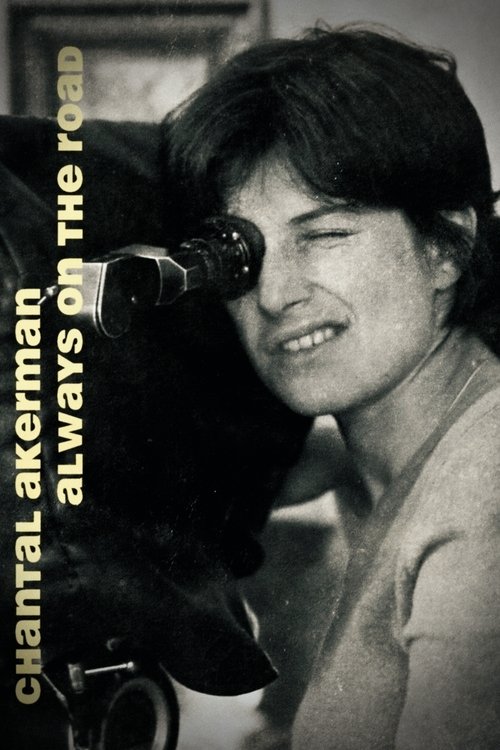
Chantal Akerman: Always on the Road
8.0

An analysis of the work of Belgian filmmaker Chantal Akerman (1950-2015), an experimental and innovative artist, both in content and form, who has left her mark on cultural memory and on the creations of other artists.

Chantal Akerman: Always on the Road

2024
Home Movies 1971-81
N/A

Home movies shot on Super 8mm by W+B Hein over 10 years.

Home Movies 1971-81

1985
The Eye of the Beholder
N/A

A series of interviews about the film Peeping Tom (1960). It includes a rare interview with Karlheinz Böhm talking about his role and its subsequent effect on him.

The Eye of the Beholder

2005
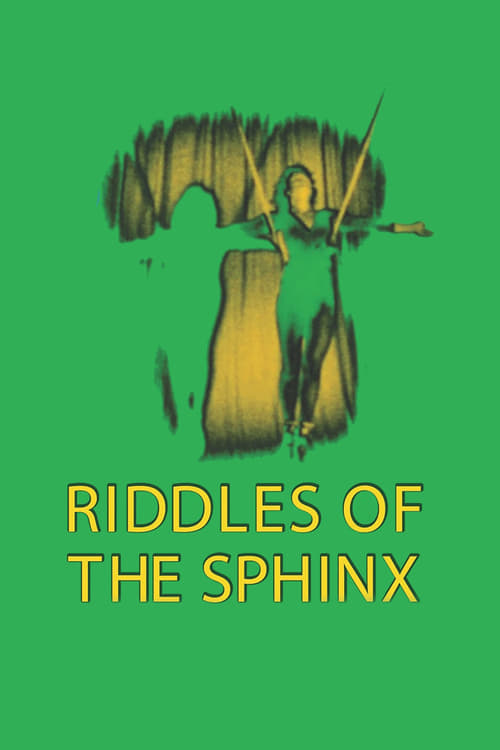
Riddles of the Sphinx
4.8

In this avant-garde classic, protagonist Louise deals with a change in her lifestyle in which she must learn to negotiate domestic life and motherhood.

Riddles of the Sphinx

1977
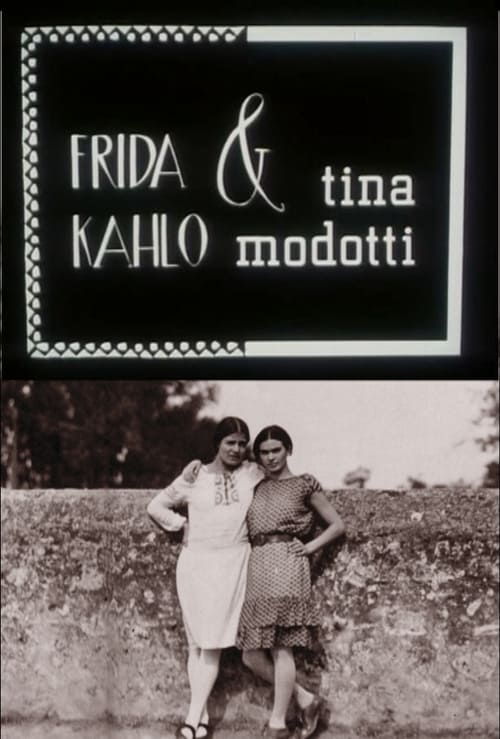
Frida Kahlo & Tina Modotti
6.3

An unconventional portrait of painter Frida Kahlo and photographer Tina Modotti. Simple in style but complex in its analysis, it explores the divergent themes and styles of two contemporary and radical women artists working in the upheaval of the aftermath of the Mexican Revolution.

Frida Kahlo & Tina Modotti

1983
Penthesilea: Queen of the Amazons
6.6

Penthesilea, the first of six films made by Laura Mulvey and Peter Wollen, traverses thousands of years to look at the image of the Amazonian woman in myth. It asks, among other questions, is the Amazonian woman a rare strong female image or is she a figure derived from male phantasy? The film explores the complexities of such questions, but does not seek any concrete answers.

Penthesilea: Queen of the Amazons

1974
The Bad Sister
5.3

Jane is the illegitimate daughter of a Scottish landowner. She is disowned and expelled from his estates, but although she settles down to a new life in London, she is still haunted by the memory of her childhood and her mother's mysterious death. In a trance, she sets out on dreamlike journeys in search of freedom and revenge.

The Bad Sister

1983
Crystal Gazing
7.0

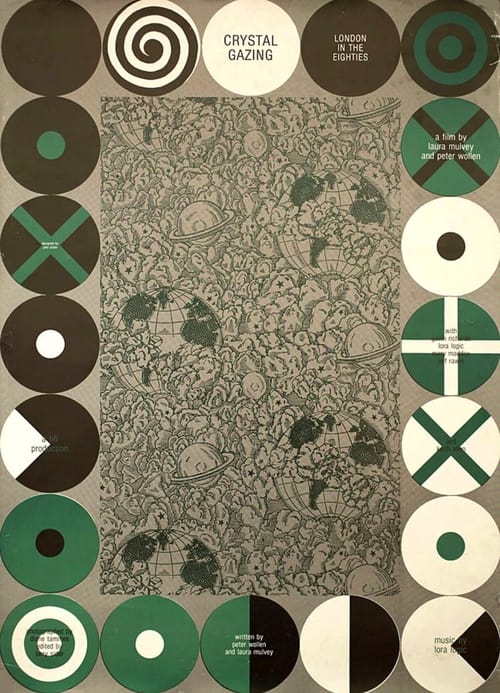
Experimental drama set in London during the Thatcher administration involving four characters: Neil, a science-fiction illustrator; Kim, a woman rock musician; Vermilion, an analyst of satellite photography; and Julian, an old friend of the illustrator who has just finished his Ph.D thesis on the fairy-tales of Charles Perrault. Their four lives are closely interlinked as events happen to each of them.

Crystal Gazing

1982
Disgraced Monuments
7.0

Filmmakers Laura Mulvey and Mark Lewis use rare archival footage and interviews with artists, art historians, and museum directors to examine the fate of Soviet-era monuments during successive political regimes, from the Russian Revolution through the collapse of communism. Mulvey and Lewis highlight both the social relevance of these relics and the cyclical nature of history. Broadcast on Channel Four as part of the 'Global Image' series (1992-1994).

Disgraced Monuments

1994
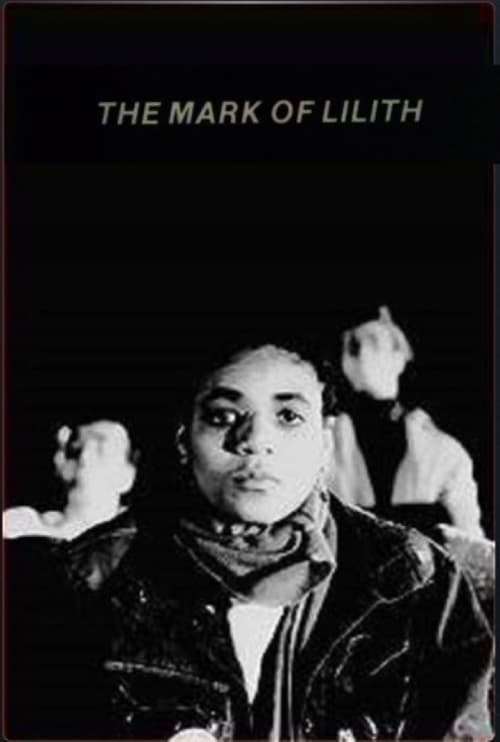
The Mark of Lilith
4.4

A white bisexual female vampire, trapped in a relationship with a misogynistic male vampire, encounters a worldly black lesbian who helps her achieve enlightenment.

The Mark of Lilith

1986
Angel in the House
N/A

Inspired by Virginia Woolf, a young writer worries that marriage will hinder her literary ambitions. The film includes extracts from Virginia Woolf's novel To the Lighthouse and her essay Professions for Women, both read by feminist filmmaker and theorist Laura Mulvey.

Angel in the House

1978
No image
N/A

A exploration of the origin, theory, philosophy and themes of Stephen Dwoskin's films from 1963 to 1984.

The Cinema of Stephen Dwoskin

1984
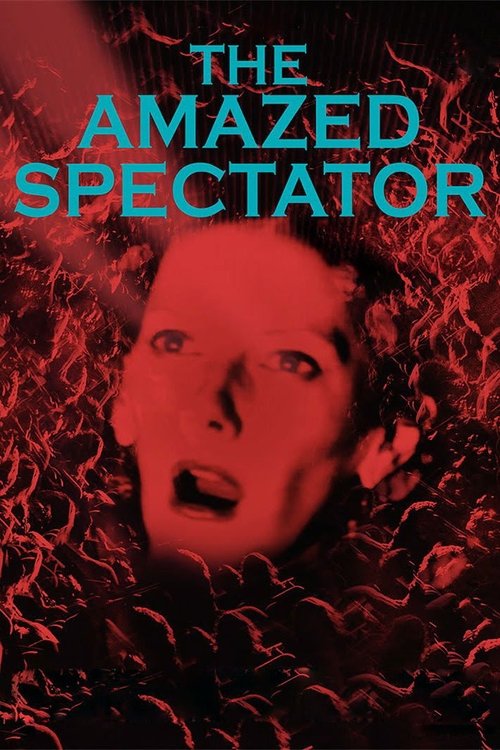
The Amazed Spectator
6.2

A kino-investigation about spectatorship, a continuous conversation between different kinds of spectators: which one is more cinema: Citizen Kane on a mobile phone or a football game projected in a cinema theatre? What is the cinema of uncertainty? How many kinds of amazement exist? Does fear and belief precede amazement? What are the rights and duties of the spectator? Is the essay film a manifesto against voyeurism? Should spectators be paid? What amazes the spectator of this day and age?

The Amazed Spectator

2016
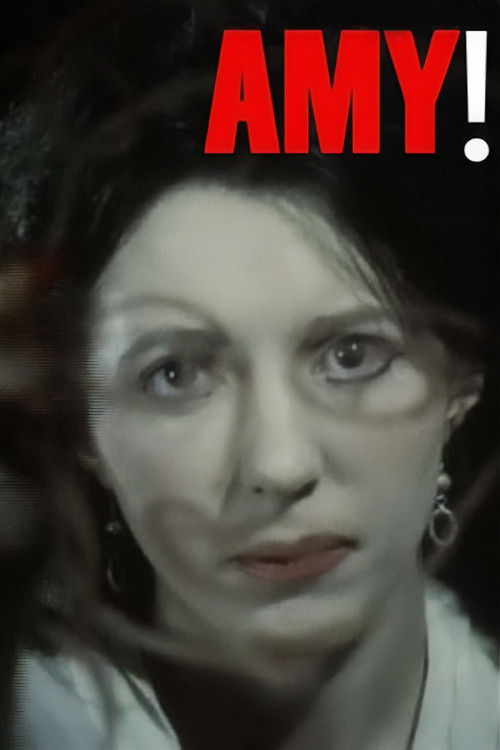
Amy!
6.3

Amy Johnson was the first woman to fly solo from Great Britain to Australia. Mulvey and Wollen’s experimental documentary combines newsreel footage of the aviator’s arrival, dramatic recreations of events from her life and contemporary discussions by feminist groups on the subject of heroism in this most unconventional biopic.

Amy!

1980
I Learned an Awful Lot in Little Rock
N/A

Retiring [in]Transition founding co-editor Catherine Grant reflects on her curation of Laura Mulvey’s remix of a sequence from Gentlemen Prefer Blondes (1953) in the opening editorial of our journal’s inaugural issue in 2014. Here she presents a new videographic study of this remix that she made in collaboration with Mulvey herself in 2024.

I Learned an Awful Lot in Little Rock

2024
No image
N/A

Avant-garde appeal on behalf of and made by the adventurous leftist London cinema, The Other Cinema, using the facilities provided by the BBC community programme unit.

Open Door: The Other Cinema

1977
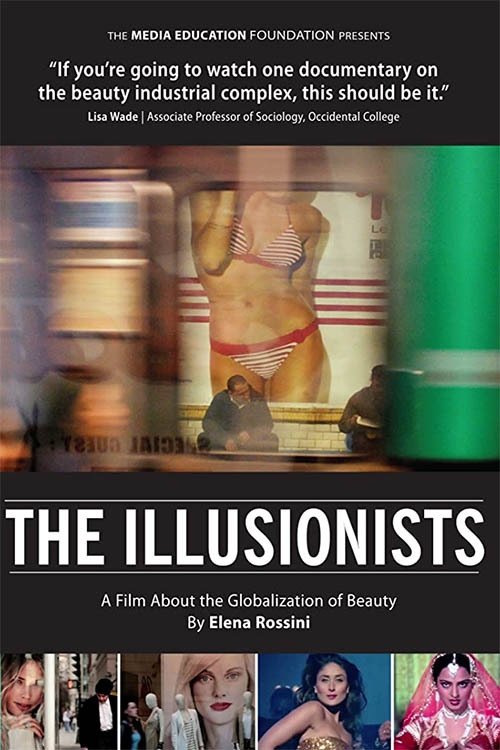
The Illusionists
8.0

Sex sells. What sells even more? Insecurity. Multi-billion dollar industries saturate our lives with images of unattainable beauty, exporting body hatred from New York to Beirut to Tokyo. Their target? Women, and increasingly men and children. "The Illusionists" turns the mirror on media, exposing the absurd, sometimes humorous, and shocking images that seek to enslave us.

The Illusionists

2015
No image
N/A

23 August 2008 consists of two shots. A brief opening shot, intercut with inter-titles, of the famous Al-Mutanabbi Street book market in Baghdad is followed by an unbroken eighteen-minute monologue, shot from a single, still camera position and simply recording the speaker’s words without interruption. In it, Faysal Abudullah gradually builds a portrait of his relationship with his younger brother, Kamel, and in the process evokes the lives of Iraqi intellectuals of the left, driven into exile in the early 1980s by Saddam Hussein’s regime. Faysal describes Kamel’s decision to return to Iraq in 2003, his work for the new Ministry of Culture and his tragic death at the hands of unknown assassins on 23 August 2008. While the film throws light on little known aspects of Iraq’s political history, primarily it is the story of the two brothers, of Faysal’s devotion to Kamel and their contrasting attitudes to exile and to life itself.

23rd August 2008

2013