Acting
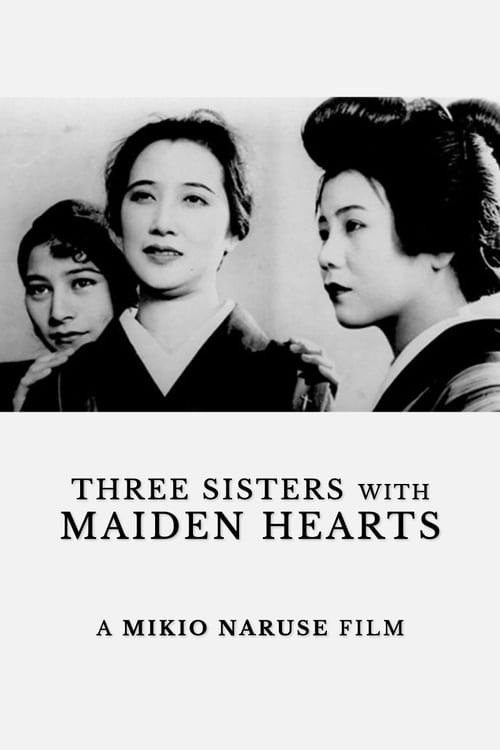
Three sisters earn money for their bossy mother by being samisen street musicians. This means mainly playing a banjo type instrument for tips in bars...
A five member circus runs into problems while touring rural Japan.
1946 Toho film directed by Kiyoshi Saeki
Adaptation of Fumiko Hayashi's novel.
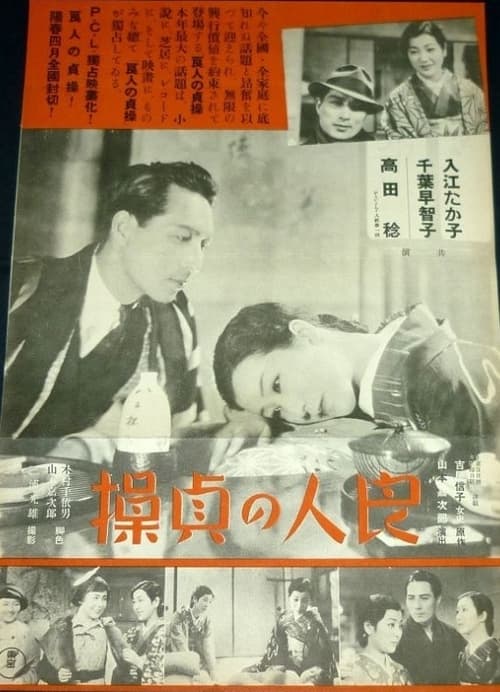
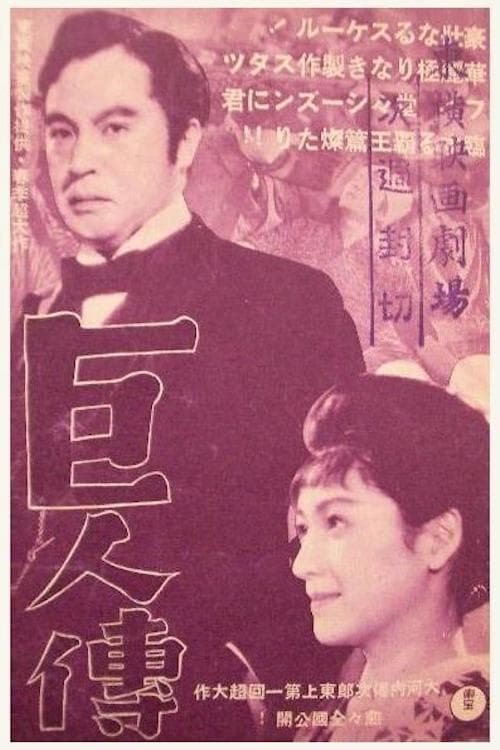
Japanese adaptation of LES MISERABLES. The last film of director Itami took inspiration from Les Miserables. Transpiring during the Southwestern War of 1877 in Japan, which was the last civil war in the country, a criminal escapes prison only to be found by a monk. The criminal decides to turn a new leaf based on their conversation and goes on to become a town's mayor. He hears news of a mistaken arrest and identity. The revelation of truth is the start of a series of miseries.
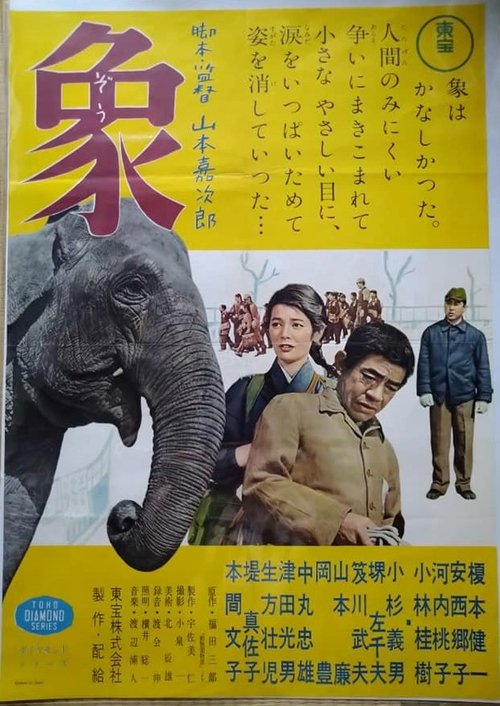
The fifth film in the Toho Diamond series, following "The Hateful Thing." Based on the true story of "Zoo Story" by author Fukuda Saburo. During the Tokyo air raids of World War II, Zen-san, an elephant keeper at Ueno Zoo, is faced with the heartbreaking task of euthanizing Tonki, a beloved elephant, due to food shortages and wartime pressures. Unable to carry out the order, Zen-san secretly feeds Tonki, but the elephant is ultimately shot by the military police. The film poignantly captures Zen-san’s despair and the devastation of war, as he reflects on his powerlessness amid the chaos.
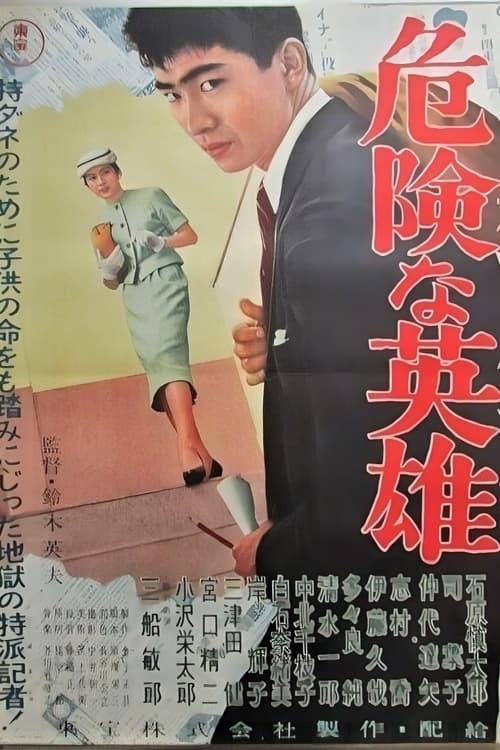
A film by Hideo Suzuki.
No description available.
An episodic film about life in and around a rural police station and the people it serves.
Part two of two.
Otherwise promising young man Asaji and his younger brother Yuji face blighted lives due of society's disapproval of their illegitmacy and déclassé family.
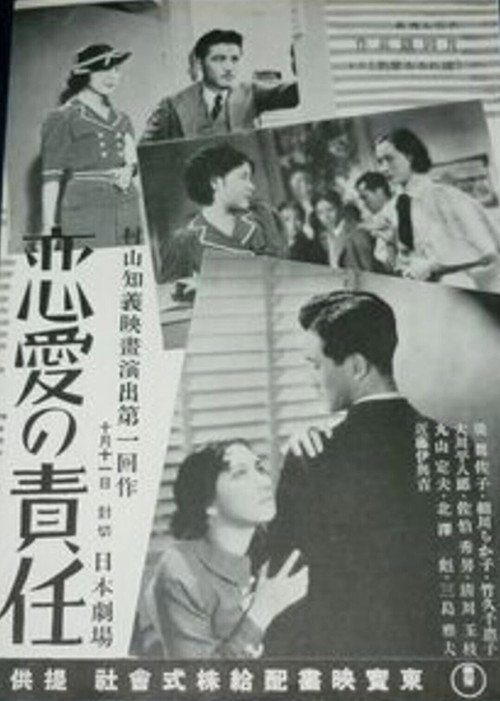
Kayo and Kuniko graduated from girls' school together and are as close as sisters. Kuniko's fiancé, Minakami, feels something that attracts him deeply towards Kayo. On the other hand, Kayo prays for the happiness of her best friend and marries a very ordinary man. However, at one point, this mediocre but increasingly ferocious husband died in an accident ... A triangular love story develops depicting a woman's heart that sways between love and morals.
The title might sound shocking, but the red hands mean, the hands which drag fishnets. Ohama, 15 or 16 years old girl lost her family and lived alone in a fishermen's village. She is a strong-minded girl and very popular among young children. I guess that this story is one of the origins of girl's manga in the 1950s in which I belonged to the first generation of Japanese story manga.
The first in a series of films featuring the comedy duo Entatsu-Achako, providing them with a background story to do their popular manzai-routines on film. Here, Entatsu and Achako start out as rivals for the affection of a young woman but ultimately pair up to face a bigger rival. Entatsu chooses to become a boxer to get his chance at punching the rival out of the way.
“19 vassals of Lord Hosokawa ask permission to commit harakiri with him, as a demonstration of their loyalty. Only Yaichiemon Abe is refused permission, forced instead into the vassalage of his lord’s successor. Humiliated and derided, Yaichiemon eventually commits harakiri without permission. His eldest son is then punished for Yaichiemon’s suicide, and when he resists, is sentenced to death. The entire Abe clan rebels upon the son’s execution, and the clan is annihilated.” --Alan Poul, Japan Society
Japanese film based on the life of writer Ichiyo Higuchi (1872-1896).
Young Hiroko’s conservative principles place her at odds with most modern women, as she has already submitted to her mother’s choice of man for any marriage prospect. Wed into an affluent family that practically treats her as a housemaid, locked away like a 'doll' by her estimation, Hiroko’s own submission to traditional thinking brings contradictions to light.