Inês Oliveira
Directing
Biography
Inês Oliveira studied at the Superior School of Theatre and Cinema, in Lisbon, until 2000. With one of the most multifaceted curriculums of the young Portuguese film generation, not only in terms of education – such like in edition, photography, sound and screenplay – but also through the experience this director has also acquired. Nome e o N.I.M is one of Inês Oliveira’s most appreciated works after being widely awarded as a short film. Recently, Inês Oliveira directed a documentary Comer o Coração de Rui Chafes e Vera Mantero, that focused on the work of the pair which is a relation of exception in the Portuguese contemporary art.
Known For

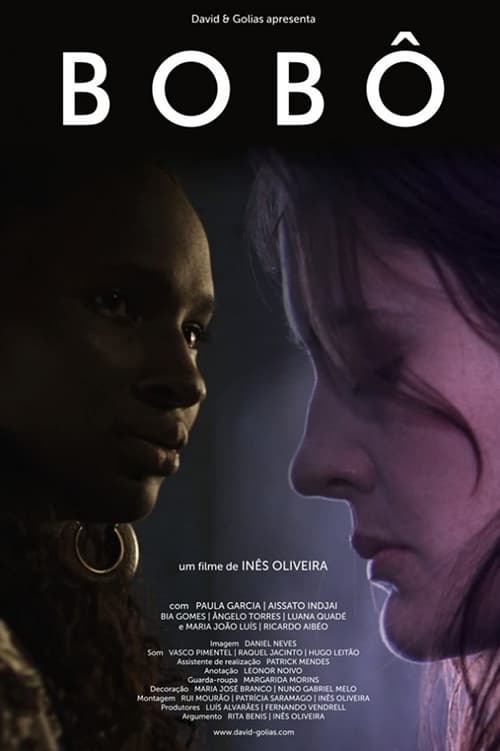
Sofia lives a strangely isolated life in the old apartment where she grew up in Lisbon. Mariama arrives from Guinea-Bissau, having been hired by Sofia’s mother to help take care of the house and her son. The appearance of Bobô, Mariama’s younger sister, awakens in Sofia the desire to take a stand. The forced cohabitation between Sofia and Mariama forces them to confront their own private ghosts.
Bobô

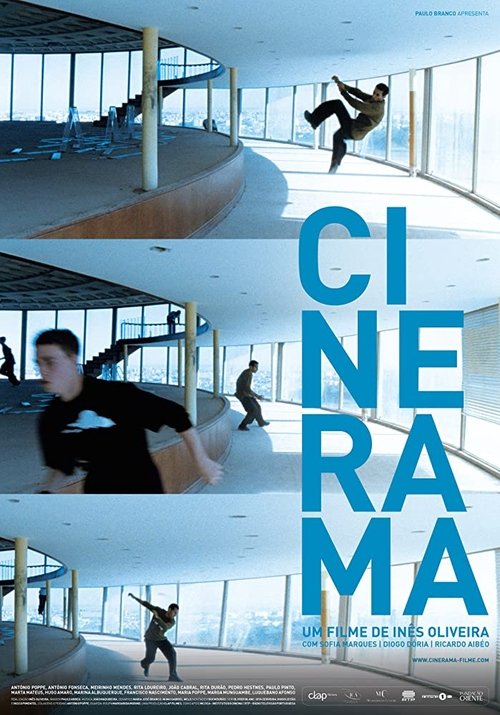
Humberto hanged himself. Catarina, Paulo and Victor want the company where Humberto used to work for to take responsibility in his death, leading them to kidnappe the company’s director in an act of despair. Who is Humberto? What company is that? In which paths will he take us, after his death? Cinerama is an edgy, enigmatic, but not distant film that brings up genres of cinema as well as other forms of art like dance, theatre and poetry. The film reflects ways of being in life.
Cinerama
Originary from France, the "Tchiloli or Marquis of Mântua Tragedy" theatre was introduced in the African island of São Tomé in the XVIth century. Music, dances and suits are added to the renaissance text, turning this spectacle into a hybrid cultural manifestation. The Tchiloli, performed by amateur groups, integrates only men that are prominent figures in certain quarters of the island. The most popular and traditional group is the "Formiguinha". In this company, the main roles are transmitted from generation to generation. The oldest members try to keep the tradition within the family.
Tchiloli, Masks and Myths

Neko and his friends meet in the city center one late summer afternoon. They tour the streets of a city that seems to be a teenager in flux just like them. They meet other young people sprawled on the grass, by the Tejo river. Among them is Matilde, who sees in Neko her best friend from nursery school, Carolina, with whom she has lost contact...
Neko
This film follows the process of creating Eating Your Heart Out. This work of art presented at São Paulo Biennal of Arts in 2004, was the first collaboration between the Portuguese artists Rui Chafes (sculptor) and Vera Mantero (choreographer and dancer). The result is a huge iron sculpture where the dancer performs a mysterious play, suspended in the air, with paintings all over her body.
Eating Your Heart Out

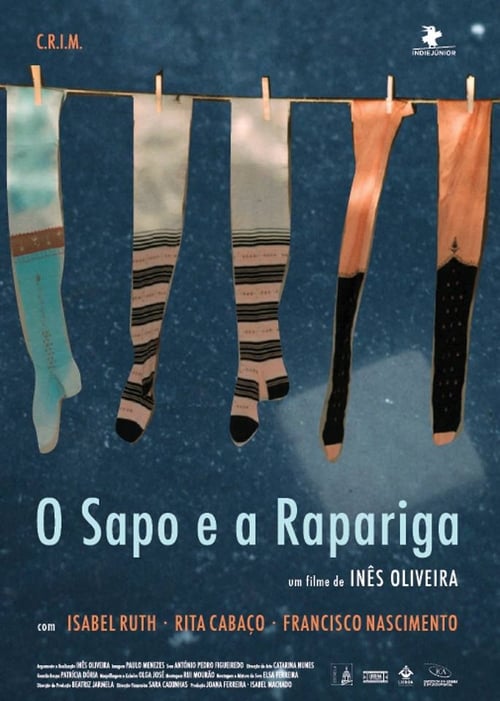
Adaptation by the director Inês Oliveira from the traditional Portuguese tale «O Sapo e a Rapariga». The laundry room is closed and a young woman (Rita Cabaço) has to learn how to wash clothes by hand with the wise Deolinda (Isabel Ruth), who tells her a strange story of enchantment.
The Frog and the Girl
Every year the Portuguese Army recruits thousands of Citizens to constitute the National Service. At 10 pm ligths are killed in the quarters. “Hey? Are you awake? Those guys are fucking you up, you hear me? I mean, I don’t know you man, but to me you’re like a brother.”