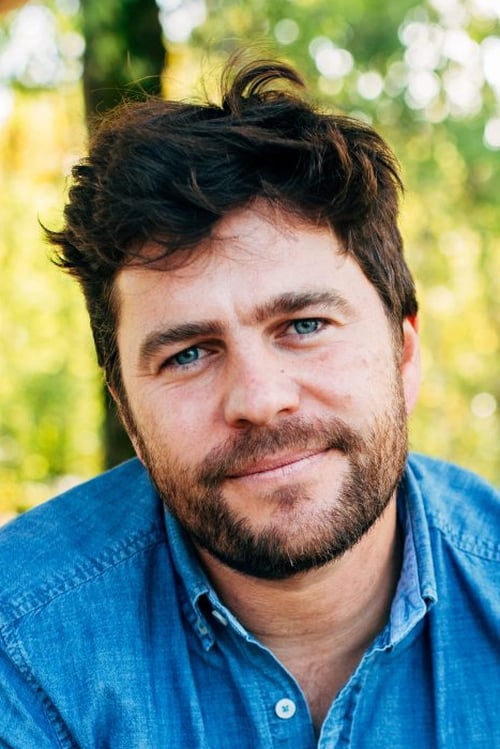
Nicolas Lévesque
Directing
Biography
Nicolas Lévesque is a Canadian filmmaker and photographer born in 1982 in Roberval, Quebec.
Known For
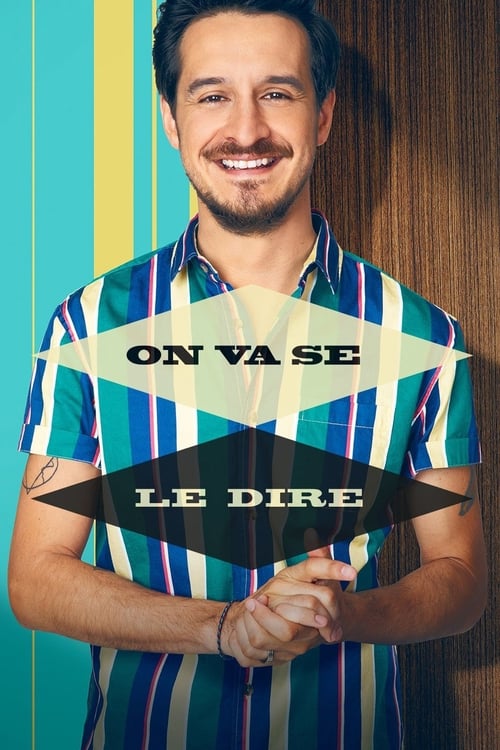
Host Sébastien Diaz, known for his curiosity, is interested in absolutely everything that's going on in the world. At the rate things are changing, every day brings surprising new trends, unusual developments and contradictory social movements. Sébastien is joined by regular contributors and invites various celebrities to talk about the hottest topics in this modern round table.
On va se le dire
No description available.
Les acteurs du Nord
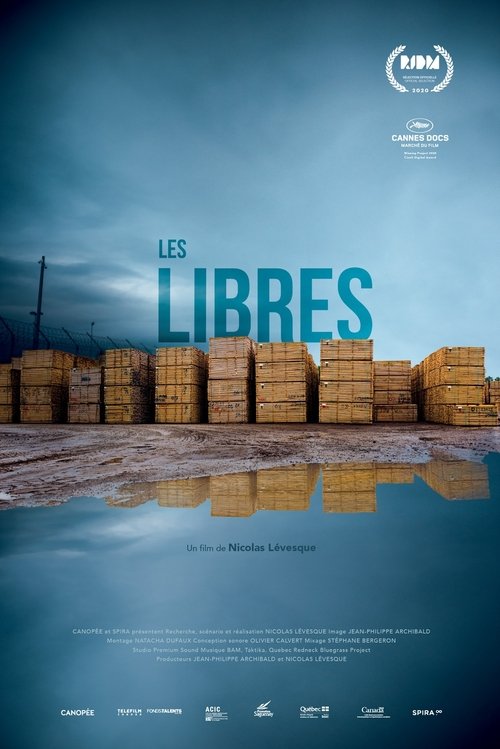
The Free Ones is a full-length documentary feature which shows us how four detainees are dealing with the end of their prison sentence, in a sawmill. Can a factory job help them to make the necessary transformation and become free men? Hidden from society’s view and through meetings with their instructors, psychotherapists and other participants, we accompany Samuel, Pierrot, Fred and Steve talk about their hopes and fears during this six-month transition period.
The Free Ones

A documentary with students from two schools, two cultures, sharing the same territory. At an age when they are still well entrenched in the present moment, children begin learning history and already serve us a lesson.
Historytelling
No description available.
Atik, gardien du territoire
In Kennesaw, a small American town in the state of Georgia, a good citizen is an armed citizen. By law, since 1982, each head of household must own at least one working firearm with ammunition.
In Guns We Trust
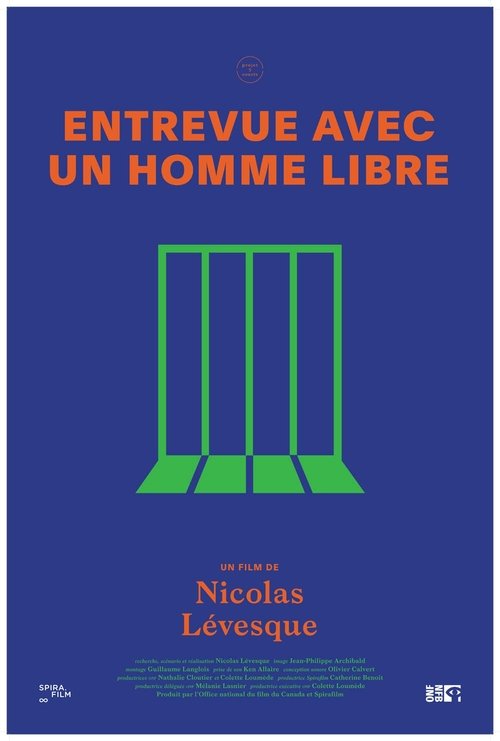
In this documentary short, several men go through a job interview eager to get a fresh start in life. With each question that's asked, we glimpse tiny snippets of their lives along with their hopes and fears. Nicolas Lévesque's Interview with a Free Man cleverly toys with viewers through its oblique narration, constantly upending our expectations.
Interview with a Free Man
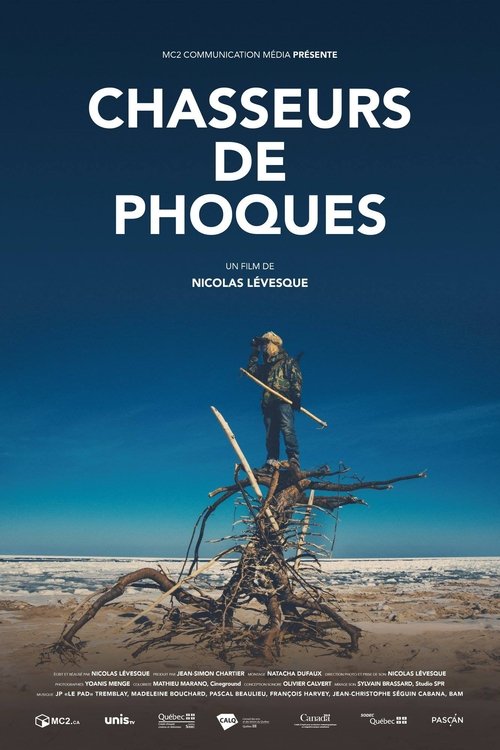
No description available.
Chasseurs de phoques

No description available.
Rich in Bollywood
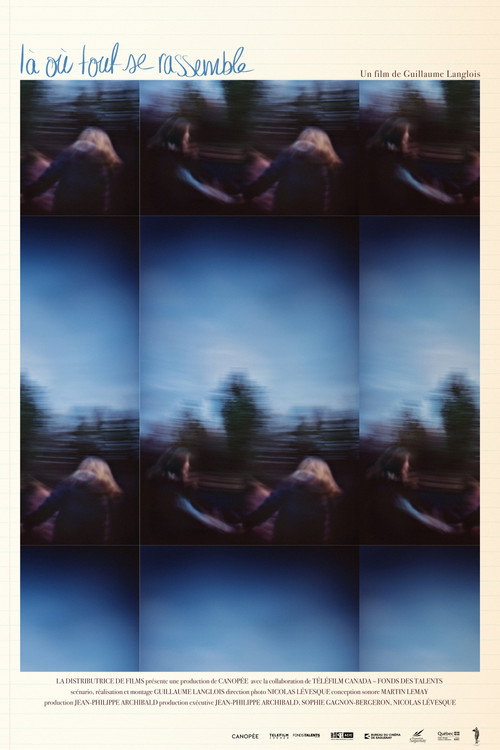
Through the detours of a correspondence project, we accompany young indigenous and non-indigenous people in a patient crisscrossing, at their level, between childhood and adolescence, until real bonds are created between them.