
Jasmim de Matos
Art
Known For

No description available.
Já Está
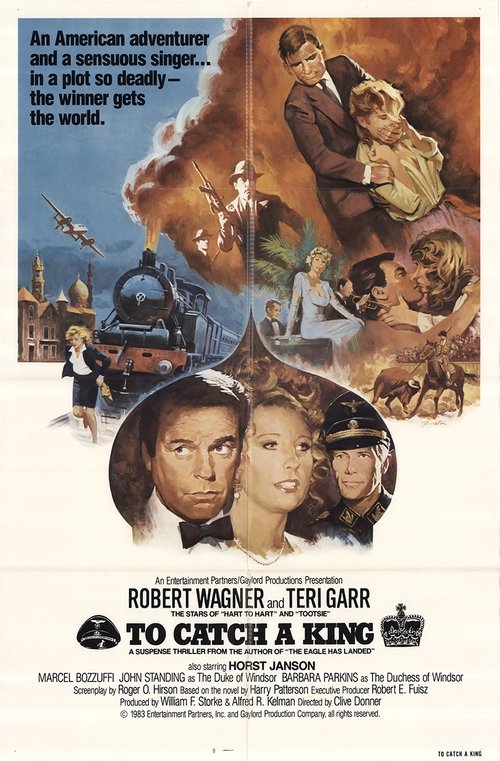
Robert Wagner plays an American who owns a Lisbon nightclub and Teri Garr is a slightly dippy chanteuse who has stumbled across a Nazi plot to kidnap the Duke and Duchess of Windsor, living at the time (1942) in Portugal.
To Catch a King

A story about doomed love between two people from different worlds and the impact in their lives. Based on the novel of the same name by Portuguese writer Camilo Castelo Branco.
Doomed Love
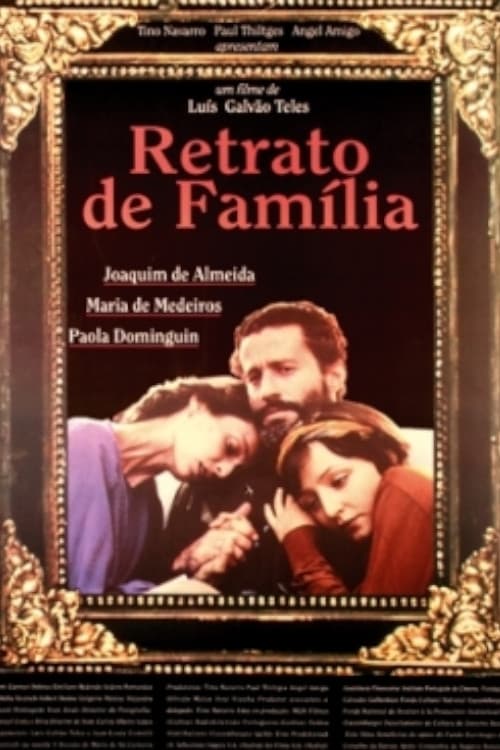
Ofelia is the daughter of photographer Miguel and of deceased circus artist Lea. When her father is hospitalised with a nervous breakdown, she decides to find out the reason and in doing so discovers the truth about the relationship between her parents and the true fate of her mother.
Retrato de Família
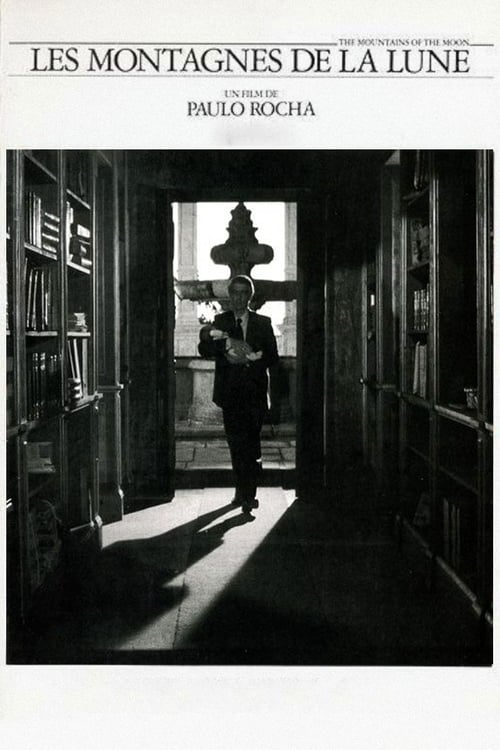
This visually striking drama is taken from the classic Japanese novel Tales Of Genji by Marasaki Shikibu. Set in modern Portugal, Joao (Luis Miguel Cintra) is a left-wing political leader and ladies man with a bright future. His ex-wife Isabel (Manuela de Freitas) both loves and hates him as Joao plays on her wavering emotional state. He is sent to Italy to retrieve wayward family member Antonia (Caroline Chaniolleau), the beautiful young woman with a terrorist boyfriend. Joao is forced to recognize his feelings as the political and amorous climate changes around him.
The Mountains of the Moon

Set four years after the Portuguese revolution and the simultaneous loss of the Portuguese empire in Africa, the story concerns a director who sells guns to finance his play.
The Jester

This odd film is a major representative of an even odder film genre: direct-to-celluloid opera. It was commissioned by the Portuguese master of style, director Manoel de Oliveira from composer João Paes. Musically, it ranges from 19th-century romanticism to popular, modernist and even "post-modernist" styles. In the initially tame story, a host-narrator tells the story of a wedding between the two lovebirds: Viscount d'Aveleda and the beautiful Marguerite. However, what happens in the bridal chamber is incredibly bizarre. The events after that are even stranger, and the wedding guests and family indulge in cannibalism, among other perversions.
The Cannibals
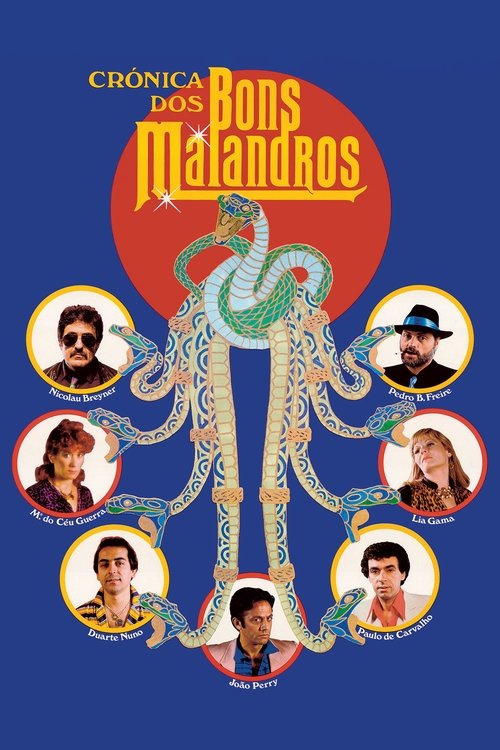
This exaggerated mockery of crime cinema tells the story of a gang lead by "Renato, o pacíficio" (Renato, the peaceful) and their attempt to steal precious jewels from the Gulbenkian Museum in Lisbon. The weapon of choice? Bees!
Chronicle of Good Hoodlums
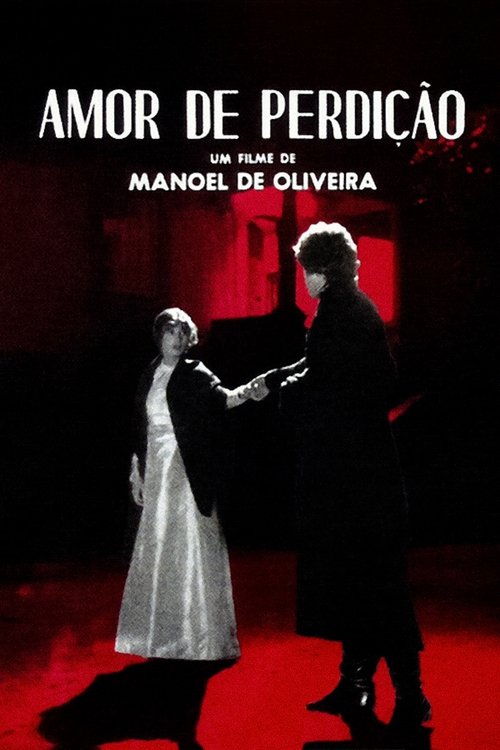
A story about doomed love between two people from different worlds and the impact in their lives.
Doomed Love
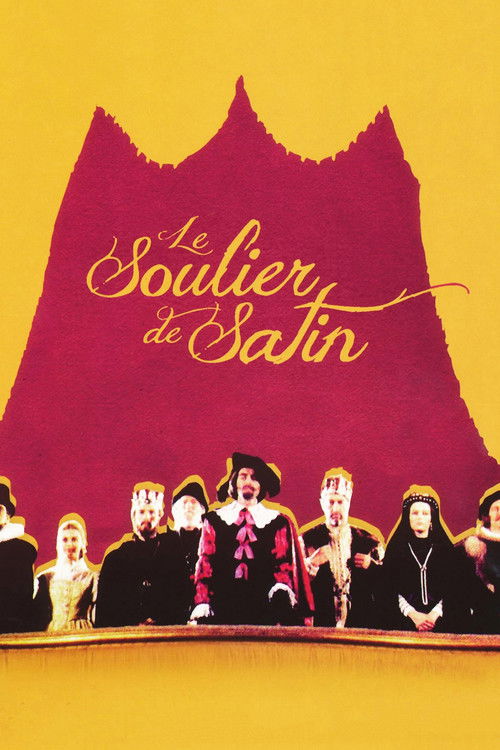
During the century of the Spanish Gold, Doña Prouhèze, wife of a nobleman, deeply loves Don Rodrigo, who is forced to leave Spain and go to America. Meanwhile Prouhèze is sent to Africa to rule the city of Mogador. Ten years later Rodrigo leaves America and travels to Africa in search of Prouhèze to find out that she died and eventually meeting her daughter.
The Satin Slipper
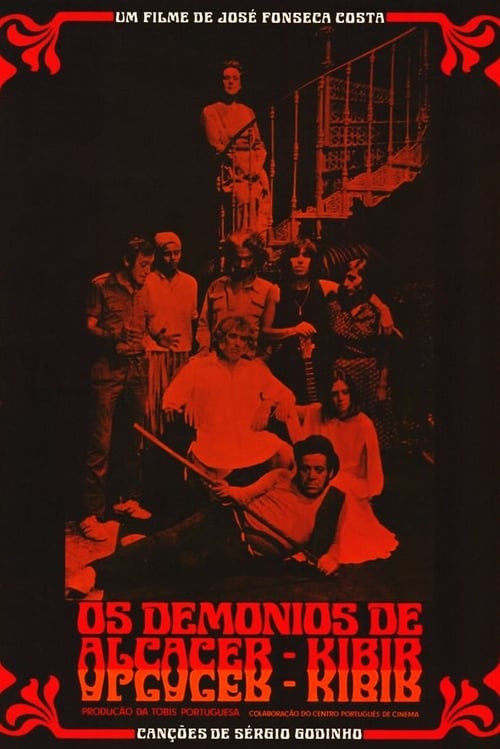
Alentejo 1975. The Police associate a group of traveling players with a strike of agricultural workers. The action takes place in the open space and harsh heat of the Alentejo. With the connivance of Lianor, the troupe enters the palace of Don Gonzalo an old aristocrat. The gentleman is obsessed by visions of great past deeds in a universe of ghosts. This was the first example of militant cinema in Portugal after the end of the Estado Novo dictatorship, exploring the world after the Carnation Revolution and its contradictions.
The Ghosts of Alcacer-Kibir

Spino, a pathologist, receives an unidentified body which looks familiar to him... himself, 30 years younger.
On the Edge of the Horizon
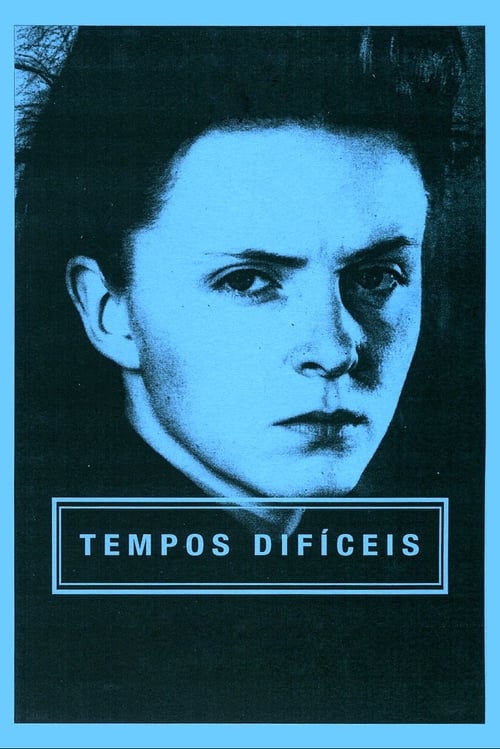
A film adaptation of the Charles Dickens novel "Hard Times" set in a Portuguese industrial town of the 1980s.
Hard Times
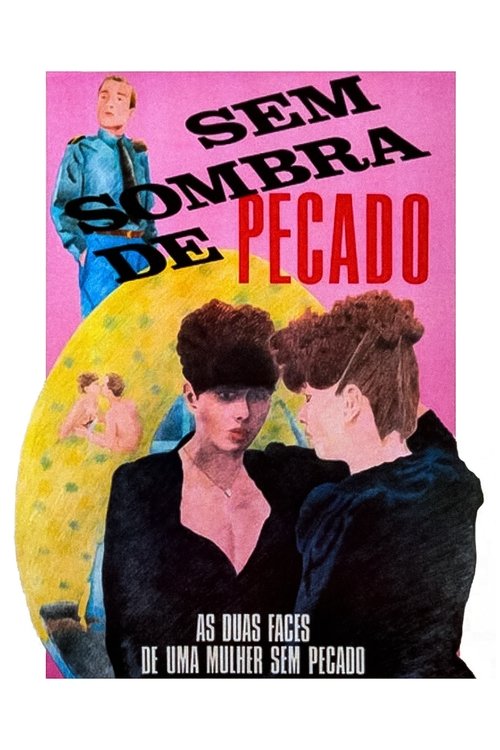
A young man from a high-bourgeois family, Henrique receives mysterious phone calls from a woman at the barracks where he is serving in the military, which attracts him to meetings without consequences.
No Trace of Sin
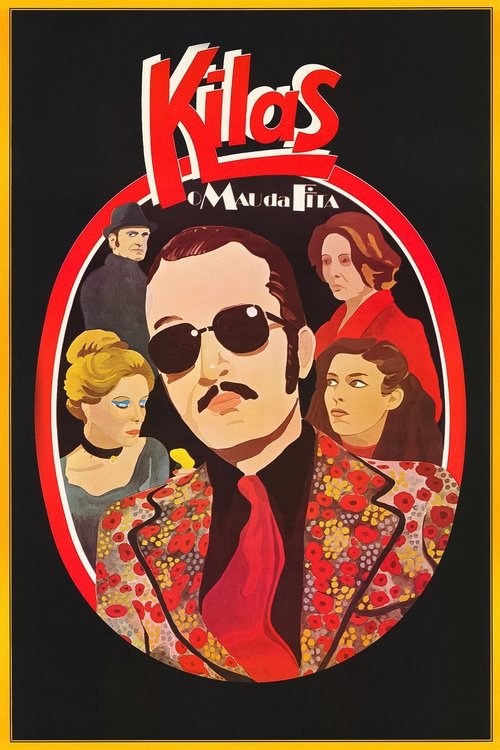
"Kilas" (a Portuguese misrepresentation of the English word "killers") is the nickname of a petty con-man who gets involved with a deadly ring of spies.
The Killers
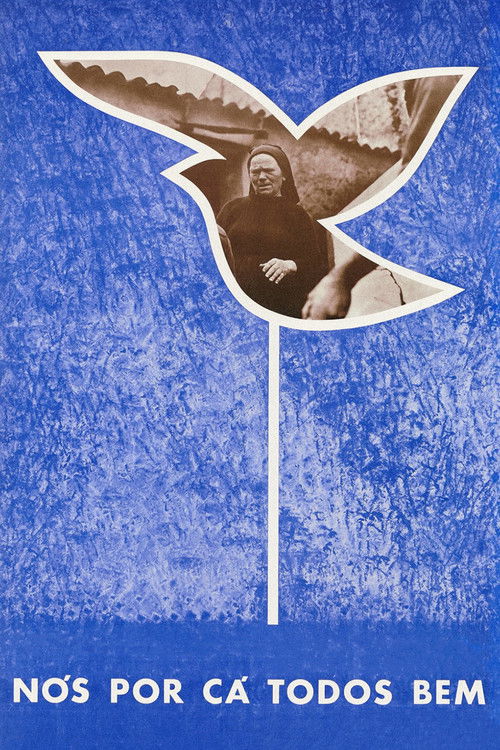
In his childhood haunts, in the village of Várzea dos Amarelos, the filmmaker films peasant life with its seasonal and daily rituals: a festive meal, the slaughter of a pig, bread-making. The film slides into imagination and blends with fiction: memories and dreams, imagination and reality intermingle in this work full of enthusiasm that has an enormous freedom of form and a zest for life and discovery of the world. With a strong documentary element, it mixes professional actors with the inhabitants of a small village, telling the story of a small film crew in a village living day to day.
Nós Por Cá Todos Bem
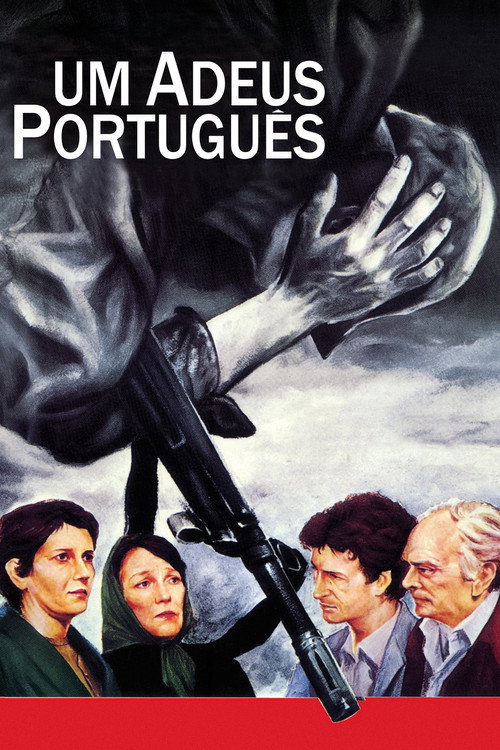
In Africa, during the colonial war, a patrol is lost in the bush and a soldier dies in operation. Twelve years later, in Portugal, the soldier family meets in peace.
A Portuguese Farewell

Portrait of the last days of the life of Portuguese writer Camilo Castelo Branco.
Day of Despair
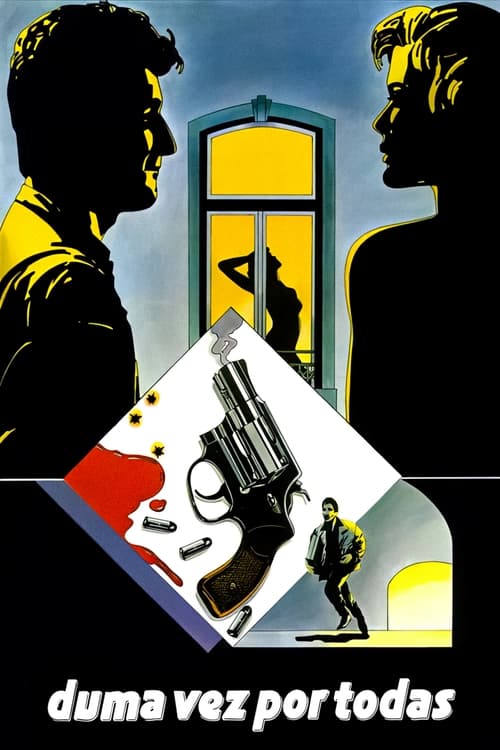
Lisbon by night, through the eyes of a young woman who lives freely, and a neighbour who follows her everywhere, from a distance.
Duma Vez Por Todas

No description available.