Nadine Marsh-Edwards
Production
Known For
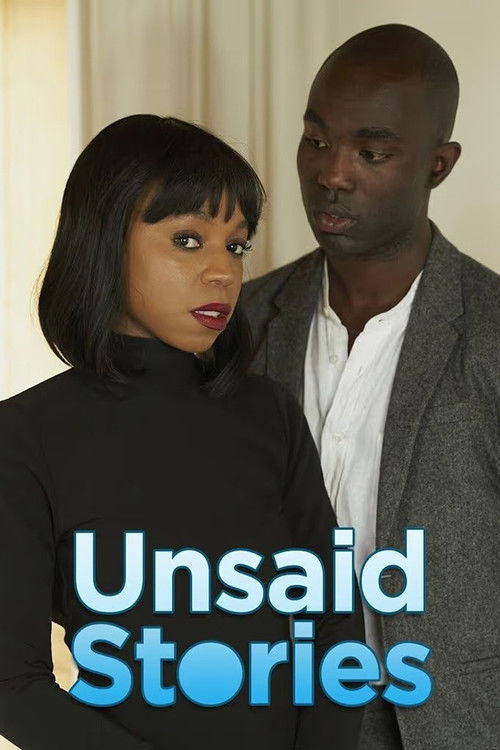
Four short dramas inspired by Black Lives Matter and exploring racism in its many forms.
Unsaid Stories
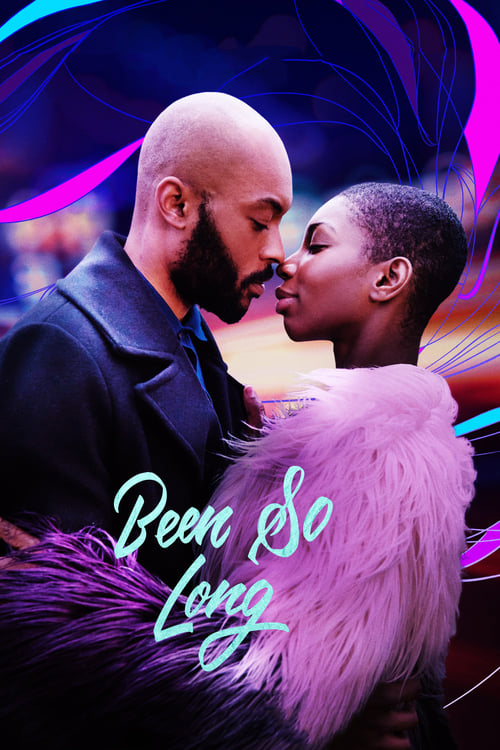
A single mother in London's Camden Town hears music when she meets a handsome stranger with a past. But she's not sure she's ready to open her heart.
Been So Long
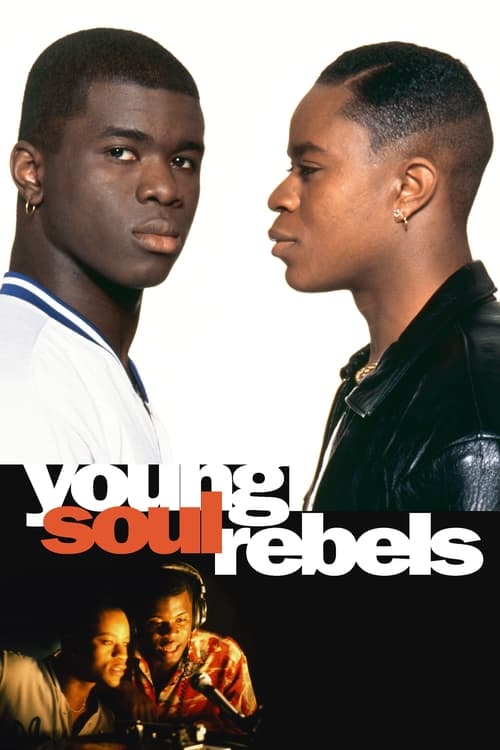
Two disc jockeys have a friend's murder to solve in the fringe-group melting pot of 1977 London.
Young Soul Rebels
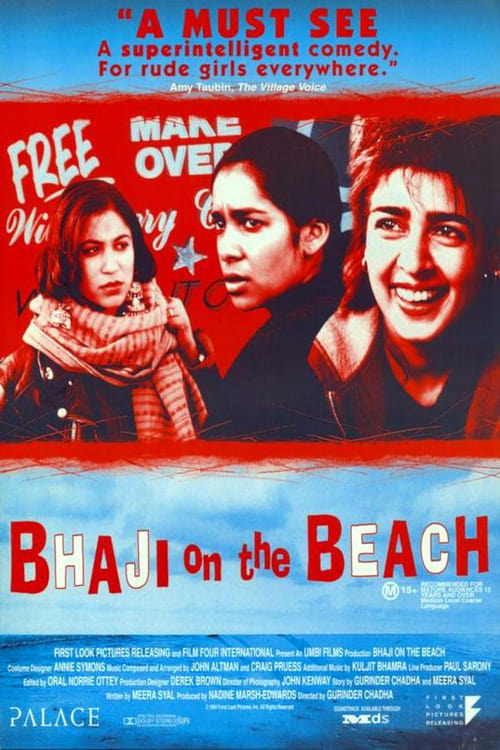
A group of South Asian women try but cannot escape their problems on a day trip to a British beach resort.
Bhaji on the Beach
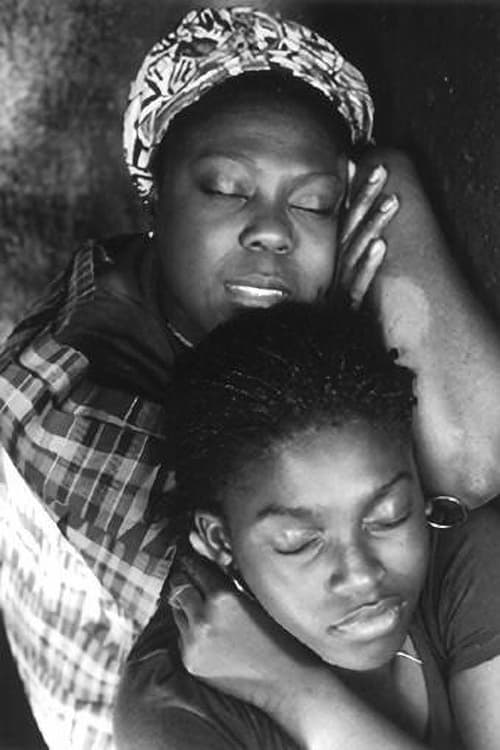
To ease her homesickness Miriam recreates an aspect of home in her suburban British garden. Cultural memory exerts a healing power, combatting cultural appropriation, hostility towards migrants and the rift between Miriam and her Nigerian-British children.
Home Away from Home
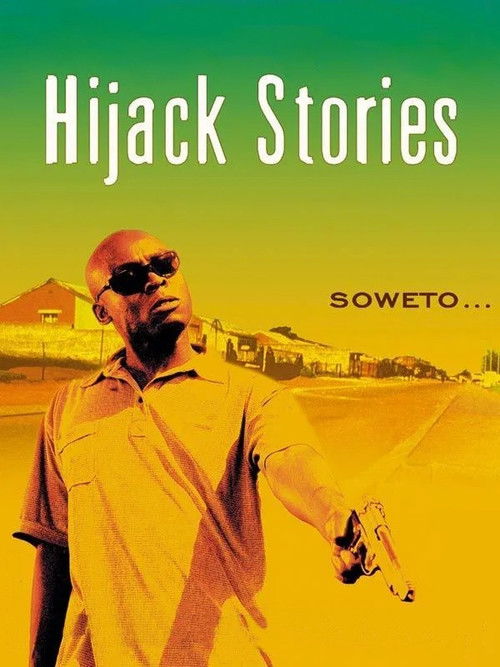
A young Soweto actor joins a gang to study up and be more convincing in a gangster role he wants.
Hijack Stories

Two young people, Daniel and Samantha, are selected in a television show to marry. They have never seen each other ever. After the wedding ceremony took place on television, then married life really starts. To collect the price money of one million pounds, they have to stay together for at least six months.
Love or Money
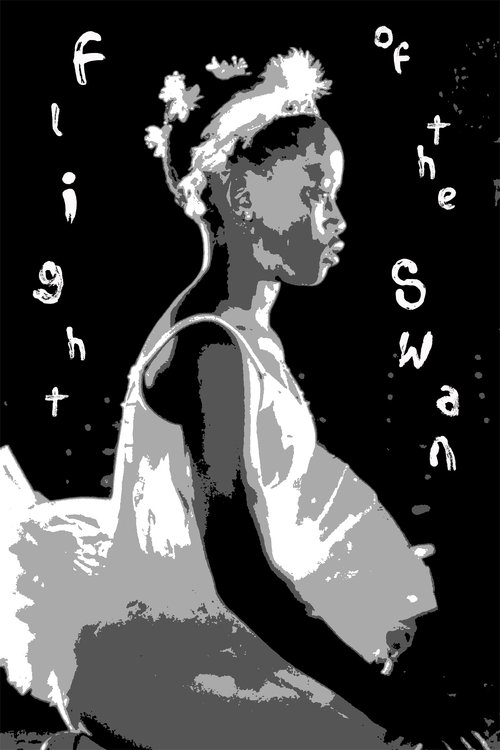
A young girl leaves her Nigerian village to attend a ballet school in England. Fascinated by Tchaikovsky's Swan Lake, she dreams of performing as lead ballerina Princess Odette, but the girls in her close-minded ballet school mock her ideas of a 'black swan'.
Flight of the Swan
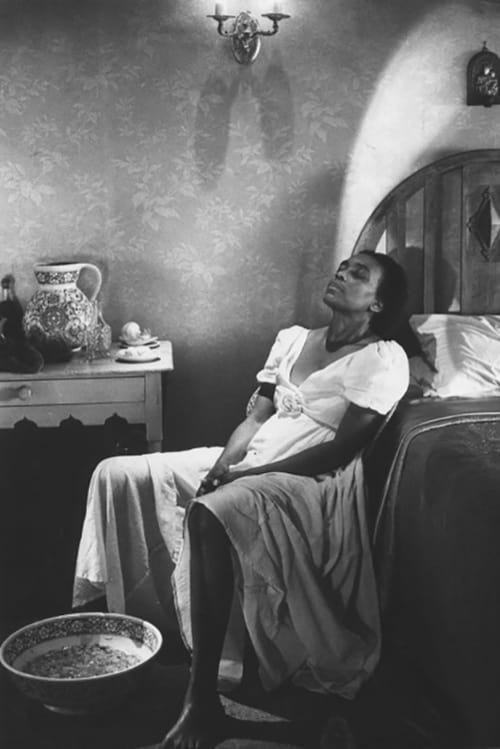
A bittersweet and nostalgic short drama illustrating the spirit of modern families touched by the experience of migration. Miss T., from the Caribbean, lives alone in her one-room apartment, her children and husband having left her to pursue new dreams. When she dies her family and friends gather at her wake. The tapestry of words that interweave the drama convey the fragments of a life lived, but only partly remembered.
Dreaming Rivers
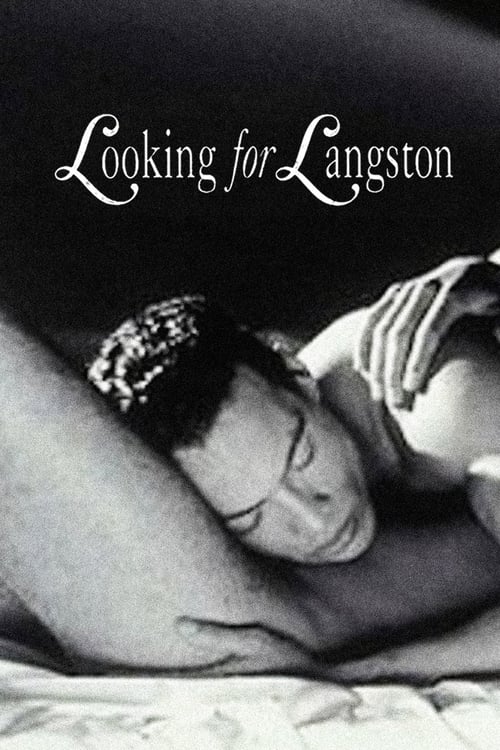
A black and white, fantasy-like recreation of high-society gay men during the Harlem Renaissance, with archival footage and photographs intercut with a story. A wake is going on, with mourners gathered around a coffin. Downstairs is an elegant bar where tuxedoed men dance and talk. One of them has a dream in which he comes upon Beauty, who seems to reject him, although when he awakes, Beauty is sleeping beside him. His story and his visits to the jazz and dance club are framed by voices reading from the poetry and essays of Hughes and others. The text is rarely explicit, but the freedom of gay Black men in the 1920s in Harlem is suggested and celebrated visually.
Looking for Langston
When Martin, a young father, is left alone one weekend with his son, his memories of past rejection from his own father come to the surface. As he walks through this complicated history, Martin begins to doubt his own ability to love.
Fathers, Sons and Unholy Ghosts
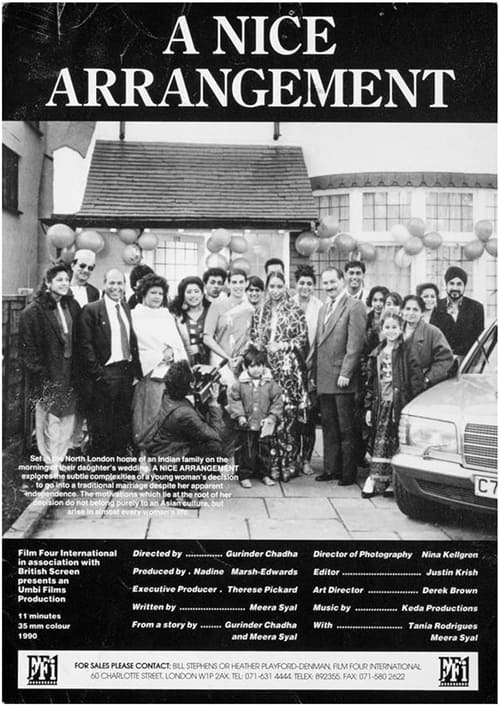
Documents an Indian-English family's attempt to give their Briticized daughter a traditional Indian arranged marriage, with as much photography as possible.
A Nice Arrangement
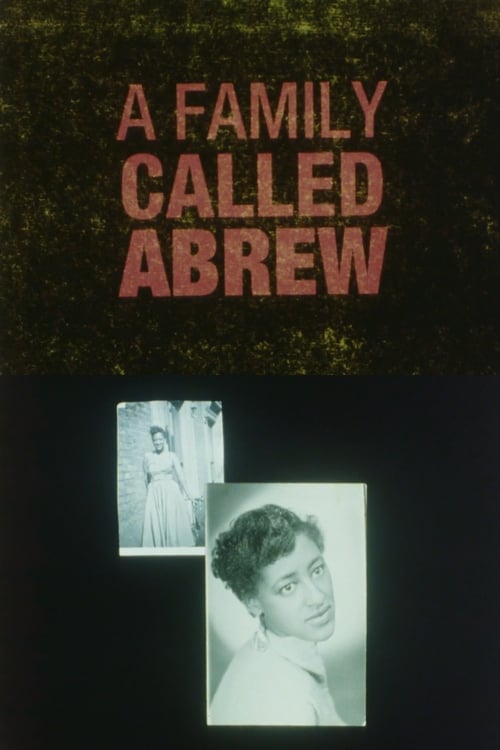
Director Maureen Blackwood harnesses the distinctive style of the Sankofa Film Collective to sketch the Abrew family tree. The achievements of the unique showbiz family are celebrated using rich archive material, including footage of family members in supporting film roles alongside Paul Robeson and intimate fireside-style testimony. The existence of Black British communities before Windrush is foregrounded, with insights into the Abrews' imprint on British culture beginning in 19th century Scotland.
A Family Called Abrew

Territories is an experimental documentary about the Notting Hill Carnival. It locates the event within the struggle between white authority and black youth, in this case over the contested spaces of the carnival, and reflects on its history as symbolic act of resistance. The film makes the case using montage: cutting carnival scenes with archive news reports - police surveillance to rioting in the street - and crossing looks of desire with alienation, from police to reveller, woman to man, man to man. Add to this a disembodied, political critique and trenchant images of police violence and the audience soon becomes aware that the documentary itself is part of the resistance.