Michèle Tyan
Editing
Known For

Iman, a young newly wed Palestinian bride, is arrested and incarcerated in a top-security Israeli prison where she gives birth to a baby boy. As she struggles to survive and raise her child behind bars, she is torn between her instinct as a mother and the difficult decisions she must make, finding through her relationship with the other prisoners - both Palestinian and Israeli – the time and space to reflect, develop and mature as a young woman.
3000 Nights
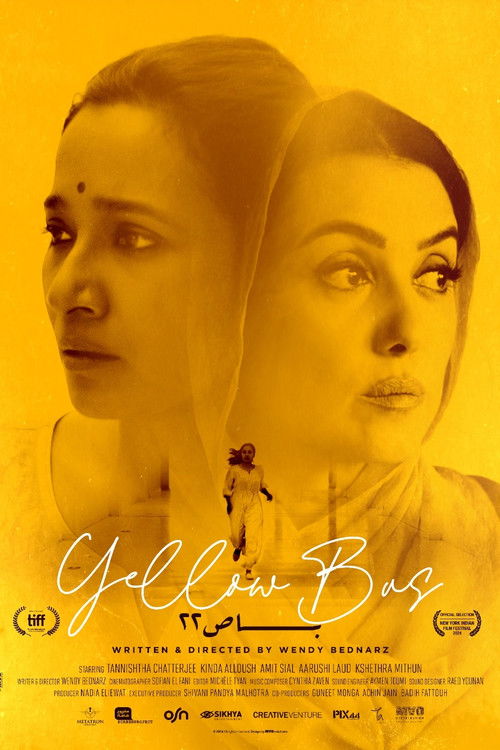
In the sweltering Arabian Gulf heat Ananda’s dreams of a better life than the one she left behind in India are shattered after her child is forgotten on a school bus. Armed with the dead child’s ashes, she stands up against society’s ‘invisible’ caste, demanding accountability and refusing the customary blood money.
Yellow Bus
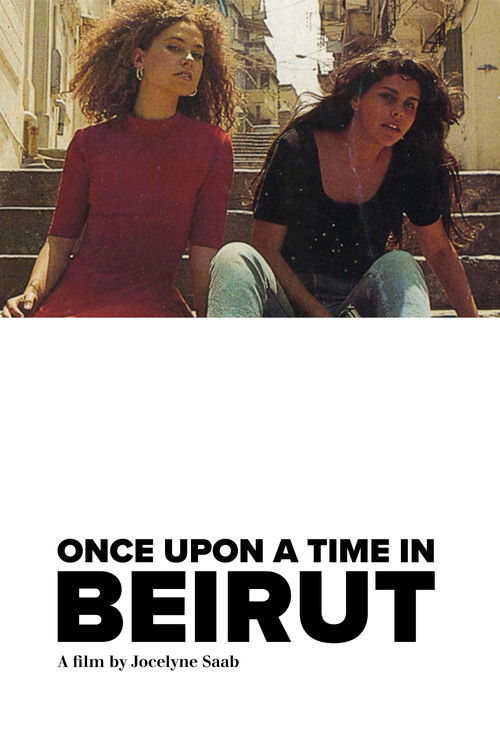
Two young girls of the war generation, Yasmin and Leila, are in search of Beirut. When they meet an elderly film enthusiast with a secret store of Lebanese films, they persuade him to screen his collection for them. So begins an initiation into the myths and images of Beirut, but the girls want cold figures and facts, war babies indifferent to the memories evoked.
Once Upon a Time in Beirut
A female journalist becomes re-acquainted with an Algerian ex- colleague when she visits Beirut, and begins an affair with him.
Algiers-Beirut: A Souvenir
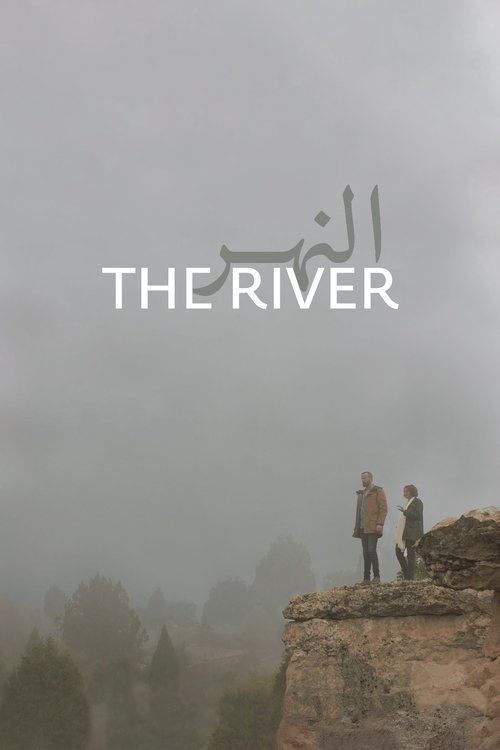
It's autumn. A man and a woman are about to leave a restaurant situated in the heart of the Lebanese mountains. They are suprised by fighter planes screaming past at low altitude. In the distance, war seems to be breaking out once more. Losing sight of the woman, the man starts looking for her. He finds her on the other side of the mountain. Together they sink deeper into nature, which becomes increasingly spectral, just like the slender thread that ties them to each other.
The River
Acclaimed director Jean Chamoun looks at the lives and works of some of the women who have joined in the fight for their Palestinian homeland. We learn of young resistance fighter Kifah Afifi’s experience as a survivor of the 1982 Shatila massacre in Lebanon when she was just twelve years old. She tells about fighting the Israeli occupation of South Lebanon in the 1990s and of her imprisonment in the Khiam detention facility, which was run by Israel’s auxiliary militia, the South Lebanon Army.
Women Beyond Borders
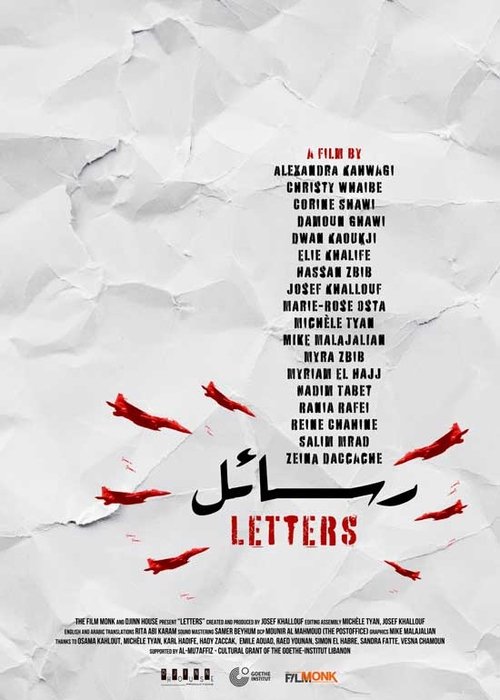
No description available.
Letters
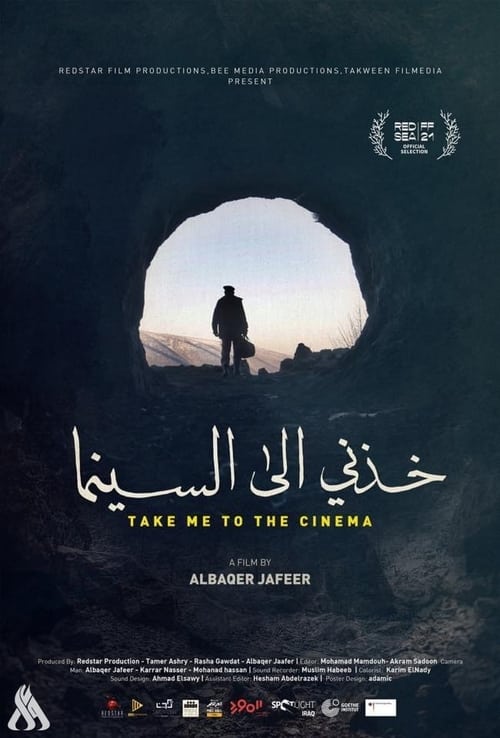
We follow the journey of former soldier Nassif, who fled the war in Iraq by hiding in dark cinemas. During this time, he used to watch his favorite film, “Papillon” (1973), starring Steve McQueen. Nowadays, he is looking for this film among the Iraqi cinemas’ ruins. The search for this lost film copy in the old and obsolete cinemas becomes the sole purpose of Nassif and his primary motivation to leave his house. “Take me to the Cinema” allows us to discover Baghdad through Nassif’s eyes as he takes us to streets that contrast with his silent and quiet world. A lot has changed in today’s Iraq. The street where cinema theaters were is now a market that sells military uniforms. It is crowded with young men, fitting military shirts and shoes. The quest for “Papillon” becomes the quest of character, who does not want to acknowledge the transformations of his city, and who wants to cling on to its luminous past through the light of cinema and his inner world.
Take Me to the Cinema
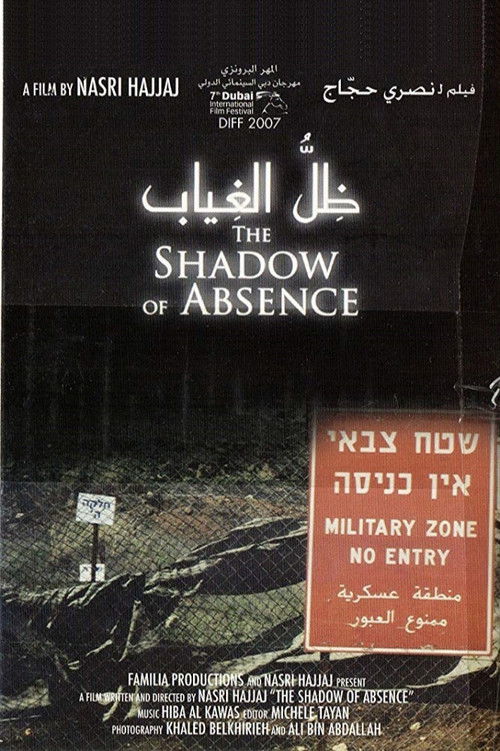
"Born in Palestine. Died in Lebanon." "Born in Palestine. Died in Syria." "Born in Palestine. Died in Jordan." The camera pans across an endless row of white tombstones. The Shadow of Absence takes death as its subject yet in doing so presents a powerful statement about Palestinian life. Weaving elements of his own story of dislocation into the Palestinian collective narrative, filmmaker Nasri Hajjaj reverses the usual focus of the Nakba documentary by exploring the denial of the Palestinian right to death and burial in the homeland.
The Shadow of Absence
Each morning Beirut awakens to a new murder seemingly committed by a serial killer, with victims found emptied of their blood. At the same time a doctor, Khalil, begins to experience strange symptoms that destabilise him and transform his life. A connection slowly emerges that seems to link Khalil to these victims. Salhab’s body of films have come to narrate the state of Lebanon – and Beirut in particular – during and after the civil war, and this film is no exception.
The Last Man
Fifty-five-year-old Nayla is a supervisor at a factory in a Beirut suburb, and struggles to ensure her family’s survival. The war in the south of the country threatens to spill over at any moment, in a country plagued by an economic collapse. Her unemployed, alcoholic husband Mounir, an ex-Civil War militiaman, spends his time watching television. The couple’s feeling of unease fluctuates between aggression and guilt. One night, their twenty-three-year-old daughter Rania knocks over a man while driving home. Nayla is caught up in a vicious circle: She finds herself with Rania, in hospital, facing a family from “the other side.” Animosity and curiosity alternate. For the first time in a long while, Nayla does some deep soul-searching. Her relationship with her husband worsens. But the injured man's condition suddenly deteriorates and he dies. Rania is taken to prison.
Grey Glow

A delicate portrait of Mei Shigenobu, daughter of the founder of the Japanese Red Army in Beirut, Fusako Shigenobu.
My Name is Mei Shigenobu
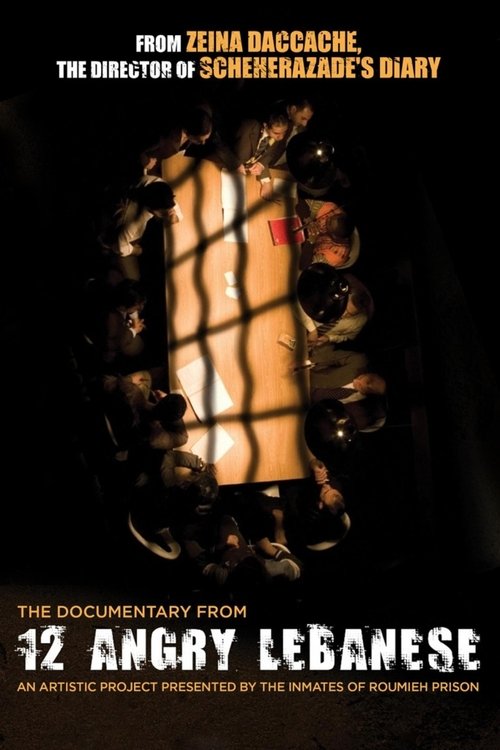
For 15 months, 45 inmates, some completely illiterate, worked together to present an adaptation of Reginald Rose's famous stage play 12 Angry Men.
12 Angry Lebanese
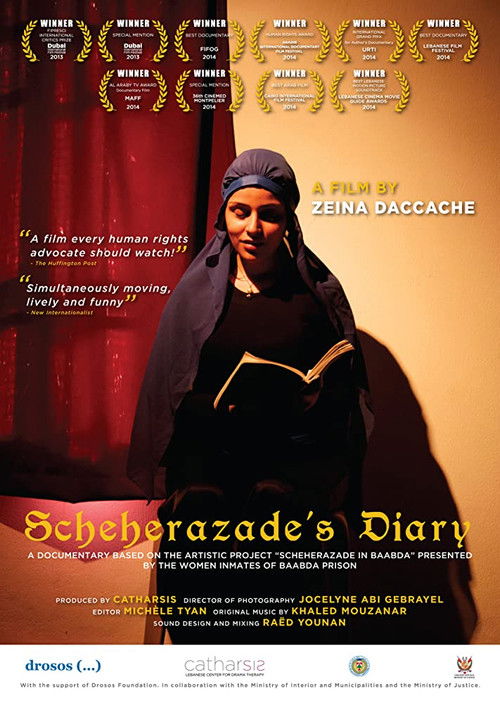
In 2012, after a 10 months drama therapy workshop, the women inmates of a Beirut prison presented their play Scheherazade in Baabda inside prison to the audience. This film follows the women during these 10 months. The women tell their stories showing how difficult it is to be a woman in Lebanon, and in general in the Arab world, which is governed by a patriarchal mentality. They convey the voices of all women who are imprisoned by oppressive mentalities which in many cases lead women to crime.
Scheherazade's Diary

How I Love You is an exploration of sexuality among gay men in Lebanon. A couple and three individuals talk about their sex lives, about commitments and failures, about their relationships to their bodies, about their passions and love in a society where homosexuality is still punished by imprisonment. The video uses light to produce a white veil that obstructs seeing, hence rendering character identification almost impossible. Through this obstruction, the video locates itself within a specific social context.
How I Love You
With EMBERS, Tamara Stepanyan’s first feature-length documentary, the director seeks to honour the memory of her late grandmother, whom she was named after. Stepanyan visits the elder Tamara’s hometown in Armenia, where she spends time with her grandmother’s circle of friends, who discuss their memories of daily life with Tamara, bringing to light their ideological and political viewpoints in the process. As the conversations progress, a dialogue emerges between past and present – between the Tamara of today and the Tamara of two generations ago, whose life was shaped by her experiences during World War II. Despite the absence of the film’s central subject, her presence is deeply felt through her impact on those who survived her. Stepanyan’s mourning the loss of someone close to her heart is acutely apparent; here, she faces down that sorrow with a bright tribute to a wonderful woman.
Embers
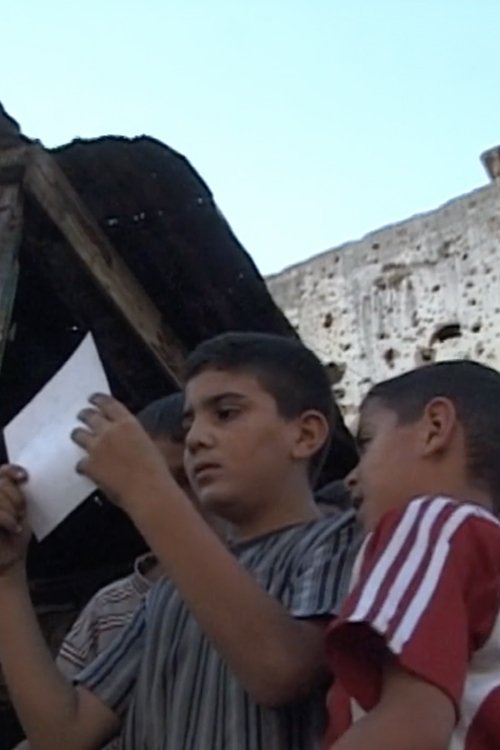
During the Lebanese civil war, thousands of people disappeared. In most cases, the bodies were not found and the circumstances of their disappearance never known. Today, I travel through Beirut, asking the inhabitants I encounter, one same question: Do you know anyone who was kidnapped here during the war? My investigation carries me through the many districts around the "Green line", which used to divide Beirut between East and West, and where militias set up their checkpoints, the scenes of many kidnappings, and crimes. I thereby attempt to trigger the process of memory and to reveal the multiplicity of existing discourses on the war and the immensity of the drama. As I cross town and discover places laden with history, I draw a personal map of this city.