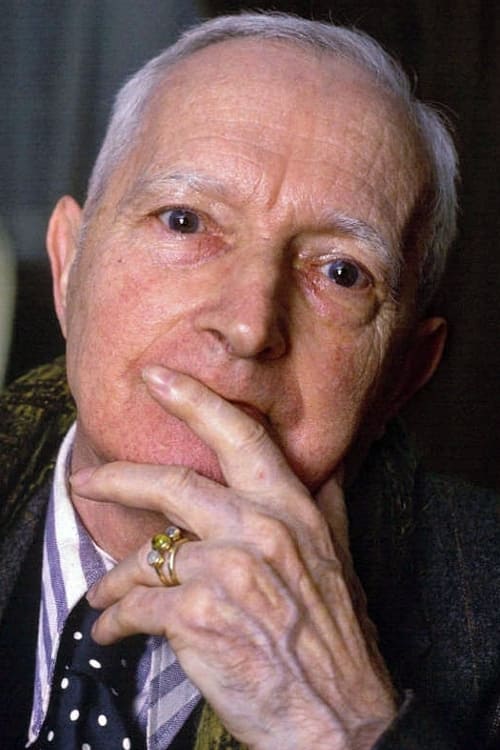
Jean Cayrol
Writing
Biography
Jean Cayrol (6 June 1911 – 10 February 2005) was a French poet, publisher, and member of the Académie Goncourt born in Bordeaux. He is perhaps best known for writing the narration in Alain Resnais's 1955 documentary film, Night and Fog. He was a major contributor to the subversive, philosophical French publication Tel Quel. In 1941, during the Nazi occupation of France, Cayrol joined the French Resistance, but he was subsequently betrayed, arrested, and sent to the Gusen concentration camp in 1943. He was one of the youngest French inmates at that camp, and consequently was made to do some of the hardest work along with the construction of roads and railways. When Cayrol wanted to die by refusing any further food, his life was saved by Johann Gruber, the "Saint of Gusen." Gruber gave Cayrol some "Gruber soup" in the washroom of barrack No. 20, and intervened for Cayrol to get him transferred to an easier job. Cayrol thereafter worked at the final-inspection of Steyr-Daimler-Puch at KL Gusen I (the "Georgenmuehle" command), where he was able to write literature during breaks. Between February 1944 and April 1945, Cayrol created a large volume of poetry at Gusen I. One of his poems from this era is the text for "Chant d'Espoir", which was set to music by a fellow Gusen I inmate, Remy Gillis, in 1944. Alerte aux ombres 1944–1945, a collection of Cayrol's Gusen texts, was published in 1997. The figure of Lazarus appears many times in Cayrol's work. Having escaped death himself, Cayrol was fascinated and inspired by the story of Lazarus who died, who Jesus returned to life after being dead. Cayrol founded and edited for ten years (1956–66) the review Ecrire, published by Éditions du Seuil, who had recruited him as an editorial adviser in 1949. He retired to Bordeaux, where he died at the age of 93. Source: Article "Jean Cayrol" from Wikipedia in English, licensed under CC-BY-SA 3.0.
Known For

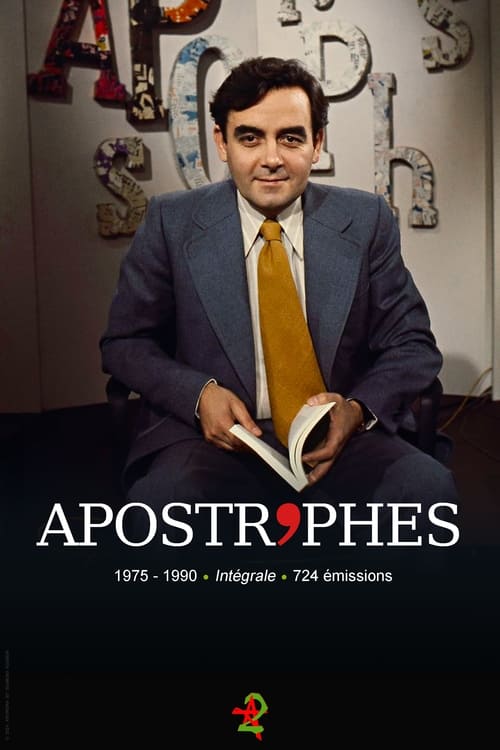
Apostrophes was a live, weekly, literary, prime-time, talk show on French television created and hosted by Bernard Pivot. It ran for fifteen years (724 episodes) from January 10, 1975, to June 22, 1990, and was one of the most watched shows on French television (around 6 million regular viewers). It was broadcast on Friday nights on the channel France 2 (which was called "Antenne 2" from 1975 to 1992). The hourlong show was devoted to books, authors and literature. The format varied between one-on-one interviews with a single author and open discussions between four or five authors.
Apostrophes

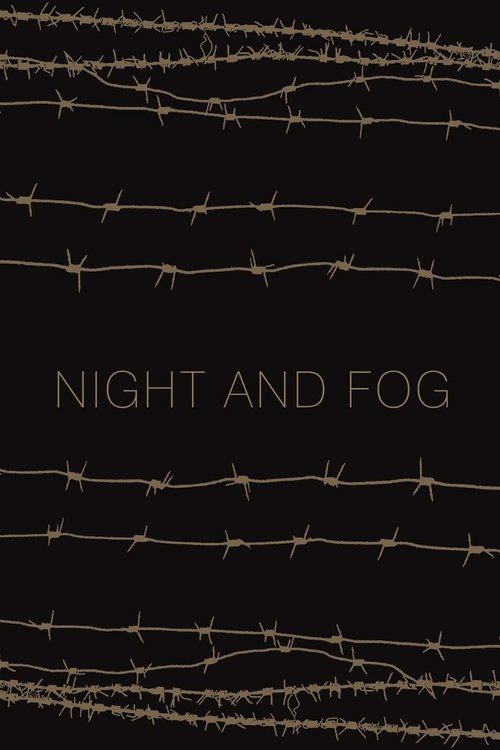
Filmmaker Alain Resnais documents the atrocities behind the walls of Hitler's concentration camps.
Night and Fog

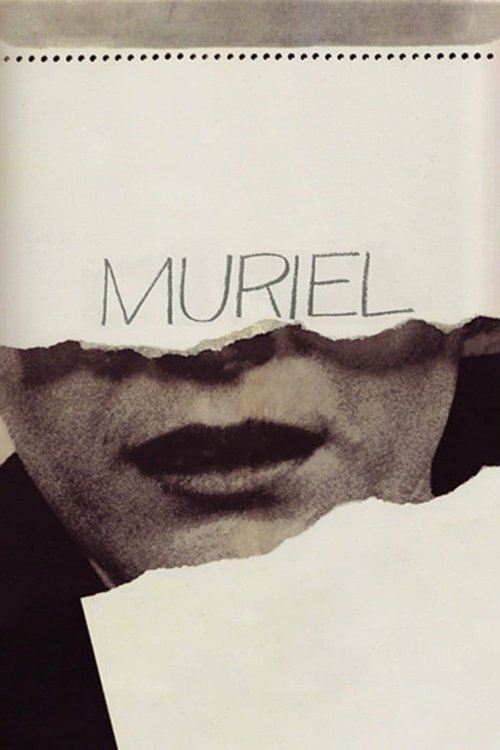
In the seacoast town of Boulogne, antique furniture saleswoman Hélène lives with her stepson, Bernard, who's back from military duty in Algiers. An old lover of Hélène's comes to visit, Alphonse, with his niece Françoise; he too is back from Algiers, where he ran a café. Bernard speaks of his fiancée, Muriel, whom Hélène has not met. The past is obscured by guilt, misperceptions, and missed possibilities. Appearances deceive, things change. As Hélène and Alphonse try to sort out a renewal, everyone seems off-kilter just enough to hint that all cannot end well.
Muriel, or the Time of Return

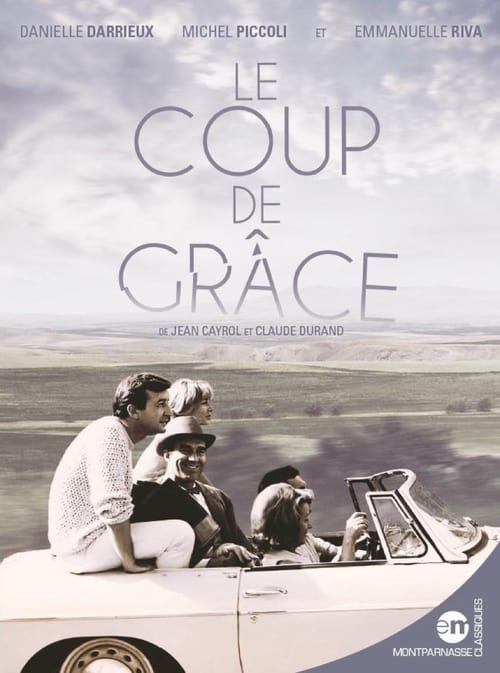
During WWII, Bruno gave away many people to the Gestapo. Now, 25 years after, with a new face given by plastic surgery, he is back and becomes friend with his victims' relatives and friends...
Le Coup de grâce
Dedicated “to the exiled, proscribed, expelled, banned,” this montage of documentary images codirected and written by Jean Cayrol—a former deportee who wrote the commentary for Alain Resnais’s Night and Fog —makes the Spanish Civil War a synecdoche for all forms of brutal exclusion.
La Frontière

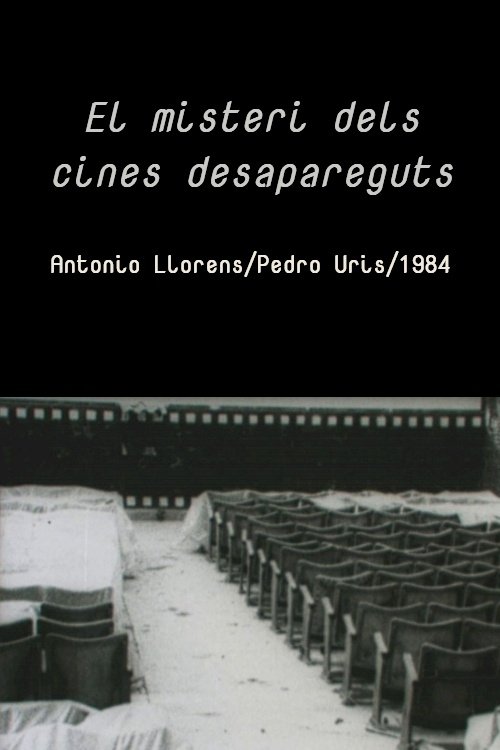
Documentary about the movie theaters in Valencia that, since the seventies, had been closed or turned into department stores and bingo halls; dream spaces of Valencian cinephilia such as the Cine Alameda.
El misteri dels cines desapareguts
A survivor from a concentration camp, seen from behind, walks along the remains of the Atlantic Wall. From a bunker to another he wanders in despair, still traumatized, still a stranger in a world that has become meaningless.