John Kramer
Directing
Known For
This series of seven one-hour films examines the nature, evolution and consequences of modern warfare. Filmed in ten countries, on two oceans, and with the co-operation of the armed forces of six nations, War features interviews with top-level NATO and Soviet military leaders and strategists, eminent historians and other professional observers of combat. Drawing as well on film and picture archives worldwide, with footage of important battlefields on three continents, this documentary series argues that war, an institution invented to settle disputes between nations, no longer serves its purpose. It concludes that nations must find other ways to resolve their differences. The on-camera host for the War series is Gwynne Dyer, Canadian international affairs analyst and military historian.
War
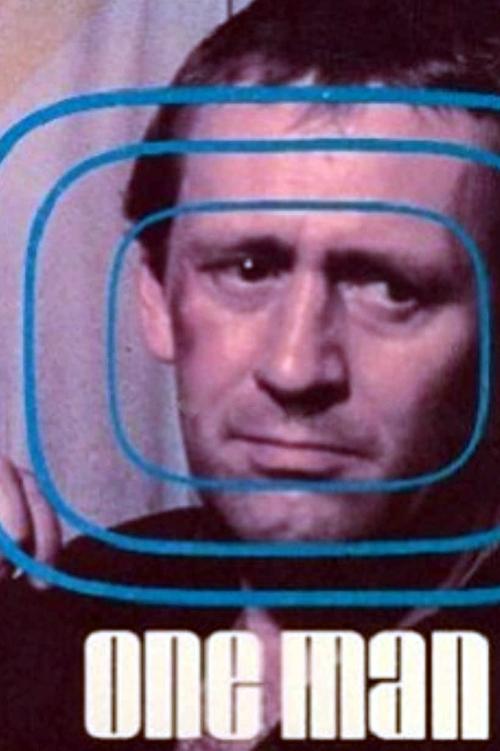
In this socially conscious drama, a TV journalist begins investigating a large factory that has been threatening the health of the children who live in the town's poorest, most polluted section. Because of his investigation, he and his family are threatened by company thugs. He gets no help from his TV station as they are loathe to tangle with big business.
One Man
This film explores how Canada wavers between rejection and acceptance of closer ties with the United States, tracing the historical precedents of current issues between the two nations. Canada continues to question her identity despite the influence of a powerful neighbour.
The Relationship
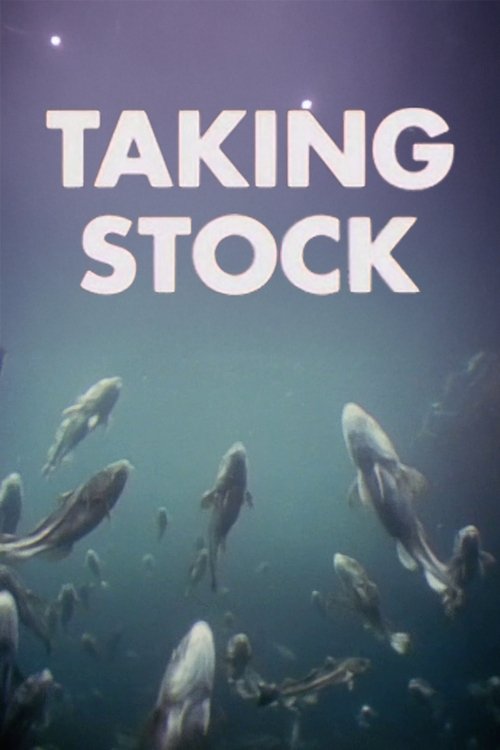
The cod fishery off the east coast of Newfoundland was a way of life, the backbone of society -- until it collapsed. A review of the history leading up to the crisis and the subsequent call for a moratorium of the northwest Atlantic cod fishery.
Taking Stock
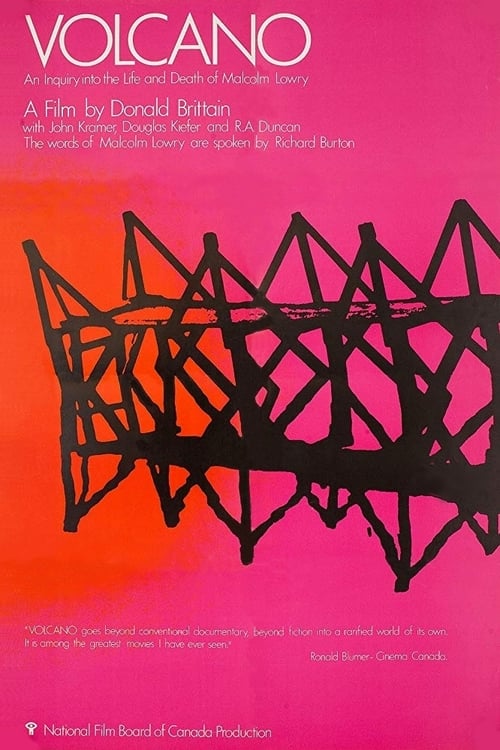
This feature-length Oscar®-nominated documentary focuses on Malcolm Lowry, author of one of the major novels of the 20th century, Under the Volcano. But while Lowry fought a winning battle with words, he lost his battle with alcohol. Shot on location in four countries, the film combines photographs, readings by Richard Burton from the novel and interviews with the people who loved and hated Lowry, to create a vivid portrait of the man.
Volcano: An Inquiry into the Life and Death of Malcolm Lowry
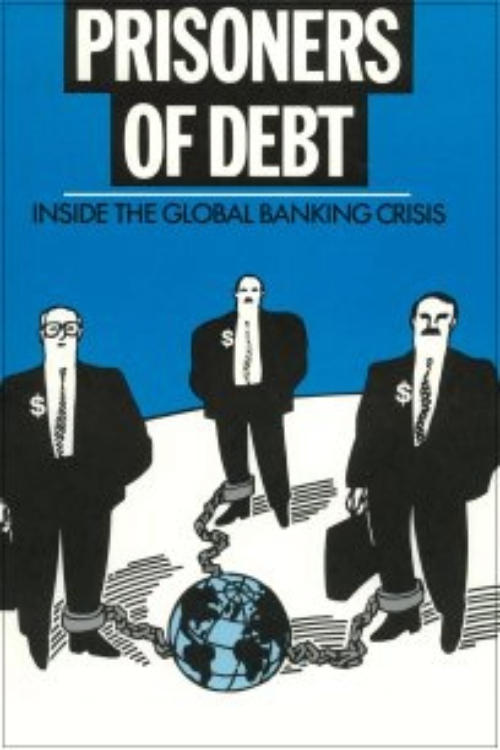
This feature documentary reveals how Bank of Montreal chairman William Mulholland dealt with his debt-laden customers Dome Petroleum and Mexico during the global debt crisis of '82. Interviews with bankers and financial experts demystify the causes of debt crisis, confirm the fragility of the international banking system and outline the problems to be solved if the system is to survive.
Prisoners of Debt: Inside the Global Banking Crisis
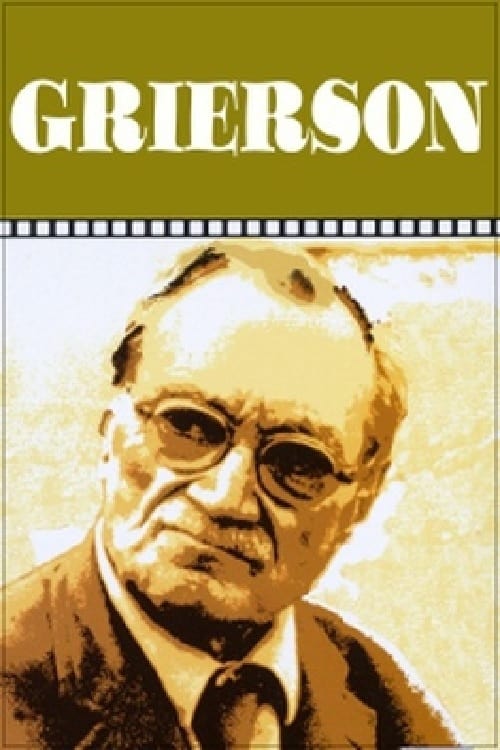
A portrait of John Grierson, the first Canadian Government Film Commissioner and founder of the National Film Board in 1939. Interweaving archival footage, interviews with people who knew him and footage of Grierson himself, this film is a sensitive and informative portrait of a dynamic man of vision. Grierson believed that the filmmaker had a social responsibility, and that film could help a society realize democratic ideals. His absolute faith in the value of capturing the drama of everyday life was to influence generations of filmmakers all over the world. In fact, he coined the term 'documentary film'.
Grierson
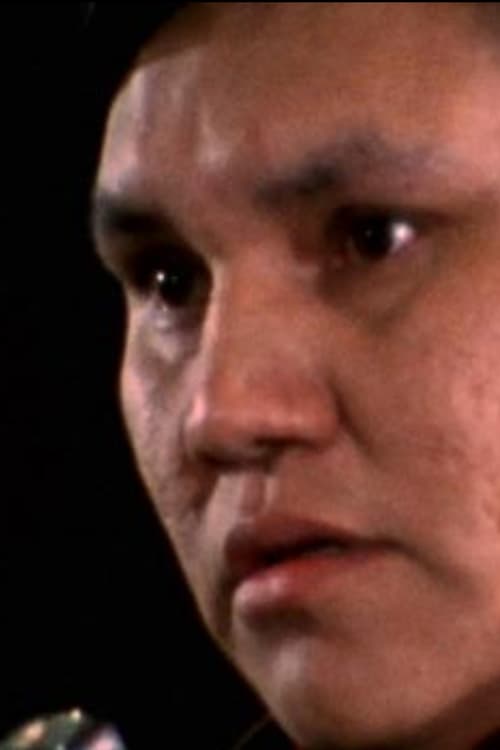
At twenty-six, Noel Starblanket was one of the youngest Indigenous chiefs in North America--twice elected chief of the Starblanket Reserve, and also elected vice-president of all-Saskatchewan Indigenous organization. His great-grandfather's advice was to "learn the wit and cunning of the White man." That he did. Here he is seen in action, a chief with a briefcase, working with government officials for grants, running for public office, talking down his opposition, and solving the domestic problems of his reserve.
Starblanket
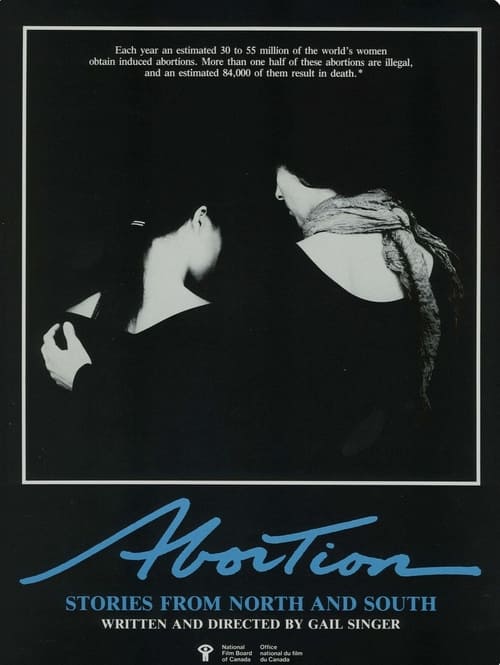
Women have always sought ways to terminate unwanted pregnancies, despite powerful patriarchal structures and systems working against them. This film provides a historical overview of how church, state and the medical establishment have determined policies concerning abortion. From this cross-cultural survey--filmed in Ireland, Japan, Thailand, Peru, Colombia, and Canada--emerges one reality: only a small percentage of the world's women has access to safe, legal operations.
Abortion: Stories from North and South
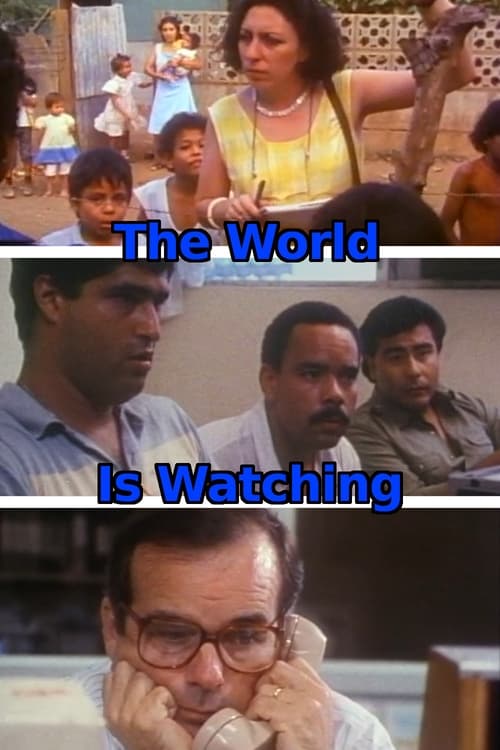
The World is Watching is a political film about the moral issues surrounding news gathering and newsmaking in the electronic age. Who decides what constitutes the news? How do they decide? And what about the men and women who report from the field. Are foreign correspondents allowed to tell all that they see? The film examines these complex issues by focusing on several international journalists in Nicaragua as they cover the negotiations surrounding the Arias Peace Plan in November 1987. With unprecedented access to the inner workings of ABC News, what follows is a unique portrait of a news crew in the field, as it interacts with the editorial process in the newsroom in New York City.
The World Is Watching
An incident from the early days of Québec's quiet revolution, tailor-made for the cartoonist. It is the story of a Montréal commuter train, a unilingual ticket collector and a bilingual passenger. The passenger appears on screen himself to describe his bid to have tickets requested in French as well as in English. What ensued, and how even the railway president became involved, is illustrated with wit and humor.
Tickets s.v.p
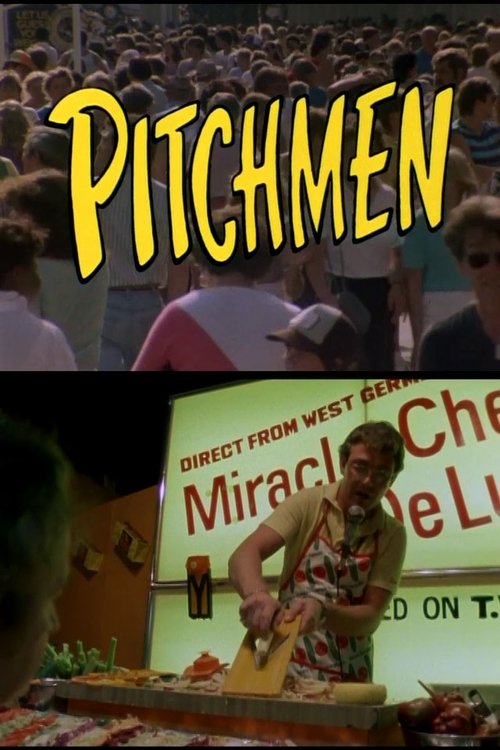
If you've ever bought a wonder wallet, a food slicer, a canapé maker, a patty stacker, a miracle brush or a super knife, you may know that the CNE, the Calgary Stampede, and virtually every home show, car show, craft show, fall fair and ploughing match in Canada has at least one thing in common. At hallway intersections and bleacher exits work the second cousins of the carnival barker, the crowd pleasers and teasers, jugglers of people, product and pitch: the point-of-sales professionals known as pitchmen. This documentary looks at the psychology of the impulse sale and provides a view of the world of commerce, salesmanship and advertising at the grass-roots level. The men and women featured in the film have mastered the fine art of selling everything you never needed. Shot at fairs and on the set of a late-night TV commercial, the film shows the hard work behind the hustle.
Pitchmen
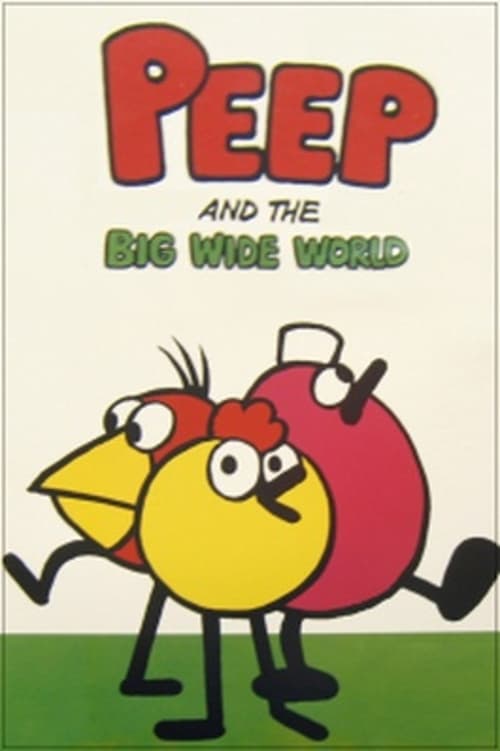
Peep the chicken ventures out on an adventure into the Big Wide World and makes some friends along the way. Narrated by Peter Ustinov, this 1988 short film commissioned by the National Film Board of Canada comprises three short stories starring Peep the chicken, Quack the duck, and Chirp the Robin, and eventually served as the inspiration for an ongoing 2004 animated series.
Peep and the Big Wide World
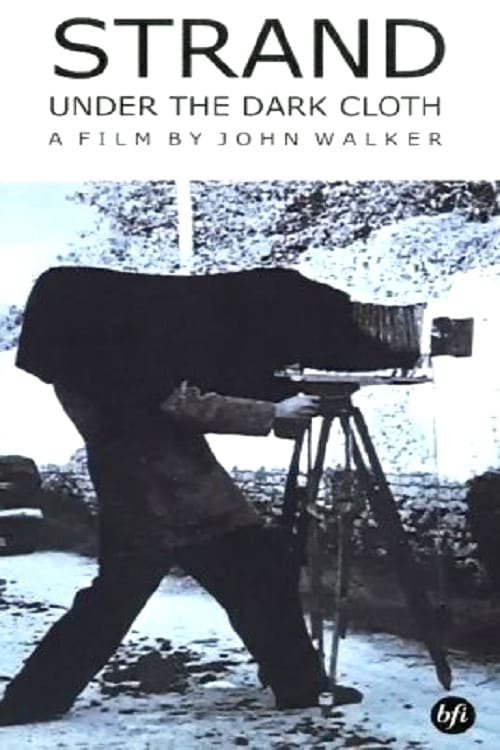
This documentary studies the life and artwork of photographer Paul Strand, using his own compelling photography as well as interviews with his friends, acquaintances and third wife. Documentarian John Walker explores the various influences Strand encountered throughout his life that helped him to develop as an artist. His personal life and relationships are examined and shed light on the inner working of this man who achieved great renown while hiding "under the dark cloth."
Strand, Under the Dark Cloth

From a quiet, neglected corner of Nova Scotia, a meeting with the Black community that shows both the traditional attitudes of the older generation and the more alert, resolved stance of the young. The old still pin their hopes on the church and the preacher, while the young look more towards the Black United Front and its roving director. For both generations change is a challenge. The common hope is for a fuller life.
Seven Shades of Pale
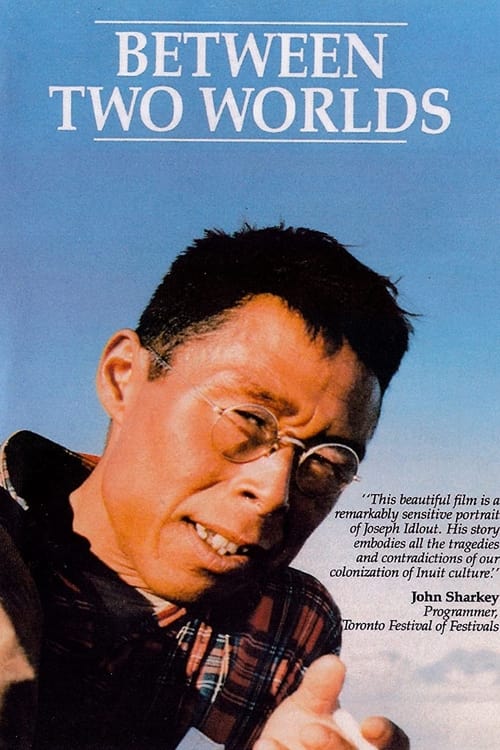
This feature film is a documentary portrait of Joseph Idlout, a man who was once the world's most famous Inuit. Unknown to most Canadians today, Idlout was the subject of many films and books, and one of the Inuit hunters pictured for many years on the back of Canada's $2 bill. In this film Idlout's son, Peter Paniloo, takes us on a journey through his father's life - that of a man caught "between two worlds."
Between Two Worlds
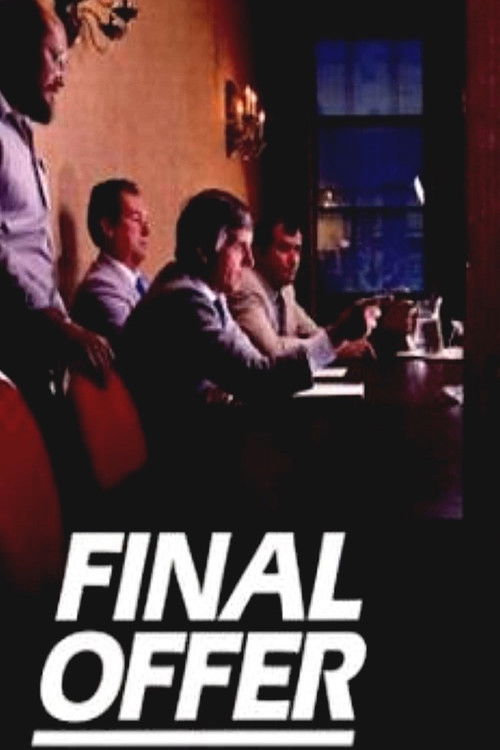
The filmmakers were given remarkable freedom to record the historic 1984 contract negotiations between the United Auto Workers and General Motors Corporation. Bob White, labour leader of the Canadian branch of the UAW, must also confront his American counterpart from Detroit and succeeds in arriving at a contract that is significantly Canadian. His members had already given him a mandate to fight for independence from the American union. This is an invaluable document for anyone interested in the complexities of United States-Canada relations. It's an extraordinary film about revolutionary events.
Final Offer
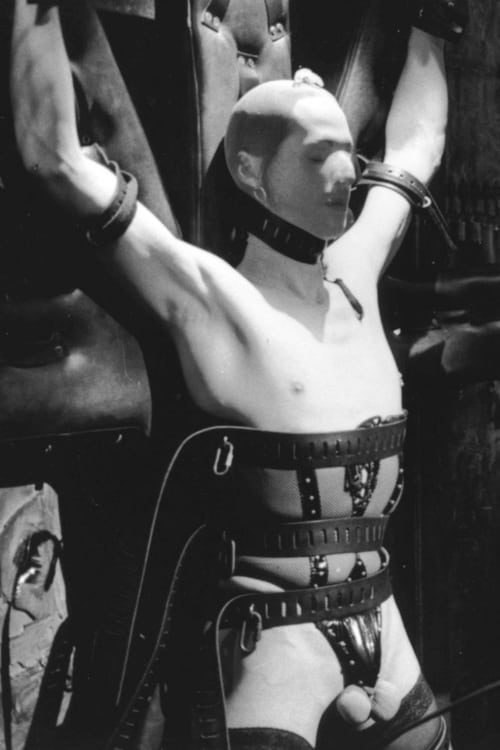
Analysis of sadomasochism and our obsession with power through the centuries.
Tops & Bottoms
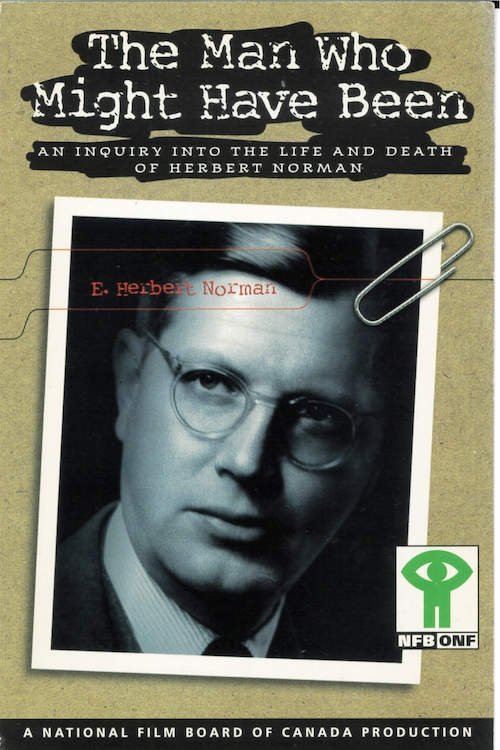
On April 4, 1957, Herbert Norman, the Canadian ambassador to Egypt, leapt to his death from a Cairo rooftop. During his remarkable life, Norman helped set the course of post-war Japan and played a key role during the Suez crisis. But with all of his talents and achievements, there was something haunting Herbert Norman and following him to every corner of the globe: the accusation that he was a Soviet spy. This documentary takes us back to a time when the Cold War was heating up and when the mere accusation of communist sympathies could destroy a man's career. Using de-classified documents, interviews with key players and dramatizations filmed around the world, the film reconstructs the ordeal that Norman endured for seven long years, as a US Senate subcommittee relentlessly probed his past beliefs and current loyalties.
The Man Who Might Have Been: An Inquiry Into the Life and Death of Herbert Norman
No description available.