Yoshihiro Kato
Acting
Biography
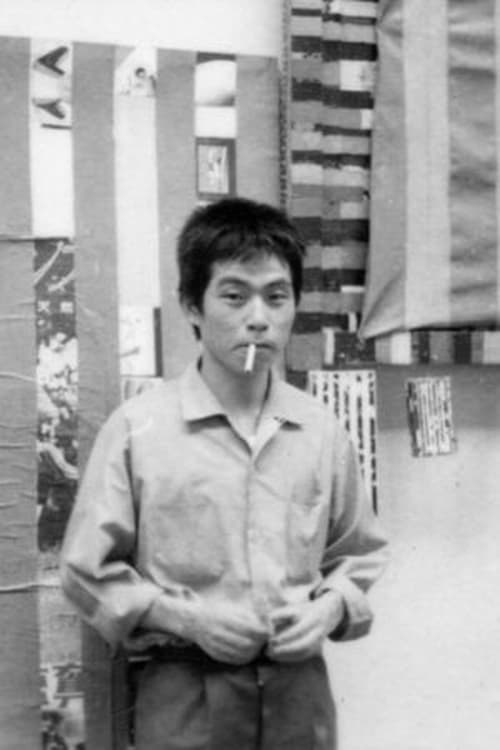
Yoshihiro Katō (1936-2018) was an artist and one of the founding members, along with Shinichi Iwata, of the avant-garde arts group Zero Jigen (Zero Dimension) in the early 1960s. Beginning with Haitsukubari kōshin (Crawling Procession), staged in January 1963 in the Sakae district of Nagoya, over a long period of time they executed an extraordinary number of performances known as “Rituals” in Tokyo and elsewhere.
Known For

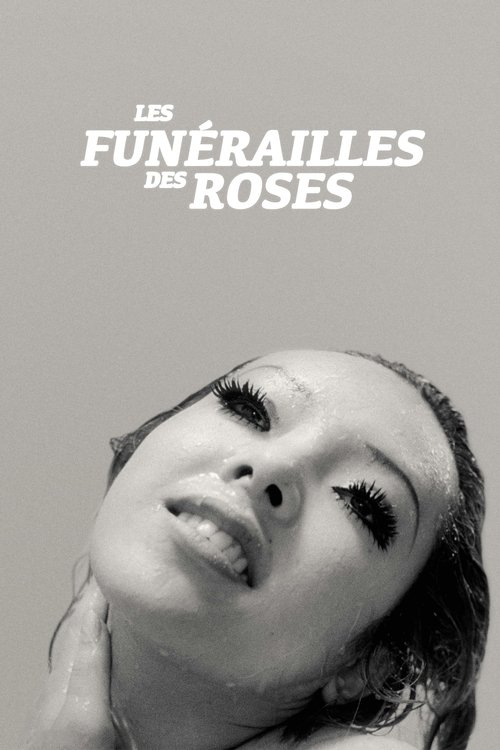
In 1960s Tokyo, Gonda owns a bar in which the gay, cross-dresser, and trans scenes meet. Gonda is in a relationship with the madam of the bar, Leda. As the younger Eddie starts a passionate affair with Gonda, she ignites the jealousy of Leda, unaware of another kind of history between them.
Funeral Parade of Roses

A young man reaches adolescence and escapes the nunnery where he survived a tortured upbringing; the world outside suddenly seems even more frightening than before.
The Deserted Archipelago

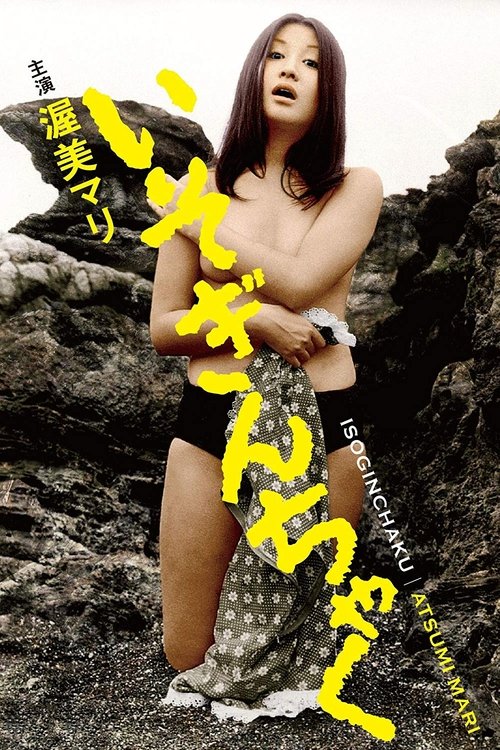
The story of a sexy girl with a passion for attracting men and counting the money she entices from them with her body.
The Sea Anemone

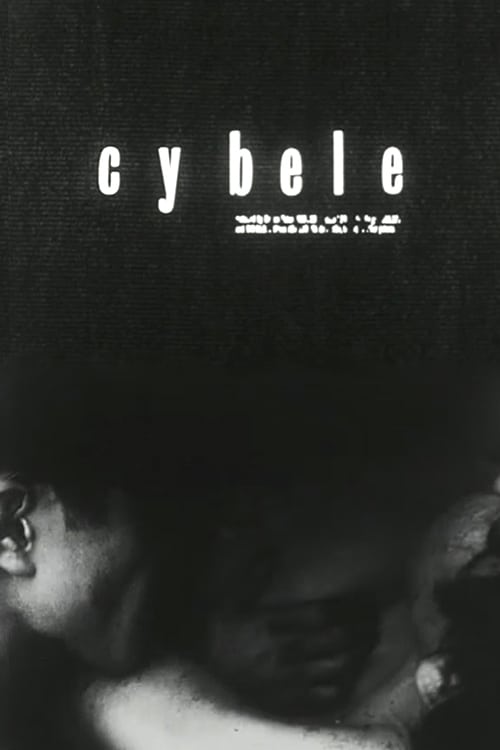
A documentary of an avant-garde theatre performance, presents an orgiastic rite of sex, degradation, and bloody sacrifice, performed by Zero-Jigen.
Cybele: A Pastoral Ritual in Five Scenes

After the Expo ’70 Destruction Joint-Struggle Group disbanded, Katō released Brahmin (Burāmin, 1971-76).
Brahmin

The White Hare of Inaba is a film directed by Katō Yoshihiro, a central member of Zero Jigen, with cinematography by the filmmaker Ōe Masanori. Drawing on the Japanese myth of the white hare of Inaba, it presents a white hare (i.e. woman) leaping across waters full of ferocious sharks (i.e. male-dominated society), presenting a vision for a new era while capturing on film the joy of human beings’ inherent Eros and a new mode of “family” that breaks free of feudalistic social constraints.