Directing
Play for Today is a British television anthology drama series, produced by the BBC and transmitted on BBC1 from 1970 to 1984. During the run, more than three hundred programmes, featuring original television plays, and adaptations of stage plays and novels, were transmitted. The individual episodes were between fifty and a hundred minutes in duration.
Jack Frost is a gritty, dogged and unconventional detective with sympathy for the underdog and an instinct for moral justice who attracts trouble like a magnet. Despite some animosity with his superintendent, Norman “Horn-rimmed Harry” Mullett, Frost and his ever-changing roster of assistants manage to solve cases via his clever mind, good heart, and cool touch.
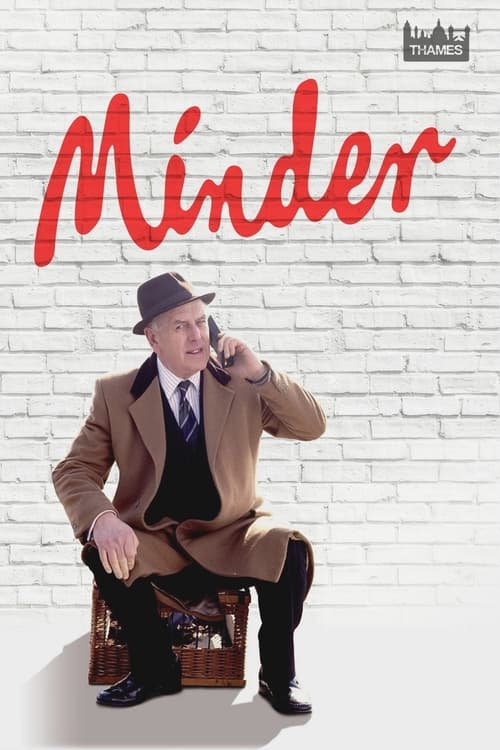
Roguish comedy drama following the misadventures of small-time crook Arthur Daley.
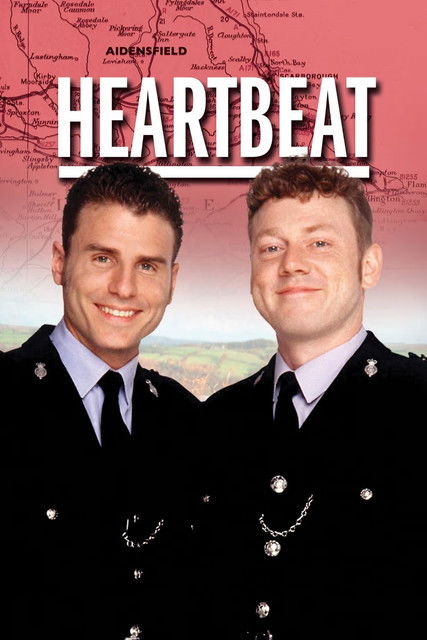
Set during the 1960s in the fictional North Yorkshire village of Aidensfield, this enduringly popular series interweaves crime and medical storylines.
A one-hour anthology television series of one-off contemporary and classic dramas produced by the BBC.
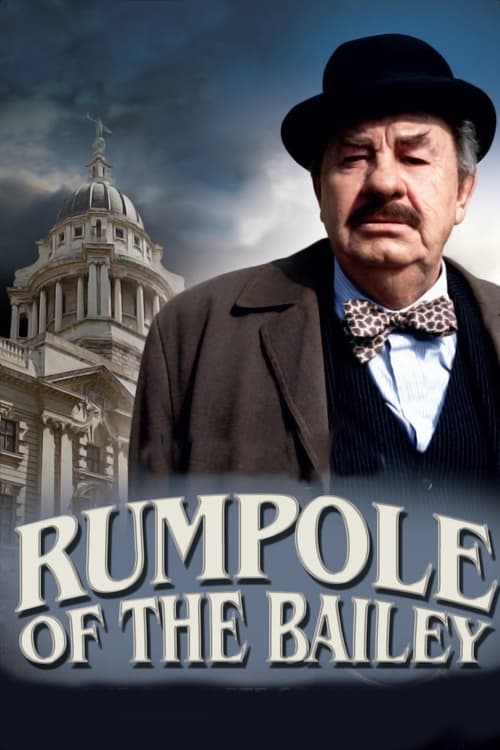
Rumpole of the Bailey is a British television series created and written by the British writer and barrister John Mortimer. It stars Leo McKern as Horace Rumpole, an aging London barrister who defends any and all clients, and has been spun off into a series of short stories, novels, and radio programmes.
Screenplay was a drama anthology television series, broadcast on BBC between 1986 and 1993. Numerous episodes were produced including one named "Boswell and Johnson's Tour of the Western Islands" starring Robbie Coltrane as English writer Samuel Johnson who in the autumn of 1773, visits the Hebrides off the north-west coast of Scotland. That episode was directed by John Byrne and co-starred John Sessions and Celia Imrie.
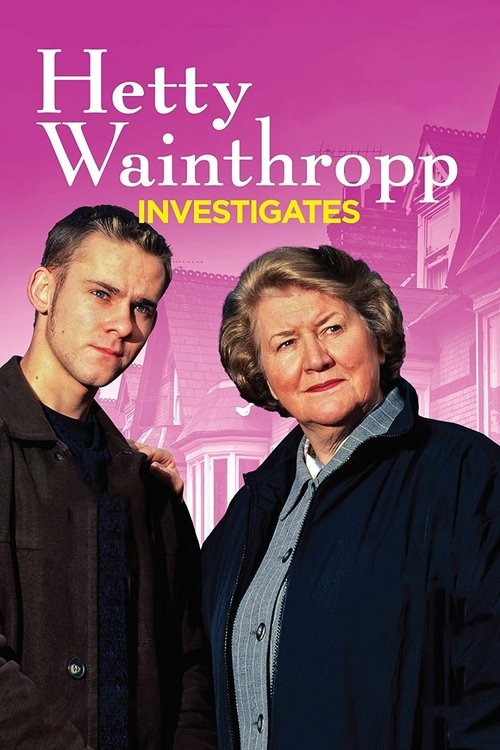
Instead of spending her golden years lying down, the indomitable Hetty Wainthropp found her calling late in life. Combining common sense, her husband, and her pocketbook, this senior sleuth takes on all the cases the police deem too minor.
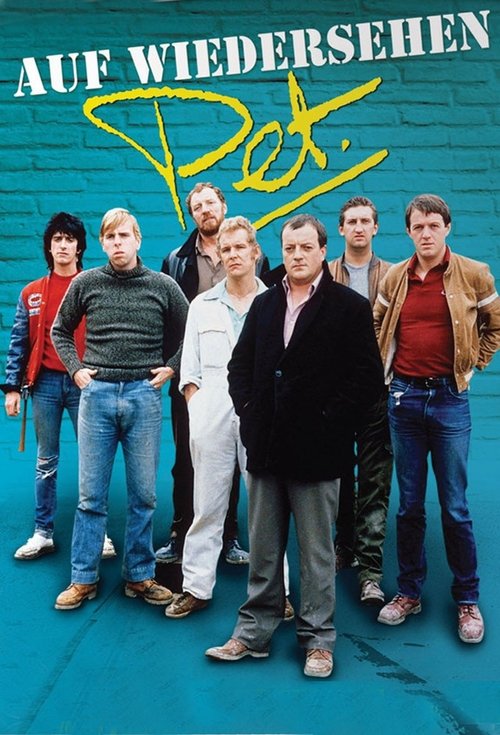
Seven British construction workers escape Britain's ever growing dole queues and travel to Germany to work on a site in Dusseldorf. We follow their trials and tribulations of working away from home and away from the women they left behind.
A series of anthologies highlighting the initial projects of directors venturing into television drama filmmaking.
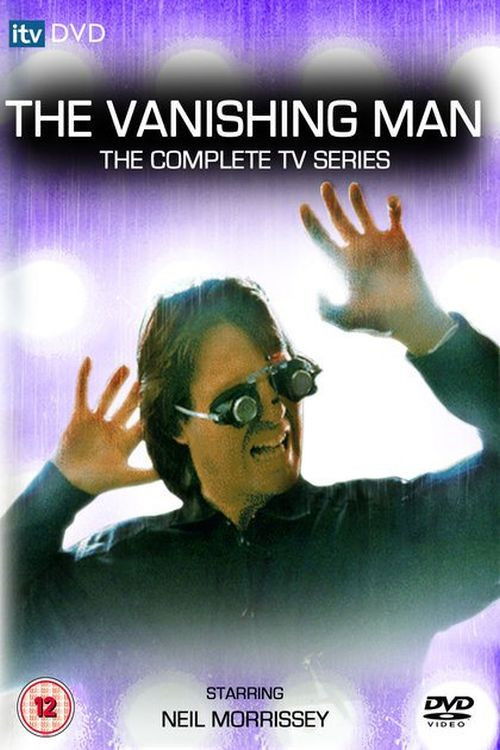
The Vanishing Man is a 1998 British television programme created by Anthony Horowitz for ITV, and starring Neil Morrissey as Nick Cameron, wrongly imprisoned for smuggling plutonium, who used it for medical research – it turns him invisible when in contact with water. Having escaped from prison, his powers are then utilised by a government agency. The six-episode series is a sequel to the 1997 TV movie of the same name.
Tickets for the Titanic was a British anthology series of television plays, transmitted on Channel 4, that ran for two three-episode seasons in 1987 and 1988. The title came from the concept of Britain in the mid/late-1980s being a sinking ship. The series was produced by William G Stewart, and made by his company, Regent Productions.
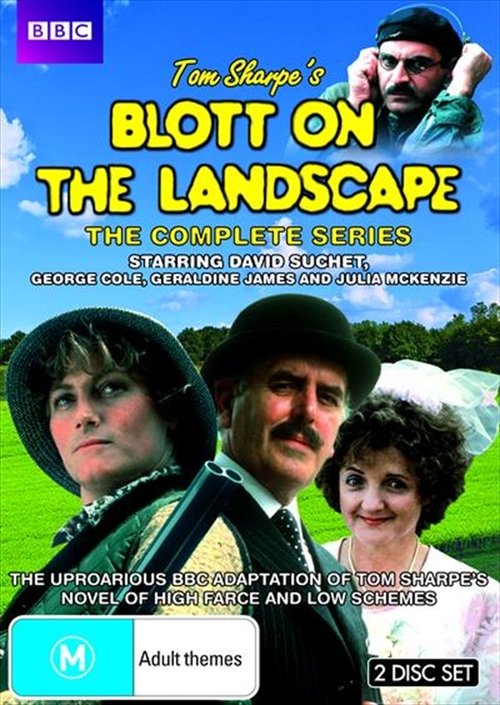
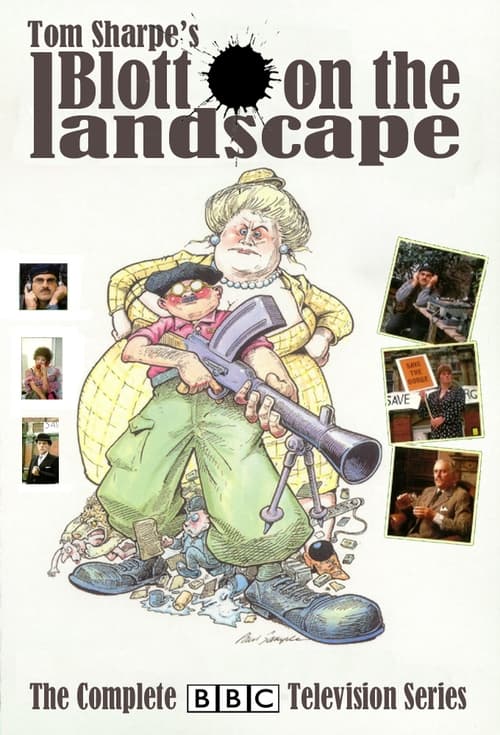
A thwarted Lady Maud runs off to her solicitor to start divorce proceedings and that gives Sir Giles his bright idea-why not run the proposed bypass for the area through their very own Cleene Gorge, thereby wrecking Lady Maud's ancestral home and copping rather a lot of compensation from the government to boot? Witness the frolics of the bumbling dundridge - the Y-front clad man from the ministry, Sir Giles' versatile Mrs Forthby - Mediterranean harlot and naughty schoolgirl extraordinaire, not forgetting Blott himself, gardener and mystery man, casting his enigmatic eye over the eccentricities of the great British aristocracy... Starring, George Cole, Geraldine James, David Suchet, Simon Cadell and Julia McKenzie
A new Earl, Michael Anstey, returns to England from Hong Kong to restore his family's estate.
Every Good Boy Deserves Favour is a stage play by Tom Stoppard with music by André Previn. It was first performed in 1977. The play criticizes the Soviet practice of treating political dissidence as a form of mental illness. Its title derives from the popular mnemonic used by music students to remember the notes on the lines of the treble clef. The filming was undertaken at a live performance at Wembley Conference Centre in April 1978, conducted by Previn.
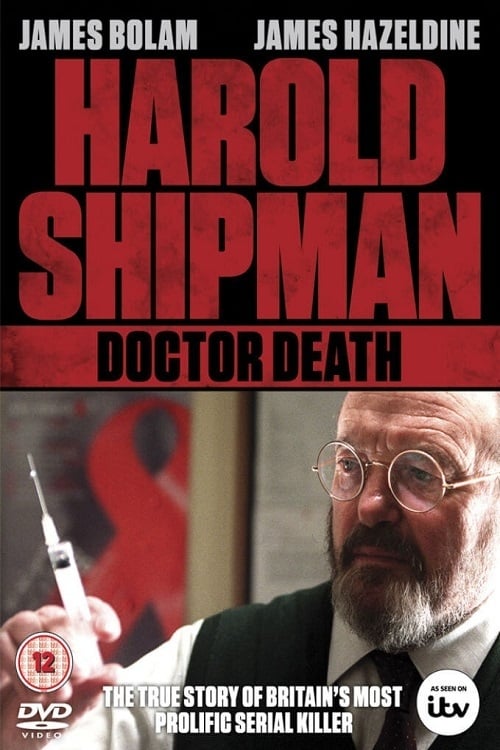
James Bolam portrays serial killer Dr. Harold Shipman in this made-for-TV drama. The film follows the story of Shipman, a general practitioner who throughout his career is believed to have killed as many as 250 of his patients. When the high death rate of his practice was investigated, it was discovered that he had given lethal doses of diamorphine to a vast number of his patients. He was put on trial where he was convicted of 15 murders and sentenced to life imprisonment.
Bawdy adaption of Tom Sharpe's comic tale. A landowning MP attempts to have a motorway built through the grounds of his wife's ancestral home.
Cpl. George Hunn's sentry post is knocked over and he wakes to find he is suffering from frost bite of the face. Sent to hospital he is put on a ward with aircrew who have mental issues. He is trapped reenacting their missions at night.
Stephen (Paul Henley) works in a bank. A virgin, he shows no interest in sex, and is cruelly scorned by an aggressive female neighbour when he rebuffs her advances. He lives with his mother, an overbearing woman who mocks him for being wet. But Stephen has a secret – he likes to wear women’s clothing. When his horrified mother finds out, she takes him to meet a fellow cross-dresser to ‘solve’ the problem. But the meeting ends unexpectedly, when the other man realises that Stephen is not transvestite, but transsexual.
1972: striking miners converge on London's power stations. Among them, the huge, dignified figure of Joshua.