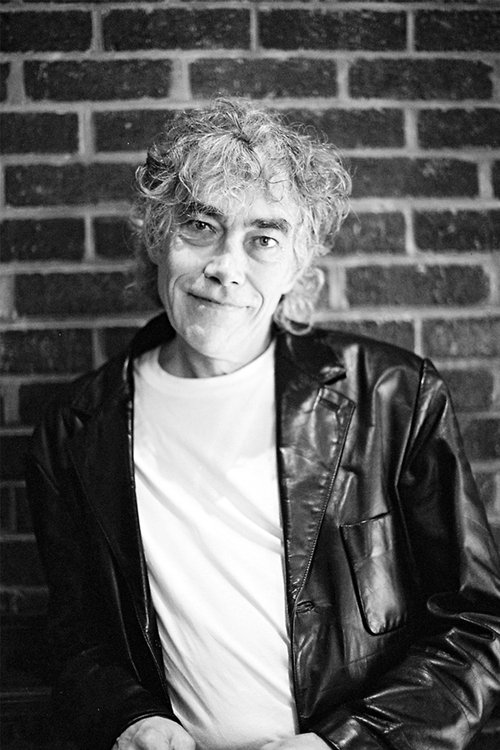
William Raban
Directing
Biography
William Raban is an artist filmmaker who has exhibited worldwide in both art and film contexts. Initially known for his landscape and expanded cinema films of the 1970s, Raban's landscape interests, were framed in the 80s towards a more historical and socio-political context: the history of London and the Thames.
Known For

Home movies shot on Super 8mm by W+B Hein over 10 years.
Home Movies 1971-81

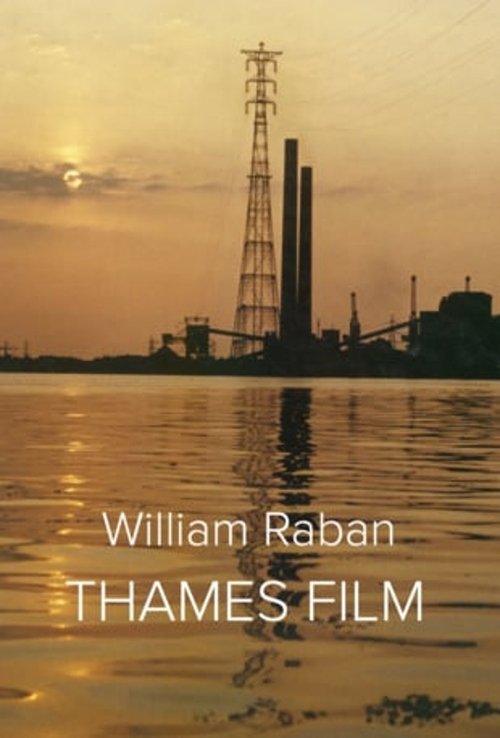
Experimental documentary following the flow of the Thames out of London to the sea.
Thames Film

Le déjeuner sur l’herbe is simultaneously perceived from four different camera positions in a work which engages with the pro-filmic in order to question documentation, illusion and the film viewing process.
After Manet, After Giorgione – Le Dejeuner sur l'Herbe or Fete Champetre
A camera recorded one frame every minute (day and night) for two separate three-week periods in autumn and spring. The film is shown on two adjacent screens, each having a soundtrack that was recorded on a sampling basis. The left hand screen was shot at the autumn equinox and the right-hand screen at the spring equinox. The structure of the film is based on the rotation and tilting of the earth as we pass from summer to winter and back. The centre of the film coincides with the equinox and is the point at which day and night are the same length on both the left and the right screen.
River Yar
Originally, this was a four-minute time-lapse film that was shot continuously over a twenty-four-hour period. The camera was positioned on a busy pathway in Regent's Park, and recorded three frames a minute. The shutter was held open for the twenty-second duration between exposures, so that on projection, individual frames merge together making the patterned flows of human movement clearly perceptible. The time-lapse original was then expanded by various processes of re-filming to reveal the frame-by-frame structure of the original. – William Raban
Broadwalk

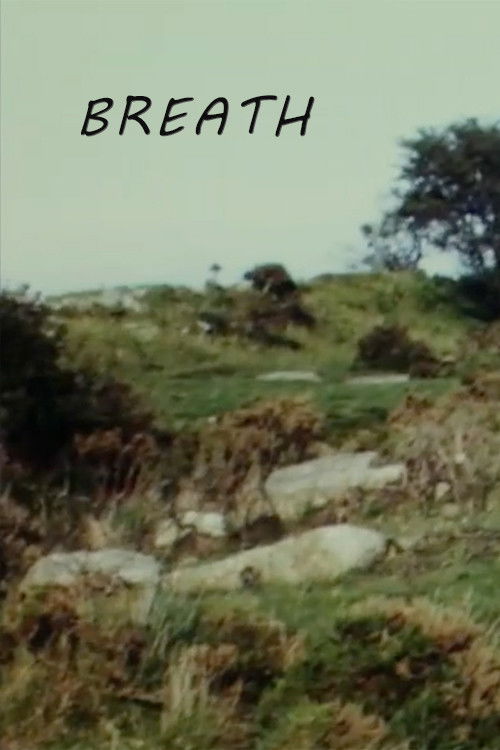
Shot in a remote part of Dartmoor, Breath is structured around a precise score. Three people are each given a camera loaded with 100ft of Kodachrome film and instructed to walk away from a tape recorder that has been placed within the landscape. The camera operators’ breath and whistling become a measure for the duration of the shots as they film their journey.
Breath

Whilst working on previous time-lapse films, I found that colour film tended to record the actual colour of the light source rather than local colour when long time exposures were used. Using this phenomenon, Colours of this Time records all the imperceptible shifts of colour temperature in summer daylight, from first light until sunset.
Colours of this Time

William Raban's Sundial (1992), shot in the same location as his film Island Race, combines strongly formal procedures with an equally emphatic political message, which is conveyed through careful juxtaposition of objects in the field of view.
Sundial

A documentary/art film inspired by the Charles Dickens essay "Night Walks."
The Houseless Shadow

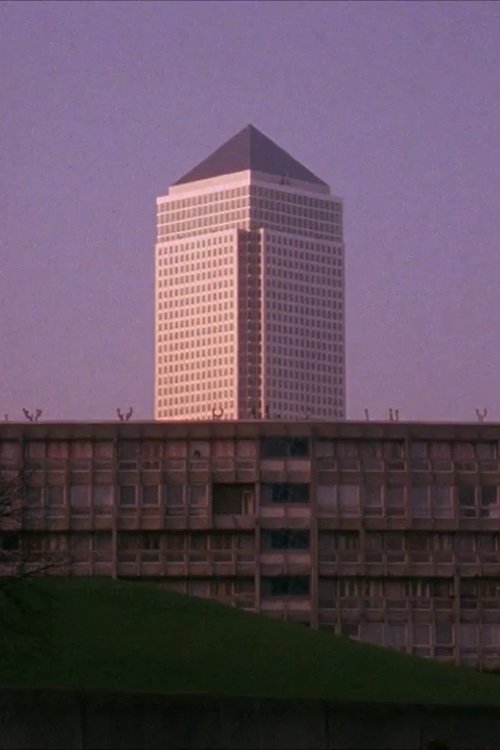
Shot from the 21st floor of the iconic Balfron Tower, the film takes in the city of London below. Filmed mostly in time-lapse with the camera tracking across this aerial field of view, the intention is to create a cinematic map that exposes the neural networks of the post-modern metropolis; producing a film that reveals the workings of London’s nervous system.
About Now MMX

A rapid time-lapse journey from the London Houses of Parliament to the English Channel near the port of Dover is offset by David Cunningham’s musical score composed from fragments of Margaret Thatcher’s Belgrano speech.
Civil Disobedience

Documentary about architectural structures in the UK.
MM
Made two months in advance of the referendum to decide whether the UK should remain within or leave the European Union, speculates on the outcome of the vote. This is a satirical fairytale – a political provocation that invites the audience to guess the outcome of the referendum to decide London’s fate
London Republic

Documentary about the surroundings of a skyscraper in London.
A. 13

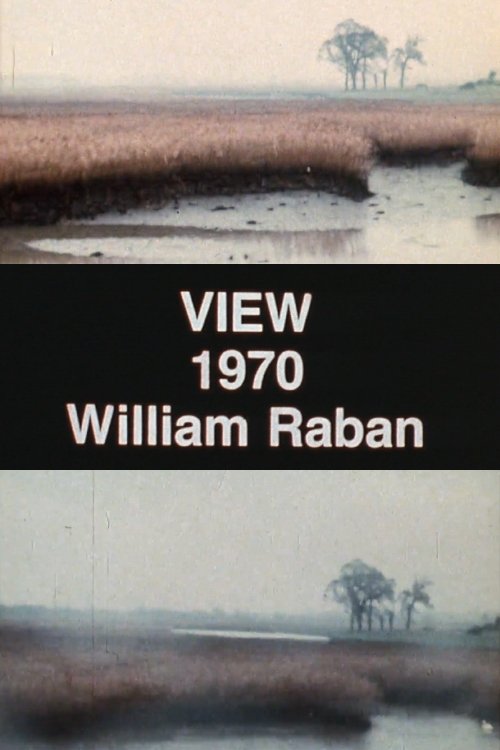
"The film alternates from recording in time-lapse (one frame every ten seconds) to running through the camera at 24 f.p.s. (regular speed). The film was made in a continuous heavy rainstorm, and the front element of the Angenieux lens accumulated drops of rain on its surface until the view became obscured. The bursts of film at normal speed occur just after the lens had been wiped dry to reveal the trees, marsh grass, and watersedge in clear sharp focus beyond" William Raban
View

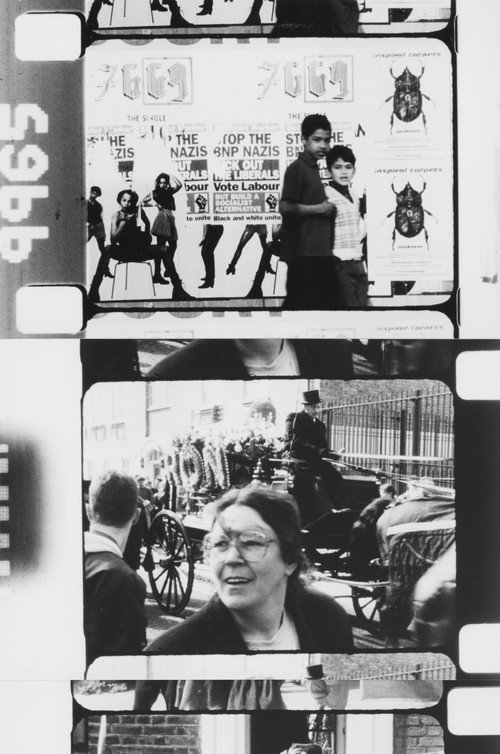
"ISLAND RACE contrasts everyday events with actions of right wing extremists, counter anti-racist demonstrations, the funeral of a gangland leader, and the jingoistic street parties celebrating Victory in Europe Day. Using only picture and sound, with no added commentary, Raban gives viewers the space to draw their own conclusions about the film’s portrayal of English national identity in the late 1990s." - Anthology Film Archives
Island Race
"For this short film event, the film is removed from the film feed reel, and is unwound, to span the space between the projector and screen. The projector starts, and the film snakes back through the audience, as it is consumed by the projector. The screen image is a film footage counter which measures the 'throw' of the cinema. (WR)"
Take Measure

The paradox of the present as a time that cannot be reflected upon until it has already become past, seems consistent with the idea of thinking about the passage of time as the movement within a wave, where the individual particles of water remain static despite an illusion of movement upon the surface. Might not the succession of events in daily life pertain to a similar form of illusory movement? Time and the Wave engages with this paradox by focusing on key London events filmed in 2012 and 2013: the opening of Westfield Shopping Centre at Stratford, the Saint Paul's Occupy movement, the Queen's Jubilee Thames pageant and the funeral of Margaret Thatcher to expose the condition of this country in the time of crisis of late capitalism.
Time and the Wave

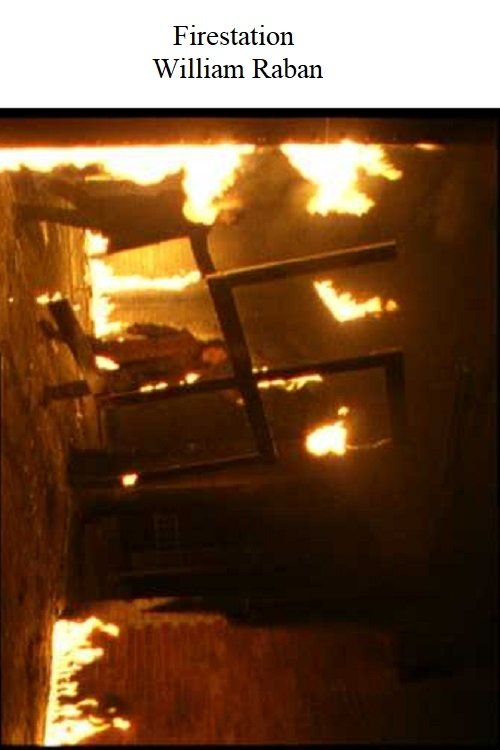
This film documents the transformation of a derelict fire station into studio and living spaces for artists. The opening of the restored building is celebrated in performances and installations by its new occupants. In common with Raban’s films that reflect upon different aspects of the changing face of London’s East End, this tightly structured film-poem confronts the present with the past: the building’s war-time role is recalled in archival images, and by women who served in it as Auxiliary Fire Service officers.
Firestation

Raban layers recordings of successive film performances in which he stands before a projection, states the date and time, and says "A camera is filming the audience watching yesterday's audience watching the blank screen. Sounds of the projection and the audience's responses are being recorded."