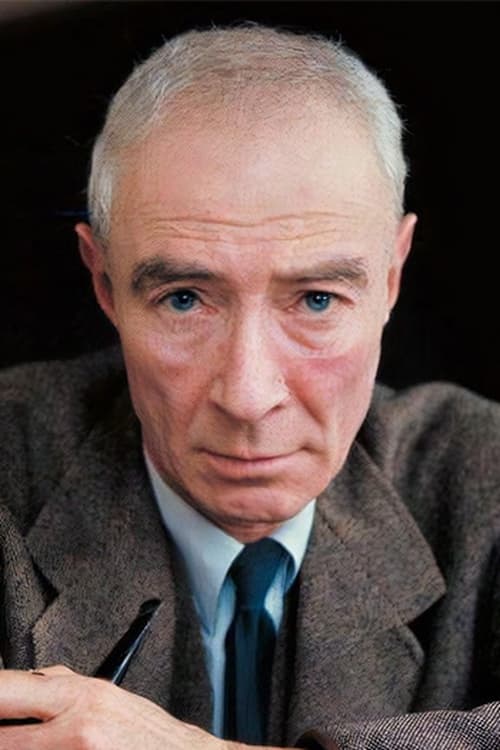
J. Robert Oppenheimer
Acting
Biography
J. Robert Oppenheimer was an American theoretical physicist. A professor of physics at the University of California, Berkeley, Oppenheimer was the wartime head of the Los Alamos Laboratory and is often credited as the "father of the atomic bomb" for his role in the Manhattan Project – the World War II undertaking that developed the first nuclear weapons. Oppenheimer was among those who observed the Trinity test in New Mexico, where the first atomic bomb was successfully detonated on July 16, 1945.
Known For

No description available.
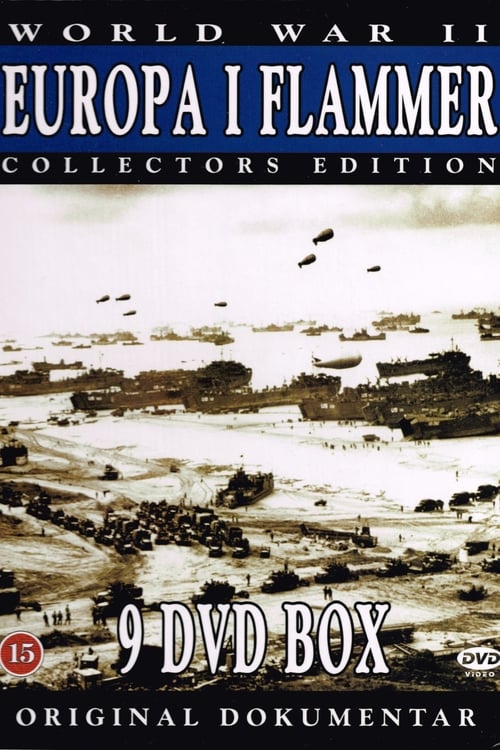
Crusade in Europe

Explore how one man's relentless drive and invention of the atomic bomb changed the nature of war forever, led to the deaths of hundreds of thousands of people and unleashed mass hysteria.
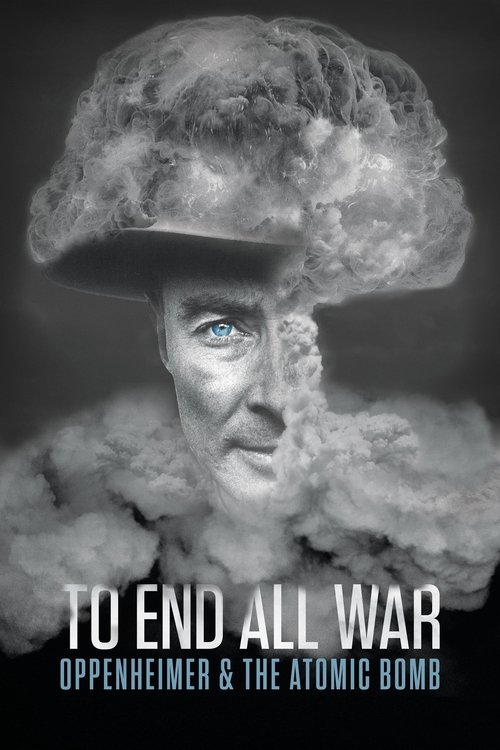
To End All War: Oppenheimer & the Atomic Bomb

The documentary recounts the world's first nuclear attack and examines the alarming repercussions. Covering a three-week period from the Trinity test to the atomic bombing of Hiroshima, the program chronicles America's political gamble and the planning for the momentous event. Archival film, dramatizations, and special effects feature what occurred aboard the Enola Gay (the aircraft that dropped the bomb) and inside the exploding bomb.
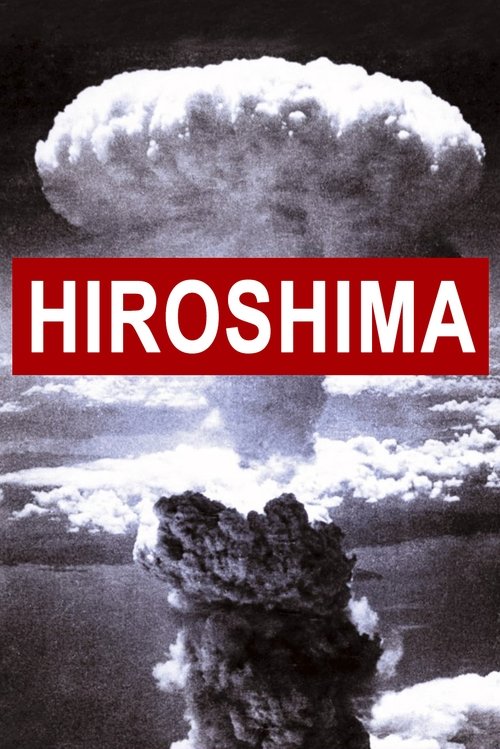
Hiroshima

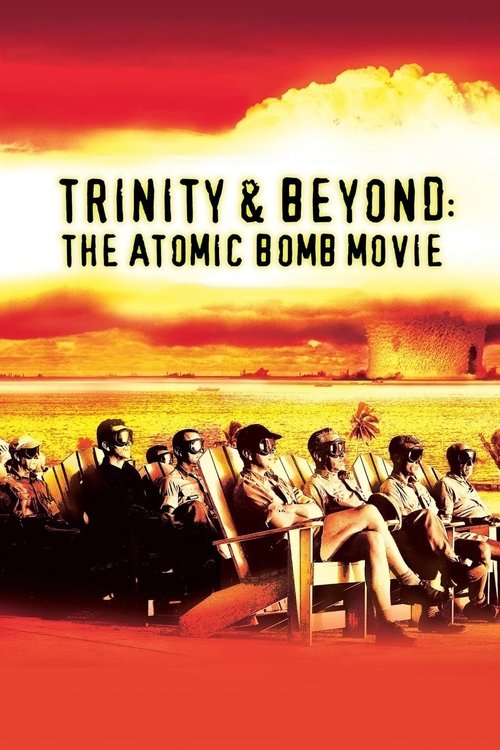
"Trinity and Beyond" is an unsettling yet visually fascinating documentary presenting the history of nuclear weapons development and testing between 1945-1963. Narrated by William Shatner and featuring an original score performed by the Moscow Symphony Orchestra, this award-winning documentary reveals previously unreleased and classified government footage from several countries.
Trinity and Beyond: The Atomic Bomb Movie

An unconventional biography by Oscar nominee Paola di Florio and Sundance winner Lisa Leeman about Hindu mystic Paramahansa Yogananda who brought yoga and meditation to the West in 1920 and authored the spiritual classic "Autobiography of a Yogi," which became the go-to book for seekers from George Harrison to Steve Jobs.
Awake: The Life of Yogananda

An account of the last two centuries of the Anthropocene, the Age of Man. How human beings have progressed so much in such a short time through war and the selfish interests of a few, belligerent politicians and captains of industry, damaging the welfare of the majority of mankind, impoverishing the weakest, greedily devouring the limited resources of the Earth.
Breakpoint: A Counter History of Progress

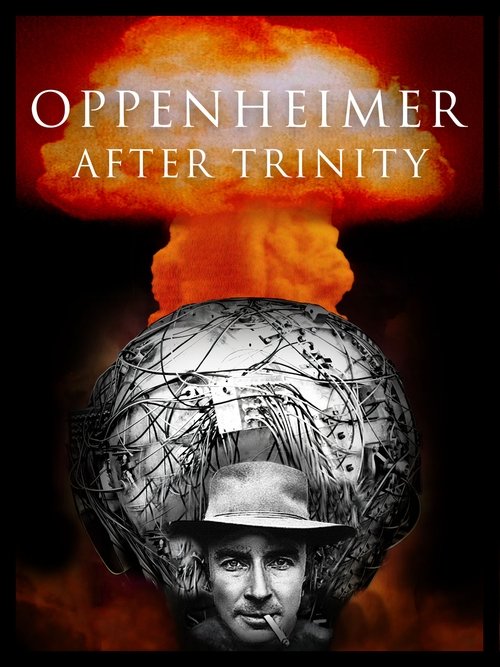
This captivating documentary on J. Robert Oppenheimer, the architect of the atomic bomb, explores his journey before the historic test and reveals the burden he carried after. De-classified documents, rare film footage and exclusive interviews, including Oppenheimer's grandson, show an intimate exploration of the burden Oppenheimer carried and the profound global impact still being debated today.
Oppenheimer After Trinity

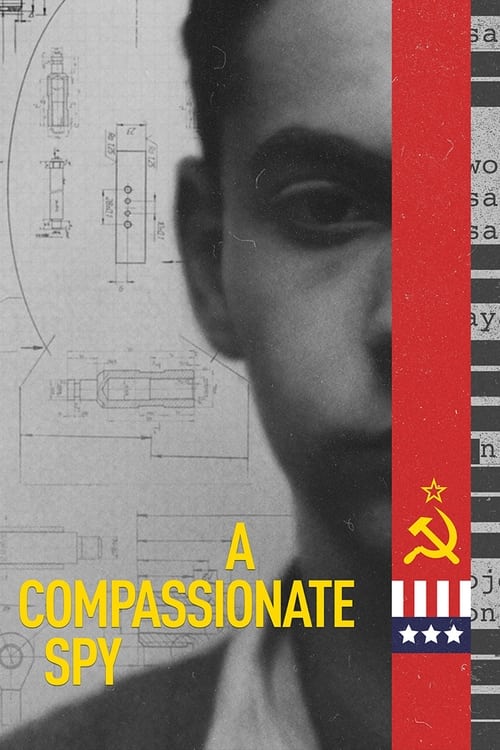
Physicist Ted Hall is recruited to join the Manhattan Project as a teenager and goes to Los Alamos with no idea what he'll be working on. When he learns the true nature of the weapon being designed, he fears the post-war risk of a nuclear holocaust and begins to pass significant information to the Soviet Union.
A Compassionate Spy

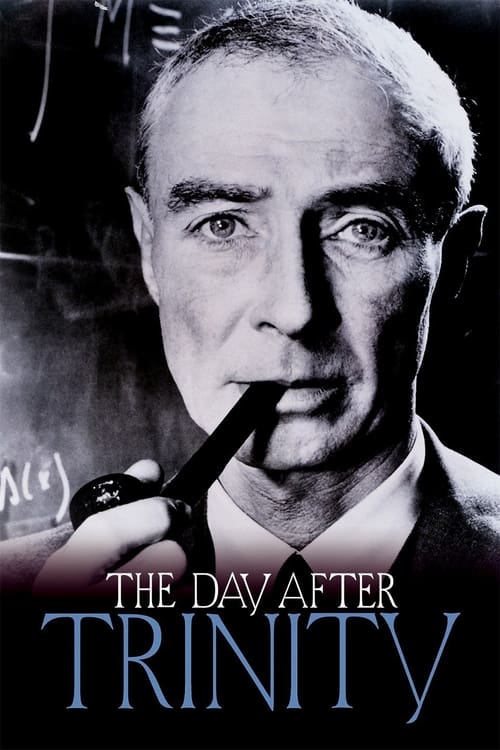
Through interviews with Manhattan Project scientists and newly declassified archival footage, this documentary examines the life of physicist J. Robert Oppenheimer and his leadership of the Manhattan Project. The film traces the development and testing of the first atomic bomb and follows Oppenheimer’s later opposition to nuclear proliferation during the early years of the Cold War.
The Day After Trinity

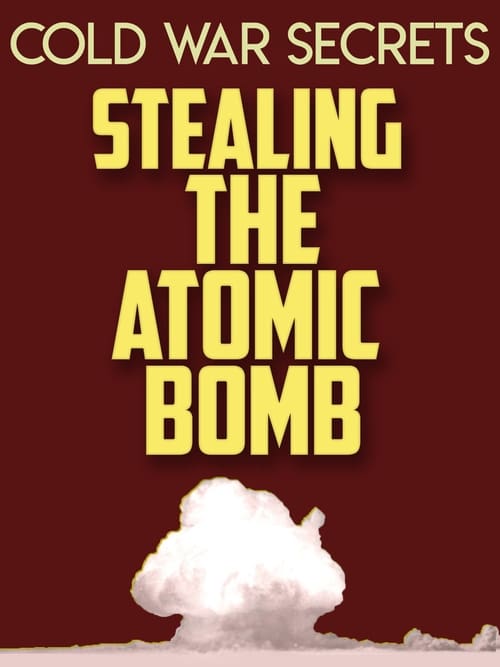
On the 29th of August 1949, the USSR set off their first atomic bomb, just four years after the Americans. The speed with which they achieved this surprised the world. What nobody knew was that it was the result of espionage. At the centre of the operation was a very unusual female spy, Elizabeth Zaroubin, in a story worthy of the best spy novels ever written.
Cold War Secrets: Stealing the Atomic Bomb

Combining personal accounts with archive footage, this film features the voices of some of the only people left on earth to have survived a nuclear bomb.
Atomic People

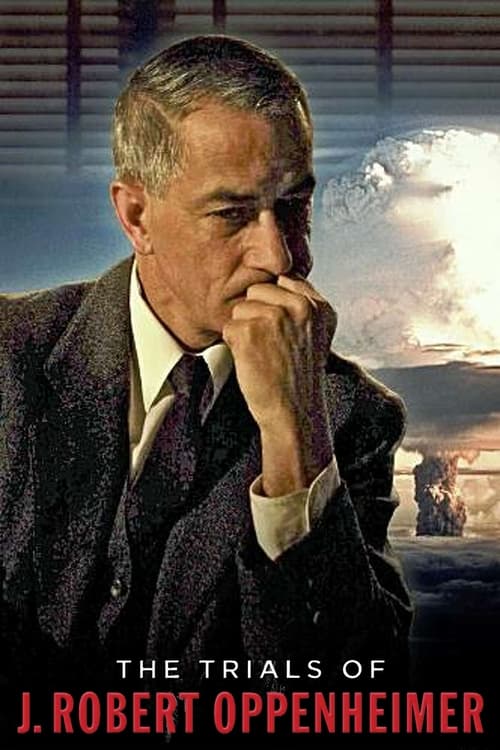
J. Robert Oppenheimer was a national hero, the brilliant scientist who during WWII led the scientific team that created the atomic bomb. But after the bomb brought the war to an end, in spite of his renown and his enormous achievement, America turned on him - humiliated and cast him aside. The question the film asks is, "Why?"
The Trials of J. Robert Oppenheimer

J. Robert Oppenheimer and other key figures involved in the decision to drop the first atomic bomb discuss their motivations in this NBC News documentary. Originally produced and televised in 1965, two decades after the bombings of Hiroshima and Nagasaki, it was re-released in 2023 with an epilogue by Michael Beschloss, NBC News Presidential Historian.
The Decision to Drop the Bomb

The Moment in Time documents the uncertain days of the beginning of World War II when it was feared the Nazis were developing the atomic bomb. The history of the bomb's development is traced through recollections of those who worked on what was known as "the gadget."
The Moment in Time: The Manhattan Project

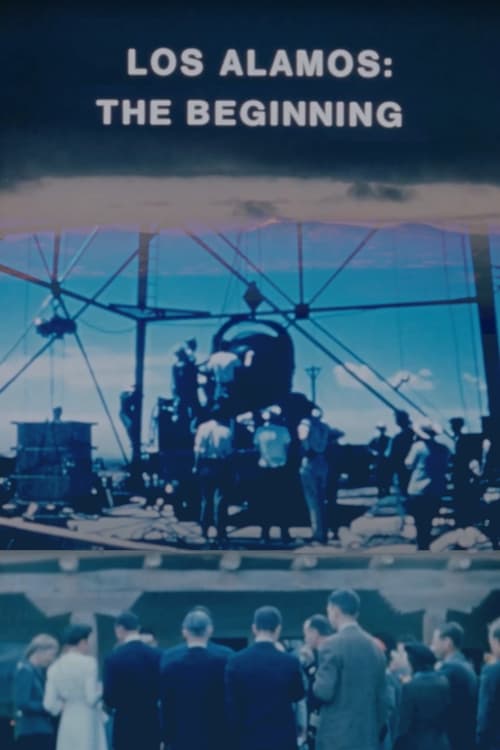
A documentary composed of historical footage and contemporary interviews from the men and women of Los Alamos, recalling their experiences of the community and the creation of the atomic bomb from the inception of the program in 1943.
Los Alamos: The Beginning

This documentary is a compilation of silent black-and-white film footage shot by the Japanese in Hiroshima and Nagasaki shortly after the atomic bomb blasts in early August 1945. English-language voice-over narration has been added, along with a few scenes from American sources. The film shows the destruction and injury caused by the atomic bombs in graphic detail.
Hiroshima Nagasaki August, 1945

Dieser Dokumentarfilm zeigt die ökologischen Probleme, mit denen die Erde zu kämpfen hat. Mit Bezug auf die lange Entwicklungsgeschichte der auf der Erde lebenden Lebewesen wird insbesondere auch ein Augenmerk auf das Artensterben, das durch den Menschen verursacht wird, gelegt.
Le Syndrome du Titanic

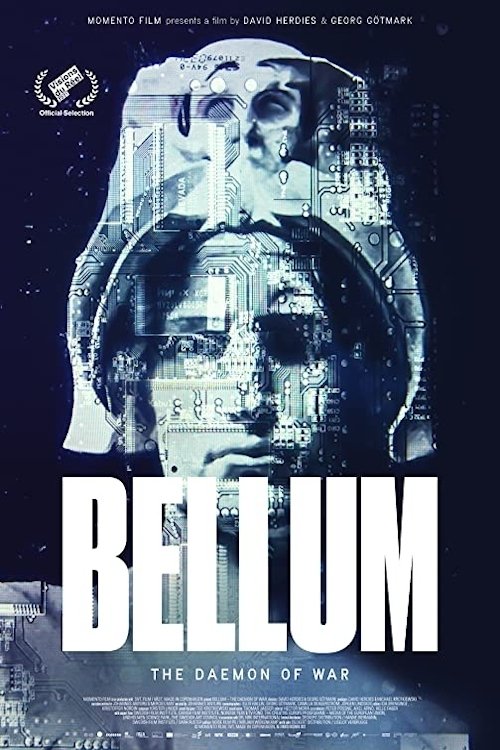
In Bellum, modern warfare and the development of AI are connecting three seemingly disparate locations and lives; a scientist in Sweden, a private military contractor in the Nevada desert in the USA and a world renowned war photographer in Afghanistan. Through their actions and decisions, the film delves into the jargons and logics that pushes warfare forward. It’s often said that war is inhumane. But in this film, this assumption is turned upside down. Because in fact it seems there is nothing more human than war. Humanity has always been at war, often over abstract ideas such as nationality, borders, religion, money or freedom and this is something that in fact distinguishes us from all other animals on this planet. Perhaps the Greco-Roman world was right that war was a demon; Bellum. And, that the war actually feeds itself: “Bellum se ipsum alet”.
Bellum - The Daemon of War
No description available.
Oppenheimer und die Bombe

With the Doomsday Clock the closest it's ever been to midnight, Jane Corbin investigates the proliferation of nuclear weapons across the globe. She visits Los Alamos, home to the United States’ nuclear weapons development facility and the historic home of Oppenheimer’s Manhattan Project. In Scotland, she reveals the strategy behind Britain’s nuclear deterrent, and speaks to campaigners in Suffolk fighting against US weapons they fear will be based on UK soil. Jane also discovers how many of the global agreements and safeguards that have constrained the spread of nuclear weapons since the 1970s are breaking down. This is a story told by the scientists, investigators and diplomats who set the clock and have fought to ensure that the ultimate deterrent has not been used in over 70 years.