Adirley Queirós
Directing
Biography
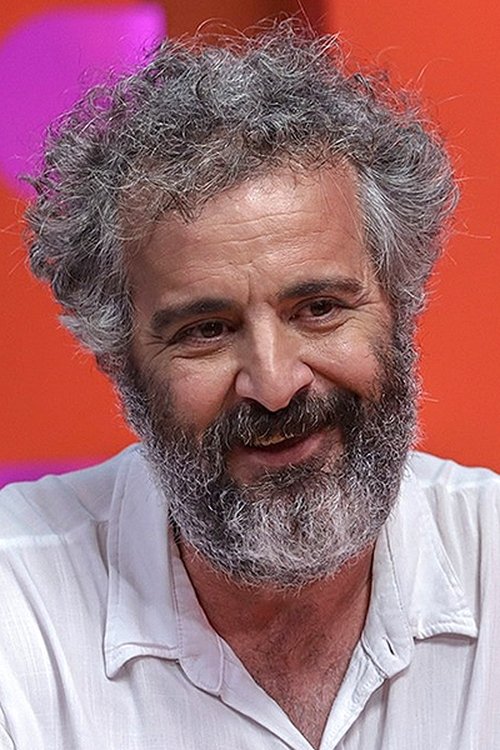
Adirley Queirós (Morro Agudo de Goiás, July 18, 1970) is a Brazilian filmmaker. Queirós was a professional footballer from the age of 16 to 25. He then studied film at the Universidade de Brasília, from which he graduated in 2005. He became involved in the cultural life of Brazil and directed his first film Rap o canto da Ceilândia (2005), which won thirteen Brazilian awards. With his documentary A cidade é uma só? (2010), Queirós participated in international film festivals such as World Cinema Amsterdam, Brazilian Hollywood Festival and BAFICI in Argentina. White Out, Black In (2014) is his fifth film and fourth documentary, which participated in Brazilia Festival of Brazilian Cinema, Cartagena Film Festival, Hamburg Film Festival, Torino Film Festival and IFFR+.
Known For

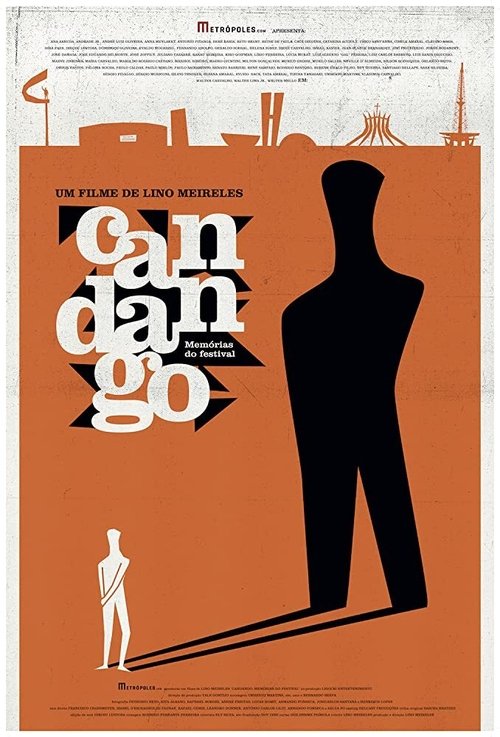
In 1965, a year after the military coup in Brazil, an oasis of freedom opened in the country's capital. The Brasília Film Festival: a landmark of cultural and political resistance. Its story is that of Brazilian cinema itself.
Candango: Memoirs from a Festival

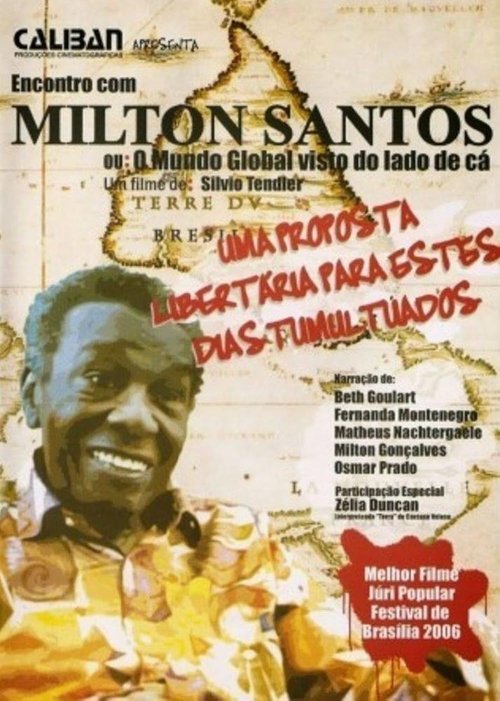
The film deals with the process of globalization based on the thought of geographer Milton Santos, who through his ideas and practices, inspires the debate about Brazilian society and the construction of a new world. Santos discusses his views on the importance of respecting difference and his belief that an alternative globalisation model could wholly enfranchise all citizens of the world. An illustrious presence in 20th century social sciences, the man dubbed as ‘geography’s philosopher’ eloquently elucidates a developing world perspective on the global age.
A Meeting with Milton Santos

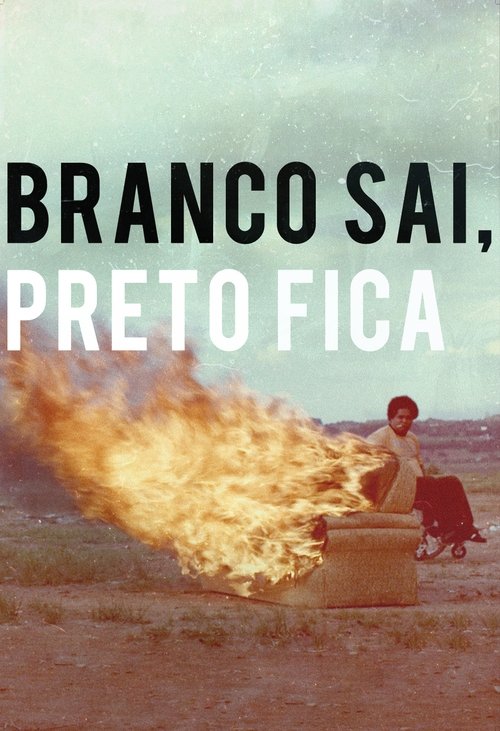
Shots fired inside a club frequented by black Brazilians in the outskirts of Brasilia leave two men wounded. A third man arrives from the future in order to investigate the incident and prove that the fault lies in the repressive society.
White Out, Black In

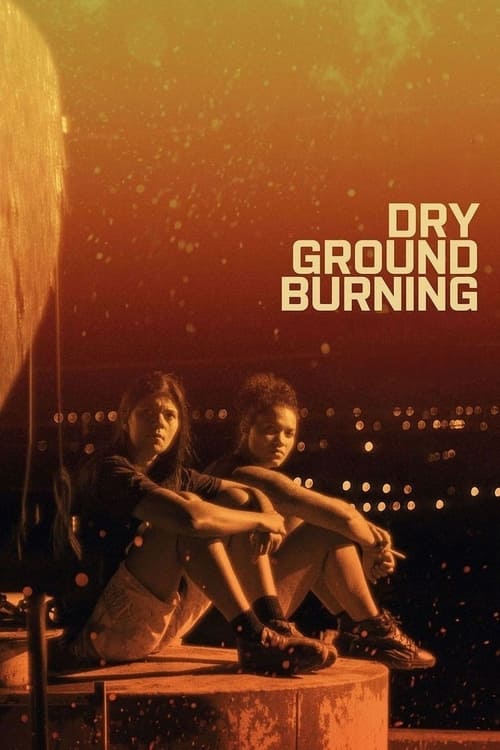
Just released from prison, Léa returns home to the Brasilia favela of Sol Nascente and joins up with her half-sister Chitara, the fearless leader of an all-female gang that steals and refines oil from underground pipes and sells gasoline to a clandestine network of motorcyclists. Living in constant opposition to Jair Bolsonaro’s fiercely authoritarian and militarized government, Chitara’s women claim the streets for themselves as a declaration of radical political resistance on behalf of ex-cons and the oppressed.
Dry Ground Burning

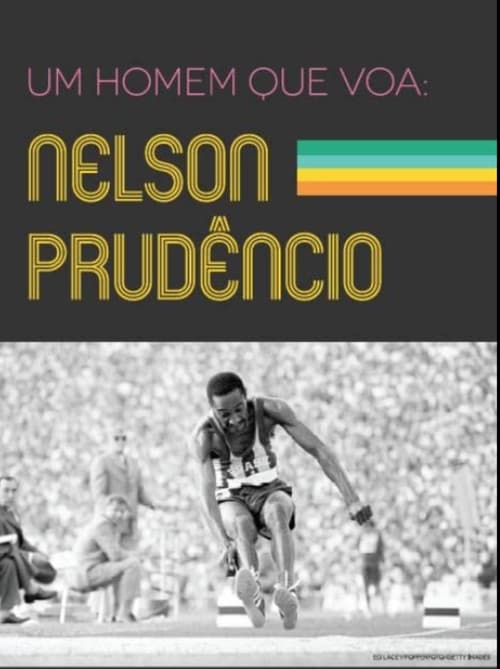
The trajectory of Nelson Prudêncio, the black boy from Lins, who became an athlete only at the age of 20 and became one of the protagonists of the epic final of the triple jump at the Mexico City Olympics in 1968, the biggest that the sport has ever seen.
Um Homem que Voa: Nelson Prudêncio

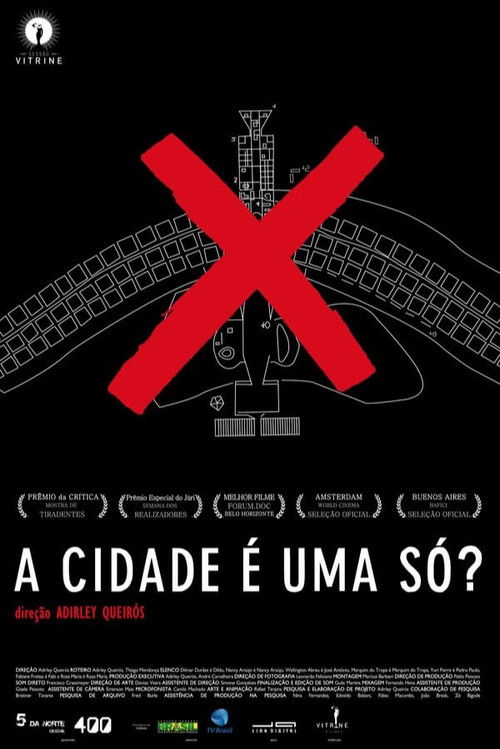
The city of Brasilia hoped to become, from its very architecture, the expression of modern urban conception and an egalitarian society. However, neither the workers hired to pursue this project, nor the constant migratory flow that took place from the beginning, fitted in the government’s plan. In 1971, it began what was known as the “Campaign to Eradicate Invaders”. Together with other locals, the director reflects on the history, the transformations and the future of this place where the hypocritical official jingle “A cidade é uma só!” is no longer heard.
Hood Movie: Is the City One Only?

The struggle of a small group of blacksmiths trapped between keeping a long going strike with claims for better fees and the necessity of getting back to work when there's no money left for basic necessities.
Dias de Greve
A documentary about rap artists from Ceilândia, a satellite-city of Brazil capital, Brasilia. The film portrait the struggle of the lives of the rapers and makes a parallel with the violent building of the city designed to settle the outcast from Brasilia after its completion.
Rap, O Canto da Ceilândia
MST: Landless Workers' Movement. Adirley Queiros accompanies the struggle and relays the demands.
MST

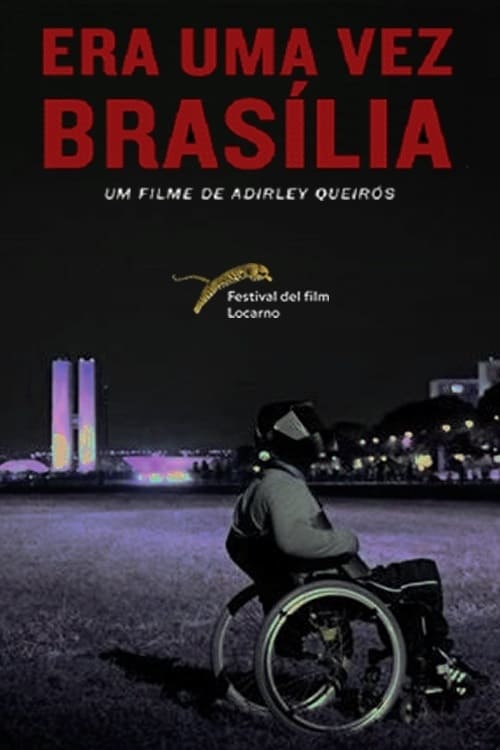
In 1959, disgraced intergalactic agent WA4 receives a mission: to come to the Earth and kill the president Juscelino Kubitschek on the day of Brasília's inauguration. But his ship is lost in time and lands in 2016 in Ceilândia — a Black suburb of Brasilia — on the verge of Dilma Rousseff's impeachment.
Once There Was Brasília

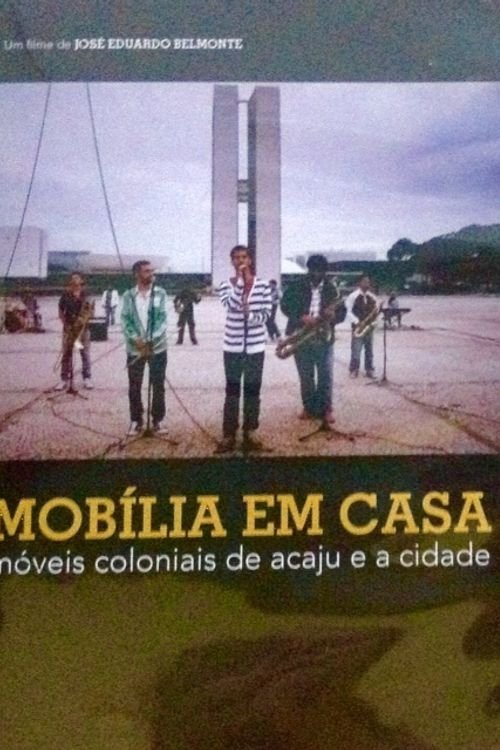
The film promotes the meeting of two characters that could be opposites: Móveis Coloniais de Acaju, a band with an unusual sound and doomed to failure, and Brasília, the country's capital planned to suceed.
Mobília em Casa – Móveis Coloniais de Acaju e a Cidade

During the World Cup in Brasilia, we follow Maninho (Willian Jesus Vieira), a former professional soccer player who started working as a street vendor, selling water and national team flags. On the way to his new job, memories awaken a recent memory that is at once playful and melancholic. After all, which soccer player in Brazil has never dreamed of playing in a World Cup?
Meu Nome é Maninho
A documentary about football players in the low divisions of Brazilian football.