FEEL IT.STREAM
Fumio Kamei

Fumio Kamei

Directing

Biography

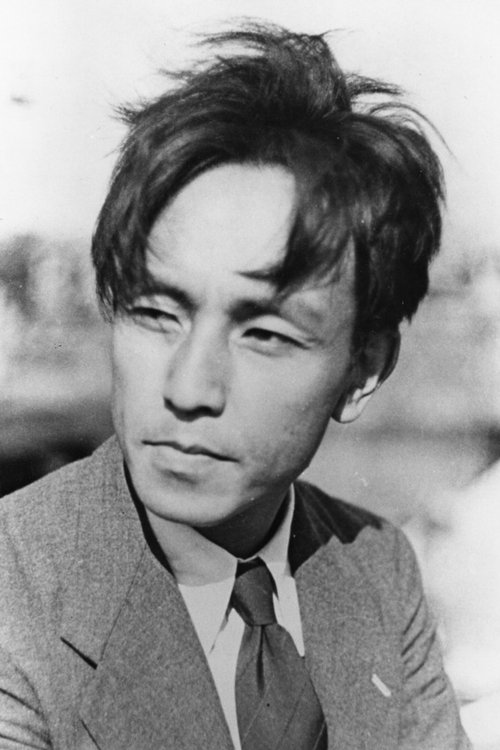
Fumio Kamei (1908–1987) was a Japanese documentary and fiction film director known for his politically charged works. Influenced by Soviet montage theory, he began his career at Photo Chemical Laboratories (PCL), making propaganda films about Japan’s war in China. His 1939 film Fighting Soldiers was banned for its unflinching portrayal of exhausted troops, and he later became the first director to lose his license under the 1939 Film Law and the only filmmaker arrested under the Peace Preservation Law. After World War II, Kamei helped reorganize Nippon Eiga-sha and directed The Japanese Tragedy (1946), a documentary critical of Japan’s imperialist past, which was ultimately censored. He continued making politically engaged documentaries and fiction films, tackling issues such as U.S. military bases in Japan, nuclear weapons, social discrimination, and environmental destruction.
Known For

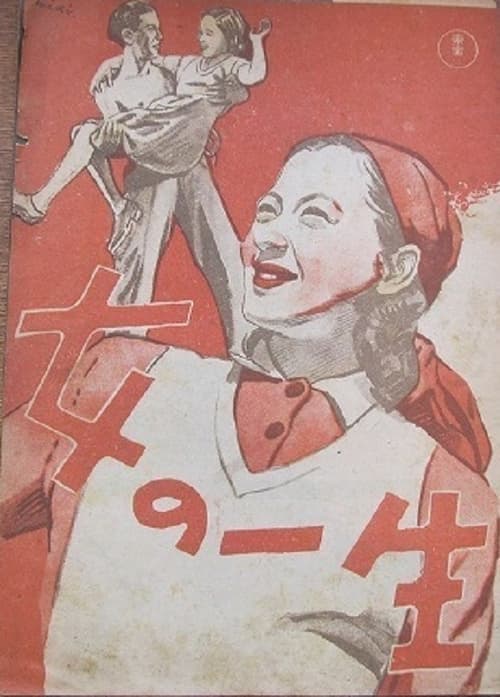
A Woman's Life
9.0

No description available.

A Woman's Life

1949
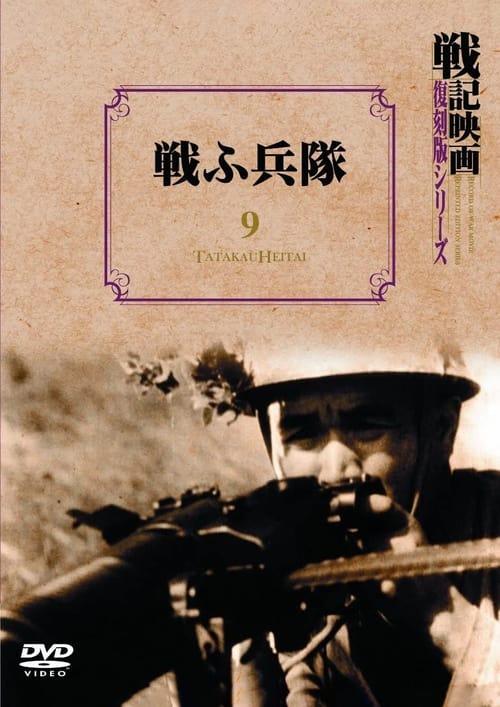
Fighting Soldiers
7.0

Documentary of an Imperial Japanese Army regiment's advance from Shanghai to Wuhan in 1938. This film was shelved before submission to Home Ministry censors amid rumors that Fumio was a Communist.

Fighting Soldiers

1939
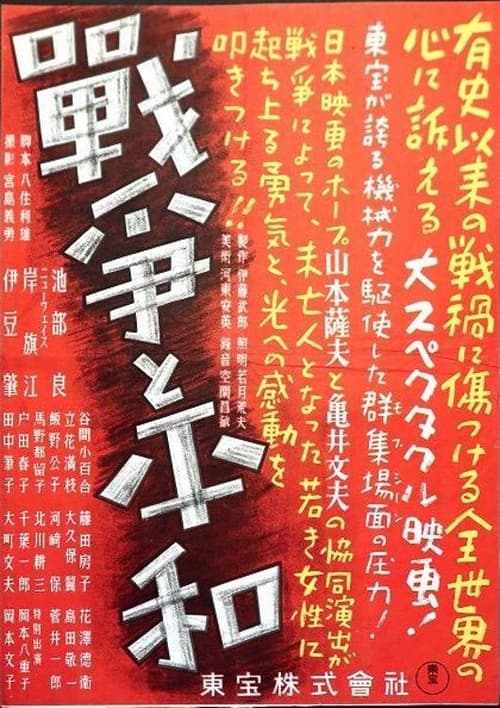
War and Peace
9.0

A woman remarries after receiving official notification that her husband has died, but he returns.

War and Peace

1947
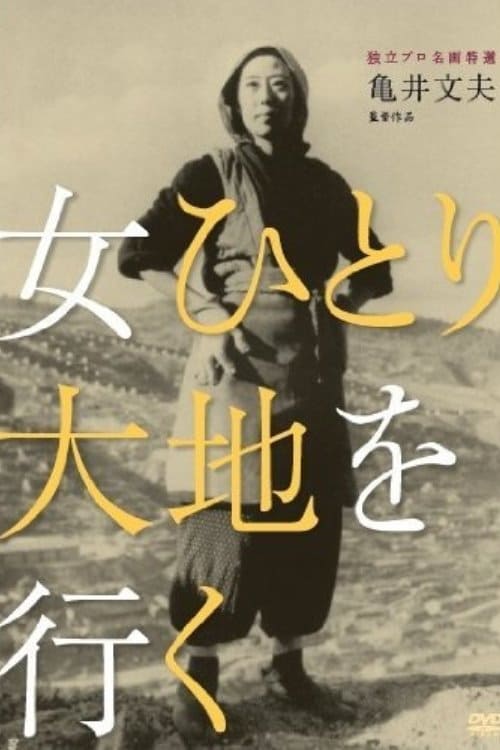
A Lonely Woman in a Lonely Land
7.0

Onna Hitori Daichi wo Yuku (A Lonely Woman in a Lonely Land, Kinuta Production, 1953) was the second feature film directed by Kamei Fumio, who is known as a master of documentary films, and followed his “Haha Nareba Onna Nareba(Become a Mother, Become a Woman)” (1952).

A Lonely Woman in a Lonely Land

1953
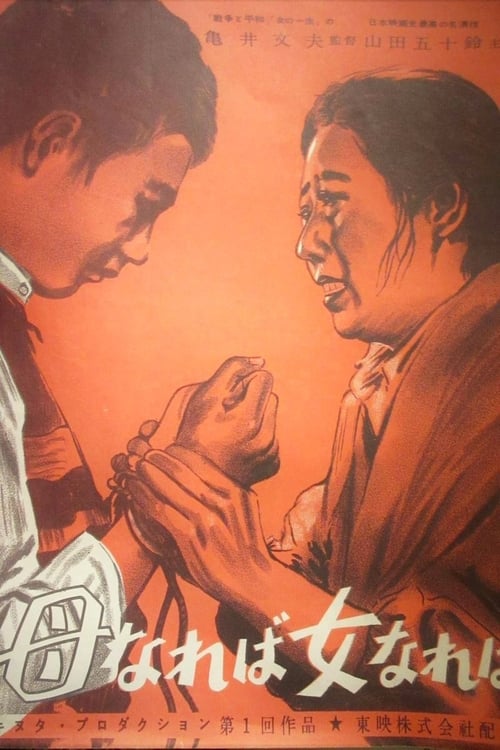
Become a Mother, Become a Woman
N/A

No description available.

Become a Mother, Become a Woman

1952
It Is Good to Live
6.0

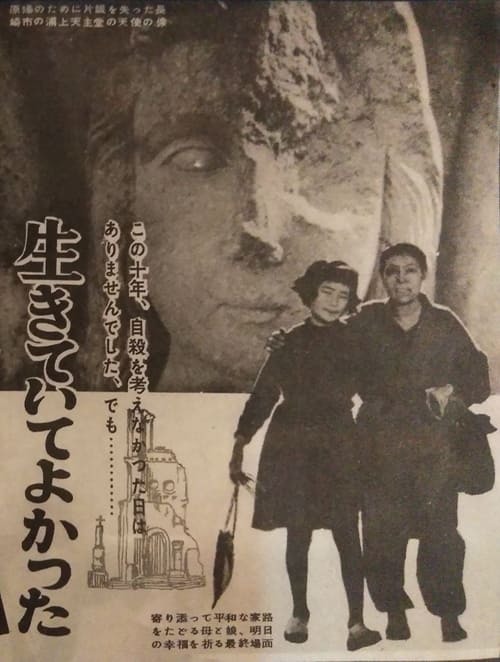
One of the first documentaries to focus on the aftermath of Hiroshima and Nagasaki, the film gives voice to survivors of the atomic bombings and documents the long-term effects of radiation on their lives. Combining testimony with stark images of destruction and recovery, it serves as an early cinematic appeal against nuclear war.

It Is Good to Live

1956
No image
N/A

The inhabitants of Cape Muroto in Kochi Prefecture depend on fishing for their living, but have no fishing port in their village and so use the port of Uraga in Kanagawa Prefecture as their main port. 22 crew members in a wooden boat of less than 100t fish for tuna in rough seas, 4,500 miles away from home near Christmas Island in the Pacific Ocean, where hydrogen bomb experiments are being carried out. The film focuses on an 18-year-old trainee and his labors aboard the fishing boat for two months, precisely reflecting the fisherman’s daily life.

Living in a Rough Sea

1958
Shanghai
N/A

Documentary about the Japanese-occupied city that, as described by one contemporary source " boasts international settlements in which the nationals of a number of countries enjoy the privileges of extraterritoriality". Filmed on location in December 1937 Film contrasts the horrors of war with the complex political issues involving the metropolis.

Shanghai

1938
No image
N/A

Follow-up to 'The People of Sunagawa'

Wheat Will Never Fall

1955
Record of Bloodshed: Sunagawa
N/A

On October 12, 1956, 53 surveyors and 1,300 armed police rushed the gathered union and Zen Gaku Ren (the All Japan Federation of Self-Governing Students Associations) members who then formed a scrum to protect themselves. 278 people from both sides were injured. On the 13th, at the protest’s peak, 5,000 workers and Zen Gaku Ren members had been mobilized when the police attacked the demonstrators’ picket lines. 844 protesters and 80 police were injured. Public opinion erupted against the the violence of the armed police and the government’s lack of a policy, and on the 14th, the radio suddenly announced that the government would stop its survey. Sunagawa overflowed with joy and excitement, and a victory demo was held. On the 15th, a National People’s Rally was held to celebrate the victory of Sunagawa’s fight against the base, and protesters who had sustained grave injuries came from the hospital to address the meeting.

Record of Bloodshed: Sunagawa

1957
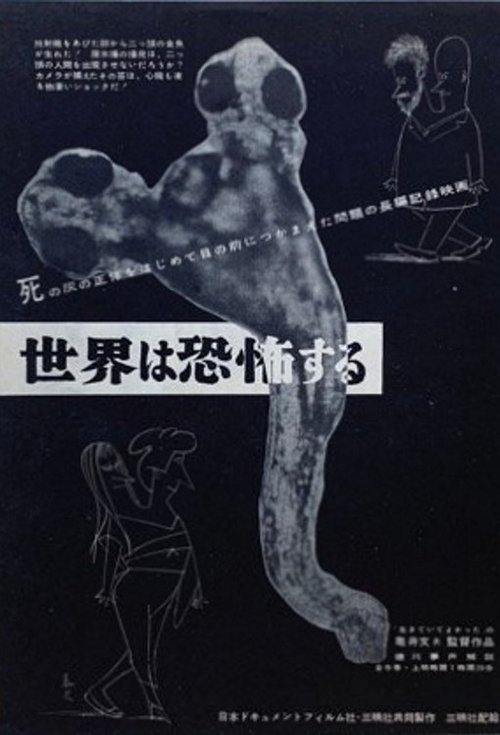
The World Is Terrified: The Reality of the “Ash of Death”
N/A

At a time when the USSR and the USA fervently vied to develop nuclear arms, the mass media buzzed with terms inspired by nuclear testing on Bikini Atoll such as the “Daigo Fukuryu Maru Incident,” the “ash of death,” “radioactive tuna,” and “radioactive rain,” and nuclear testing continued, Japan, the only nation to have suffered an atom-bomb attack, felt massive anxiety. “What is the radioactive ash of death?” “What effect does it have on living creatures?” Against the background of the era, the film scientifically describes the terrors of radioactivity with the cooperation of many scientists, physicians and research institutions.

The World Is Terrified: The Reality of the “Ash of Death”

1957
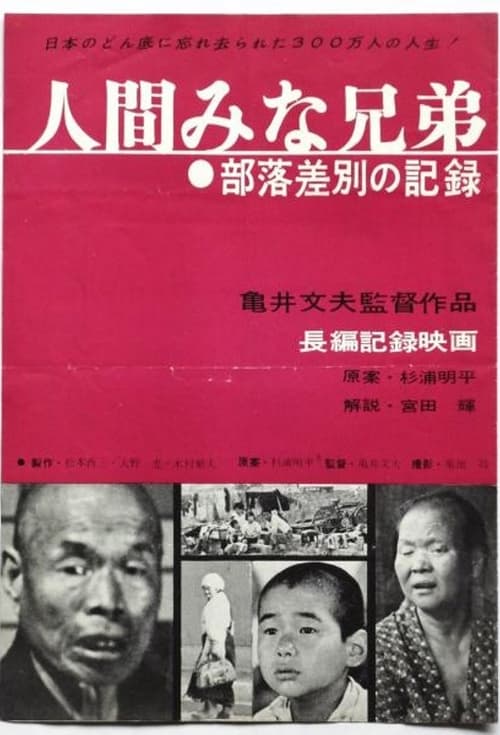
Men Are All Brothers
N/A

Documentary against buraku discrimination

Men Are All Brothers

1960
No image
N/A

The citizens of Sunagawa oppose the expansion of Tachikawa Air Base

The People of Sunagawa

1955
No image
N/A

Documentary following a farmer who practices organic farming in the middle of a residential area in Setagaya, Tokyo.

All Must Live: People, Insects and Birds

1984
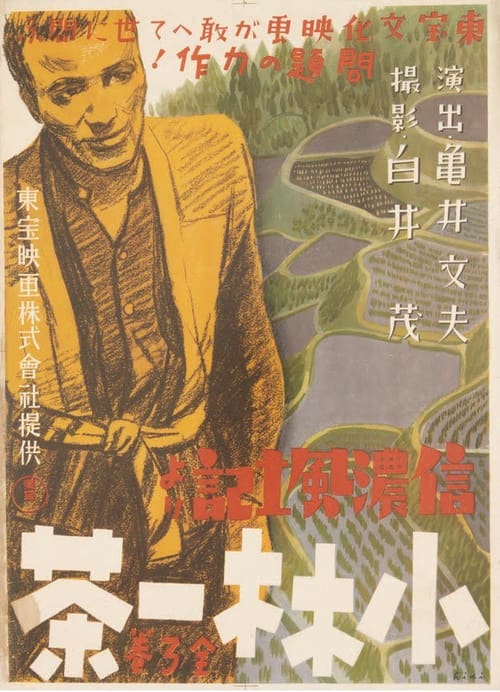
Kobayashi Issa
8.0

The film uses the haiku of early 19th century poet Kobayashi Issa as its motif to portray the lives of farmers residing deep in the mountains of Nagano. Commissioned by the Nagano Prefectural Department of Tourism, the movie became instead, in the hands of Kamei, a depiction, sometimes ironic, of poverty and the harsh life of the inhabitants of the area. The short movie is often considered Japan’s first “poetic documentary”.

Kobayashi Issa

1941
No image
N/A

Promotional film for the 50th anniversary of Tokyo Dento showing the power of electricity

Shape without Shape

1935
No image
N/A

A record of the people and culture of Beijing

Peking

1938
Tragedy of Japan
N/A

Using mostly footage from Nippon News newsreels, this film explains the history of Japanese aggression, from the Manchurian Incident to the Pacific War. The governing classes of Japanese capitalism planned and carried out the war project to acquire foreign markets. and while most people were forced into poverty, the capitalists became rich. The special political police detained Communists and those who opposed the war. With the rise of fascism, Japan’s tragedy begins.

Tragedy of Japan

1946
No image
N/A

“Japanese Entry Prohibited”military bases have proliferated to more than 700, occupying an area equivalent to the island of Shikoku and completely encircling Japan’s children. The film depicts the situation at several bases through the eyes of children: Chitose in the north, a base in the mountain village of Tozawamura in Yamagata Prefecture, urban bases in Yokosuka and Tachikawa and Uchinada in Ishikawa Prefecture.

Children of the Base

1953
No image
N/A

Documentary on the relationship between human beings and nature

All Living Things Are Friends—Lullabies of Birds, Insects and Fish

1987