Eizo Tanaka
Directing
Biography
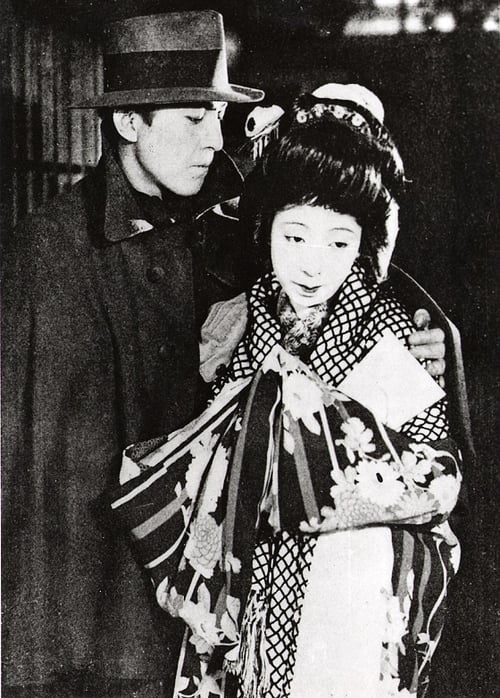
Tanaka initially trained as a stage actor in the shingeki movement under Kaoru Osanai, but eventually joined the Nikkatsu film studio in 1917. He debuted as a director in 1918 but mostly had to work with shinpa stories, not the shingeki techniques he was used to although two early films, The Living Corpse (Ikeru shikabane) and The Cherry Orchard (Sakura no sono) were based on Tolstoy and Chekhov respectively.[3] Working in parallel with the Pure Film Movement, Tanaka made two films, Kyōya eirimise (1922) and Dokuro no mai (1923), based on his own screenplays, that were highly praised for their cinematic technique.[1] He remained a rather conservative filmmaker and still used oyama (male actors) in female roles, including in his masterpiece Kyōya eirimise, a melodrama about a merchant's destructive love for a geisha. He used actresses for the first time in Dokuro no mai, a story of a monk reminiscing about his youth and early loves.
Known For

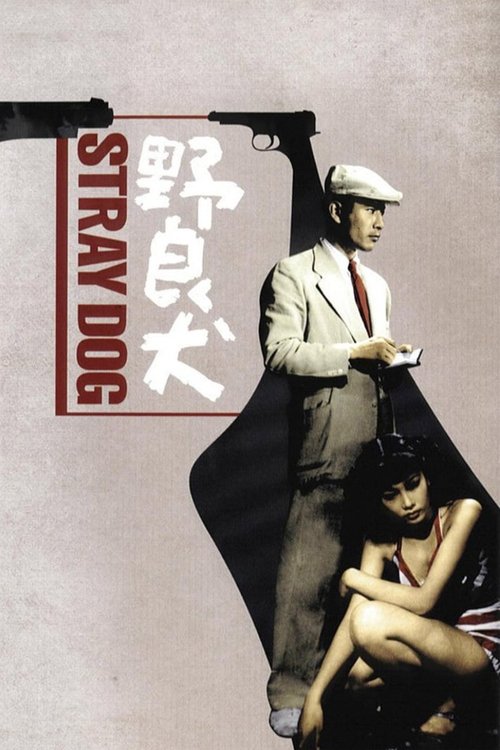
A bad day gets worse for young detective Murakami when a pickpocket steals his gun on a hot, crowded bus. Desperate to right the wrong, he goes undercover, scavenging Tokyo’s sweltering streets for the stray dog whose desperation has led him to a life of crime. With each step, cop and criminal’s lives become more intertwined and the investigation becomes an examination of Murakami’s own dark side.
Stray Dog

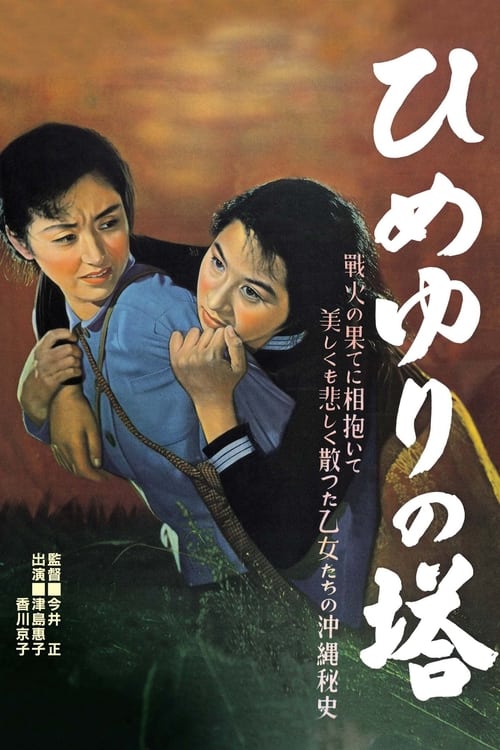
A group of Okinawan high school girls are drafted as nurses during the American invasion of the island. As the enemy army advances further, the situation for the girls becomes increasingly desperate as food and shelter run out and the number of injured climbs, leading to the film's tragic finale.
Tower of Lilies

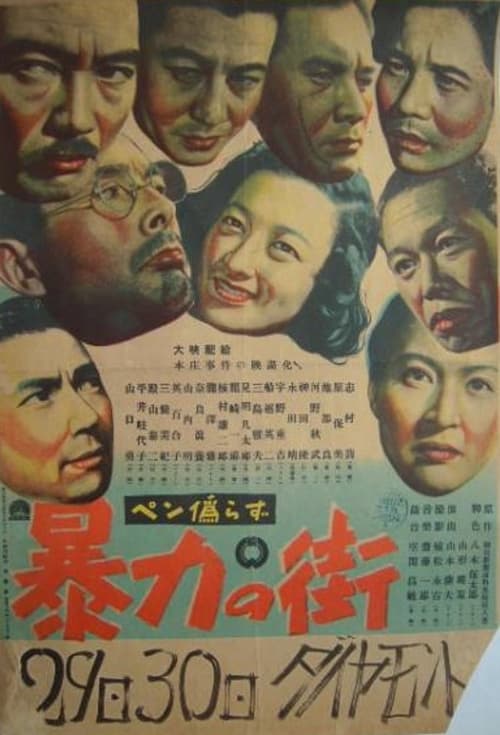
An attempt is made to suppress a journalist's investigation of collusion between a rural police chief and the local gangster bosses.
Town of Violence

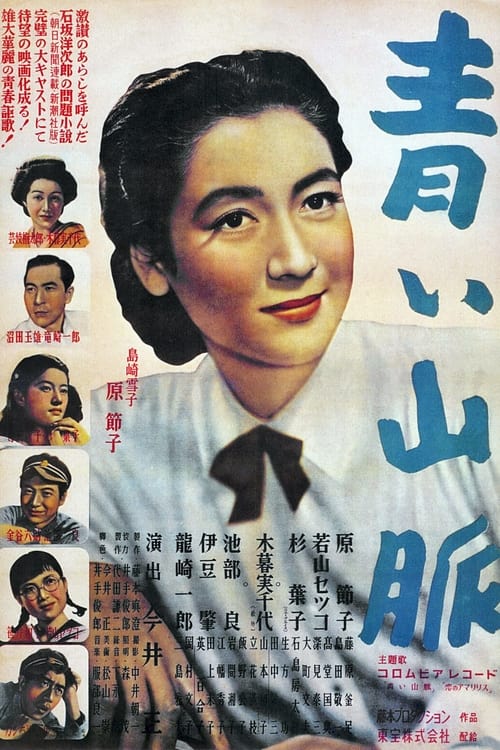
Teacher Yukiko finds herself in opposition to conservative faculty and villagers after defending a student for being in a relationship with a young man from Tokyo.
The Blue Mountains: Part I

A young woman, who must support her father as a middle-aged man's mistress, finds herself falling in love with a student closer to her age.
The Wild Geese

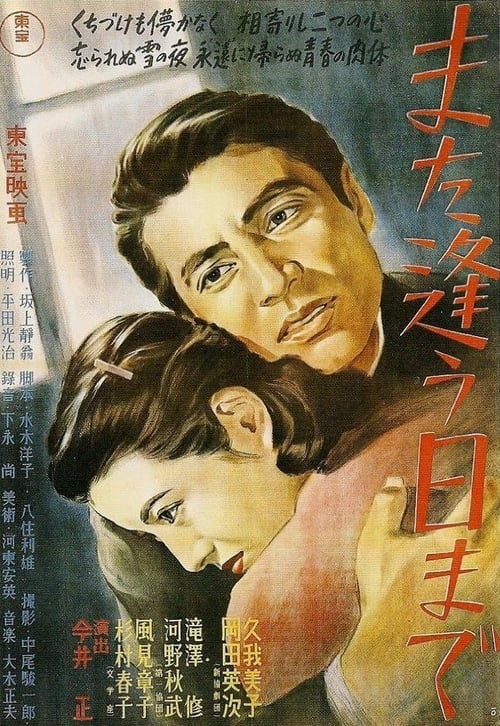
Saburo and Keiko fall in love with each other but the tide of war separates them.
Till We Meet Again

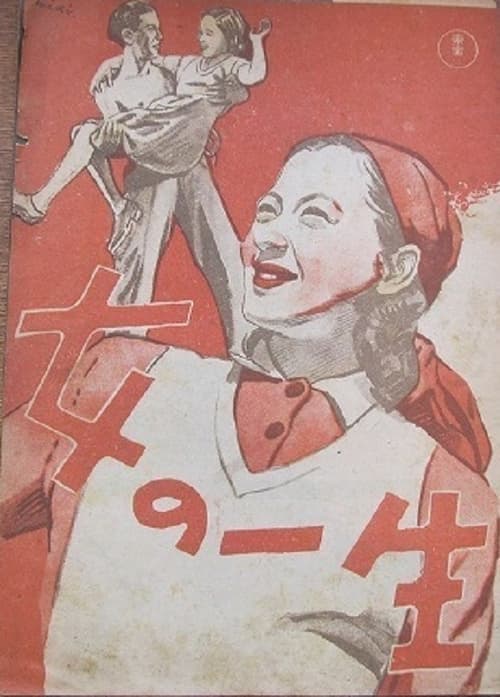
No description available.
A Woman's Life
No description available.
Akatsuki

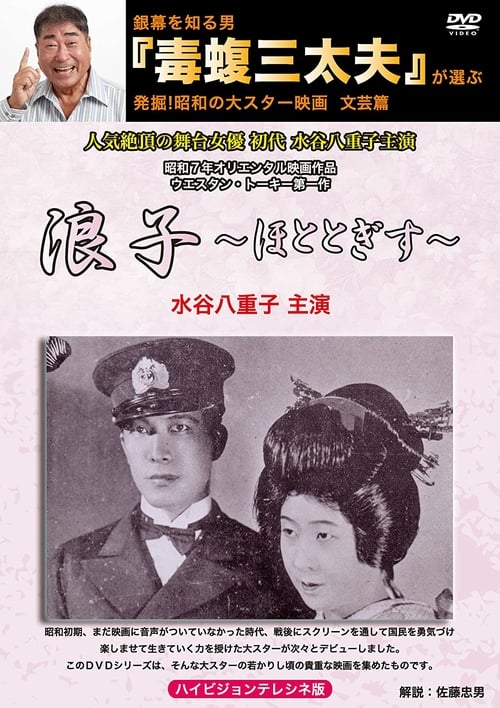
An early Japanese sound film, notable for being the only Japanese film ever to use the Western Electric Sound System. Contrary to most Western sources that give sole directing credit to Eizo Tanaka, it was actually co-directed by six different directors, Tanaka, Kazue Kimura, Kazuo Takimura, Ryoji Mikami and Hidekuni Ouchi.
Namiko

Otane, the daughter of a thread shop owner in Ryogoku, is in love with Sumio, the son of an ivory craftsman who lives nearby. The two are united in a tatami room on the second floor of a soba restaurant. Soon Sumio goes to study in Paris, but during that time Otane realizes that she is pregnant with Sumio's child. Considered a lost film.
A Paper Doll's Whisper of Spring

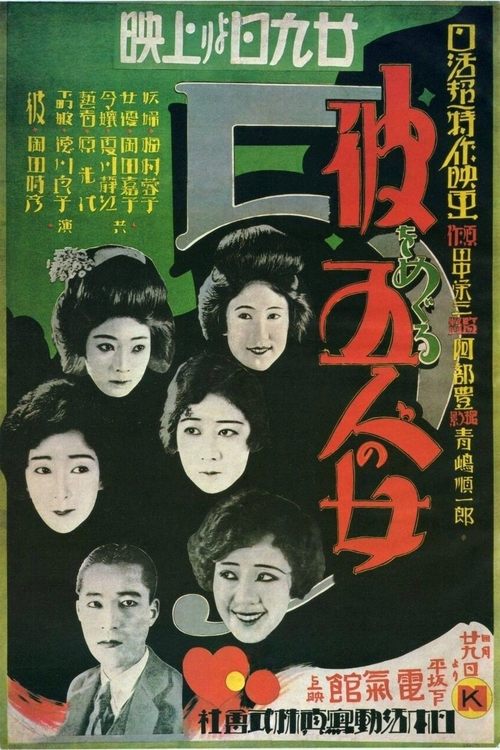
Directed by Yutaka Abe.
Five Women Around Him
A film adaptation of the play by Leo Tolstoy.
The Living Corpse
Directed by Eizo Tanaka.
Before the Morning Sun Shines
Directed by Eizo Tanaka.
Skull Dance
Directed by Eizo Tanaka.
Woman in the Stream
Directed by Eizo Tanaka. Only 8 minutes of film is known to have survived.
The Lapel Shop

No description available.
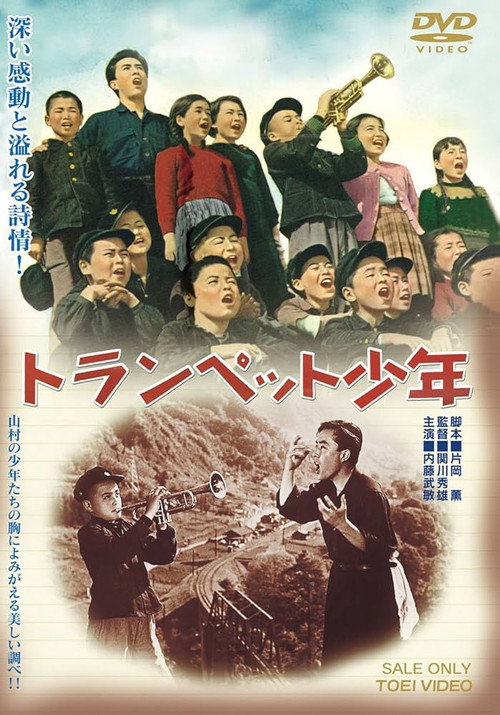
A Trumpet Boy
Directed by Eizo Tanaka.