Gabriel Figueroa
Camera
Biography
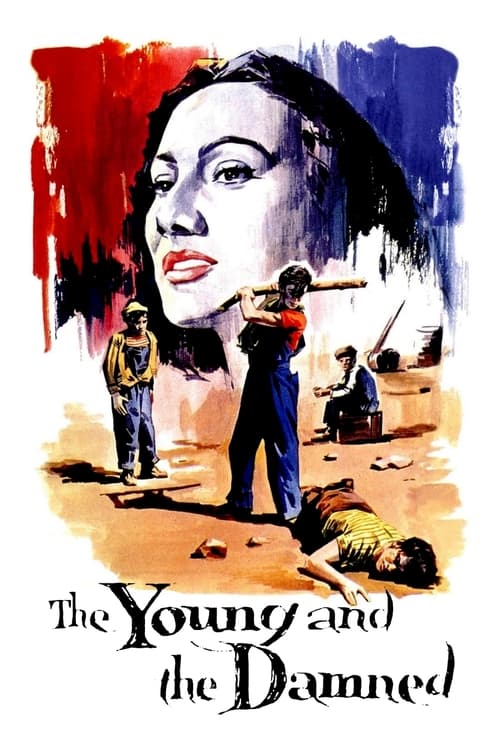
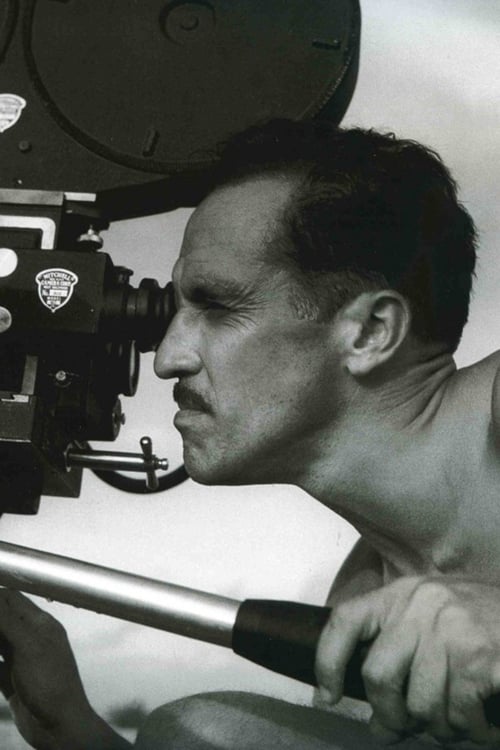
Gabriel Figueroa Mateos (April 24, 1907 – April 27, 1997) was a Mexican cinematographer who worked both in Mexican cinema and Hollywood. His mother died after giving birth to him. His father, unable to cope with the loss of his wife, left Gabriel and his brother Roberto to be cared for by their aunts. He studied painting at the Academia de San Carlos, and at the age of 16 he became interested in photography thanks to José Guadalupe Velasco. He later befriended other photographers, such as Gilberto Martínez Solares and Raúl Martínez Solares, and these three would then move on to cinematography. Figueroa made his entry in the movie industry in 1932 as a photographer of stills for the film Revolución of Miguel Contreras Torres. He was later one of the 20 cinematographers hired for the Howard Hawks film Viva Villa!. After a few jobs he obtained a scholarship to study in the United States where the established director of photography Gregg Toland taught Figueroa. Back in Mexico, his first film was Fernando de Fuentes's Allá en el Rancho Grande (1936) which would become one of the most popular films in Mexico and Latin America, and gave him his first award at the Venice Film Festival. He filmed 235 movies over 50 years, including Los Olvidados by Luis Buñuel, The Night of the Iguana by John Huston, The Fugitive by John Ford, and Río Escondido by Emilio Fernández. One of his main collaborators was Fernández, with whom he shot twenty films, some of which won prizes at the Venice Film Festival, the Cannes Film Festival, and the Berlin Film Festival. After collaborating with Fernández and Buñuel on their films with such actors as Dolores del Río, Pedro Armendáriz, María Félix, Jorge Negrete, Columba Domínguez, and Silvia Pinal, Figueroa has come to be regarded one of the most influential cinematographers active in México.