Jutta Brückner
Directing
Biography
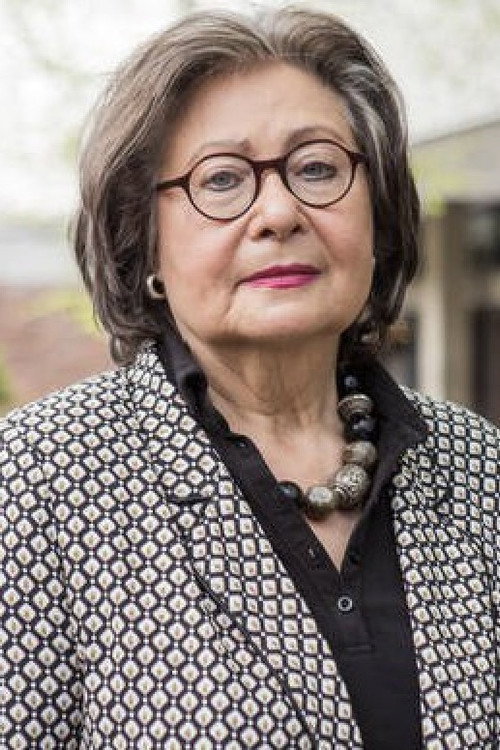
Jutta Brückner is a German film director, screenwriter and film producer. She directed nine films between 1975 and 2005. Furthermore, she has written essays in film theory, film reviews and radio plays. She lives in Berlin and was Professor for narrative film at Berlin University of the Arts.
Known For

From the 1950s onwards, Erika and Ulrich Gregor brought countless film historical milestones to Berlin and shaped cinema discourse in post-war Germany. A look at the life and work of the couple without whom Arsenal and the Forum wouldn’t exist.
Come With Me to the Cinema – The Gregors
When successful archaeologist Ursula Scheuer makes a sensational discovery of a body during a bog excavation, her demented mother suddenly dies. Unexpectedly, a childhood trauma breaks out for Ursula. The appearance of her new assistant Mel is also puzzling: she seems to know Ursula’s past very well. Ursula is increasingly drawn into a mysterious web of fantasies and deceptions and must finally free herself from it.
In My Mother's Mirror
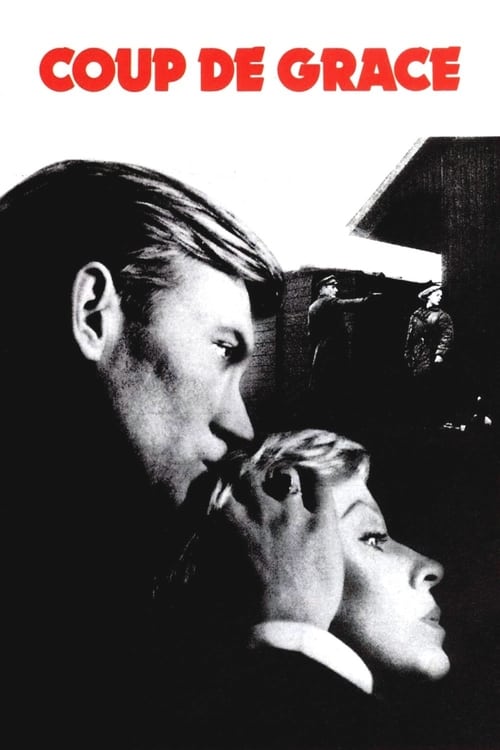
A countess loves her brother's Prussian-officer friend in the 1919 Baltic area.
Coup de Grâce

Hungerjahre is a movie about adolescence in 1950s West Germany, in which director and scriptwriter Jutta Brückner comes to terms with her own memories.
The Hunger Years: In a Land of Plenty
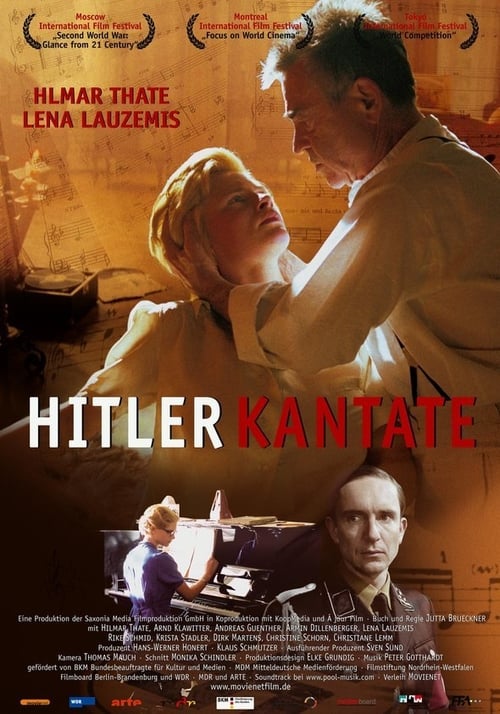
Berlin during the Nazi reign: Young music student Ursula is a talented musician and a fervent admirer of the "Führer". When she is asked to assist renowned composer Broch, who was ordered to compose a cantata for Hitler′s 50th birthday, it first seems like a dream fulfilled. Over the time, Broch and Ursula fall in love, and her relationship with the former communist gradually changes Ursula′s perspective on the realities of Nazi Germany. But falling in love with a Nazi means a huge moral conflict for Broch.
Hitlerkantate
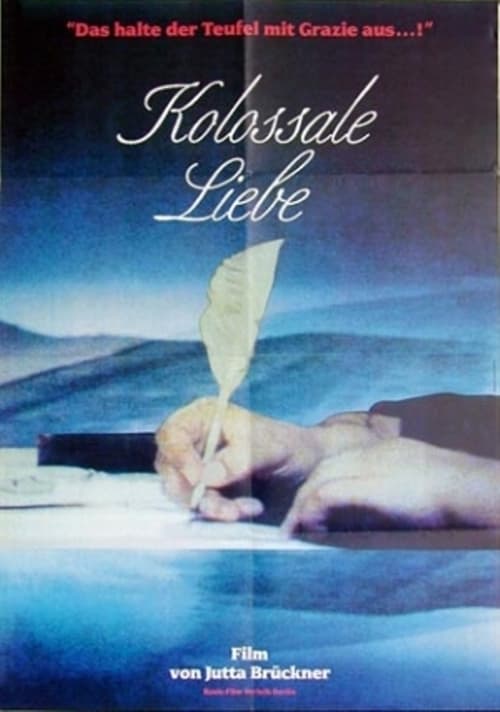
Berlin 1808. A young, immature student who considers himself a poet, August Varnhagen, enters the famous salon of Rahel Levin, one of the first assimilated Jewish women of the Romantic period. He has heard of this woman who was praised by all for her wit and wisdom and he comes because he seeks connection and relations and in this salon the most famous men of the time crowded.
Kolossale Liebe
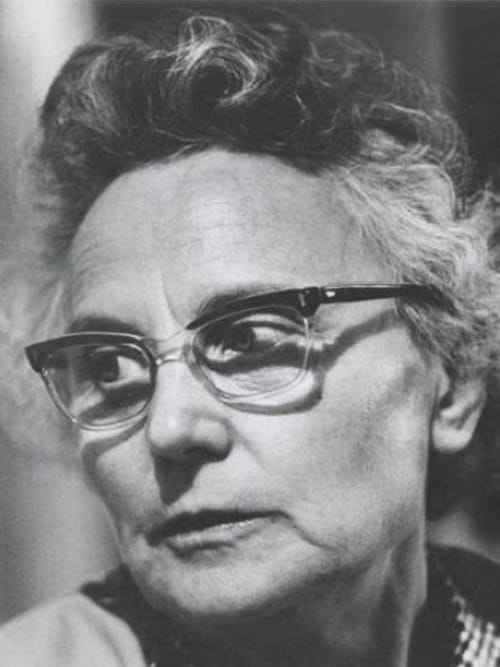
A portrait of a woman’s life between 1915 and 1975. In Jutta Brückner’s documentary, her mother looks back at the 60 years of her life, talking about her father’s early accidental death, the constraints faced by a lower middle-class family of five, her training as a seamstress, marriage to a bookkeeper committed to social democratic ideals, the privations of war, and not least of all, her later realisation that fear may have caused her to miss opportunities … An ingenious collage of picture and sound accompanies the mother’s narrative, a tapestry of proverbs, pop songs, marching music, and the noise of war. Hundreds of photographs – most selected from August Sander’s (1876–1964) project “People of the 20th Century”, alongside newer photos by Abisag Tüllmann, among others – lend the individual vita of the director’s mother a kind of ontological validity. Images of labourers and office workers, excursions and marches, imbue what we hear with references that transcend the personal.
Do Right and Fear No One
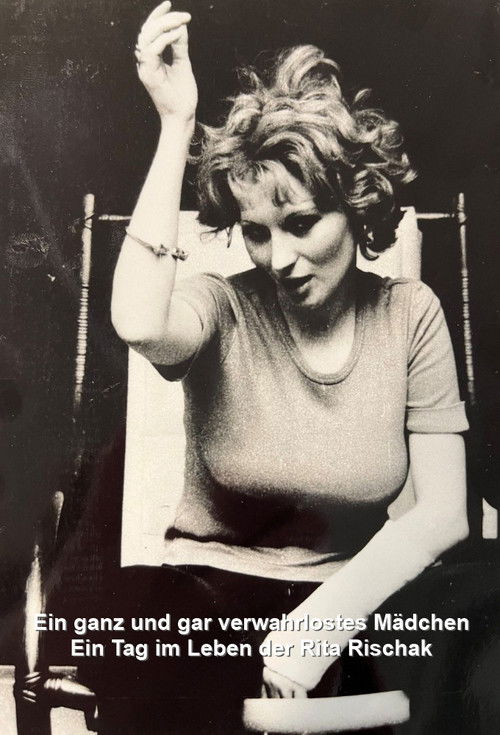
It's a perfectly ordinary day in Rita's life: early in the morning her lover from last night left the apartment, and Rita doesn't dare to go back to work after she stole money in the telephone cabin the day before.
Ein ganz und gar verwahrlostes Mädchen

Filmmakers talk about their experiences - about success, failure and social participation. Who is seen, and who can show themselves?
To Show or Not to Show
Since she was twelve, Helga has had to take responsibility for others. She never learns that she also has a responsibility to herself.
Eine Frau mit Verantwortung
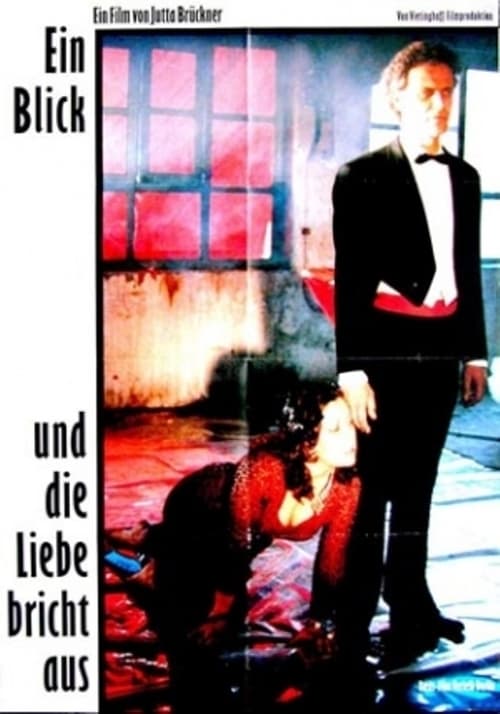
In seven scenes set in South America, the film deals with the various conflicts and (power) relationships between men and women. The individual episodes also deal with specific female role models: the bride, the wife, the rival, the abandoned, the fiancée, the abused and the determined. The scenes show a passionate, romantic longing for love, but also the harsh reactions when a promise of happiness is not so easily fulfilled. It is about heartbreak and longing, jealousy and hatred, exploitation and self-inflicted submission. Nevertheless, the basic tone remains hopeful. The stylized images are structured by off-screen commentary and tango rhythms.
Ein Blick und die Liebe bricht aus
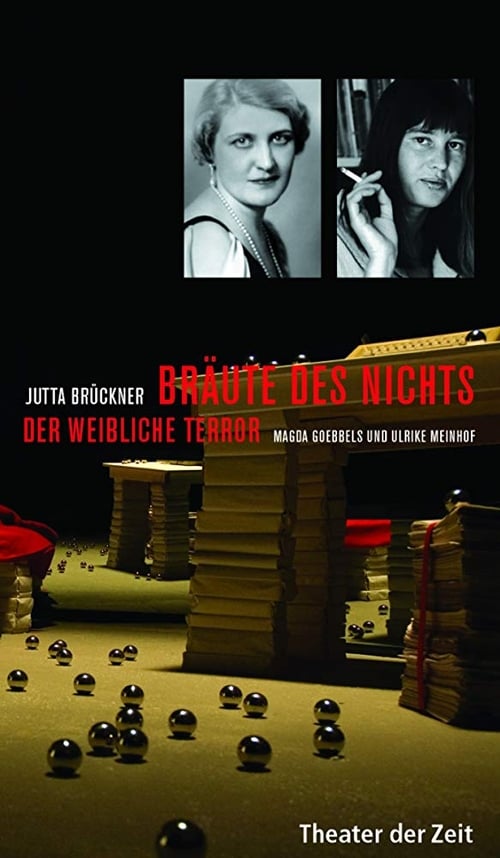
"Brides of Nothingness: Female Terror." What connects Magda Goebbels with Ulrike Meinhof? - Both women represent a different side of modernity: continuity and fractures of a female mentality story in which the unconscious of history is sedimented. The fanaticism of both women was a publicly lived love story with politics.
Bräute des Nichts. Der weibliche Terror: Magda Goebbels und Ulrike Meinhof
The film comprises a total of six episodes: in each, the authors seek to highlight the personal problems and feelings of three French and three German female filmmakers.
Die Erbtöchter
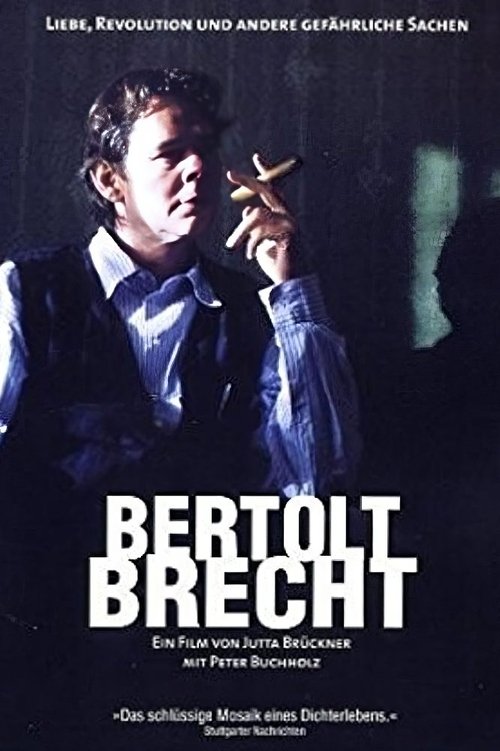
Brecht′s 100th birthday is being celebrated on 10 February, 1998. A good enough opportunity to examine his life closely again. The film director Jutta Brueckner is mainly concerned here with the question of the kind of person Brecht was. We have known him until now as the brilliant author and theatre director, through his plays themselves; we also know him as the cultural flagship of the GDR along with his world-famous Berliner Ensemble.
Bertolt Brecht - Love, Revolution and Other Dangerous Things
Reni Wirth is a woman in her "prime," in her late thirties, a housewife like millions of others and seemingly fulfilled by caring for her husband and two teenage daughters. Despite slight irritations about her mere existence as a housewife, she takes good care of her family. A preventive breast cancer screening completely disrupts the apparent family idyll. Although the worst fears are not confirmed, after days of terrible anxiety, Reni begins to understand the misery of her personal situation: her daughters will soon be on their own, and she can hardly return to the profession she once learned. What will be left for her? Reni takes a courageous but uncertain step toward somewhere where she suspects she will find "freedom."