Sylvio Back
Directing
Biography
Sylvio Carlos Back (Blumenau, July 22, 1937) is a Brazilian filmmaker, poet, screenwriter, writer, journalist and producer.
Known For

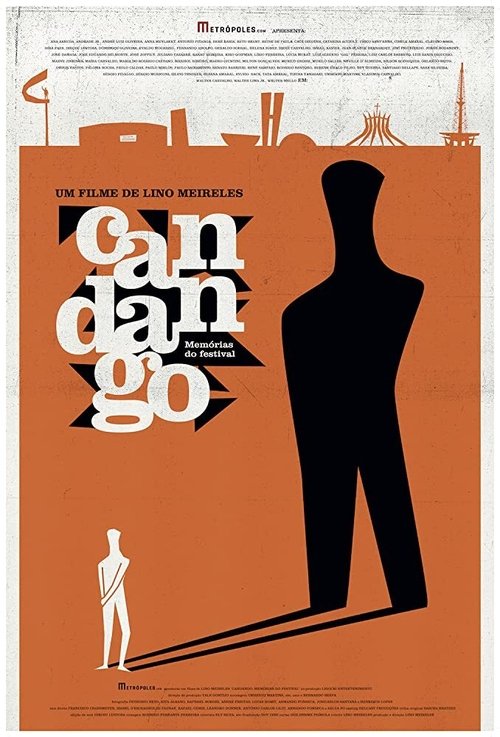
In 1965, a year after the military coup in Brazil, an oasis of freedom opened in the country's capital. The BrasĂlia Film Festival: a landmark of cultural and political resistance. Its story is that of Brazilian cinema itself.
Candango: Memoirs from a Festival

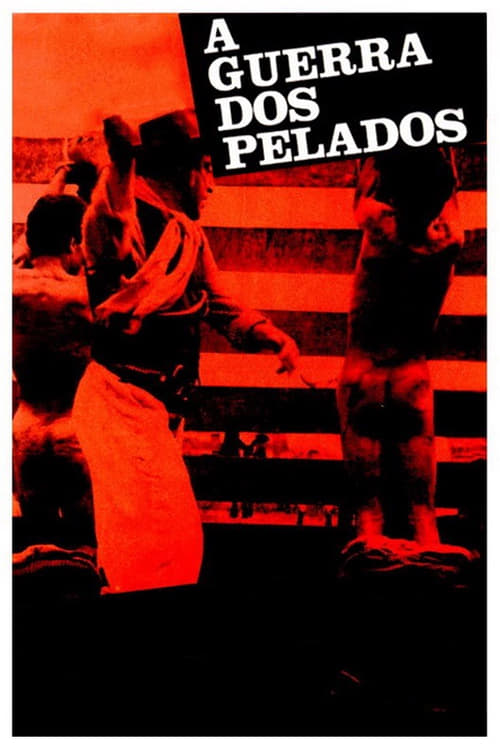
In 1913, in the state of Santa Catarina, Brazil, the Government gives some lands to a foreign railway company, giving rise to revolt by the former owners of the land. The episode became known as Guerra dos Pelados.
The War of Pelados

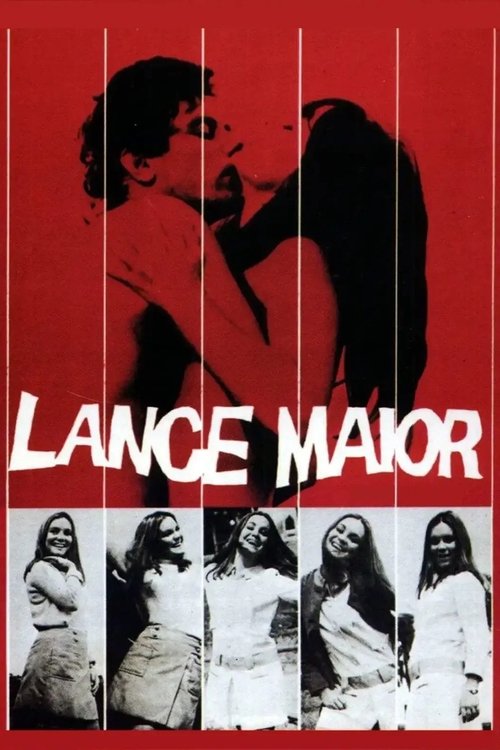
University student who works in a bank experiences a personal crisis: he is torn between his ambitions and the temptation to engage in the armed movement against the military dictatorship of the time, in Brazil. At the same time, his love life is also confusing: he is unable to choose between two girls: an apolitical rich one, whose main interest is her own sexual liberation; and a working girl with family problems.
Lance Maior

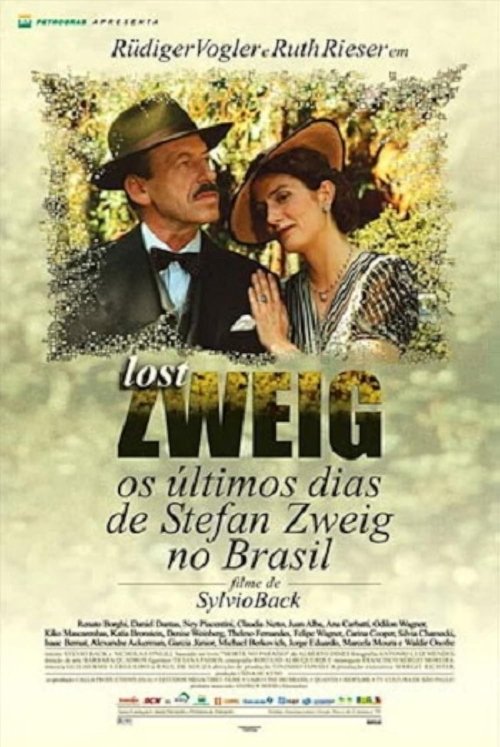
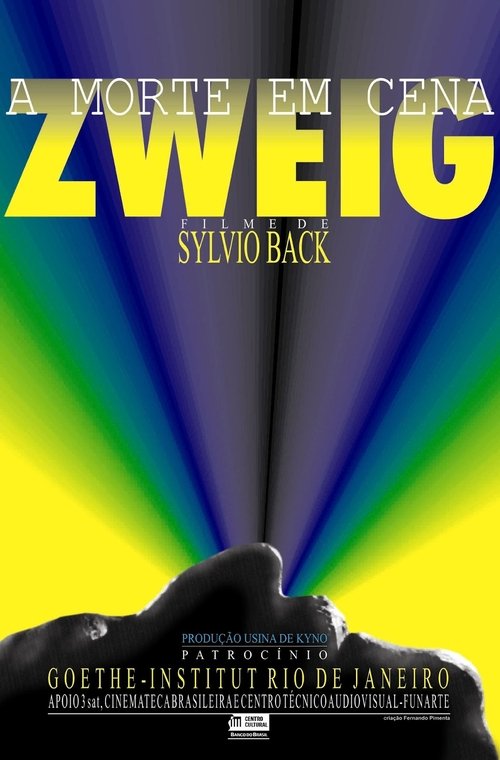
The life of Austrian writer Stefan Zweig in Brazil. He wrote the famous book "Brasil, PaĂs do Futuro" (Brazil, Country of the Future). He and his wife Lotte, in a mysterious death pact, decided to kill themselves in the week following 1942 Carnival, in Brazil.
Lost Zweig

Poet Cruz e Souza was a black man, born in the State of Santa Catarina, Brazil, where the majority of the population are blonde. He was also poor and fell a prey to the racism of his time. Died young, at 37, and dragged the great love of his life, GavĂria, into a path of great suffering.
Cruz e Sousa - The Banished Poet

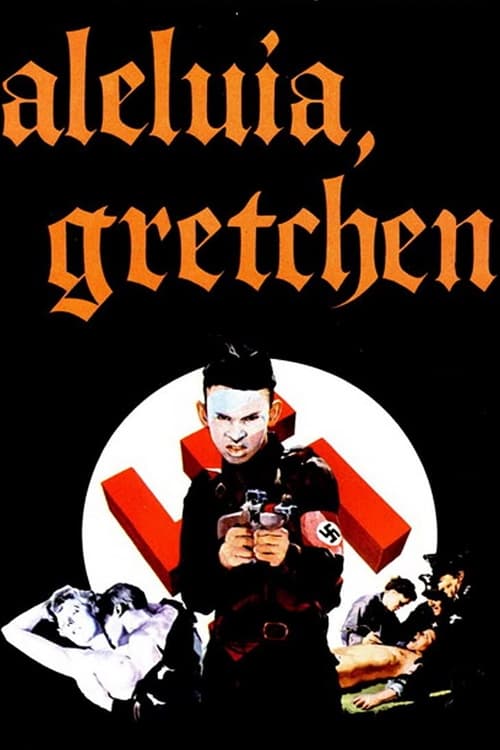
A German family moves to a small town in the interior of the state of Paraná, Brazil, and buys a hotel there, which soon becomes sort of a meeting point for Nazi sympathizers.
Hallelujah Gretchen

No description available.
Life and Blood of a Polak

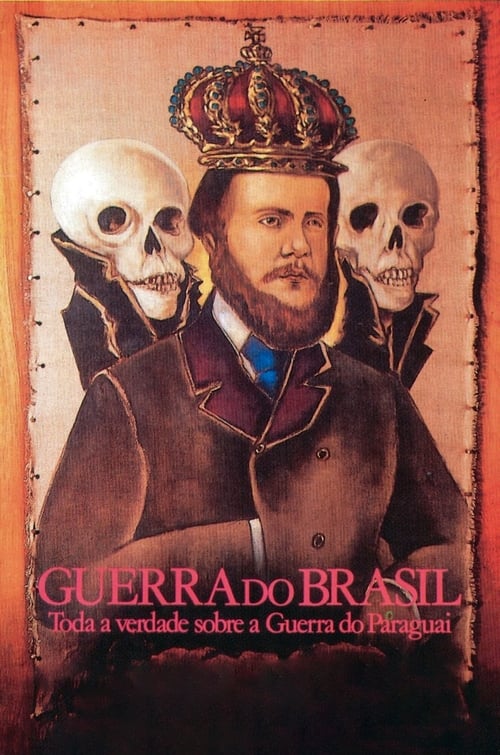
Between 1864 and 1870, South America was the scene of the biggest and bloodiest armed conflict of the century, known as the "Paraguay War," or "Big War," for Paraguayans. Mixing reality and fiction, the documentary discusses this "draft" of World War I, which involved Brazil, Argentina, Uruguay and Paraguay, decimating around one million people.
Brazil War: The Truth about The Paraguayan War

No description available.
Zweig: A Morte em Cena
No description available.
O Universo Graciliano

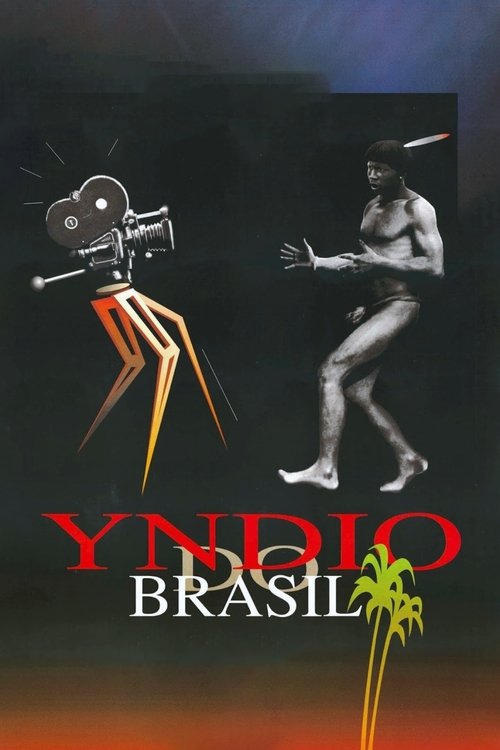
Yndio do Brasil is a collage of hundreds of Brazilian films and films from other countries - features, newsreels and documentaries - that show how the film industry has seen and heard Brazilian indigenous peoples since they were filmed in 1912 for the first time: idealised and prejudiced, religious and militaristic, cruel and magic.
Our Indians

No description available.
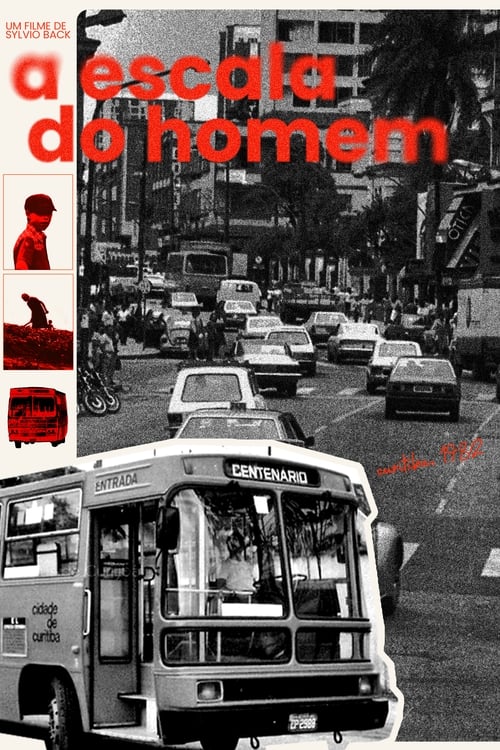
A Escala do Homem
No description available.
Revolution of 30

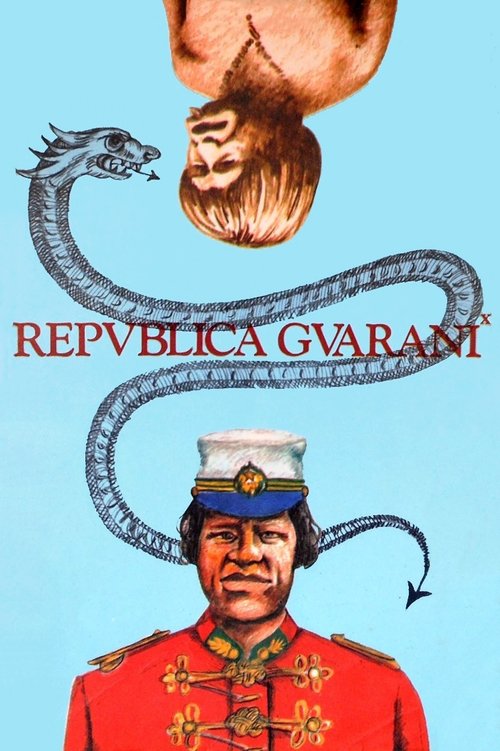
Formed by Jesuit missions in Brazil, Paraguay, Argentina and Uruguay, between 1610 and 1767, it congregated about 150,000 indigenous people in almost fifty "reductions" (Jesuit cities). The Christian-Communist Republic of the Guaranis was decimated by attacks of expeditions and mercenaries and served as an excuse for the kings of Portugal and Spain to banish the Jesuits from America.
The Guarani Republic

No description available.
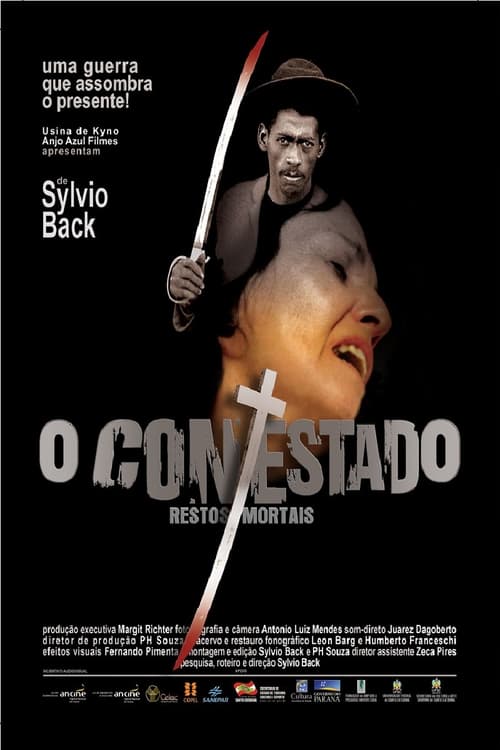
O Contestado - Restos Mortais

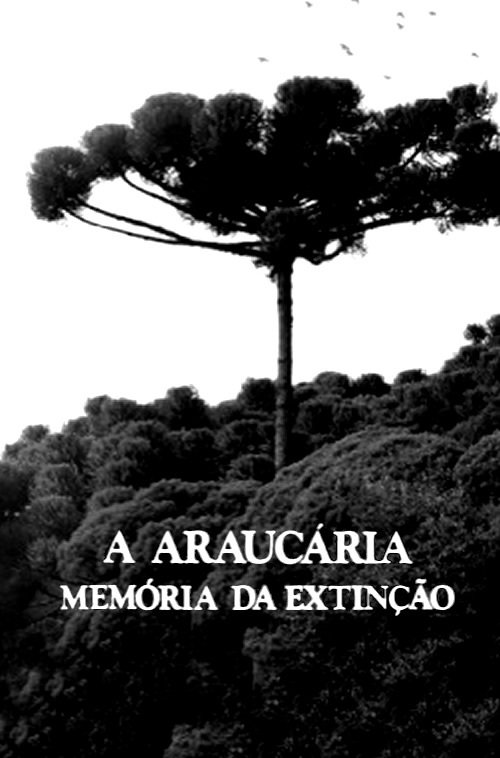
The film documents extensive forest fires in Brazilian reserves, violent destruction, and irrational deforestation associated with a lack of ecological awareness.
A Araucária: Memória em Extinção

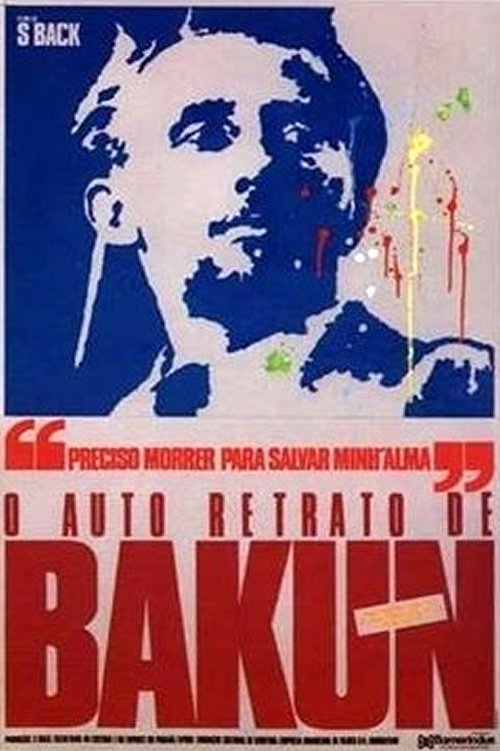
Miguel Bakun's life and work, narrated by a medium in trance and by people who knew him. He is considered the greatest painter from Paraná, Brazil, and killed himself in 1963, at 54.
O auto-retrato de Bakun
A documentary discussing Brazil's efforts of taking part on World War II by sending troops from the Brazilian Expeditionary Force (FEB) to Italy.
Rádio Auriverde
Fancy Pea is a Brazilian documentary produced, written and directed by Werner Schumann, in the year 1985, reporting facts about the life and work of the Brazilian writer, poet, translator and professor Paulo Leminski. The program was shown on TV in 1985 and 1989 (at the time of the death of the writer).
Fantasy Pea
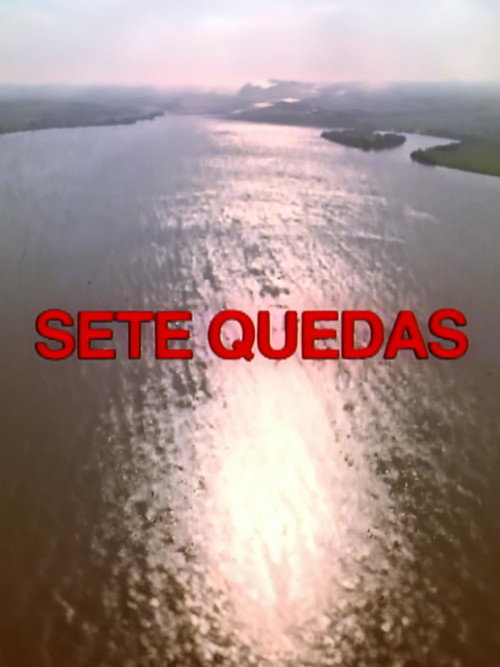
In 1979, an agreement between Brazil, Paraguay, and Argentina allowed for the exploitation of water resources from the stretch of the Paraná River, starting from Sete Quedas.