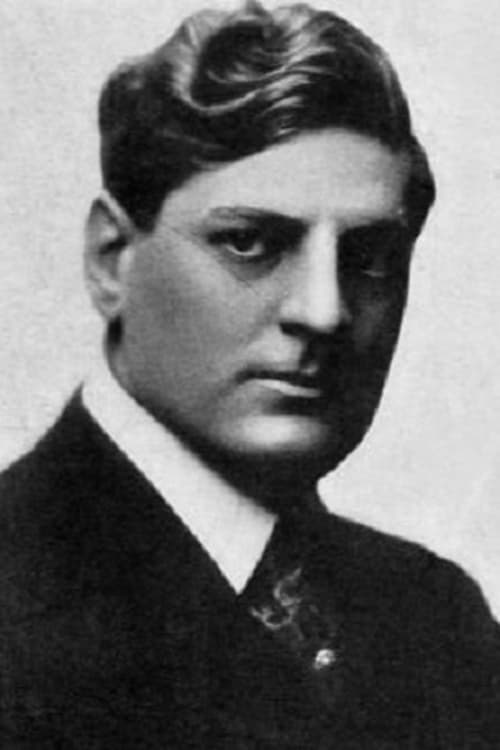
William Stowell
Acting
Known For
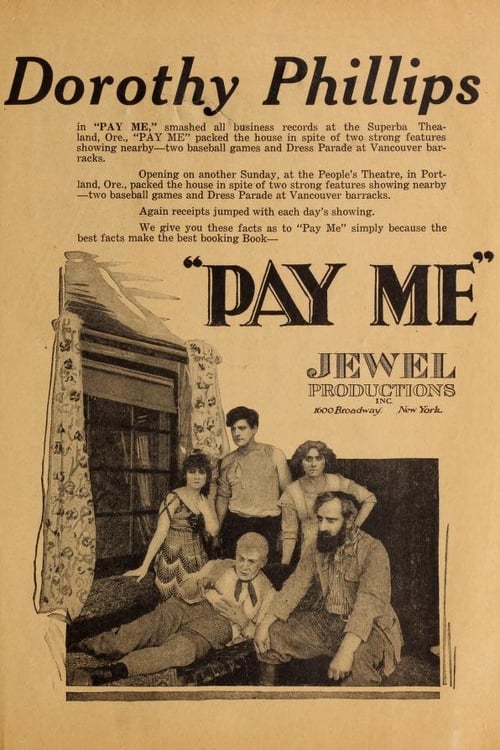
During a violent disagreement, a miner strangles his partner and accidentally shoots the man's wife. He then deserts his own wife and son to elope with the saloon keeper's daughter. As they are fleeing, the girl discovers the deed and insists upon caring for the baby found in the dead wife's arms.
Pay Me!
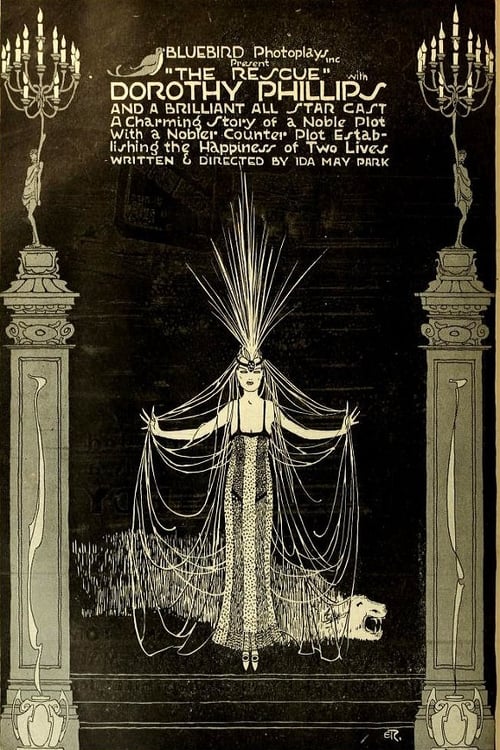
After divorcing her husband Kent, actress Anne Wetherall returns to the stage. Upon receiving a plea for help from childhood chum Nell Jerrold begging Anne to save Nell's daughter Betty from marrying Kent, the ex-Mrs. Wetherall decides to journey to the Jerrold's home in the town of Wheaton to investigate.
The Rescue
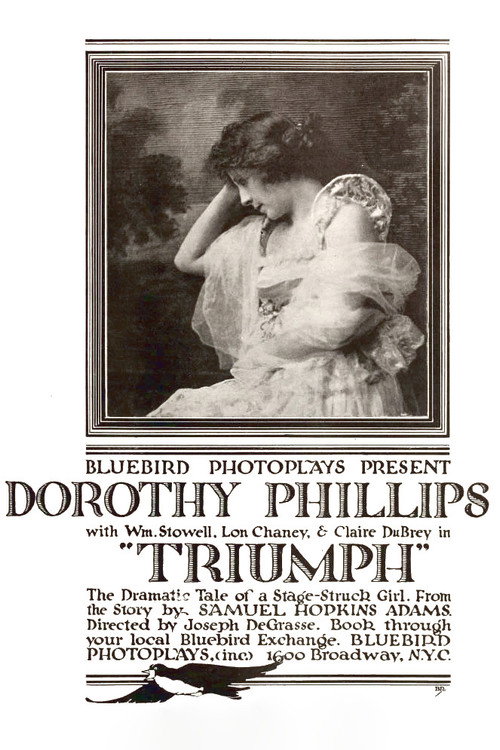
This melodrama about an actress in love with a playwright and the stage manager blackmailing her for her affections offers a unique glimpse into Chaney’s career before his classic performances in The Hunchback of Notre Dame and The Phantom of the Opera. Preserved and restored by the Academy Film Archive in 2004.
Triumph
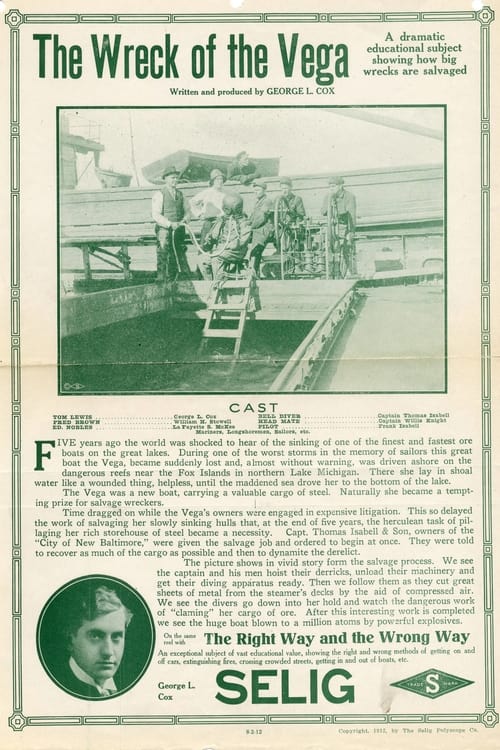
Five years ago the world was shocked to hear of the sinking of one of the finest and fastest ore boats on the Great Lakes. During one of the worst storms in the memory of sailors this great boat, the Vega, became suddenly lost and almost without warning, was driven ashore on the rocks near the Fox Islands in Northern Lake Michigan.
The Wreck of the Vega
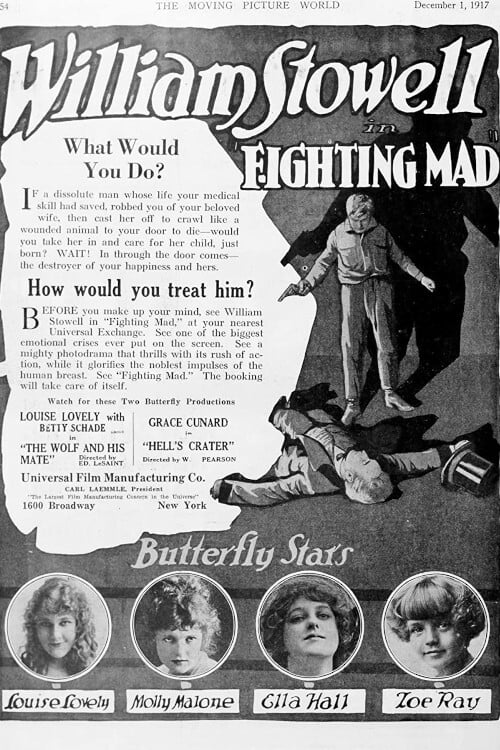
Doctor Lambert takes his wife west to a mining town, where he can both minister and doctor. His wife is not happy and upon discovering she is pregnant, runs away with a gambler. He soon dumps her, and she comes back and dies giving birth to a baby girl. Lambert, out of his mind with rage, leaves the baby on a doorstep and vows to never have faith again. He returns to the mining town fifteen years later a drunkard. He meets young, kind Lily Sawyer and is greatly impressed by her compassionate nature. Meanwhile, the gambler has returned and decides to abduct Lily, but his partner recognizes Lambert and tells him Lily is his daughter. He kills the gambler before he can harm Lily and soon his faith returns.
Fighting Mad
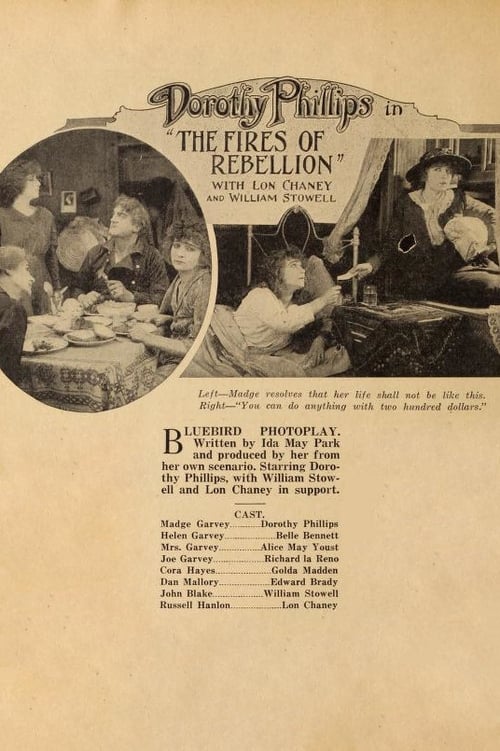
Madge Garvey (Dorothy Phillips) works in a shoe factory. Her father Joe (Richard de la Reno) is a drunk who beats his wife (Alice May Youss), and her sister Helen (Belle Bennett) has repeated the pattern by marrying Dan Mallory (Edward Brady). The new foreman, John Blake (William Stowell), fires Mallory. Mallory attacks him, but because of his alcohol abuse, his heart gives out and he dies. Blake asks Joe for Madge's hand, and he accepts for her. Madge longs for something better, when Cora, a former stenographer from the company (Golda Madden), writes her from the big city.
Fires of Rebellion
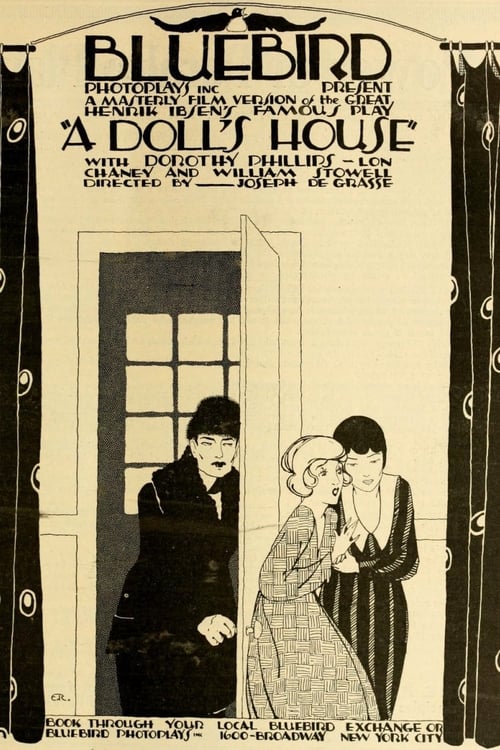
Nora Helmer has years earlier committed a forgery in order to save the life of her authoritarian husband Torvald. Now she is being blackmailed lives in fear of her husband's finding out and of the shame such a revelation would bring to his career.
A Doll's House
During a wonderful exhibition of horsemanship and cowboy skill. "Dud," the foreman of the Diamond S ranch, is handed a telegram summoning him to Chicago to claim a fortune left him by an uncle. There he falls in love and marries the stenographer in the office of his attorneys, after a year he tires of the monotony of the life he leads and wires for the entire outfit to come to Chicago and wake the town up. They carry out instructions elaborately much to the embarrassment of Mrs. "Bud." After they leave, "Bud" embraces his wife and to her great relief, whispers, "Never again."
The Millionaire Cowboy
After his young wife dies, Phillip Fletcher, a millionaire and sculptor, makes his home on an uncharted desert island. Harry LeRoy, a cad who is courting the widow Mrs. Hansen, desires the widow's convent-bred daughter Norma and persuades mother and daughter to accompany him on a sea cruise. When the ship catches fire, Norma, abandoned by LeRoy and her mother in the confusion, is washed ashore on Phillip's island.
The Girl o' Dreams
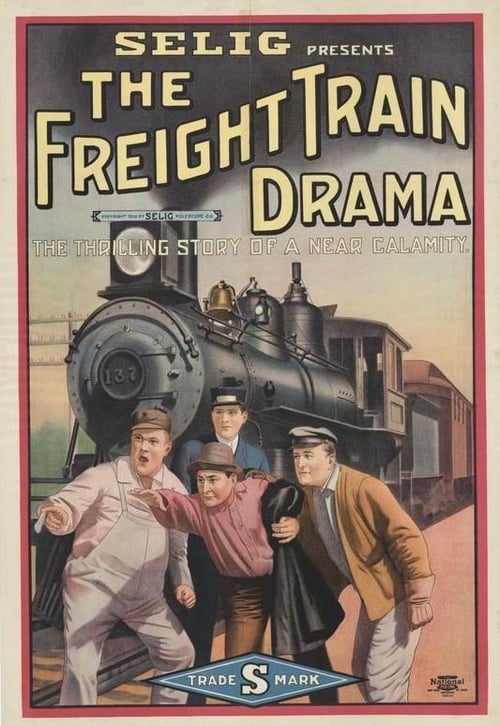
Short silent crime film about a man who thrown out by his wife. He joins bandits who want to derail an express train.
A Freight Train Drama
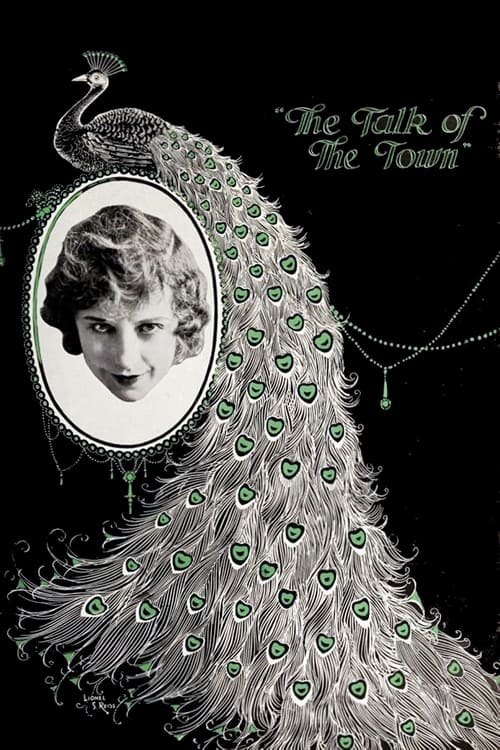
Her strict upbringing is driving Genevra French (Dorothy Phillips) crazy, so when she gets her hand on a book called "How to Attract the Opposite Sex," she takes its advice to heart. She uses her newly found wiles on Lawrence Tabor (William Stowell) and gets him to marry her. Only after the wedding does she tell him she married him just to get away from her family, and that she intends to do exactly as she pleases.
The Talk of the Town
Smith & Smith, publishers, in a letter, notify Professor Bernard that they will accept his latest story if he will alter the enclosed paragraph: "Marry me and I will do away with my wife as I did her father." The absent-minded professor leaves this paragraph on his study table while he goes to the store to secure some cloth for his wife. The Professor, however, is very absent-minded, and forgets his mission when he meets a group of firemen who induce him to play a game of checkers. In the meantime, Ellen, the cook, is having her troubles with the butcher boy, who brings liver instead of chops, as ordered.
All on Account of Checkers
Jack Lane (William Stowell) has made an invention for photographing wild animals. It consists of a camera with a trigger -- when the trigger is stepped on by a passing animal, a flash goes off and the camera shoots the picture. Lane goes up to the mountains to try out his new contraption. When a recluse refuses to let him spend the night in his cabin, Lane goes to sleep out of doors, with the camera set up near by. In the middle of the night, he is awakened by the flash and the sound of gunshots. Trekking back to his own cabin the next day, he develops the picture, which is of a girl holding a rifle. He returns to the recluse's cabin where he is arrested for murder.
The Flashlight
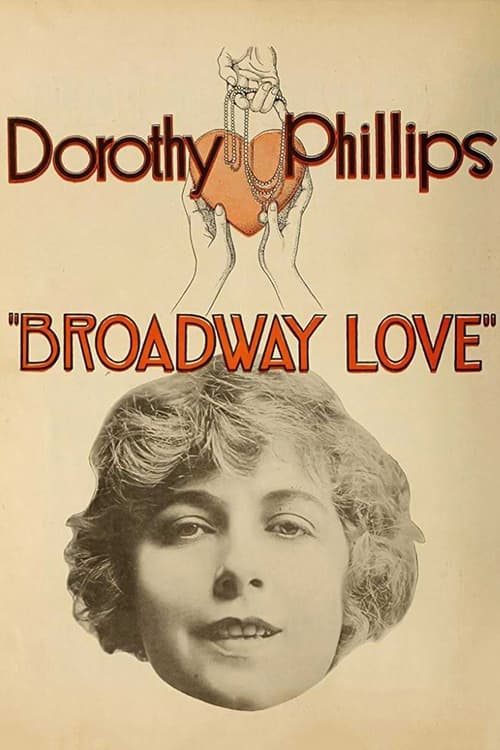
A small-town girl who goes to New York hoping to become a Broadway star falls in with a fast crowd.
Broadway Love
Pauline Cushman leaves the theater to become a Federal spy. Working with Henry Holmes of the Secret Service, she escapes execution twice and helps Gen. Rosencrans in battle against Confederate generals Bragg, Forrest, and Morgan.
Pauline Cushman, the Federal Spy

The story centers around Nanette, an American girl living in a small Canadian village, who is in love with John Patricia, the eldest of five brothers. The war interrupts their romantic idyll, as everyone goes overseas to Belgium and France. Nanette becomes a Red Cross nurse and is terrorized by the evil Prussian Lt. von Eberhard.
The Heart of Humanity
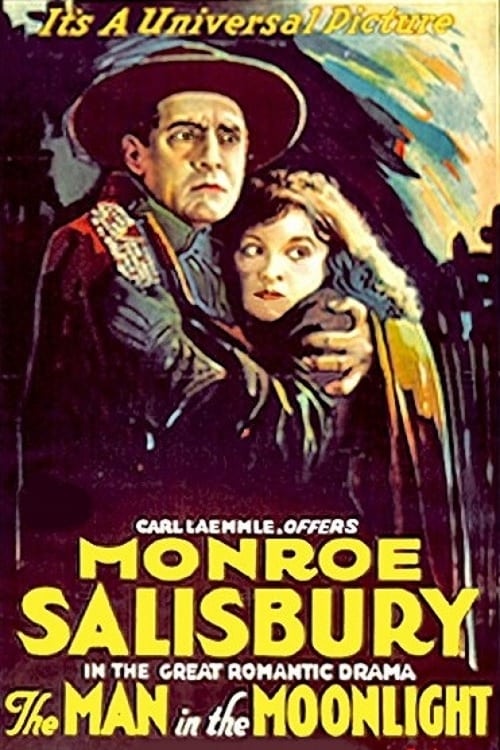
Two mysterious strangers arrive uninvited at the wedding of Sergeant O'Farrell of the Royal Mounted Police and Rosine Delorme, the daughter of an innkeeper. After O'Farrell receives a message that Rosine's wayward brother Louis has escaped from prison with the notorious devil-may-care outlaw Rossingnol, O'Farrell postpones the wedding to find the convicts.
The Man in the Moonlight
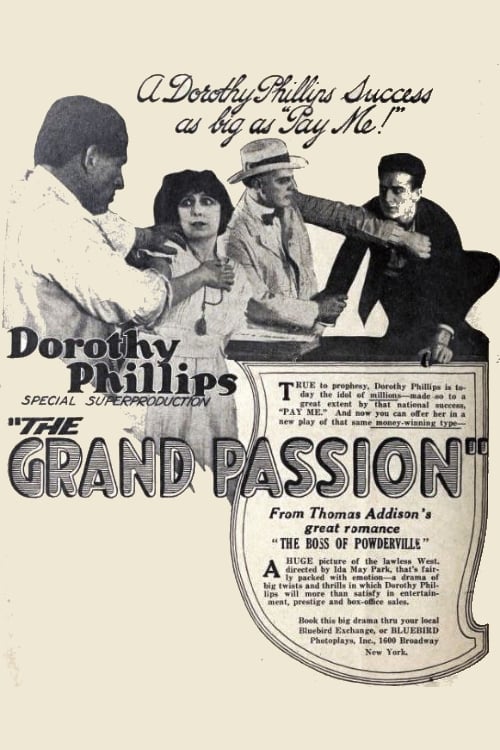
Dick Evans is the corrupt boss of a rough-and-tumble munitions town called Powderville. He hires his friend, Jack Ripley, to establish a newspaper, intending merely to further his own financial ambitions; however, Jack envisions The Trumpet as an instrument of good and soon persuades Dick to clean up Powderville.
The Grand Passion
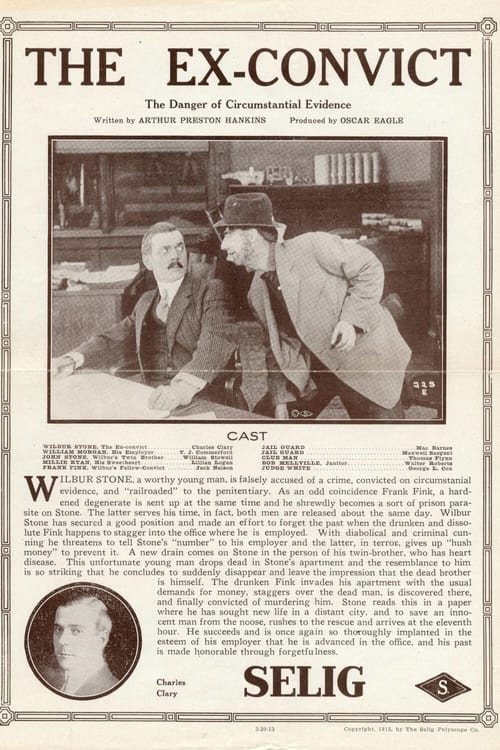
Wilbur Stone is falsely accused of a crime, convicted on circumstantial evidence and "railroaded" to the penitentiary. As an odd coincidence. Frank Fink, a hardened degenerate, is sent up at the same time and he becomes a prison parasite on Stone. Both men are released about the same time.
The Ex-Convict
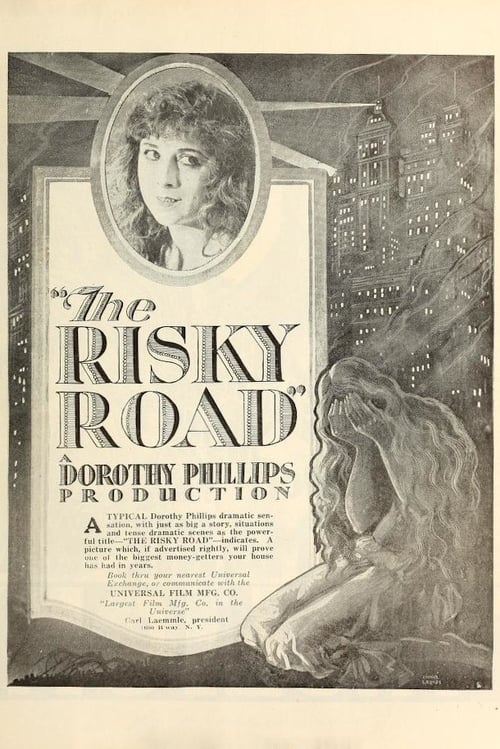
Ida May Park started in the film business as a scriptwriter, but in 1917 Universal announced that Park would direct films with actress and producer Dorothy Phillips for the company’s Bluebird brand. Park’s films often had a strong female perspective and The Risky Road is no exception. The story of a country girl who comes to the city to work, but falls for a rich man and undeservedly gets a bad reputation, the film was marketed as “the drama every woman should see”. The surviving fragment, showing the despair of Phillips’s character, is a real cinematic gem that leaves one yearning for more material of the film to be discovered. In 2008, a tinted nitrate fragment, with Swedish intertitles at the opening of the second reel, was deposited at the Archival Film Collections of the Svenska Filminstitutet. From the fragment, a 35mm B&W duplicate negative was made, from which this print was struck using the tinting of the nitrate as color reference.