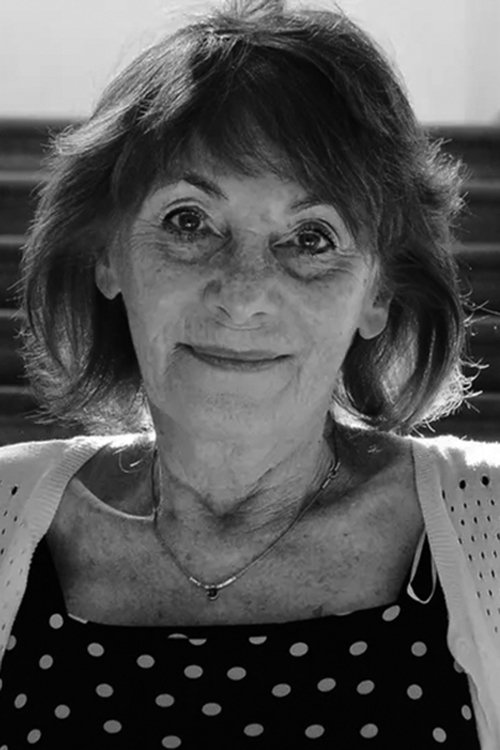
Tamara Trampe
Directing
Known For
Annual awarding of the Grimme Awards.
Grimme Award
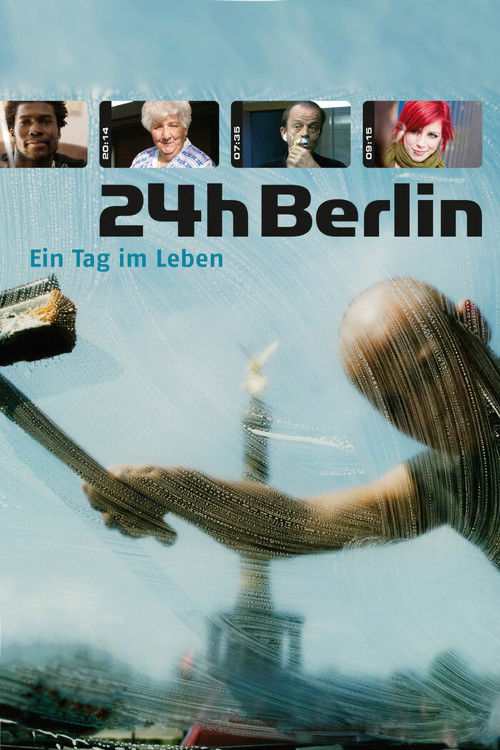
24-hour television documentary about Berlin and its inhabitants, reporting in real time on the everyday lives of more than 50 protagonists from a wide range of professions, social classes, religions and ethnicities.
24 Hours Berlin
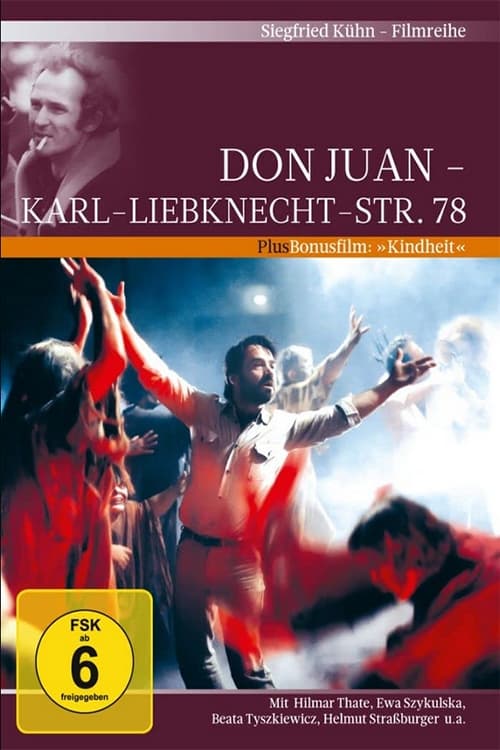
In a backwater town, opera director Andrej Wischnewsky is supposed to put on a production of Mozart's "Don Giovanni".
Don Juan, Karl-Liebknecht-Str. 78
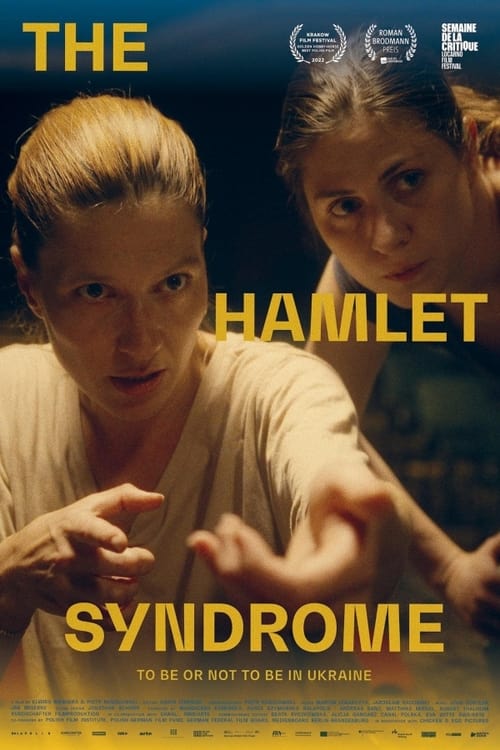
Five young Ukrainians discuss life following the Maidan Revolution of 2014. Not all fought in the Russian-Ukrainian war, but it, regardless, shattered their life plans. Representing 'Generation Maidan', they face the question of how to cope with experiences of violence, how to go on. A local theatre director produces Hamlet, wherein they can use Shakespeare’s tragic character as a mirror and face their traumas onstage. For them, 'to be or not to be' is not simply text but an existential dilemma with no clear answer.
The Hamlet Syndrome
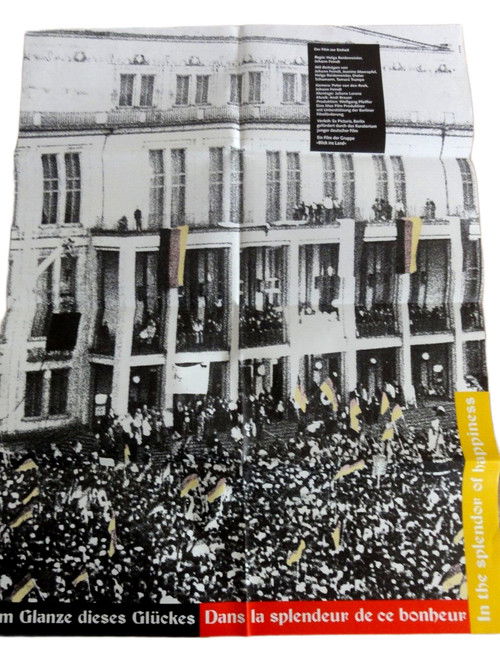
Citizens of East Germany talk about their experiences and feelings in the face of upcoming elections that will lead to reunification with the West. The past is tinged with regret, frustration and anger, while the future is uncertain.
In the Splendour of Happiness
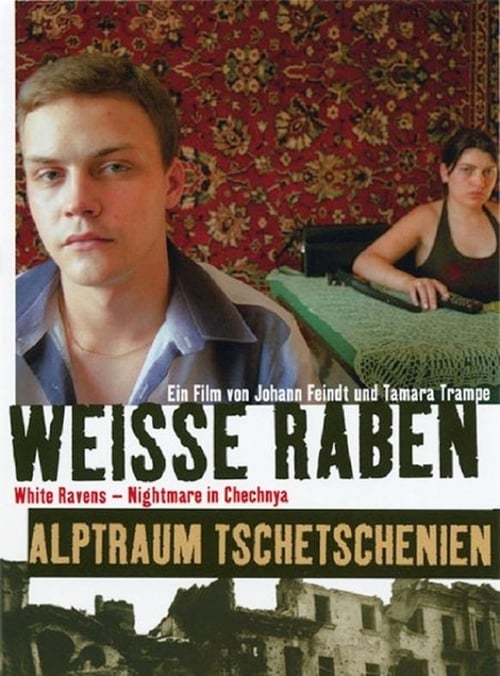
The documentary film reflects on the war in Chechnya based on the experiences of young soldiers who return from the mission mentally and physically broken. Conceived as a montage of emotional confrontations, it gains from the closeness and trust between directors and protagonists. The young men's reflections are expanded and deepened by memories of an elderly Afghanistan veteran, scenes from the Moscow Committee of Soldiers' Mothers and images of a brutal operation by the Russian army against Chechens.
White Ravens - Nightmare in Chechnya
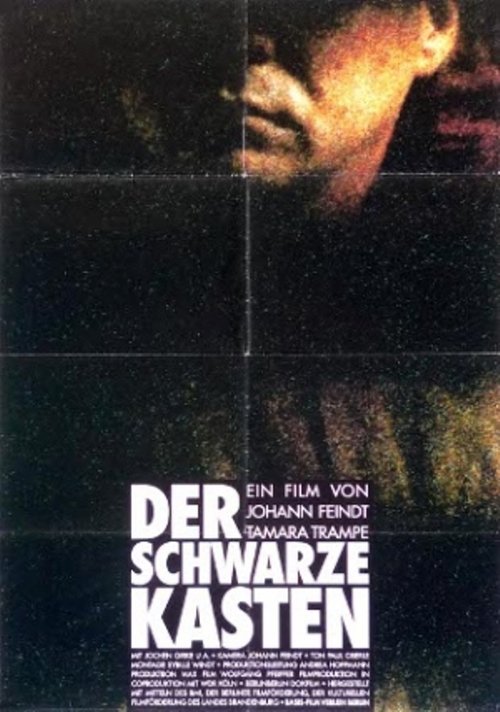
Interview with Jochen Girke, a retired East German Stasi agent, filmed March, 1990 to June, 1991. Questions explore his study of psychology for use as a filmmaker and trainer of interrogators and informers. Segments include conversations with his parents, teacher, former girlfriend and wife.
Der schwarze Kasten
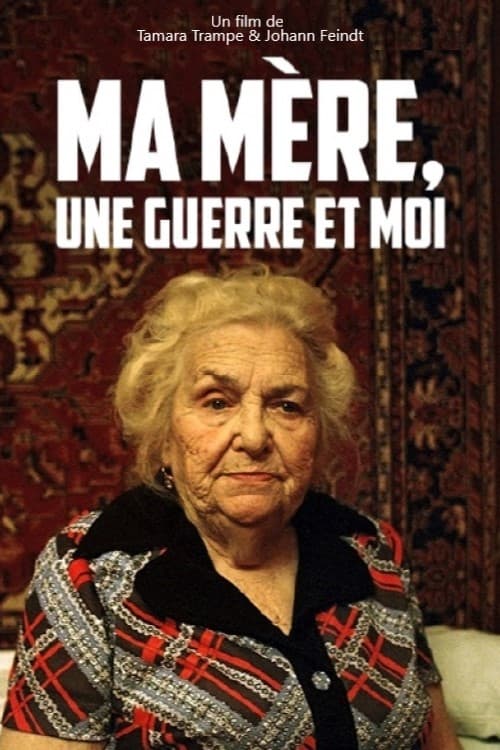
1942, and a spectacular wartime birth in the depths of winter: a young russian nurse unexpectedly goes into labour and, all alone and in freezing temperatures, gives birth to her daughter Tamara in a field on the banks of the Volga. The most personal film to date from co-directors Tamara Trampe and Johann Feindt is dedicated to Tamara's own family history. The search for her unknown father who, as a russian officer, made the young nurse pregnant, is complicated by the fact that her mother has never come to terms with her wartime trauma and worn family photos only seem to show happy-go-lucky life before the war. But the director won't give up so easily and, through a mixture of personal childhood recollections and conversations with relatives and former nurses who were on the front in Ukraine, she puts together the pieces of the puzzle.
My Mother, a War and Me
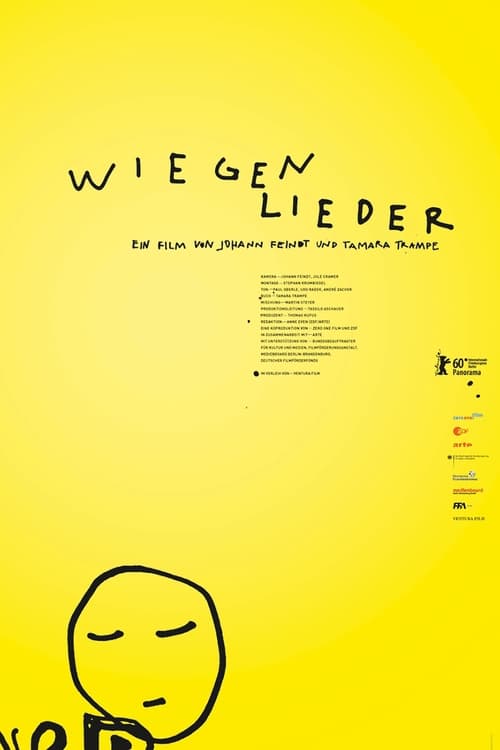
Lullabies are our first connection to the world – a universal experience we all share, yet it remains deeply personal. "Can you recall a song that your mother would sing for you to fall asleep?" is the question Tamara Trampe and Johann Feindt ask people they meet in the streets of Berlin.
Lullaby
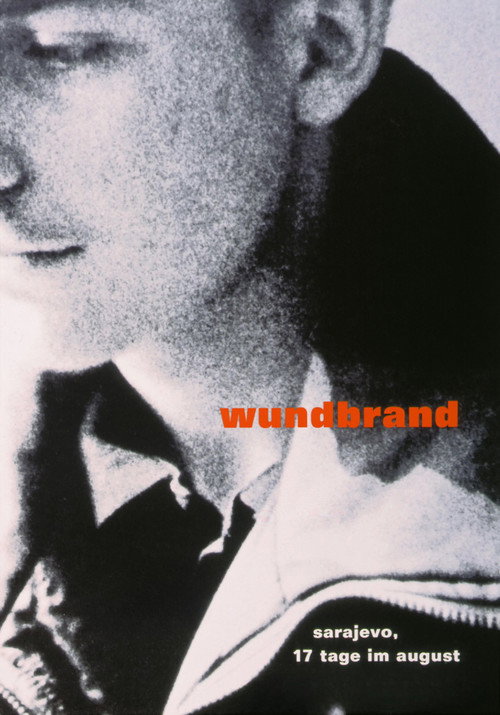
Wundbrand is a document of war and life. Through images, conversations and sound collage, the film reveals the reality of the destruction of Sarajevo and its inhabitants.
wundbrand - sarajevo, 17 tage im august
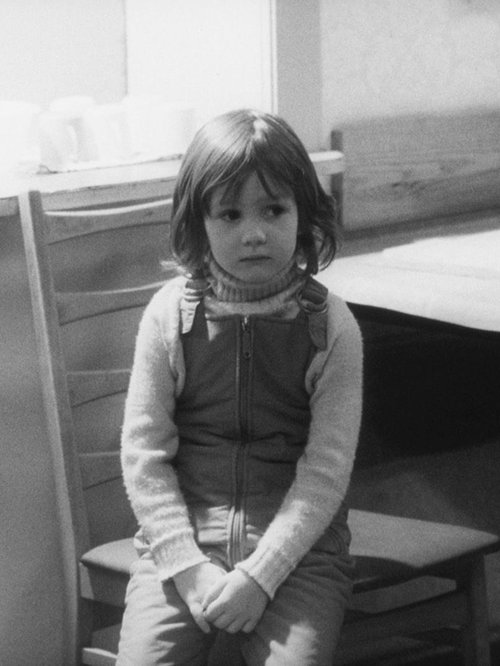
The interviews conducted by Tamara Trampe in a Pankow kindergarten testify to a rare attempt to enter the world of the young interviewees completely, to give their stories a space where reality and fantasy, worries and wishes can mix freely. A space that’s not always provided in the daily life of the kindergarten, as the film casually suggests even after it was toned down by the DEFA censors: toilets without doors, ghastly birthday parties and friendly but unmistakable reprimands when the children let too much dialect slip into the grammar exercise or when their pictures of soldiers are not realistic enough.
Once I Was a Child
Knives have a long history, almost as long as mankind itself. An invaluable tool, first made of stone and later forged in metal, essential for countless everyday activities, from farming and hunting to cooking. Its use as a weapon is just as ancient. However, it is only in our times, in this century, that the knife seems to be making a comeback as a weapon, and with a clear political connotation at that; wielded by extremists acting alone among unsuspecting crowds. The Radical Self takes on the responsibility of investigating the phenomenon of this particular form of terrorism perpetrated by jihadists. The consistent effort to comprehend it, from a historical, political, and psychological point of view, asks the viewer to direct both gaze and mind toward a space of liminal (and certainly terrifying) psychosocial realities and cultures.