
Maria Della Costa
Acting
Biography
Maria Della Costa, stage name of Gentile Maria Marchioro (Flores da Cunha, January 1, 1926 — Rio de Janeiro, January 24, 2015), was a Brazilian actress of Italian descent.
Known For
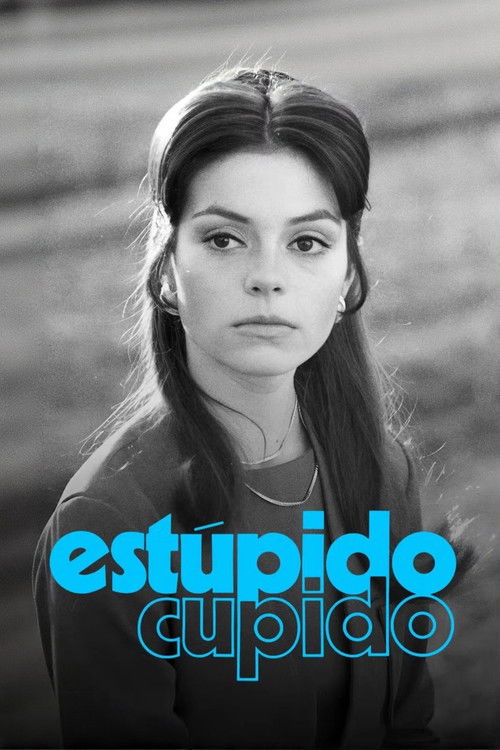
The story is set in the fictional city of Albuquerque, in the interior of São Paulo, in the early 1960s – a time marked by changing behaviors in much of the world. There, young people enjoy the sounds of rock and twist on the dance floors, follow the fashion of jeans and leather jackets, and show off on Lambrettas and motorcycles through the city streets. In this context, Maria Tereza, a student teacher, dreams of living in the capital and being elected Miss Brazil, but clashes with her boyfriend, João. An idealistic young man who intends to pursue a career in journalism, he is consumed by jealousy of his beloved.
Estúpido Cupido
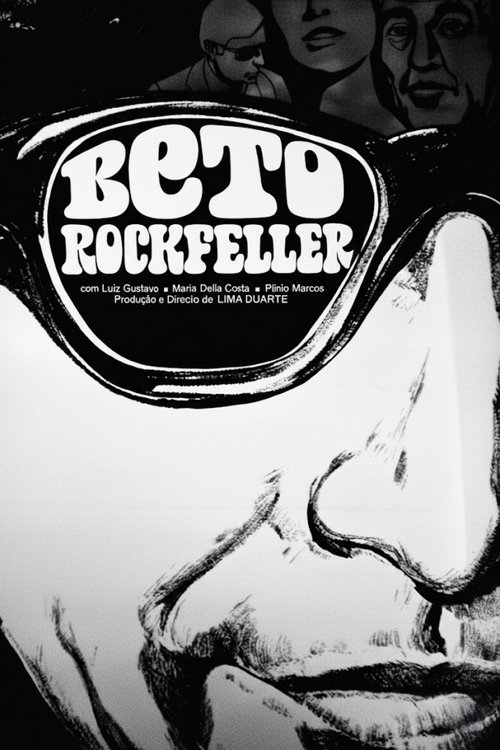
Albert, the Rockefeller is a Brazilian telenovela produced by TV Tupi and aired from November 4, 1968 to November 30, 1969. It was created by Cassiano Gabus Mendes, written by Bráulio Pedroso and directed by Lima Duarte and Walter Avancini.
Albert, the Rockefeller
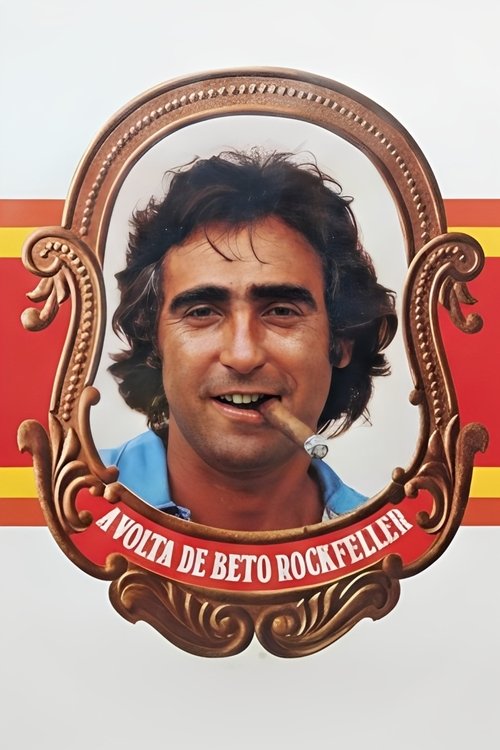
The big shot Albert returns after three years, reuniting with his family — his parents and his sister. And he gets in touch with some acquaintances, such as his old friend Vitório and a decadent high society woman. And once again Albert, the Rockefeller gets involved with millionaires and opportunists.
The Return Of The Rockefeller
No description available.
A Barba Azul

No description available.
As Bruxas

No description available.
Sétimo Sentido
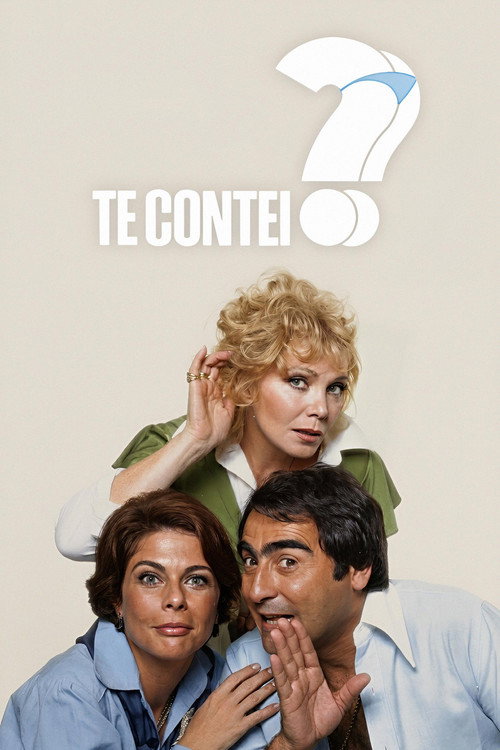
Sabrina is a wealthy young woman who hides her compulsion to steal from her parents – Hilda and Fred – and also conceals the fact that she rents a room at Lola's boarding house in the Rio de Janeiro suburbs, where she pretends to be a modest young woman looking for work. The parallel plots of the story unfold through these two distinct worlds in which Sabrina lives.
Te Contei?
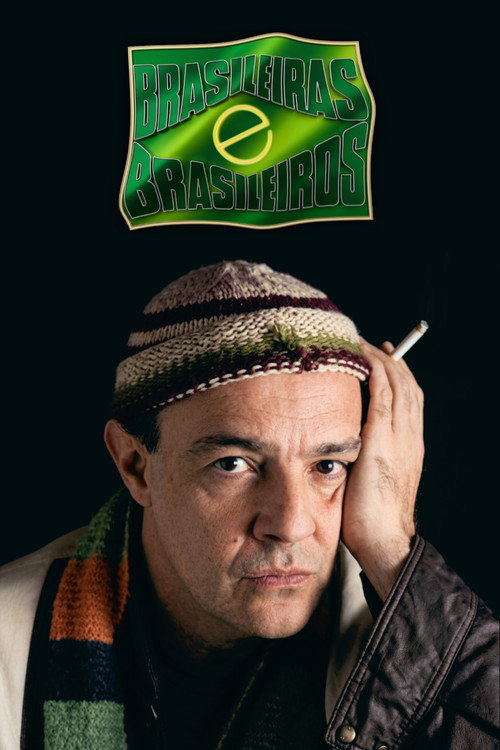
Brasileiros e Brasileiras is a Brazilian telenovela shown in some schedules SBT between November 5, 1990 and May 14, 1991. Writing for the show was done by Carlos Alberto Sofredini and Walter Avancini, who also directed it. The show was a co-production of the Miksom.
Brasileiras e Brasileiros
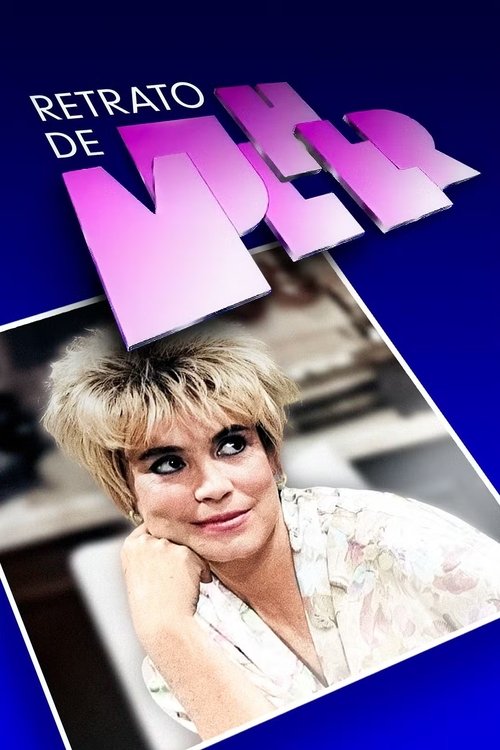
No description available.
Retrato de Mulher
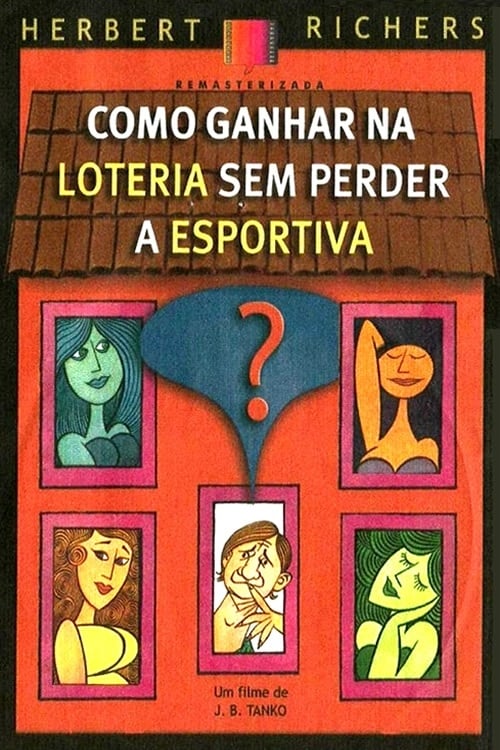
A comedy about the happiness of several people who won the number 12 of Sports Lottery, thinking they are the only winner. Among them, one priest seduced by the devil disguised as a sacristan, one taxi driver who is planning to buy an entire fleet of cars, and prostitutes who leave their brothel, only to return again later.
Como Ganhar na Loteria Sem Perder a Esportiva
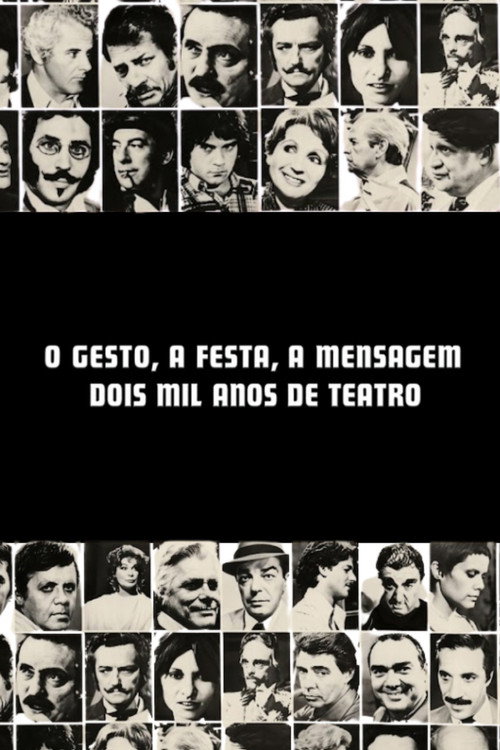
No description available.
O Gesto, a Festa, a Mensagem - Dois Mil Anos de Teatro
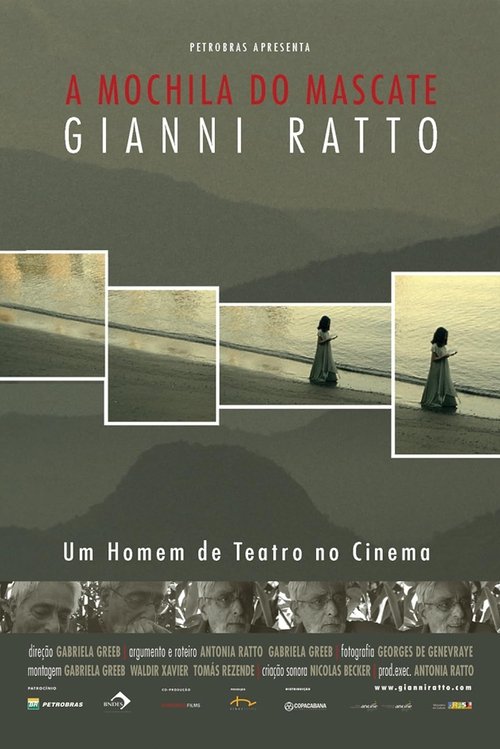
From Italian set designer to Brazilian stage director, Gianni Ratto, born in Italy in 1916 and based in Brazil since 1954, retraces the geographical path of his life, accompanied by his daughter, passing through Genoa, Milan, Florence, São Paulo, and Rio de Janeiro, visiting places and people who marked his journey. At each encounter, Gianni speaks of his work and reveals the ideas of someone who not only executes but also thinks about theater from a humanist perspective.
The Peddler's Backpack
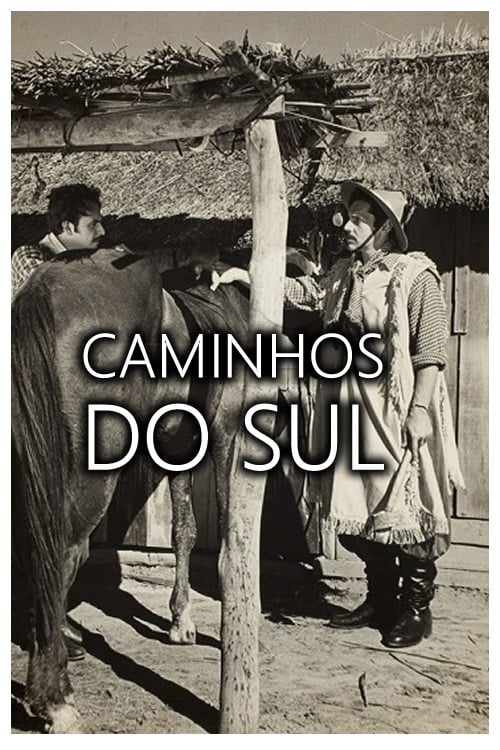
No description available.
Caminhos do Sul
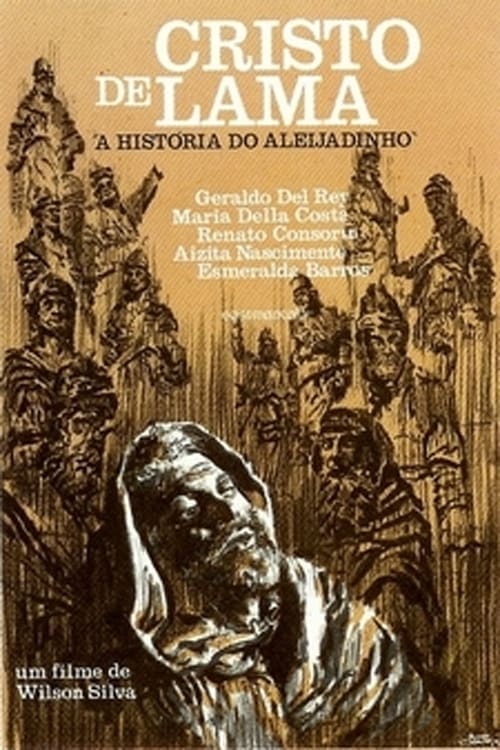
The story of Antônio Francisco Lisboa, the famed Brazilian sculptor and architect born in the 17th century who became known as "Aleijadinho".
Cristo de Lama
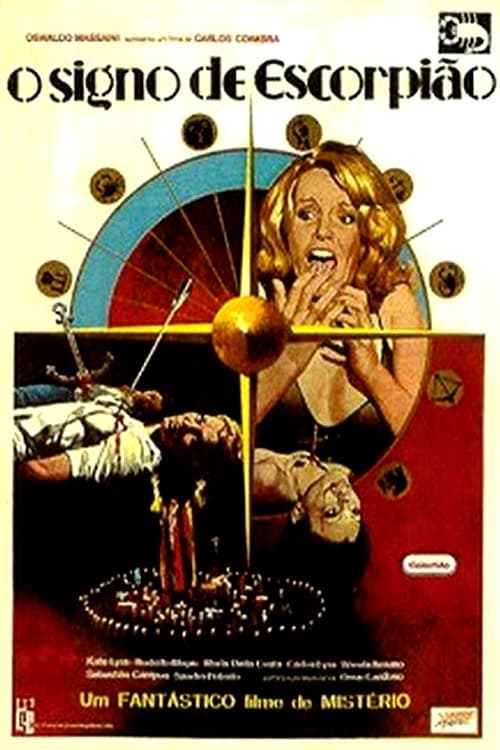
For the launch of his new giant horoscope computer, famous astrologer Alex invites to his private island friends representing each of the 12 zodiac signs. During the welcome party, one of the guests is mysteriously murdered. Unable to leave the island, the others witness new deaths, always announced in advance by the computer.
The Sign of Scorpio
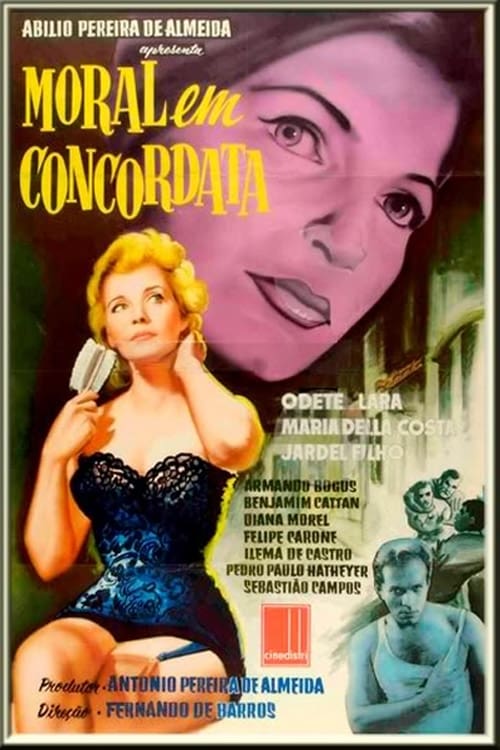
Rosario is a prostitute who lives in her married sister's house. When the latter wants to be a hooker too, she doesn't approve.
Moral em Concordata
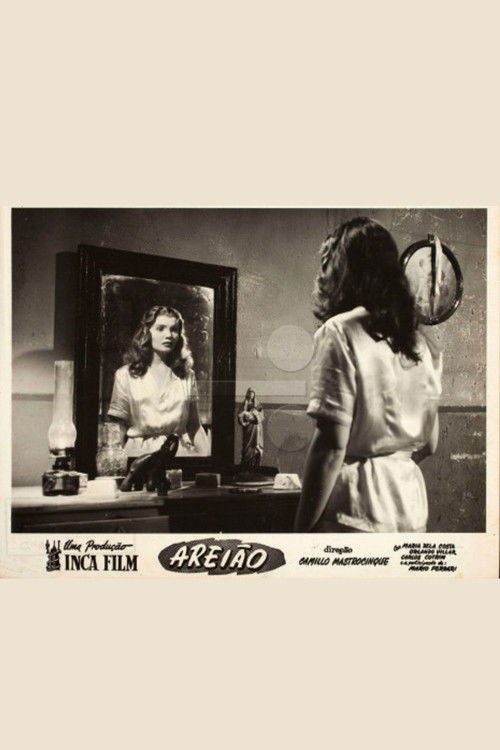
Camillo Mastrocinque was one of many foreigners who came to Brazil in the 1950s to make films. The director of melodramas during the Italian fascist era directed this film, Areião (Inca Film, 1952), which could have spared Maria Della Costa. The film was renamed La priggione di sabbia to compete at the Venice Film Festival, but was rejected.
Sand
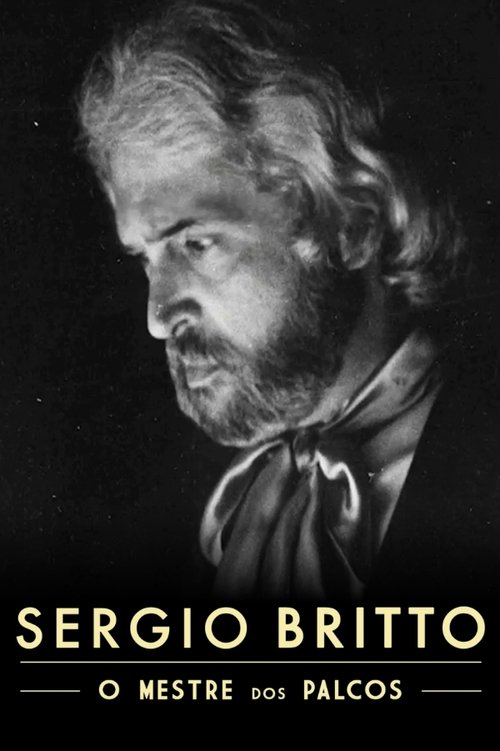
The documentary follows the many facets of actor and director Sérgio Britto, from behind the scenes at theater companies to his experiences in literature and opera. The actor was the creator of the "Grande Teatro Tupi," a program that produced over 450 play adaptations and featured actors such as Fernanda Montenegro and Ítalo Rossi.