Gabriel Abrantes
Directing
Biography
Gabriel Abrantes, born in North Carolina, United States, in 1984. His films have premiered at the Quinzaine des Réalisateurs and Semaine de la Critique - Cannes, Berlinale, Locarno Film Festival, the Venice Biennial, and the Toronto International Film Festival.
Known For

When Edward’s search for his biological family leads him and his girlfriend Ryley to a magnificent villa high in the mountains of Northern Portugal, he is full of excitement at meeting his long-lost mother and twin brother. Finally, he will discover who he is and where he comes from. But nothing is as it seems, and Edward will soon learn that he is linked to them by a monstrous secret.
Amelia’s Children

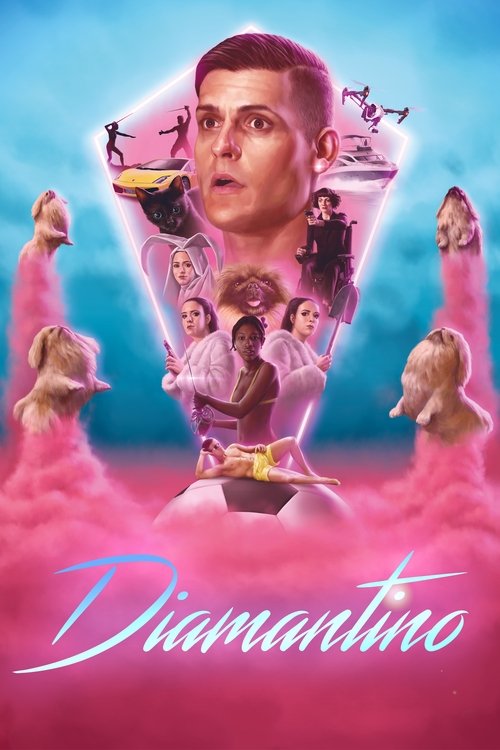
A disgraced soccer star seeks redemption but is exploited by a variety of causes hoping to capitalize on his celebrity.
Diamantino

In this short comedy, Luis Vaz de Camoes, the greatest Portuguese renaissance poet, struggles creatively while engaging in a hedonistic, coprophagic, and drug addled lifestyle. The film follows the poet, and his lover Dinamene, as he writes his masterpiece, the epic poem "Os Lusiadas." He travels from the cacophony of the Indic jungles, surrounded by allegorical elephants and rhyming macaques, to the frontier of Heaven and Hell, where he is confronted by his fantasy: fame and immortality.
Taprobana

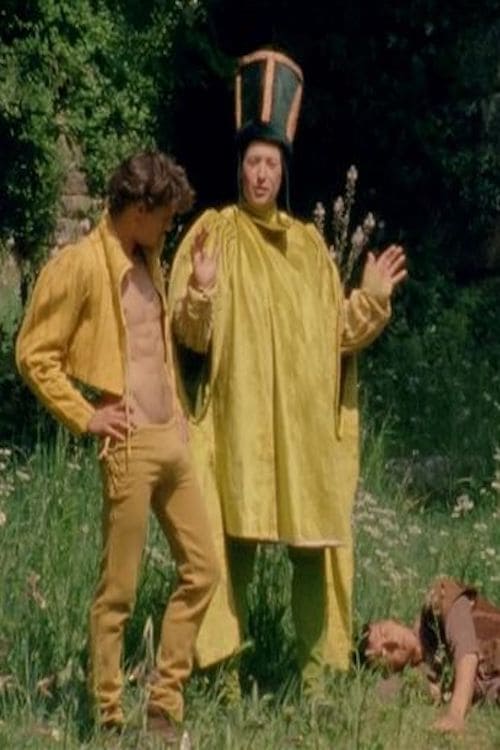
A delirious sci-fi riff on the Arabian Nights' 'Tale of the Hunchback', that submerges us in a technological dystopia reigned by Dalaya.com, a mega-corporation that forces its employees to 'relax' at company-run medieval reenactments.
The Hunchback

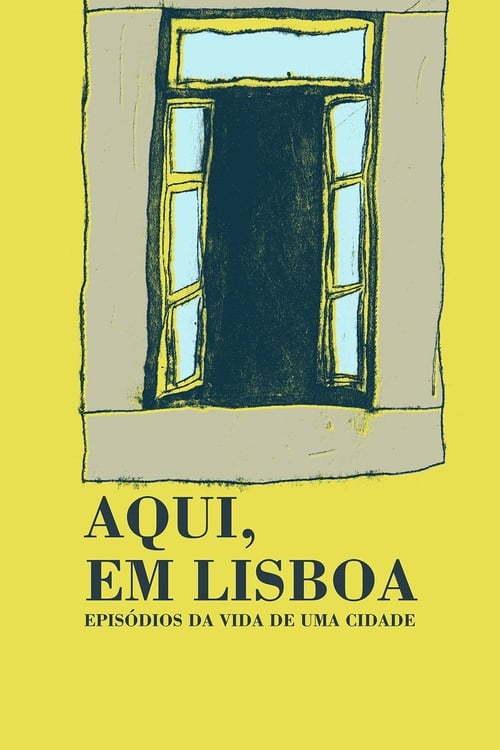
Welcome to Lisbon: there are mermaids by the Tagus and birds flying over the old city; there are mad scientists and singing fish; lost tourist guides and lost tourists; fado and sad guitars. What a weird city you may think - but no. Lisbon is about being different, sarcastic, welcoming to foreigners even in an economic crisis. Different directors became fascinated by our strangeness. We became fascinated by these directors. The city is never the same in these four episodes, here in Lisbon.
Here in Lisbon

Using a mix of Hollywood aesthetics with documentary strategies, the film follows a young indigenous girl from the Xingu National Park to São Paulo, where she falls in love with a robot that also happens to be a stand-up comedian. This strange story mixes the anthropology of humor, indigenous communities, and artificial intelligence.
The Artificial Humors

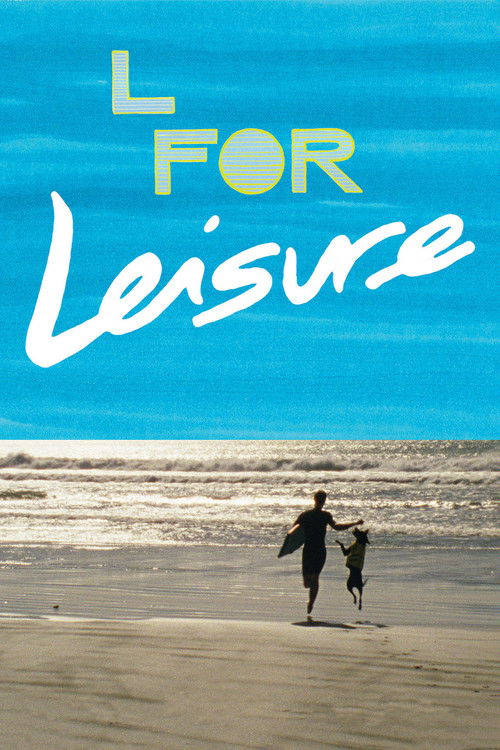
A dreamy, ironic comedy about a generation of hedonistic students in the 1990s. Their favourite activity: talking endlessly. During a series of vacation days filled with sun-drenched naps, squabbling, waterskiing competitions and love-making, the amateur actors discuss their concerns in dry dialogues. For instance, semi-intellectual reflections on the end of time and how Michael Jordan plays basketball.
L for Leisure

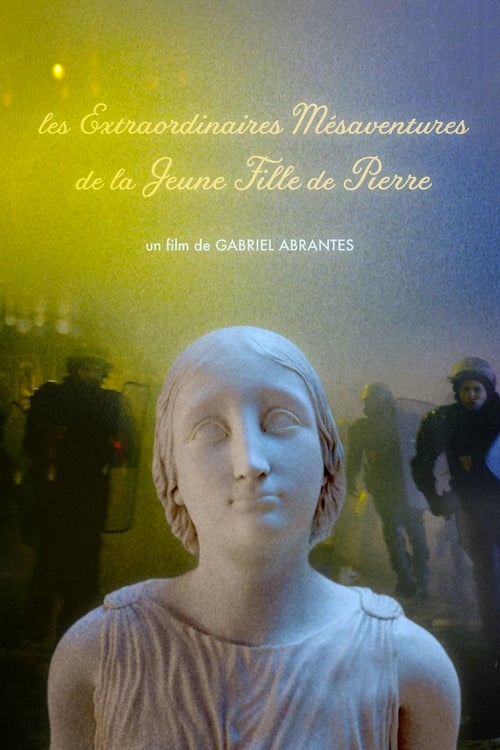
Tired of being a banal architectural ornamental, a sculpture runs from the Louvre to confront real life on the streets of Paris.
The Marvelous Misadventures of the Stone Lady
“I could do wonders if I didn't have a body. But the body grabs me, it slows me, it enslaves me.” -- Ponce de Léon Our PONCE DE LEÓN discovered the fountain of youth and drank of immortality in the waning moments of his life. In an instant, he became old forever – an 80-year old Spaniard who would continue to walk the earth for century after century after century, watching as coral foundations gave way to mangrove swamps, as swamps were drained and buildings were erected, as buildings decayed and swamps returned. Our PONCE DE LEÓN is an immortal for whom time poses the greatest dilemma – it is a constant, a given, and his personal battle lies in trying to either arrest time entirely or to make the hands on his clock move ever faster. For Ponce de Léon, time is a problem of body, and only by escaping his container can he escape time itself.
Ponce de León

Three teenage girls are heading home in their Mini Cooper S. They discuss their boyfriends, their boyfriend's mothers, their boyfriend's mother's cars, and Judaism.
Baby Back Costa Rica

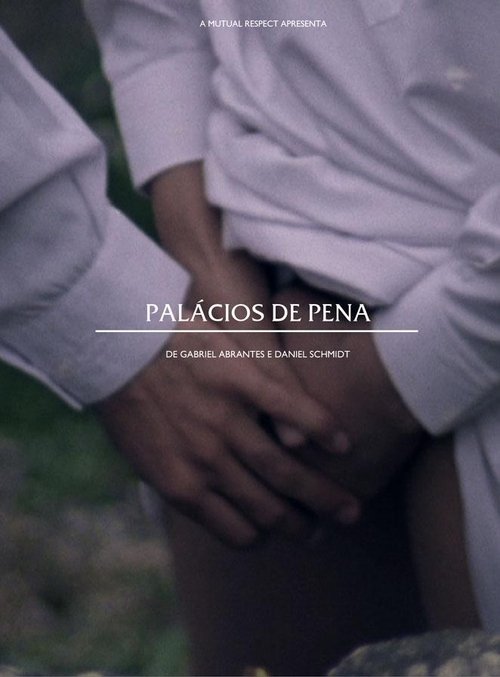
Haunted by their own directionless lives, two pre-adolescent girls reunite while visiting their ailing grandmother. In the midst of her fantasies of a medieval past - one consumed by fear and desire - the two girls are transformed and confront a legacy of oppression, juxtaposing their budding identities to a trial condemning two Moorish homosexuals to burn at the stake.
Palaces of Pity

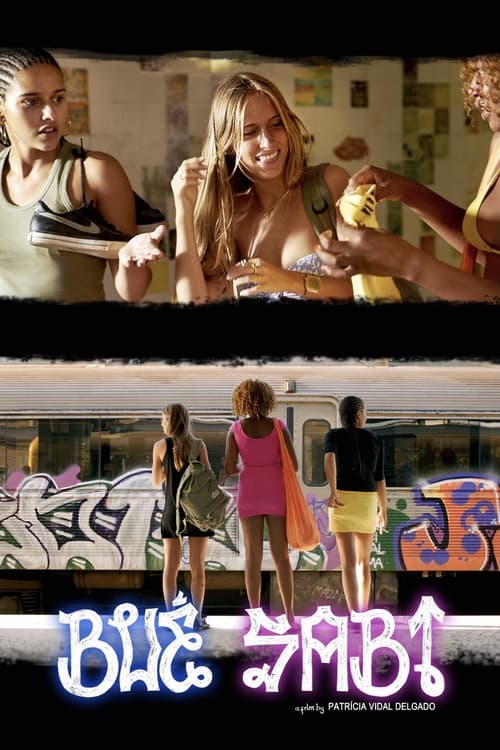
'Bué Sabi' (pronounced "bweh sabi") portrays the unlikely friendship of three female characters: a troubled girl of Gypsy descent who lives in one of Lisbon's toughest neighbourhoods, her best friend from Cape Verde and a young middle-class girl. Apart from their differences, they are good friends. Until one fateful night in Lisbon...
Bué Sabi

A documentary about the world of portuguese cinema, with interviews with some critics and directors.
A Portuguese Film

In a dystopian future where survival of all life on the planet depends on the ragged remnants of what used to be the Amazon rainforest, eco-activist couple Rob and Ryan acknowledge the fact that their mission to save humanity from extinction is doomed. Leaving the rainforest behind, they and adopt little Sasha, born of a young woman who rented her womb for money only to die giving birth. Forced to look straight into the cynicism and selfishness of their choices, while Apocalypse rages around them, Rob and Ryan must finally face their own contradictions without hypocrisy.
Too Many Daddies, Mommies and Babies

The apparition of a bloodstain reaffirms the relentless cycle of life, filmed in all its fragility and complexity.
The Lamb of God

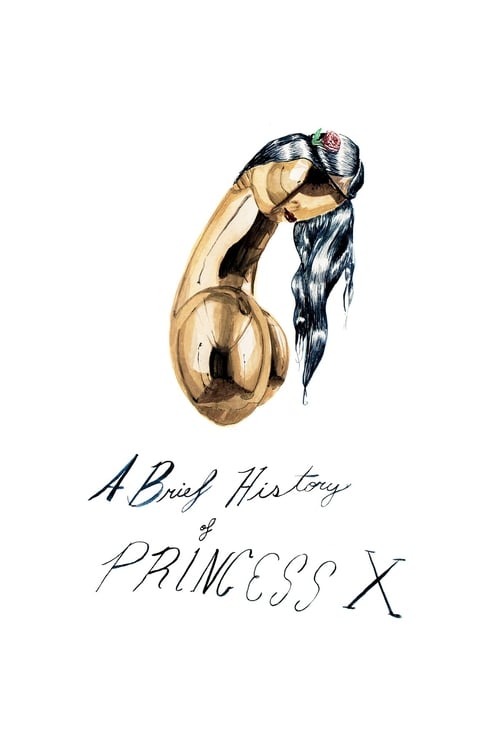
A look back at the history of Brancusi's futuristic golden bronze phallus "Princess X" that is in fact a bust of Napoleon's incredible great-niece, Marie Bonaparte.
A Brief History of Princess X

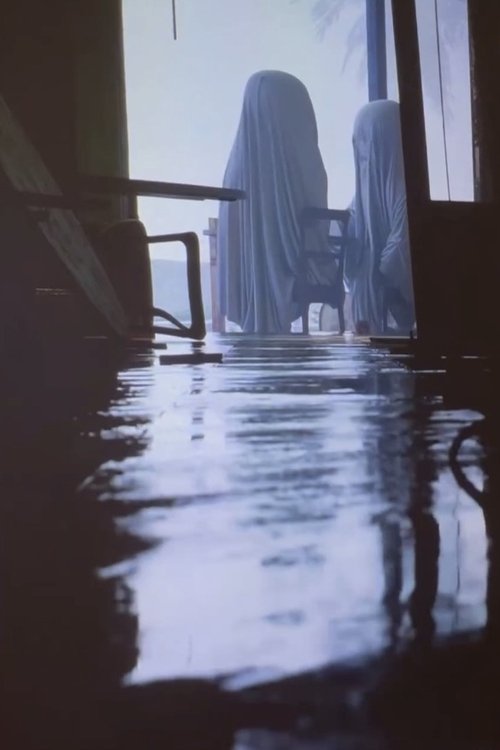
Set in a flooded and burning digital wasteland, ghosts argue about genetic testing, grief, and love.
Arguments in Favor of Love

Gabriel Abrantes and Alexander Melo deconstruct the 1st section of Shakespeare's Taming of the Shrew as a playful, vibrant ode to bacchanalia, classicism and homoeroticism.
Fratelli

Two ghosts explore autobiographical fragments within the broader existential theme of genetic ancestry and its relation to racial hierarchy.
Genetics

Story about Incest and the Iraq war.