Gwynne Dyer
Writing
Biography
Michael Gwynne Dyer OC is a British-Canadian military historian, author, professor, journalist, broadcaster, and retired naval officer. Dyer rose to prominence in the 1980s with the release of his television series War in 1983 and the publication of an accompanying book in 1985. Since the 1960s he has lived in London, England, where he works as a syndicated columnist. Dyer is a noted expert in Middle Eastern affairs, having completed his graduate work in this area and written several books on the subject. More recently he has focused on climate change and its geopolitical consequences.
Known For
This series of seven one-hour films examines the nature, evolution and consequences of modern warfare. Filmed in ten countries, on two oceans, and with the co-operation of the armed forces of six nations, War features interviews with top-level NATO and Soviet military leaders and strategists, eminent historians and other professional observers of combat. Drawing as well on film and picture archives worldwide, with footage of important battlefields on three continents, this documentary series argues that war, an institution invented to settle disputes between nations, no longer serves its purpose. It concludes that nations must find other ways to resolve their differences. The on-camera host for the War series is Gwynne Dyer, Canadian international affairs analyst and military historian.
War

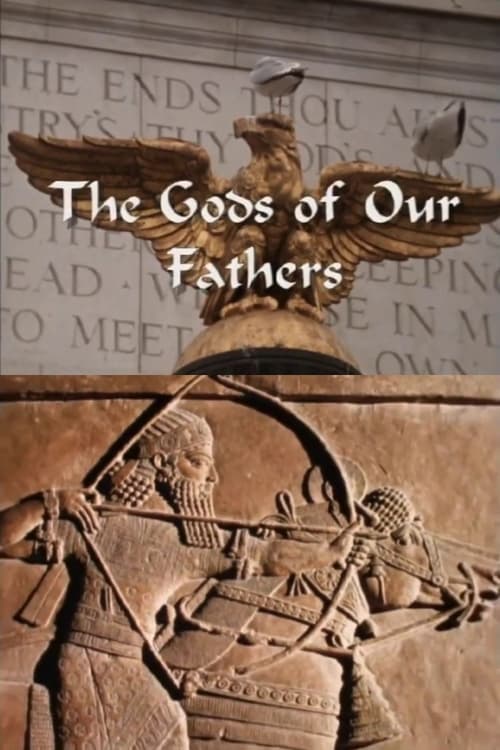
Explores the evolution of patriarchy as one effective way of organizing mass societies, from evidence in ancient Egyptian villages along the Nile.
The Gods of Our Fathers

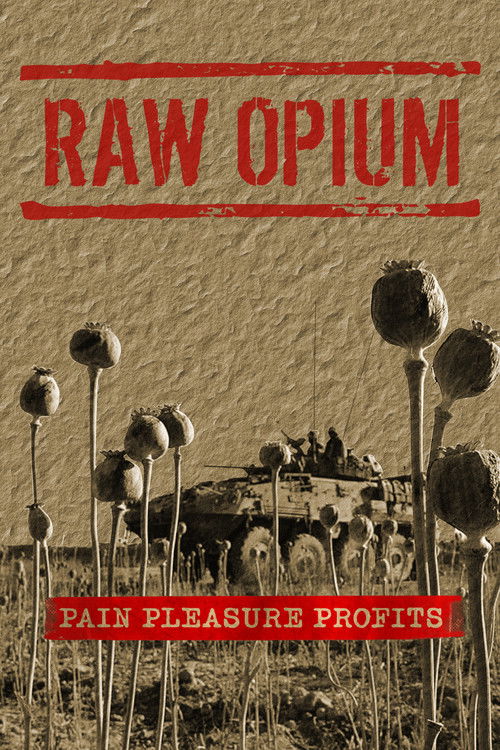
The raw material for heroin, opium is a substance with tremendous power to both ease pain and destroy lives as it fuels a vast illegal trade larger than the economies of many nations. Raw Opium travels the world to profile diverse players in the opium game: an opium master in southeast Asia, a UN drug enforcement officer on the Afghan border, a former Indian government Drug Czar, and two people who confront the reality of drug addiction on a daily basis: a Portuguese street worker and a crusading Vancouver doctor. The film reveals how a beautiful flower plays a pivotal role – not just in the lives of those who grow, manufacture and use it – but also in the increasingly tense sphere of international relations. In the process, Raw Opium challenges assumptions about addiction and the War on Drugs.
Raw Opium
A penetrating look at how difficult it is for the northern countries--Canada, Iceland, Norway, Sweden, Finland and Denmark--to remain neutral, caught as they are between the two superpowers. All but Canada were neutral before World War II. Today, only Sweden has not joined a military alliance, but with American and Soviet military forces in the northern seas, even its lone neutrality is at risk. Archival footage from the two world wars, animated maps, and interviews illuminate the historical shaping of each country's stance on neutrality and approach to its own defense, and how these positions work for and against the countries. The film's thesis is that a non-aligned north is the key to separating the superpowers and attaining world peace.
Harder Than It Looks
This series of films, written and hosted by journalist and military historian Gwynne Dyer, examines Canada's role in the international power game, its tradition of alliances with world powers, and our future role on the world stage. The series combines recent footage shot in ten countries with archival films dating back to the Boer War (1899) and interviews with noted military leaders, politicians, and frontline troops.
The Defence of Canada
This third part of the series focuses on Canada's participation in NORAD and the events leading up to Canada's becoming a "nuclear no-man's land." In the late 1980s we are confronted with important choices about our role on the international scene, and host Gwynne Dyer offers intriguing predictions and possibilities about how our decisions could have global impact.
The Space Between

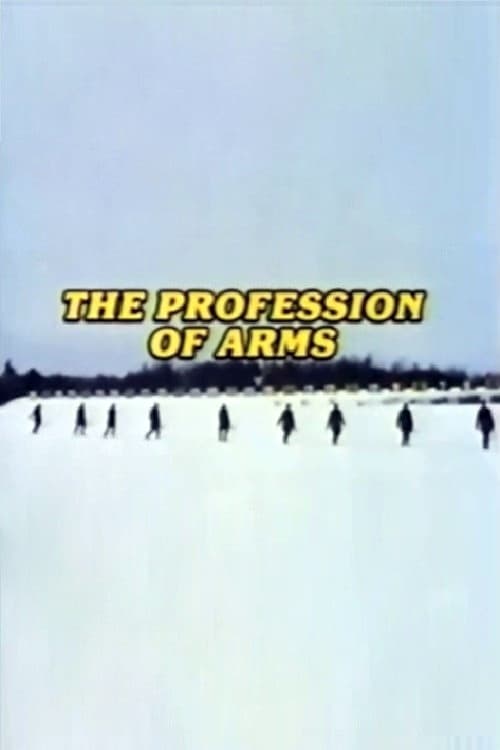
Professional soldiers from six different nations discuss their combat experiences, job demands, and the effects of new technology.
The Profession of Arms
With Israel as an example, the reality of how military force is deemed necessary to maintain national sovereignty and the price involved is examined.
The Deadly Game of Nations
All soldiers belong to the same profession, no matter what country they serve, and it makes them different from everybody else. They have to be different, for their job is ultimately about killing and dying, and those things are not a natural vocation for any human being. Yet all soldiers are born civilians. The method for turning young men into soldiers-people who kill other people and expose themselves to death-is basic training.