Rokuhei Susukita
Writing
Biography
In 1923 he joined Makino Production in Kyoto to write scripts for their major star, Tsumasaburo Bando. Until 1930 he wrote almost 90 scripts for this company and gained an enormous reputation, but that year he decided to write and direct his own films without Bando. He debuted as a director for the Emperor Kine Company (later Shinko Cinema) in 1930 with "The Strange Story of Mito Komon". But none of the 40 films he directed till 1954 were worthwhile. The next year he stopped writing films. Susukita, who during his career used four different pen names, was also creator of the character of Murasaki Zukin, also known as "The Black Hood" or "The Purple Hood" (lit.); which has been converted into film half a dozen of times. The first film Susukita wrote was "Murasaki Zukin: Ukiyo Eshi" ("The Woodcut Artist"), and was directed by Shozo Makino and Bansho Kanamori in 1923. Susukita himself directed one remake in 1931. Chiezo Kataoka played Murasaki in 1958. But the most famous version was made after the death of its author: Ryutaro Otomo played the Black Hood in 1963, directed by Ei'ichi Kudo and adapted by Tai Kato.
Known For
No description available.
Kumo
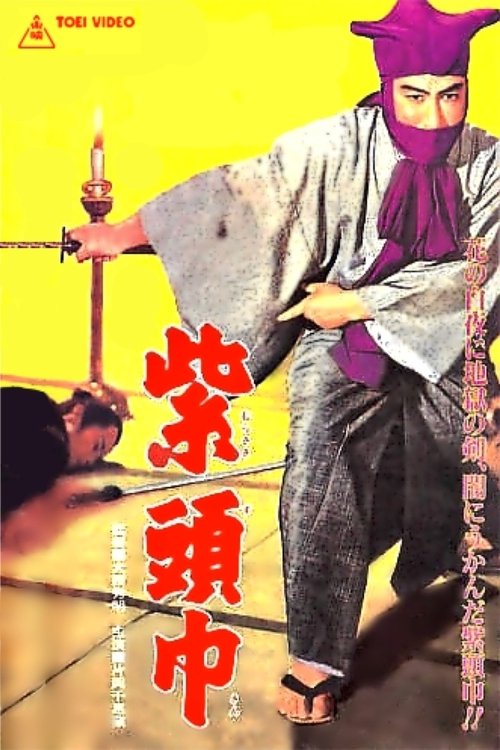
Kataoka Chiezo stars as Murasaki Zukin, a mysterious hero of the people who helps those in need. Now under the rule of the evil Tanuma, the people look to Murasaki Zukin more than ever, to confront and punish those who bring misfortune upon the commoners. Will he be able to bring peace to the land? One of the greatest actors from Toei Studios, known mainly for his swashbuckling roles as powerful swordsmen such as Ryunosuke in SOULS IN THE MOONLIGHT, he appeared in 325 films both before and after the war, beginning with CHUSHINGURA in 1928, and including KUNISADA CHUJI in 1933, and DOKUGANRYO MASAMUNE. While best known for his swordplay, Chiezo really did not enjoy the action, but was able to use his menacing presence to stare down his adversaries. Although Kataoka Chiezo passed away in 1983 at the age of 79, he still has many fans today. This film shows him at his best.
The Purple Hood

For the poor, Edo is Hell on Earth, starving under the rule of Tanuma Okitsugi, corrupt councilor to the shogun. But the courageous vagabond called “Kageboshi” (Shadow Avenger), will fight for the common folk, robbing the rich so the people will have rice. Tanuma’s henchmen will hire an evil swordsman to pose as Kageboshi, starting a wave of murder, kidnapping and robbery, searching for two antique sword-guards that will reveal the hiding place of a fortune in buried gold. But who will claim the gold? The poor of Edo, or the conniving Tanuma? Only Kageboshi’s flashing sword, tearing through Tanuma’s bloodthirsty minions, can forestall his wicked schemes.
Kagebôshi: The Shadow Avenger
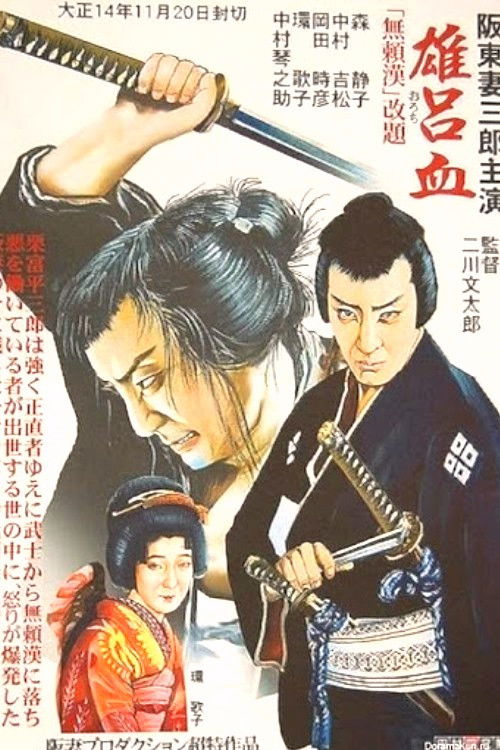
This is the story of a samurai who falls on hard times due to misunderstandings and follows the plots of his enemies.
Serpent
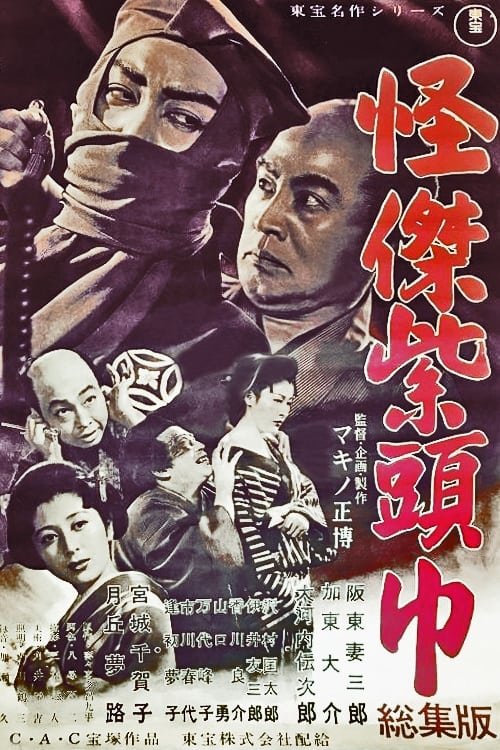
The purple hood reveals the embezzlement of public money by officials. A remake of Masahiro Makino's 1923 film.
Saheiji’s Casebooks: The Purple Hood
No description available.
Revenge at Jorurizaka 2: Bloody Battle at Dawn
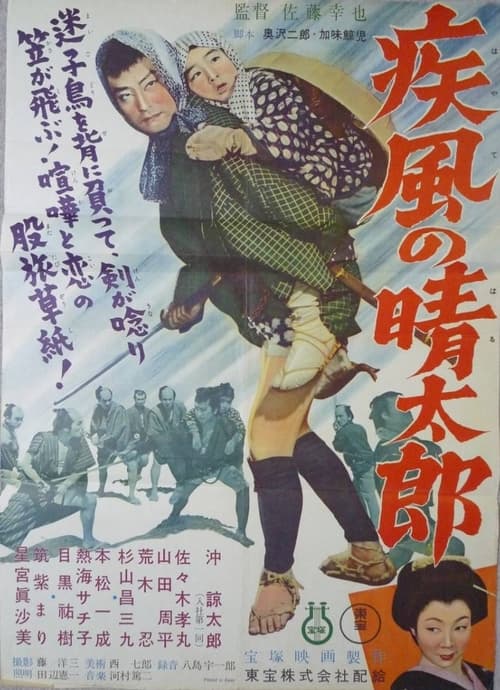
A historical drama directed by Yukiya Sato, and co-written by Rokuhei Susukita and Jiro Okuzawa. Seitarou, who travels from trip to trip, was asked by Fujisuke, who was killed in a mess at the Shinshu Oil Shop's gambling house, to deliver his child Shinkichi to his mother Megumi in the old Iwanjoya in Shiojiri, Shinshu. Megumi was crying day and night, worrying for her child. Masagoro, the boss of the land who had been aiming for the replacement of Iwanjoya, forced Megumi to marry his son Hyokichi. On the way, Seitarou and Shinkichi helped Rohno, who was looking for his fiancee....
Shippu no Seitarou
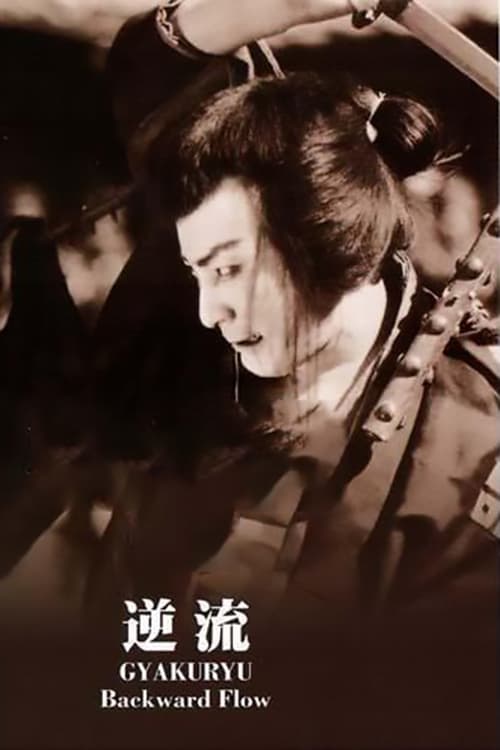
Nanjo Mikisaburo is a young samurai trying to restore his ruined family to its past glory. Enduring the contempt and disdain of high-ranking samurai, Mikisaburo devotes himself to the way of the warrior, mastering the literary and martial arts. His master Kurahashi Jupeita's daughter Misao feels for Mikisahuro who maintains his pride in the face of the arrogant samurai's scorn. She sympathizes with and encourages him. However this sympathy ignites a passionate love for her in Mikisaburo.
Backward Flow
No description available.
Daikatsugeki Sôtô

Japanese movie from 1930s
Kagamiyama Enchanting Romance
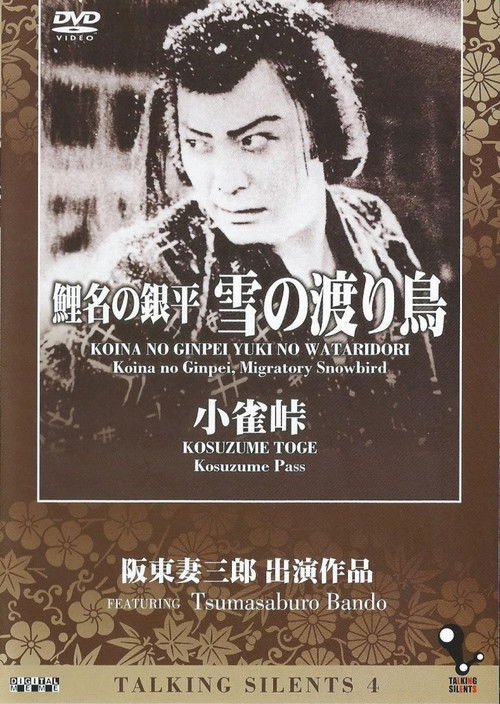
Tokutaro is an orphan child who becomes a street candy vendor. He sells candies, humming a song he learned long ago from his mother. One day he met with thieves along the way and this encounter changes their lives in ways they cannot imagine.
Kosuzume Pass
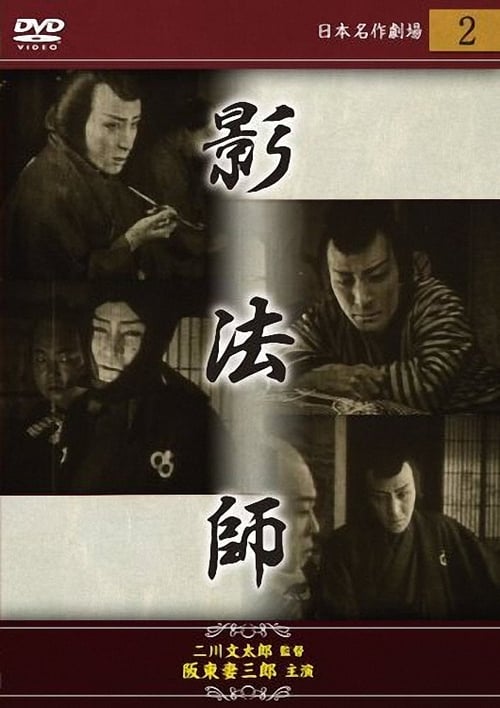
Kageboshi, based on the screenplay by Rokuhei Rokuhei Susukita, depicts the life of the ‘jovial thief’, Kageboshi.
Edo kaizoku-den : Kagebôshi
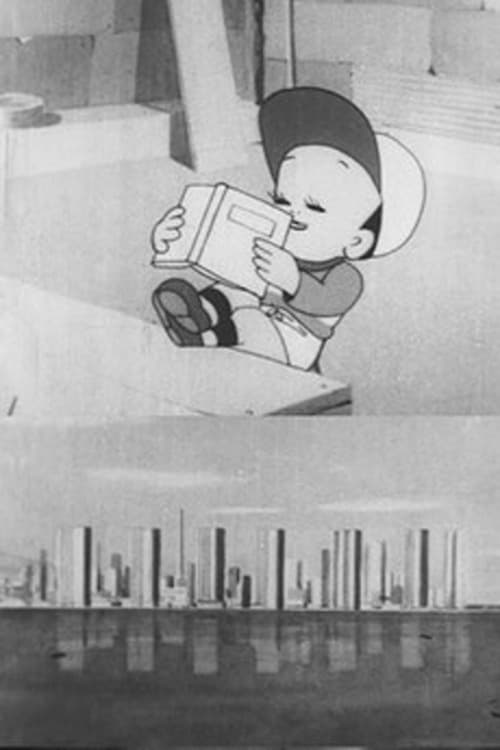
A western occupation propaganda film in which a boy repairs a western style doll that comes to life and uses a magic pen to rebuild his bleak and war torn world into a happy place resembling western civilization.
The Magic Pen

1929 Japanese movie
Hatamoto kobushin shū
No description available.