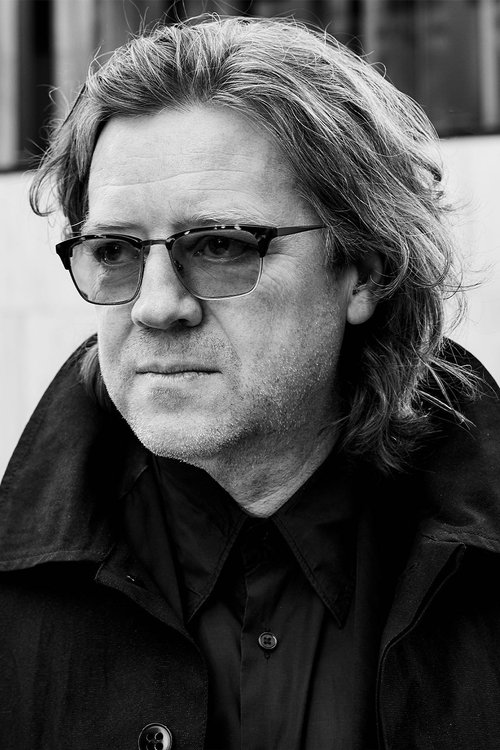
Koen Kessels
Sound
Biography
Koen Kessels, Music Director, studied at the Royal Flemish Conservatoire of Music, Antwerp. He made his debut with the Royal Ballet of Flanders with Cinderella and has been a regular guest conductor for Opéra National de Paris (Le Parc, Coppélia, Proust, Cinderella, Hurlevent, Hommage à Jerôme Robbins, Giselle, La Petite Danseuse de Degas) since 2005 and with The Royal Ballet (Nutcracker, Giselle) since 2008. This season he makes his debut at the Wiener Staatsoper and the Bolshoi and is back with the Brussels Opéra de Munt (Hanjo) and Antwerp Opera (L'Amour de loin). He made his opera debut with Rouen Opera, France, conducting Il barbiere di Siviglia. His standard repertory contains the main Verdi, Mozart and Puccini operas, although there is a definite accent on contemporary opera. He founded and is Artistic Director of HERMES ensemble, specialising in contemporary music. He is Music Director of Zomeropera Alden Biesen, Belgium and on the artistic direction team at the Royal Conservatoire of Antwerp. He joined Birmingham Royal Ballet in September 2010.
Known For
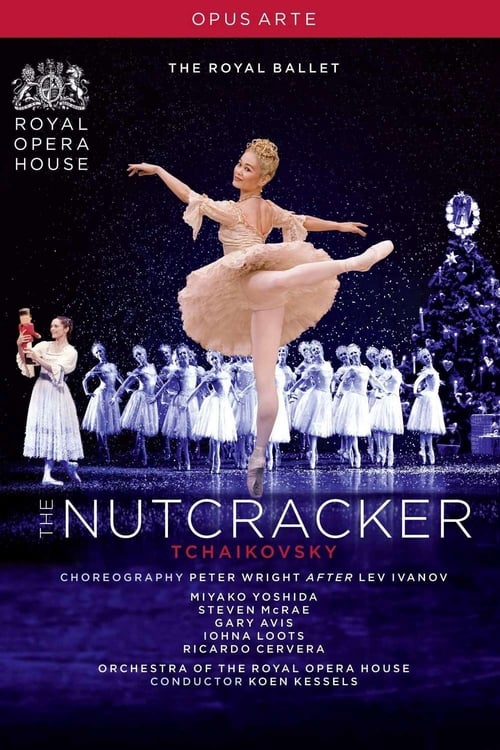
This all-time ballet favourite, in which young Clara is swept into a fantasy adventure when one of her Christmas presents comes to life, is at its most enchanting in Peter Wright's glorious production.
The Nutcracker
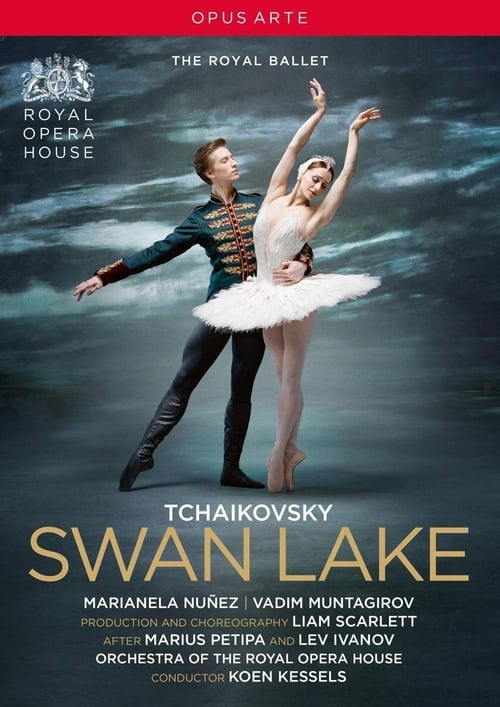
Prince Siegfried is celebrating his coming of age. The Queen Mother informs him that, the following day, during the grand ball held to mark his birthday, he must choose a future wife. Displeased at not being able to choose her out of love, he goes into the forest during the night. It is then that he spots a flock of swans. He raises his crossbow, prepares to shoot, but stops immediately: before him stands a beautiful woman dressed in white swan feathers, followed by twelve other women dressed in the same way, four of whom are known as the ‘little swans’. ‘Swan Lake’ is a ballet by Pyotr Ilyich Tchaikovsky, comprising 4 acts and 4 scenes, or 3 acts and 4 scenes. The staging is based on a libretto by Vladimir Begichev and Vasili Geltser. The story is an ancient German legend recounting the tale of the beautiful Princess Odette, transformed into a swan by the curse of the evil sorcerer Rothbart. Recorded live at the Royal Opera House, Covent Garden, on 17 March 2015.
Tchaikovsky: Swan Lake
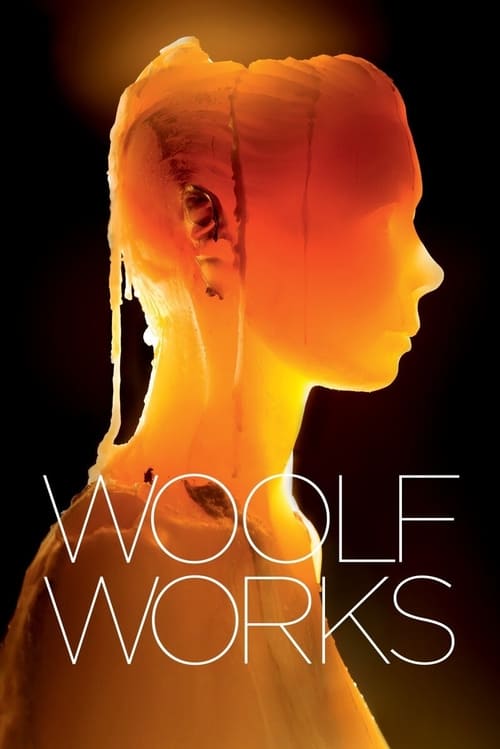
The first revival of Wayne McGregor’s critically acclaimed ballet triptych to music by Max Richter, inspired by the works of Virginia Woolf.
Woolf Works
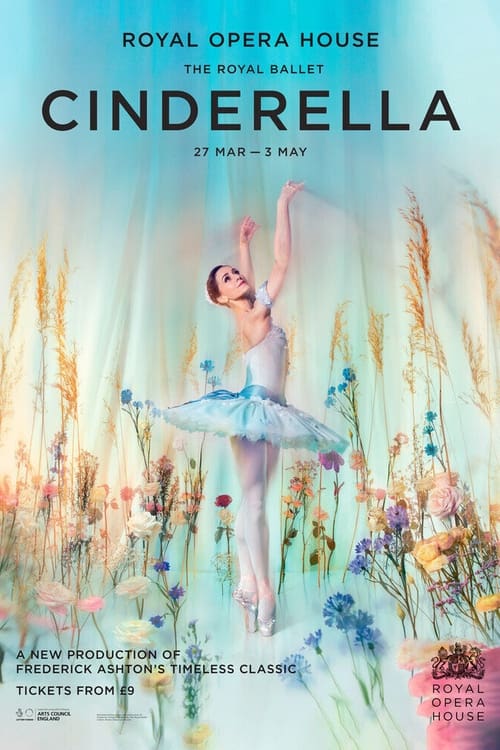
Royal Ballet Founder Choreographer Frederick Ashton’s Cinderella celebrates its 75th anniversary this Season. The ballet’s opening night in 1948, featuring Moira Shearer and Michael Somes in the lead roles, was received rapturously. After over a decade away from the Royal Opera House stage, Ashton’s timeless reworking of Charles Perrault’s famous rags-to-riches story returns, showcasing the choreographer’s deft musicality and the beauty of Prokofiev’s transcendent score. A creative team steeped in the magic of theatre, film, dance and opera brings new atmosphere to Cinderella’s ethereal world of fairy godmothers and pumpkin carriages, handsome princes and finding true love.
The Royal Ballet: Cinderella
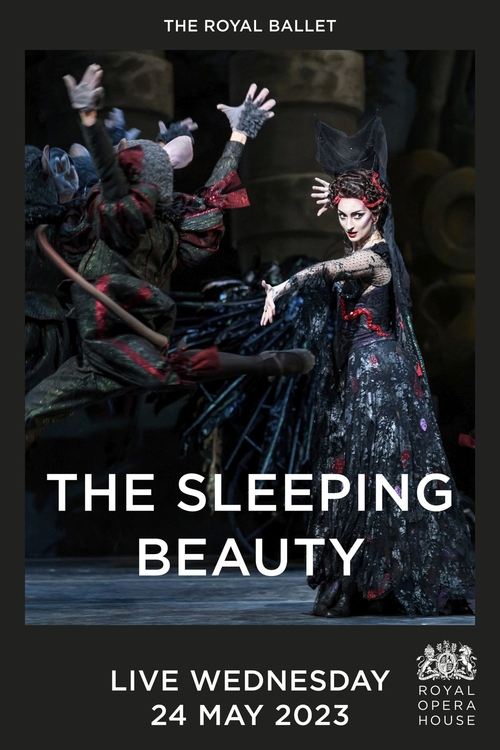
The Sleeping Beauty holds a very special place in The Royal Ballet’s heart and history. It was the first performance given by the Company when the Royal Opera House reopened at Covent Garden in 1946 after World War II. In 2006, this original staging was revived and has been delighting audiences ever since. Frederick Ashton famously cited the pure classicism of Marius Petipa’s 19th-century ballet as a private lesson in the atmospheric art and craft of choreography. Be swept away by Tchaikovsky’s ravishing music and Oliver Messel’s sumptuous designs with this true gem from the classical ballet repertory.
The Royal Ballet: The Sleeping Beauty
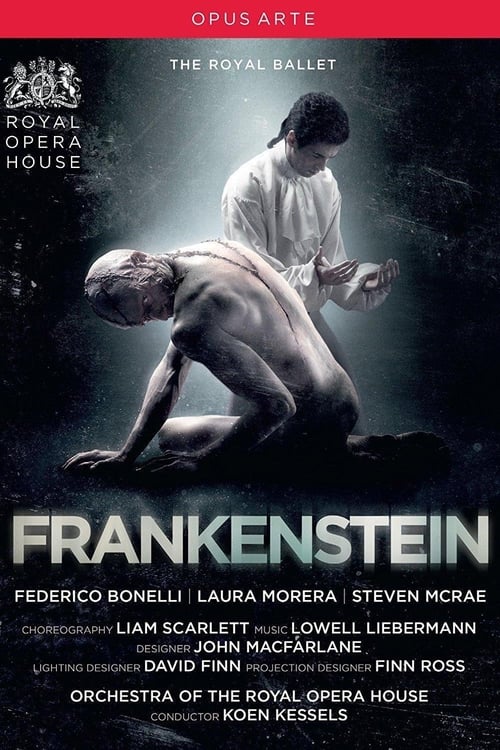
Inspired by Mary Shelley’s Gothic masterpiece, Frankenstein is the world premiere of Liam Scarlett’s new full-length ballet. A story of betrayal, curiosity, life, death and, above all, love, exploring the very depths of human nature. Federico Bonelli dances the role of Victor Frankenstein, Laura Morera is his Elizabeth, and Steven McRae is the creature. Koen Kessels conducts Lowell Liebermann’s newly commissioned score in this co-production between The Royal Ballet and San Francisco Ballet.
Frankenstein

The Sleeping Beauty holds a special place in The Royal Ballet’s repertory. It was the ballet with which the Company reopened the Royal Opera House in 1946 after World War II, its first production at its new home in Covent Garden. Margot Fonteyn danced the role of the beautiful Princess Aurora in the first performance, with Robert Helpmann as Prince Florimund. Sixty years later, in 2006, the original 1946 staging was revived by then Director of The Royal Ballet Monica Mason and Christopher Newton, returning Oliver Messel’s wonderful designs and glittering costumes to the stage.
The Sleeping Beauty

An ancient family feud casts a long shadow over the town of Verona. In this hothouse of tension, brawls are quick to break out and both sides get caught in the crossfire.
The Royal Ballet: Romeo and Juliet
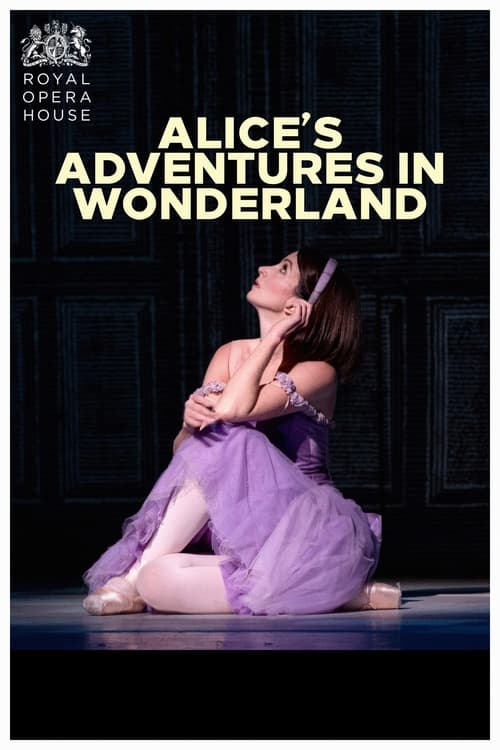
One sunny afternoon, during a garden party, young Alice sees with surprise how the writer Lewis Carroll, a friend of her parents, unusually turns into a white rabbit, and immediately feels the irrepressible desire to follow him into a magical rabbit hole.
Alice's Adventures in Wonderland
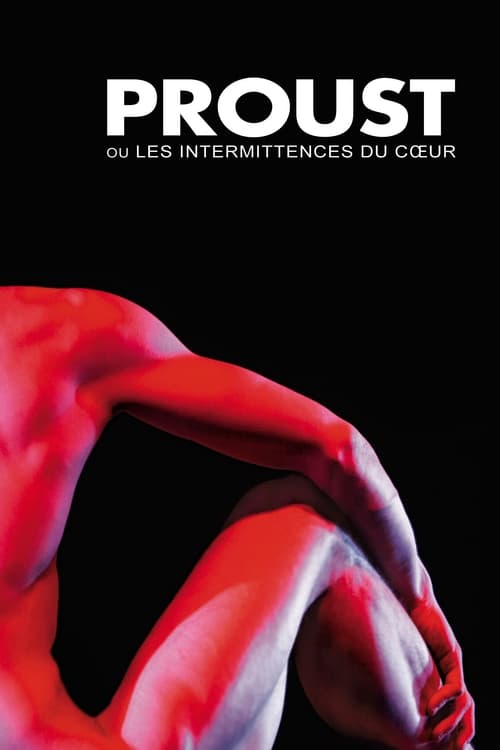
Ballet en deux actes et treize tableaux du chorég. This is a live recording of a performance at Paris Garnier in 2007. Petit's earlier production for the Ballet de Marseille used more realistic stage sets, but the current Paris version has minimal stage sets. Also, the costumes were redesigned. Roland Petit created a ballet based on "In Search of Lost Time" for the Ballet de Marseille in the 1970s. Petit's intention was not to make a faithful adaptation of the novel, but to capture its flavour and convey, through a number of selected scenes, the narrator's incessant fluctuations between happiness and torment. The highlights are the series of poetical pas de deux.
Proust ou les Intermittences du cœur
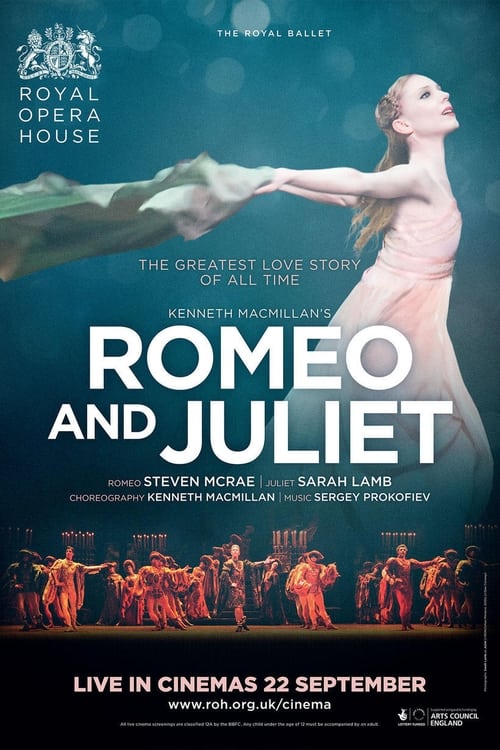
Kenneth MacMillan’s passionate choreography for Romeo and Juliet shows The Royal Ballet at its dramatic finest. Sergey Prokofiev’s famously evocative score is the driver for some of the most ardent pas de deux and powerful set pieces in ballet history. The vibrant crowd scenes with magnificent designs by Nicholas Georgiadis vividly recreate the color and bustle of 16th-century Verona in this Royal Ballet classic. “Yasmine Naghdi and Matthew Ball will hug their first Romeo and Juliet their whole lives. What a dream debut for these two youngsters…” (The Spectator) “Kenneth MacMillan was a consummate storyteller, and in Romeo and Juliet he came as close to perfection as it’s possible to get.” (Culture Whisper) “From the quarrelling townsfolk to the stately ball guests, this is a Romeo packed with life, the whole company caught up in the ballet’s unfolding tragedy.” (The Independent)
Prokofiev: Romeo and Juliet
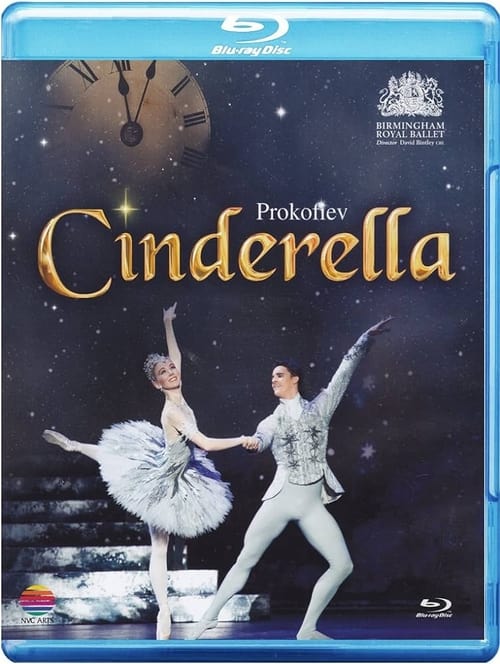
Cinderella by Birmingham Royal Ballet.
Cinderella
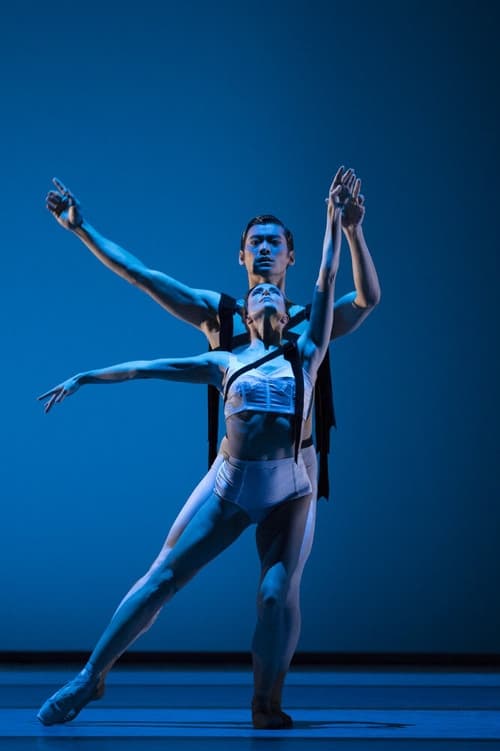
Christopher Wheeldon draws on ancient Greece and reflects on love in Bernstein’s Serenade, after Plato’s ‘Symposium’.
Corybantic Games
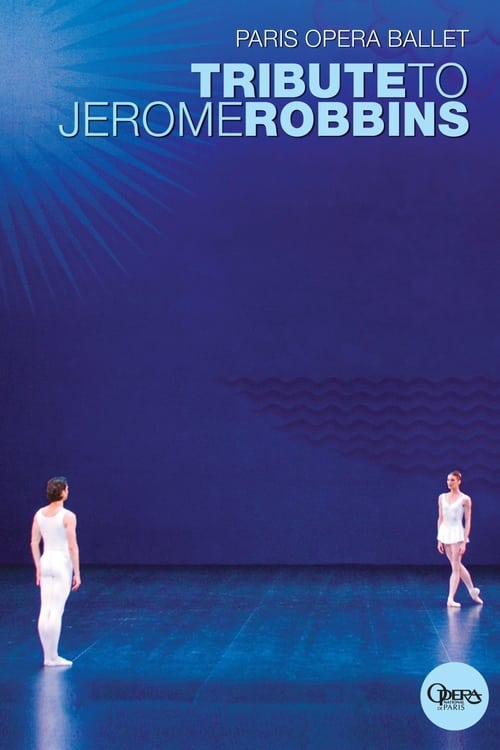
In 2008, the Opéra national de Paris honored the legendary Jerome Robbins. Though the general public may remember him primarily for his staging and choreography of Bernstein’s West Side Story, Robbins was also a brilliant ballet choreographer. In this production, we discover three of his works of classical ballet—En sol, In the Night, and The Concert—paired with Benjamin Millepied’s Triade.
Paris Opera Ballet: Tribute to Jerome Robbins
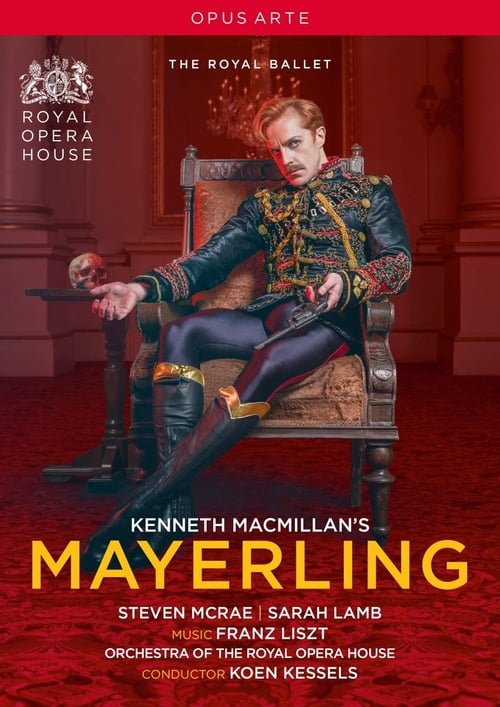
Based on the true story of the death of Crown Prince Rudolf and his young mistress Mary Vetsera in 1889, Steven McRae and Sarah Lamb take on these challenging roles in a dark and intense ballet. Crown Prince Rudolf of Austria-Hungary is emotionally unstable and haunted by his obsession with death. He is forced to marry Princess Stephanie. Soon afterwards, his former lover, Marie Larisch, introduces him to a new mistress, Mary Vetsera, a young woman who shares his morbid fascination.
Mayerling
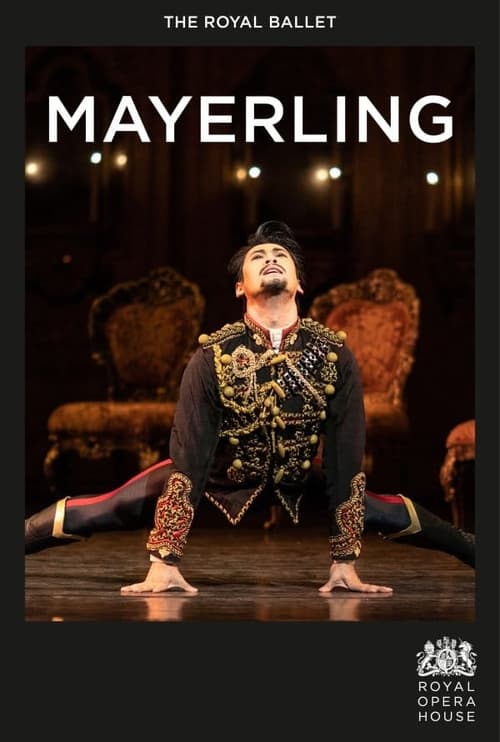
Inspired by dark and gripping real life events, this Royal Ballet classic depicts the sexual and morbid obsessions of Crown Prince Rudolf leading to the murder-suicide scandal with his mistress Mary Vetsera. The oppressive glamour of the Austro-Hungarian court in the 1880s sets the scene for a suspenseful drama of psychological and political intrigue as Rudolf fixates on his mortality. Kenneth MacMillan's 1978 ballet remains a masterpiece of storytelling and this revival marks 30 years since the choreographer’s death. Expect to see the Company at its dramatic finestacross potent ensemble scenes and some of the most daring and emotionally demanding pas de deux in the ballet repertory.
The Royal Ballet: Mayerling
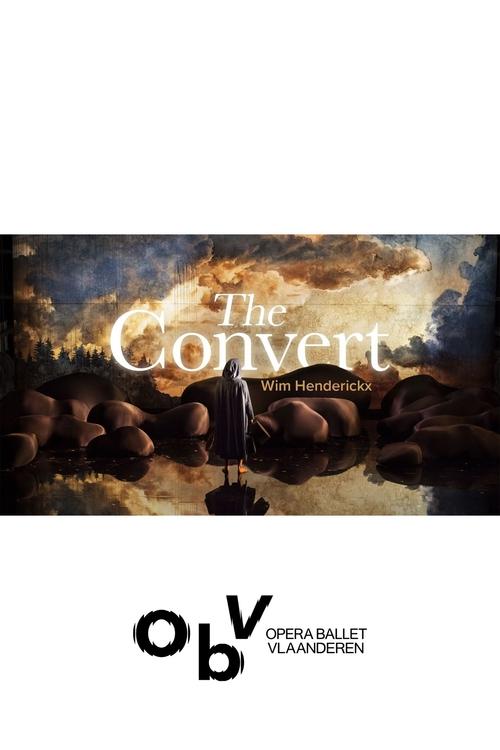
In times of religious violence, the young mother Vigdis Adelaïs is torn between her Christian upbringing and the Jewish faith, to which she has converted for her beloved. The Belgian composer Wim Henderickx and librettist Krystian Lada have created a new opera from Stefan Hertmans' haunting novel about identity, impossible love, faith and human strength. Western early music, modernism and film music merge with Jewish and Arab traditions to create a contemporary opera in which Vigdis' epic story is told through sound. Koen Kessels tackles the challenge of conducting not only the Orchestra, Chorus and Children’s Chorus of Opera Ballet Vlaanderen, but also a cast with singers from different vocal traditions, instrumentalists who play the qanûn, duduk or oud, and a newly formed city choir made up of Antwerp citizens from diverse backgrounds.
The Convert - HENDERICKX
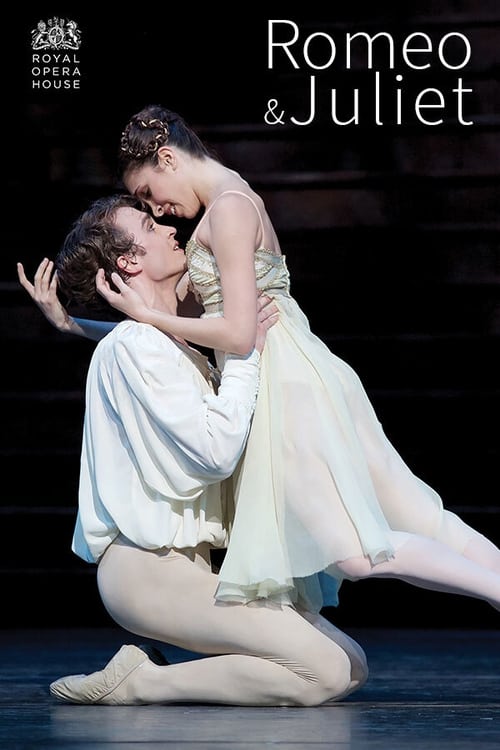
Kenneth MacMillan's passionate choreography for Romeo and Juliet shows The Royal Ballet at its dramatic finest. Sergey Prokofiev's iconic score provides the basis for the ballet's romantic pas de deux and vibrant crowd scenes, while 16th-century Verona is created by Nicholas Georgiadis's magnificent designs. In 1965, MacMillan's Romeo and Juliet was given its premiere at Covent Garden by The Royal Ballet and was an immediate success: the first night was met with rapturous applause, which lasted for 40 minutes, and an incredible 43 curtain calls. The title roles were danced by Rudolf Nureyev and Margot Fonteyn, although the ballet had been created on Christopher Gable and Lynn Seymour. It has been performed by The Royal Ballet more than four hundred times since, as well as touring the world, and has become a true classic of the 20th-century ballet repertory.