Acting
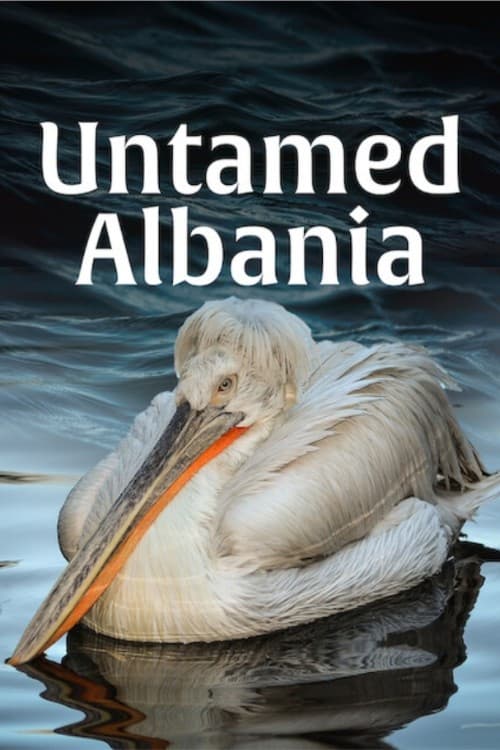
Albania in the southeast of Europe – situated between Greece, Macedonia, Kosovo and Montenegro – hosts an astonishingly diverse landscape. Harmonic coastal areas lead to harsh karst landscapes. Snow-covered mountain regions, wild canyons, waterfalls, deep-blue lakes and untouched rivers are perfect conditions for an immensely rich flora and fauna. Decades of war preserved wide areas of the country from industrial exploitation, so the natural environment is still untouched.
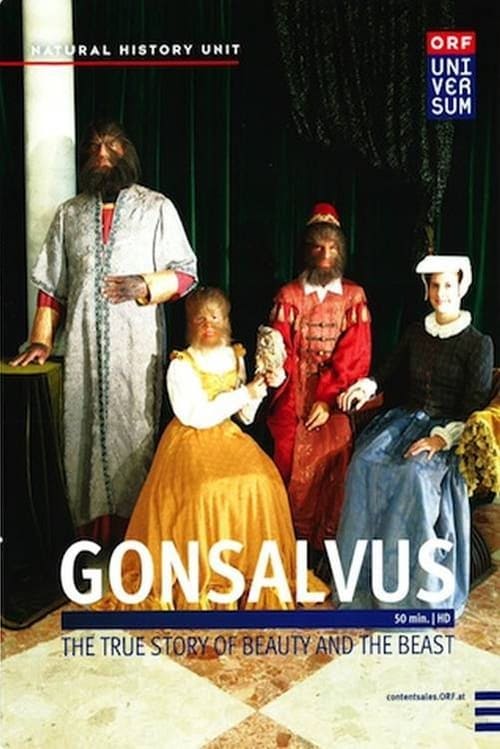
It's a condition known as "hypertrichosis" or "Ambras Syndrome," but in the 1500s it would transform one man into a national sensation and iconic fairy-tale character. His name: Petrus Gonsalvus, more commonly known today as the hairy hero of Beauty and the Beast.
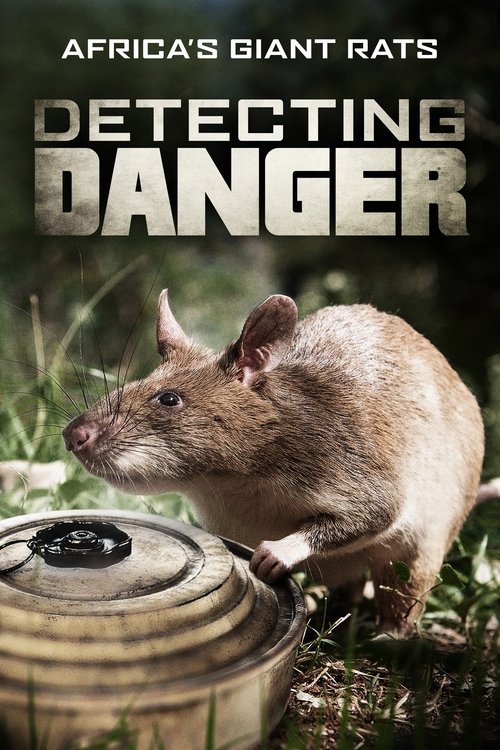
Africa's giant rats – the size of a cat – can be trained to detect land-mines by smelling them. Giant rats are clever and they learn fast. Their sense of smell is better than a dog's, they have more stamina, and they're a lot cheaper to train. This documentary follows "Miss Marple", who was born in a training lab and who goes through a year's training before being sent on her first mission to Mozambique. A shorter version (43 minutes) screened at festivals in 2009 but was never widely released.
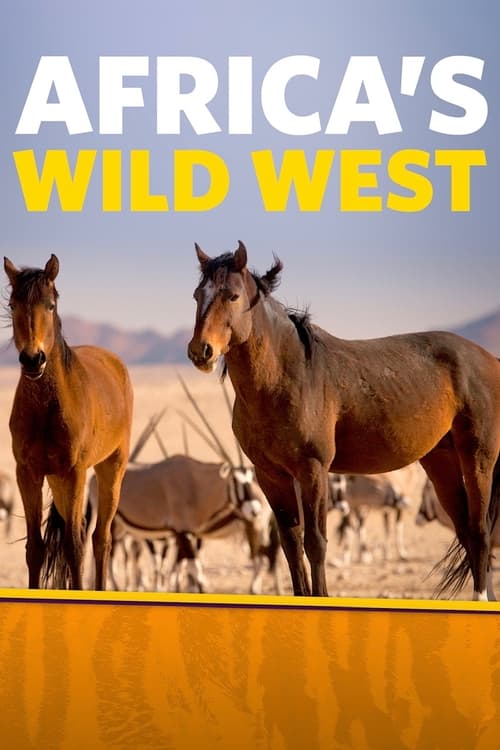
Some 150 wild horses live in an expanse of desert, grassland and rock along Namibia’s west coast - a ‘Forbidden Zone’ rife with ghost towns.
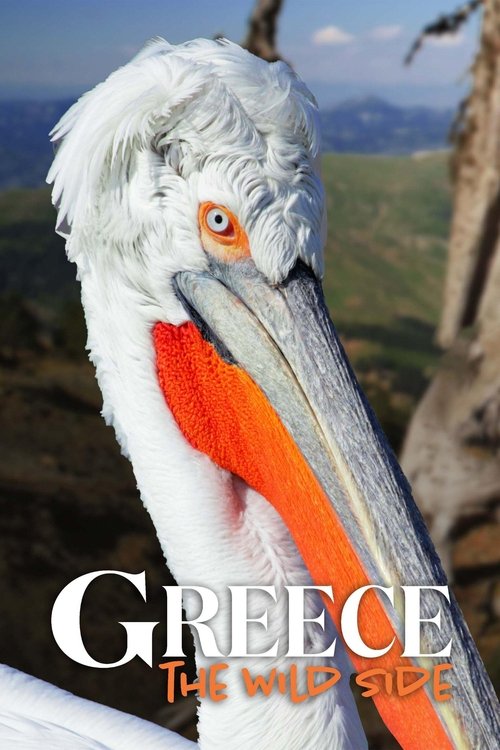
This two-part documentary depicts an incredible visual range, from snow storms in the mountains of the north to remote islands in the glistening Mediterranean: contrasts of untamed nature not found anywhere else in Europe. Greece is unique. Nowhere else are such different temperature zones found side by side, extending from ice-age lakes to dense primeval forests and barren, desert-like areas. Nowhere else is the wildlife so divergent and full of contrasts, with creatures seldom found in their natural habitats anywhere else in Europe; here they have developed special strategies and behavior in order to survive.
East and West, Islam and Christianity - there are more similarities between these cultures than we think. This program traces the history of Islam in the light of its reception in the West. It reconstructs the multi-cultural world of the 7th century between Mecca, the Mediterranean and the Persian Gulf. It conjures up the up the golden age of Islam in the Middle Ages.
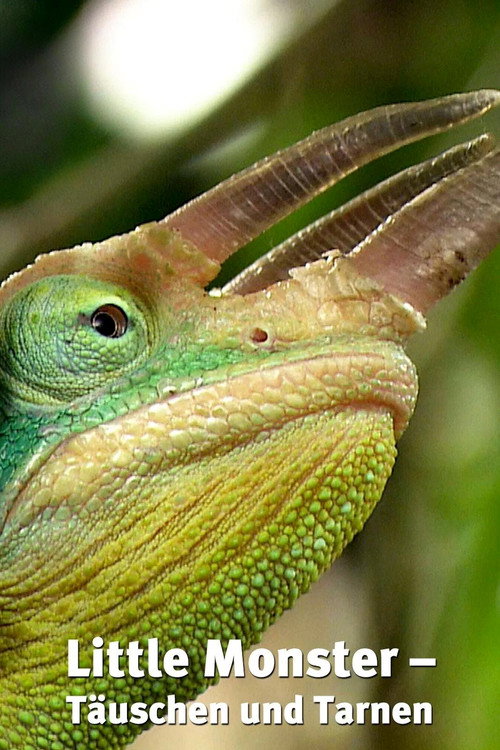
Little Monsters presents some of the animal kingdom’s strangest survival strategies: poison dart frogs, chameleons, praying mantises and scorpions, to name but a few. Thanks to 3D visualization, large audiences can experience a chameleon thrusting out its tongue at close range, rattlesnakes striking at their targets to within fractions of an inch, praying mantises hunting and hummingbirds feeding, filmed from inside the flower! And with its ingenious combination of slow-motion 3D and timelapse 3D, “Little Monsters” even improves upon state of the art 3D for greater impact, yielding unbelievable scenes the world has never seen and “felt” before.
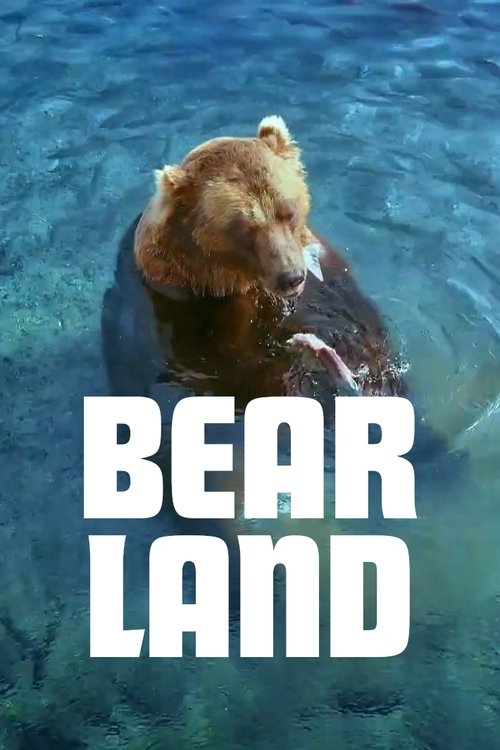
The Pacific Ring of Fire is home to three incredible bears: polar, brown and black. The film tells their story and takes a paw-swipe at a few bear myths.
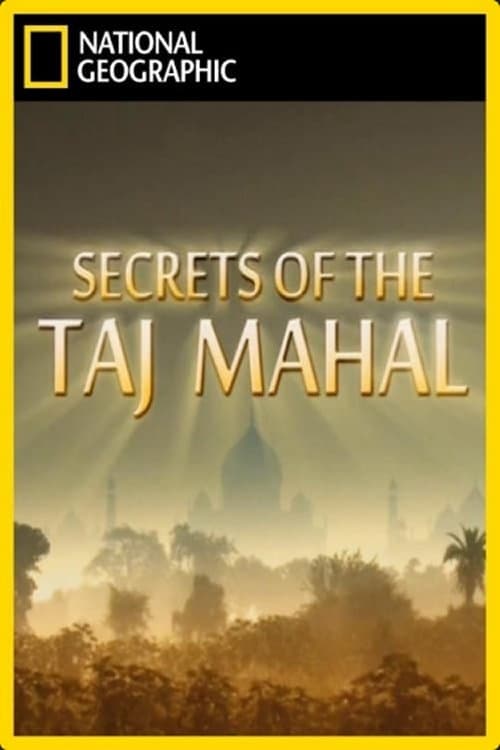
The Taj Mahal: Symbol of India, architectural jewel, and monument to a grand passion. Built in the 17th century by the Great Mogul Shah Jahan in honor of Mumtaz Mahal, the love of his life. Before she died, legend says, Mumtaz Mahal made a wish for a mausoleum, more sublime than any the world had seen. Built on the banks of the Yamuna River in Agra, it is said to have required over 20,000 workers including the best craftsmen of the Empire. Millions of bricks were baked on site only to disappear forever under flawless white marble. A heavenly memorial to the Queen of the World, or as a poet described it: "A teardrop on the cheek of time". A love poem set in stone and the most perfect building in the world.
In August 1961, a few railway cars and barbed wire divided East Germany from West. It was a barrier that would be extended and become increasingly more sophisticated, a technological counter to each escape attempt. Computer imagery reconstructs how the Berlin Wall grew from a meager obstacle to a 97 mile barrier of concrete slabs, watchtowers and guards.
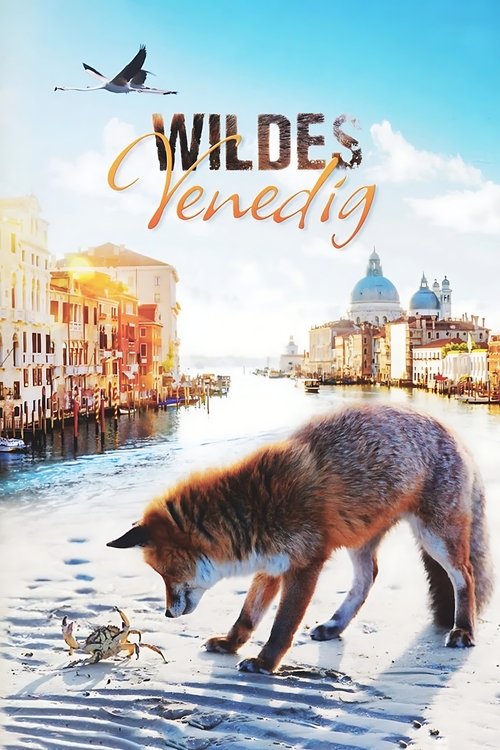
Explore a lesser-known part of Venice: the wild side! In coral reefs and hidden gardens, find everything from poisonous mammals to strange sea life.
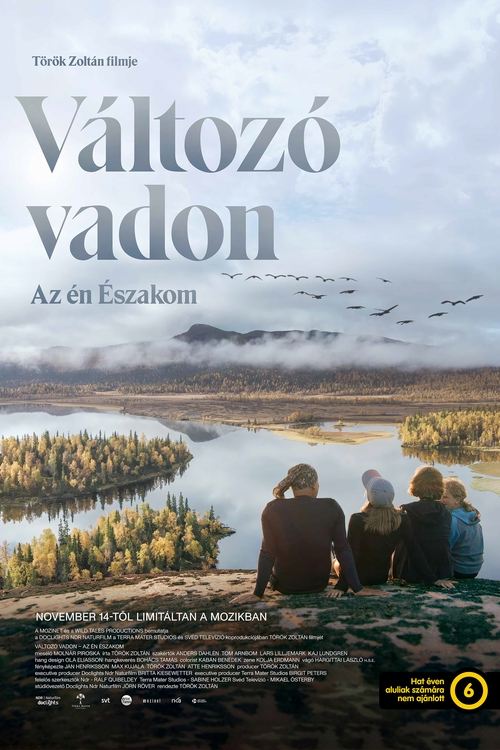
Zoltán Török, the creator of the highly successful Wild Horses - A Tale from the Puszta and Wild Hungary - A Water Wonderland, has been living in Sweden for years with his wife, two daughters and dog. On regular tours they explore the colourful wildlife of the changing wilderness, and now they invite the audience to join them on their most exciting excursions. Along the way we roam stunning landscapes, from sea to glaciers, in the company of the wild animals of the far north. Zoltán Török spent three years making his most spectacular, heart-warming film to date. In addition to showing the wildlife of the Nordic countries, from seals to moose, his newest film raises awareness among children and parents about the love and protection of nature.
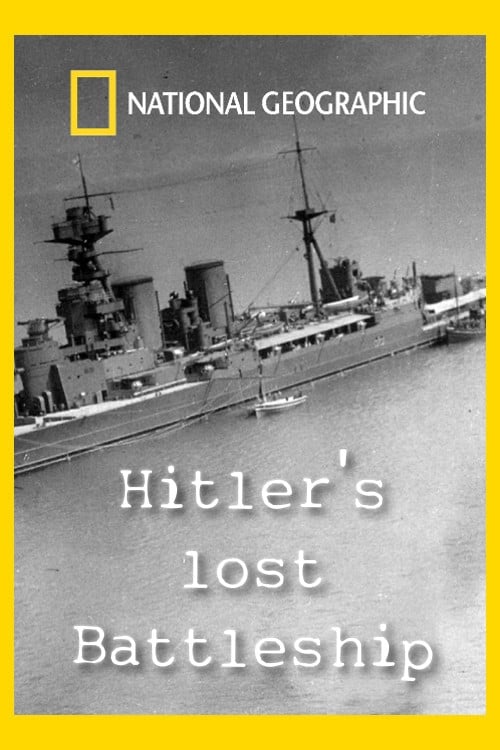
The small but immensely powerful Admiral Graf Spee was the pride of Hitler's naval fleet. Restricted to a limited size due to the impositions of the Treaty of Versailles, this 'pocket battleship' was still a formidable fighting force. It was faster than a battleship, and had firepower far beyond other ships of this size. It was responsible for the sinking of as many as nine Allied merchant vessels in the autumn of 1939 in the space of three months. Then, late in the year, the ship was ambushed off the coast of Uruguay by British cruisers determined to sink her. Faced with insurmountable odds, the ship's captain, Hans Langsdorff, opted to destroy his own vessel rather than capitulate to the enemy. Hitler's Lost Battleship retraces the events leading up to the ship's destruction. With high-end re-enactments, CGI reconstructions, and surprising revelations from naval researchers - all add up to shed new light on this fascinating episode in wartime history.