FEEL IT.STREAM
?

Christopher Chapman

Directing

Biography

Christopher Chapman CM RCA (January 24, 1927 – October 24, 2015) was a Canadian film writer, director, editor and cinematographer. Best known for his award-winning 1967 short film A Place to Stand, he also pioneered the multi-dynamic image technique used in films and television shows. Over his career, Chapman made approximately 40 films for television, the National Film Board of Canada, theatrical release, tourism organizations, science centres, and international expositions. Chapman's first film, The Seasons, won the Canadian Film Award (CFA) for Film of the Year in 1954. In 1965 Christopher and Francis Chapman jointly won the Canadian Film Award for Best Colour Cinematography at the 17th Canadian Film Awards for Expedition Bluenose. Another of his films to win the CFA Film of Year was his 1967 short, A Place to Stand, which also received two Academy Award nominations in 1968, winning the one for Best Live-Action Short. The film, commissioned by the Government of Ontario, featured Chapman's innovative multi-dynamic image technique (or 'the Brady Bunch effect'), wherein moving panes of moving images are used within the single context of the screen. Over a year of filming, Chapman shot 70 kilometres (43 miles) of film, which he then edited into 18 minutes, though the images moving across the screen were the equivalent of an hour and three-quarters of film. The process exhausted Chapman and he was still unsure of using it until its first screening occurred: "There were a couple of stenographers, who were eating their lunch watching the screening, and they were agog," Chapman said. "But I wanted to run. I was exhausted and thought it was a failure, but a chap grabbed me as I was going out the door. He'd been standing at the back of the screening room and said he was blown away by it. It was Steve McQueen." In 1968, McQueen starred in The Thomas Crown Affair, directed by Norman Jewison, a film that used Chapman's split-screen technique. Jewison added the multiple-image sequences into the film after seeing A Place to Stand. Over the years since, many films and television series have used the technique, with the most recent known to be the American series 24, which, by using the technique, documented the simultaneous actions of its characters. In 1970, Chapman directed a film for the Hudson’s Bay Company, called Impressions, as part of HBC's 300th anniversary celebrations. Impressions, another film of Chapman’s to use his multiple-dynamic technique, follows the HBC's 300-year history using both historic and modern images: iconic images of the fur trade are paired with modern department stores; scenes of farming are shown with oil production are seen, and so on. In 1984, Francis and Christopher Chapman collaborated on a three-dimensional nature film for the nascent Science North.
Known For

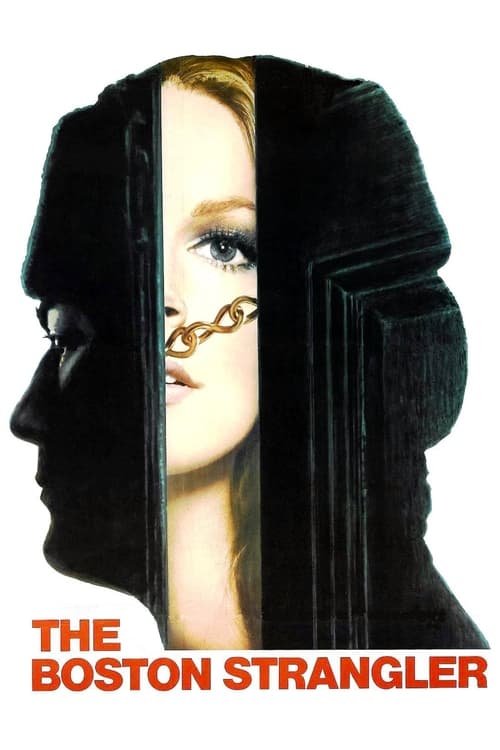
The Boston Strangler
6.7

Boston is being terrorized by a series of seemingly random murders of women. Based on the true story, the film follows the investigators path through several leads before introducing the Strangler as a character. It is seen almost exclusively from the point of view of the investigators who have very few clues to build a case upon.

The Boston Strangler

1968
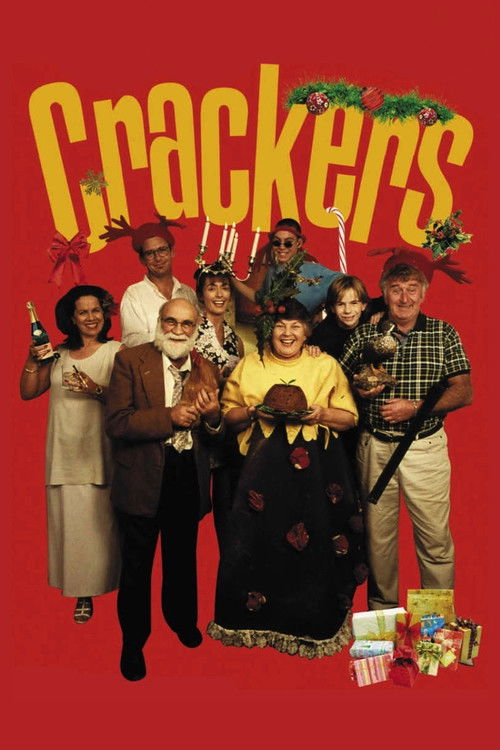
Crackers
5.7

Larceny, adultery, sabotage and treachery. Yes, just your typical Christmas with the Dredge family! Twelve-year-old Joey Dredge is in trouble again. Expelled for jumping off the school roof, he's haunted by his father's death and hates his mother's new boyfriend and his bullying son. Compounding his misery is the knowledge he has to spend Christmas with them at the family beach house. Things look grim until the unexpected arrival of great-grandfather Albert, fresh from a stint in prison. Forced to share the back shed with this swearing, farting and devious octogenarian, Joey's life changes. Between barbecuing the family dog, performing a self-burial and causing his intended step-father to consume a startling amount of hash, Joey learns a few life lessons from Albert, who despite his many vices may give Joey the strength to accept the past and embrace the future.

Crackers

1998
The Annanacks
N/A

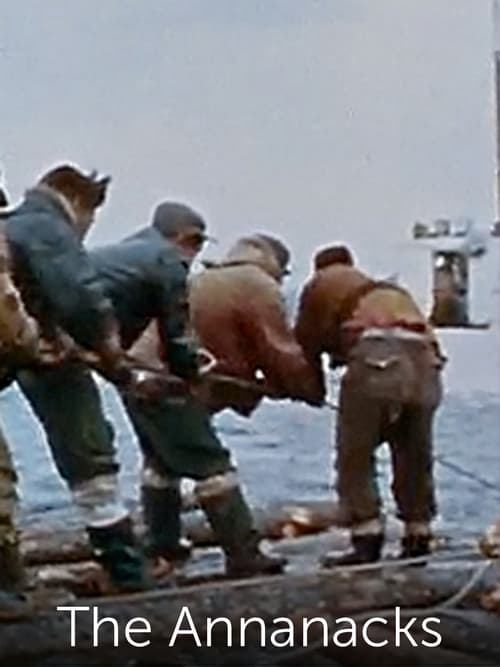
This short documentary depicts the formation in 1959 of the first successful co-operative in an Inuit community in Northern Québec. The film describes how, with other Inuit of the George River community, the Annanacks formed a joint venture that included a sawmill, a fish-freezing plant and a small boat-building industry.

The Annanacks

1964
Magic Molecule
10.0

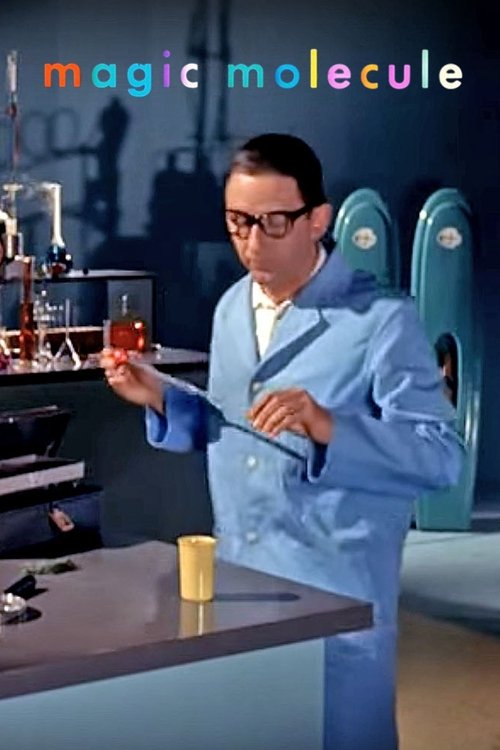
A film showing the new world created by the techniques and processes of the plastics industry. Transmuted from coal, oil or wood, synthetic substances can make thousands of new products, from silk threads to furniture. With a light and lively treatment, this film explores the colorful, versatile world of these synthetic materials.

Magic Molecule

1962
Kelly
7.0

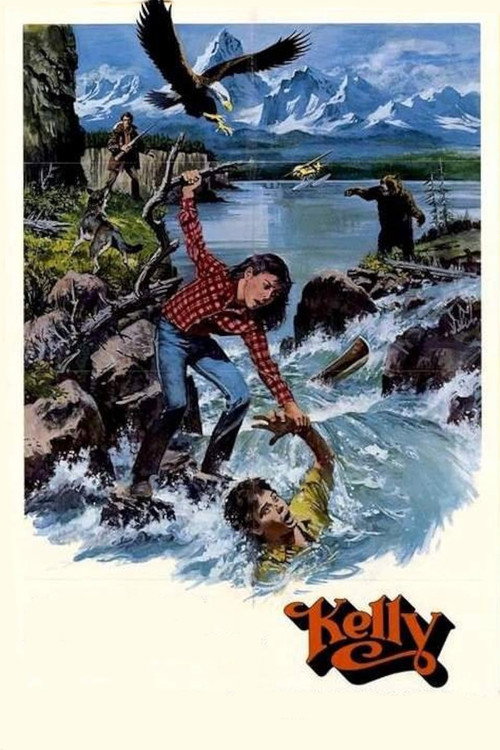
Thirteen-year-old Kelly travels from Los Angeles to Alaska to visit her father after her parents divorce.

Kelly

1981
A Place to Stand
7.3

An Academy Award winning multi-image large-format film showcasing life in Ontario without narration or dialogue but accompanied by the classic song "A Place to Stand, a Place to Grow (Ontari-ari-ari-o!)" Produced for the Ontario Department of Economics and Development, it premiered at the Ontario Pavilion at Expo '67 in Montreal.

A Place to Stand

1967
No image
N/A

A moving record of a natural disaster, Volcano documents the effect of a sudden volcanic eruption on the tiny island of Haimaey, off the coast of Iceland. Blasts of flame, clouds of black smoke and showers of rock erupt from the screen in a poignant portrait of a stricken town.

Volcano

1973
No image
N/A

Canadian documentary nominated for Best Colour Cinematography at the 17th Canadian Film Awards in 1965.

Expedition Bluenose

The Persistent Seed
7.0

A film by Christopher Chapman, known for his lyrical films of countryside and wilderness. He turns his colour camera on the growing city and there finds cheering proof that despite concrete and bulldozer, the persistent seed prevails. The film is without commentary and the camera work is a constant delight, for Chapman has the gift of catching life smiling wherever he may look. Film without words.

The Persistent Seed

1963
No image
N/A

A scenic tour of Canada's national parks, from the mountains of British Columbia to the sea-swept shores of Newfoundland. Besides the beauty of the unspoiled wilderness (and there is much of that), you see also the farsightedness of those who in the past century, set aside these territories for the enjoyment of future generations.

The Enduring Wilderness

1963
The Seasons
8.0

A short documentary film, set to Antonio Vivaldi's The Four Seasons, depicting the cycle of the seasons throughout a year on the grounds of his parents' farm on the shore of Lake Simcoe.

The Seasons

1954