FEEL IT.STREAM
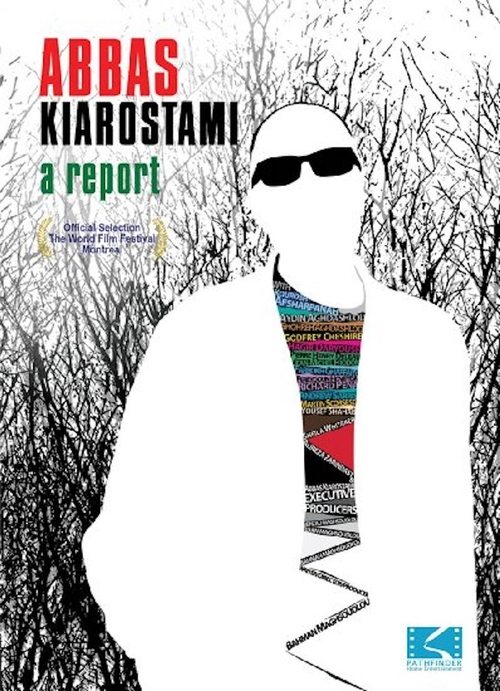
Abbas Kiarostami

Abbas Kiarostami

Directing

Biography

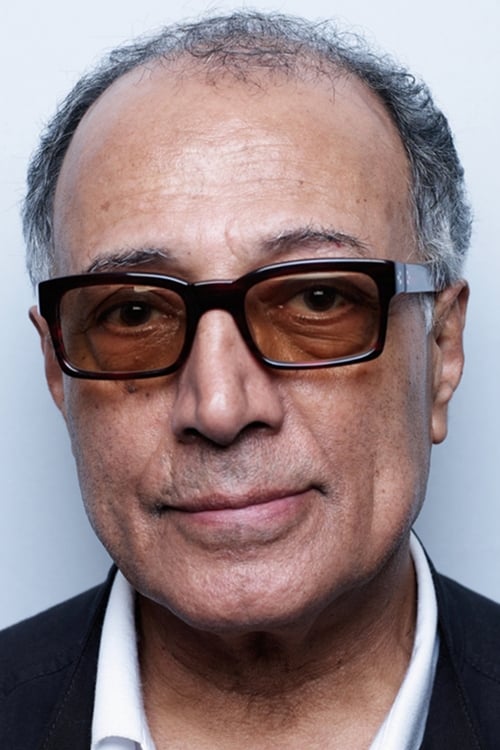
Abbas Kiarostami (Persian: عباس کیارستمی [ʔæbˌbɒːs kijɒːɾostæˈmi] ; June 22, 1940 – July 4, 2016) was an Iranian film director, screenwriter, poet, photographer, and film producer. An active filmmaker from 1970, Kiarostami had been involved in the production of over forty films, including shorts and documentaries. Kiarostami attained critical acclaim for directing the Koker trilogy (1987–1994), Close-Up (1990), The Wind Will Carry Us (1999), and Taste of Cherry (1997), which was awarded the Palme d'Or at the Cannes Film Festival that year. In later works, Certified Copy (2010) and Like Someone in Love (2012), he filmed for the first time outside Iran: in Italy and Japan, respectively. His films Where Is the Friend's Home? (1987), Close-Up, and The Wind Will Carry Us were ranked among the 100 best foreign films in a 2018 critics' poll by BBC Culture. Close-Up was also ranked one of the 50 greatest movies of all time in the famous decennial Sight & Sound poll conducted in 2012. Kiarostami had worked extensively as a screenwriter, film editor, art director, and producer and had designed credit titles and publicity material. He was also a poet, photographer, painter, illustrator, and graphic designer. He was part of a generation of filmmakers in the Iranian New Wave, a Persian cinema movement that started in the late 1960s and emphasized the use of poetic dialogue and allegorical storytelling dealing with political and philosophical issues. Kiarostami had a reputation for using child protagonists, for documentary-style narrative films, for stories that take place in rural villages, and for conversations that unfold inside cars, using stationary mounted cameras. He is also known for his use of Persian poetry in the dialogue, titles, and themes of his films. Kiarostami's films contain a notable degree of ambiguity, an unusual mixture of simplicity and complexity, and often a mix of fictional and documentary elements. The concepts of change and continuity, in addition to the themes of life and death, play a major role in Kiarostami's works. Description above from the Wikipedia article Abbas Kiarostami, licensed under CC-BY-SA, full list of contributors on Wikipedia.
Known For

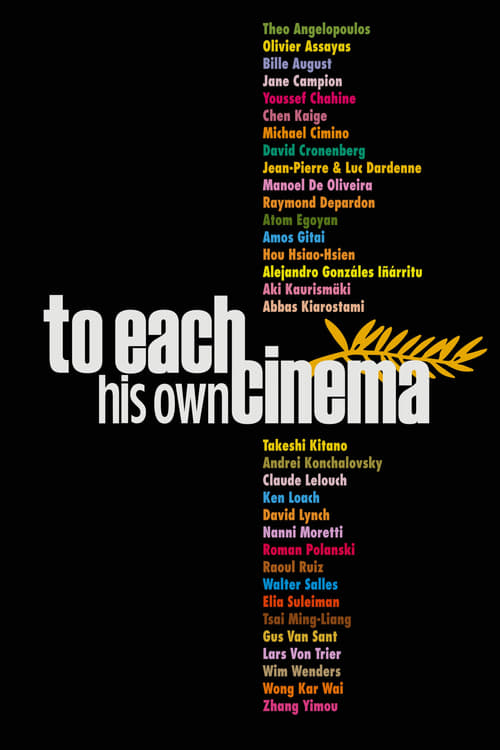
To Each His Own Cinema
6.5

Commissioned to mark the 60th anniversary of the Cannes Film Festival, "To Each His Own Cinema" brought together 33 of the world's pre-eminent filmmakers to produce short pieces exploring the multifarious facets of cinema and their perspective on the state of their chosen artform in the early 21st century.

To Each His Own Cinema

2007
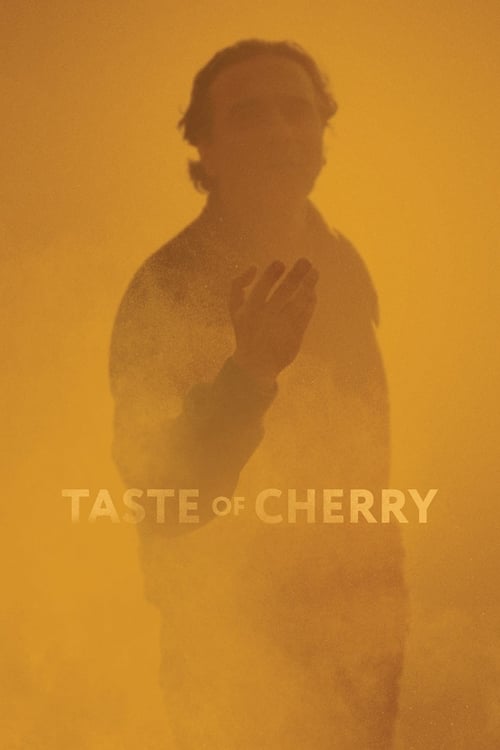
Taste of Cherry
7.7

A middle-aged Tehranian man, Mr. Badii is intent on killing himself and seeks someone to bury him after his demise. Driving around the city, the seemingly well-to-do Badii meets with numerous people, including a Muslim student, asking them to take on the job, but initially he has little luck. Eventually, Badii finds a man who is up for the task because he needs the money, but his new associate soon tries to talk him out of committing suicide.

Taste of Cherry

1997
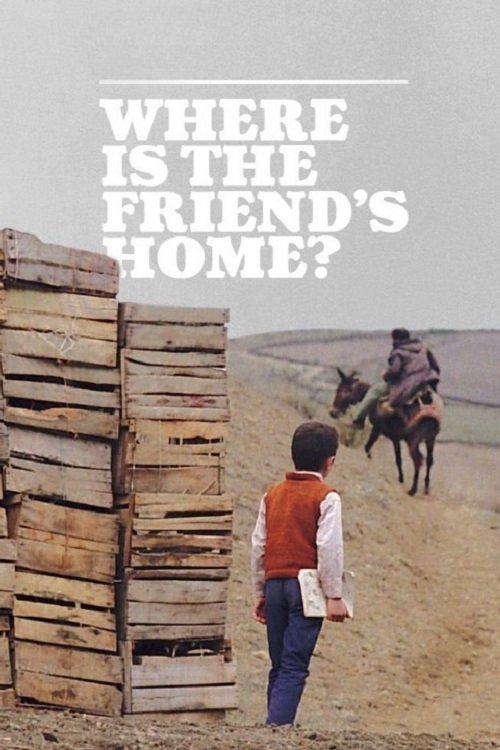
Where Is The Friend's House?
7.9

An 8-year-old boy must return his friend's notebook he took by mistake, lest his friend be punished by expulsion from school.

Where Is The Friend's House?

1987
Venice 70: Future Reloaded
5.1

Made for the Venice Film Festival's 70th anniversary, seventy filmmakers made a short film between 60 and 90 seconds long on their interpretation of the future of cinema.

Venice 70: Future Reloaded

2013
Like Someone in Love
6.9

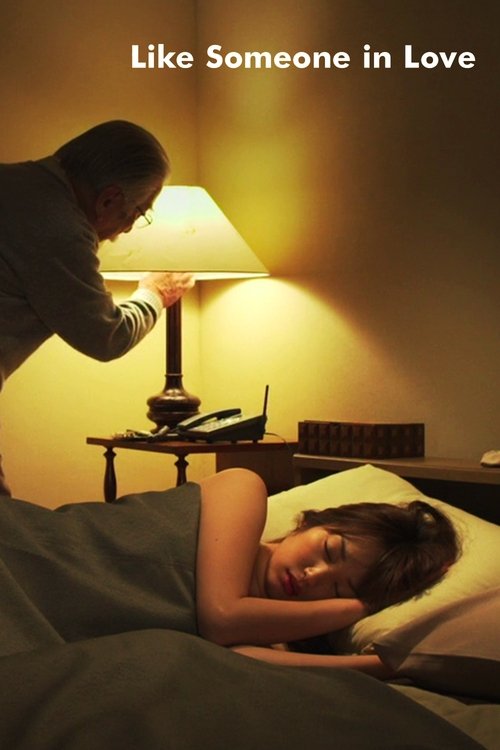
An old man and a young woman meet in Tokyo. She knows nothing about him, he thinks he knows her. He welcomes her into his home, she offers him her body. But the web that is woven between them in the space of twenty four hours bears no relation to the circumstances of their encounter.

Like Someone in Love

2012
Close-Up
7.9

This fiction-documentary hybrid uses a sensational real-life event—the arrest of a young man on charges that he fraudulently impersonated the well-known filmmaker Mohsen Makhmalbaf—as the basis for a stunning, multilayered investigation into movies, identity, artistic creation, and existence, in which the real people from the case play themselves.

Close-Up

1990
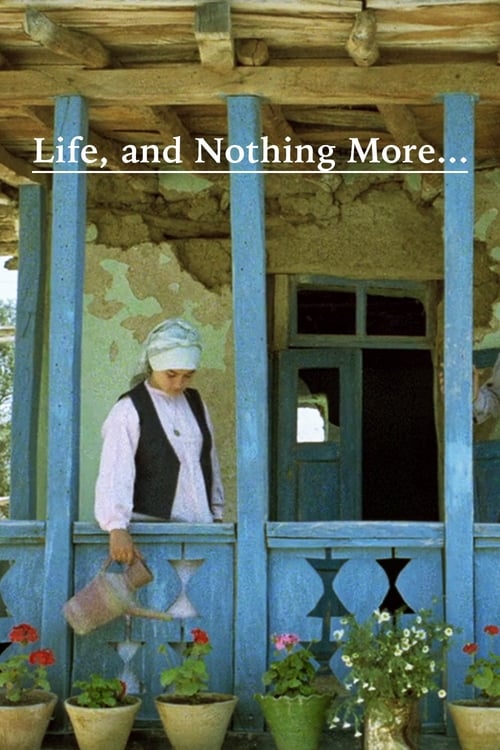
Life, and Nothing More…
7.7

After the earthquake of Guilan, a film director and his son travel to the devastated area to search for the actors from the movie the director made there a few years previously. In their search, they see how people who have lost everything in the earthquake still have hope and try to live life to the fullest.

Life, and Nothing More…

1992
Lumière & Company
6.3

40 international directors were asked to make a short film using the original Cinematographe invented by the Lumière Brothers, working under conditions similar to those of 1895. There were three rules: (1) The film could be no longer than 52 seconds, (2) no synchronized sound was permitted, and (3) no more than three takes.

Lumière & Company

1995
Certified Copy
7.0

In Tuscany to promote his latest book, a middle-aged English writer meets a French woman who leads him to the village of Lucignano.

Certified Copy

2010
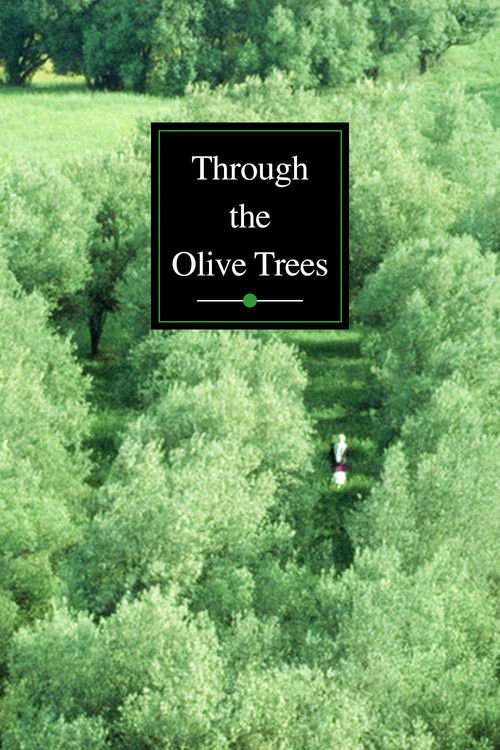
Through the Olive Trees
7.5

When the actor in a scene for his film Life And Nothing More… has to quit, a film director casts another man for the part. However, complications arise since the man and the woman who was cast for the scene know each other.

Through the Olive Trees

1995
The Wind Will Carry Us
7.1

Irreverent city engineer Behzad comes to a rural Kurdish village in Iran to keep vigil for a dying relative. In the meanwhile the film follows his efforts to fit in with the local community and how he changes his own attitudes as a result.

The Wind Will Carry Us

1999
Tickets
6.5

A train travels across Italy toward Rome. On board is a professor who daydreams a conversation with a love that never was, a family of Albanian refugees who switch trains and steal a ticket, three brash Scottish soccer fans en route to a match, and a complaining widow traveling to a memorial service for her late husband who's accompanied by a community-service volunteer who's assisting her. Interactions among these Europeans turn on class and nationalism, courtesy and rudeness, and opportunities for kindness.

Tickets

2005
Kurosawa's Way
5.8

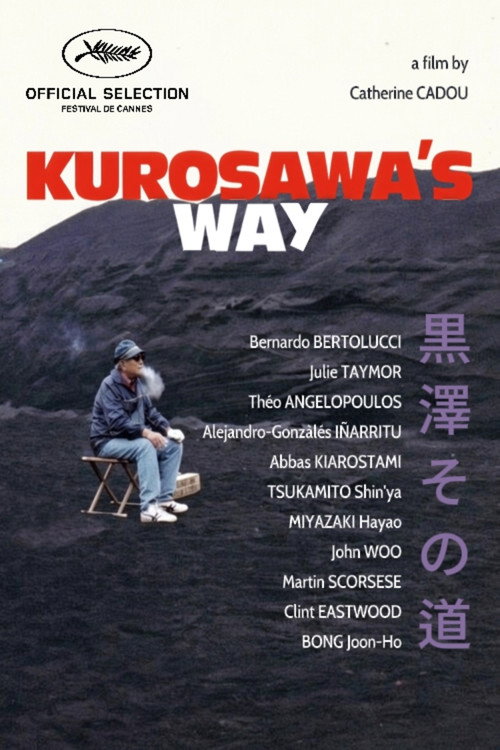
Eleven major film makers from Europe, America and Asia talk about Akira Kurosawa and discover surprising influences on their own work.

Kurosawa's Way

2011
Concerning Nice
5.6

Anthology of short films about the French city of Nice, by various directors. A homage to Jean Vigo and his "À propos de Nice" from 1930.

Concerning Nice

1995
Pierre Rissient: Man of Cinema
4.0

A veteran film critic explores the legacy of Cannes Film Festival regular Pierre Rissient.

Pierre Rissient: Man of Cinema

2007
Making of 'Like Someone in Love'
N/A

Documentary with behind-the-scenes footage on the set of Abbas Kiarostomi's 2012 film "Like Someone in Love" with narration by the director.

Making of 'Like Someone in Love'

2012
Shirin
6.2

A hundred and fourteen famous Iranian theater and cinema actresses and a French star: mute spectators at a theatrical representation of Khosrow and Shirin, a Persian poem from the twelfth century, put on stage by Kiarostami. The development of the text -- long a favorite in Persia and the Middle East -- remains invisible to the viewer of the film, the whole story is told by the faces of the women watching the show.

Shirin

2009
A Wedding Suit
7.2

A woman orders a suit from a tailor for her young son to wear to her sister's wedding. The tailor's apprentice, together with two other teenage boys who work in the same building, devise a plan to try on the suit at night to see what it feels like.

A Wedding Suit

1976
The Bread and Alley
6.5

After returning from an errand to get bread, a young boy encounters a dog that frightens him making the journey to get home more difficult than he could’ve imagined.

The Bread and Alley

1970
24 Frames
6.6

A collection of 24 short four-and-a-half minutes films inspired by still images, including paintings and photographs. An experimental project made by filmmaker Abbas Kiarostami in the last three years of his life.

24 Frames

2018