Léo Ferré
Sound
Biography
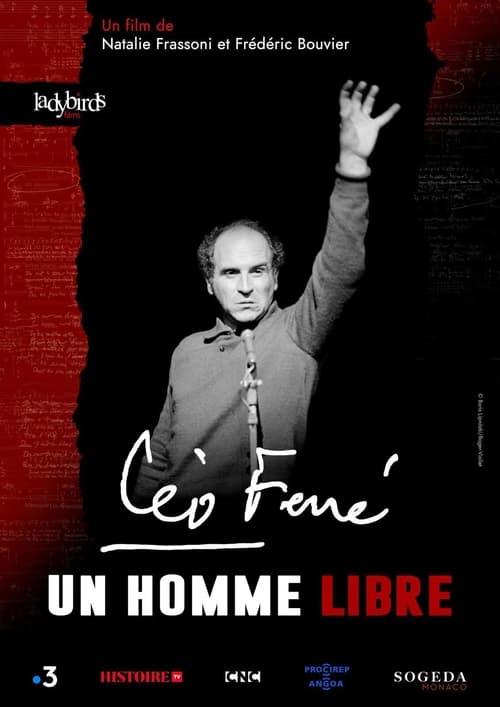
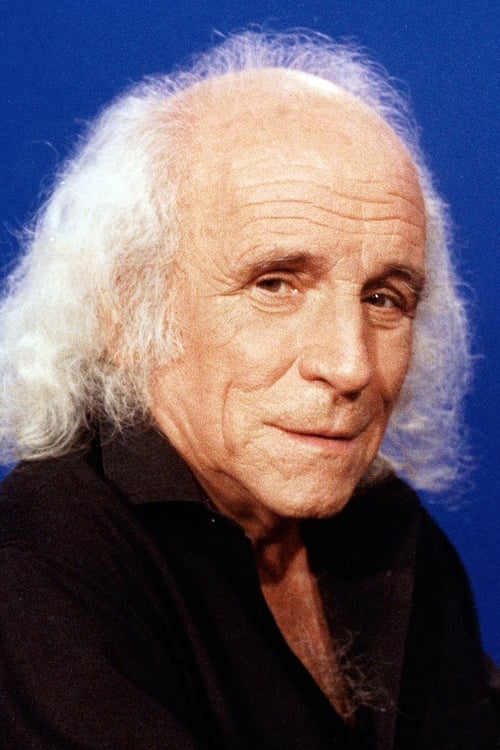
Léo Ferré (24 August 1916 – 14 July 1993) was a French-born Monégasque poet and composer, and a dynamic and controversial live performer, whose career in France dominated the years after the Second World War until his death. He released some forty albums over this period, composing the music and the majority of the lyrics. He released many hit singles, particularly between 1960 and the mid-seventies. Some of his songs have become classics of the French chanson repertoire, including "Avec le temps", "C'est extra", "Jolie Môme" and "Paris canaille". Son of Joseph Ferré, French staff manager at Monte-Carlo Casino, and Marie Scotto, a Monégasque dressmaker of Italian descent from Piedmont, he had a sister, Lucienne, two years older. Léo Ferré had an early interest in music. At the age of seven, he joined the choir of the Monaco Cathedral and discovered polyphony through singing pieces by Giovanni Pierluigi da Palestrina and Tomás Luis de Victoria. His uncle, former violinist and secretary at the Casino, used to bring him to performances and rehearsals at the Monte Carlo Opera. Ferré listened to such musicians as bass singer Feodor Chaliapin, discovered Beethoven under the baton of Arturo Toscanini (Coriolanus), was deeply moved by the Fifth Symphony. But it is the sweet presence of composer Maurice Ravel during L'Enfant et les Sortilèges rehearsals that impressed him the most. At nine years of age he entered Saint-Charles College of Bordighera, run by the Brothers of the Christian Schools in Italy. He remained there for eight long years of severe discipline and boredom. He wrote about this lonely and caged childhood in an autofiction (Benoît Misère, 1970). He graduated from high school at Monaco, but his father did not let him attend the Conservatory of Music. In 1945, while still a "farmer" and a Jack-of-all-trades at Radio Monte-Carlo, Ferré met Edith Piaf, who encouraged him to try his luck in Paris. In April 1947, Ferré agreed to tour in Martinique, which turned out to be disastrous. From the end of 1947 Ferré produced and hosted on Paris Inter station several cycles of programs devoted to classical music. In Musique Byzantine (1953–54), he expanded his topics on aesthetics, such as tonality necessity, exotic melody, opera (the "song of rich people"), boredom, and originality or "marshmallow music". In 1952, to submit Verdi examination at La Scala in Milan, he wrote the libretto and music of an opera called La Vie d'artiste (same title as the song). It transposed his past years' experience into a kind of a black comedy but Ferré did not seem to like it much, finally abandoning it for other projects. He began to sing in larger venues such as l'Olympia, as the opening act of Josephine Baker in 1954. In 1956, Ferré wrote and composed La Nuit (The Night), a ballet with sung sections commissioned by choreographer Roland Petit. It was a violent flop. ... Source: Article "Léo Ferré" from Wikipedia in English, licensed under CC-BY-SA 3.0.

Known For

No description available.
Champs-Elysées

No description available.
Sacrée soirée

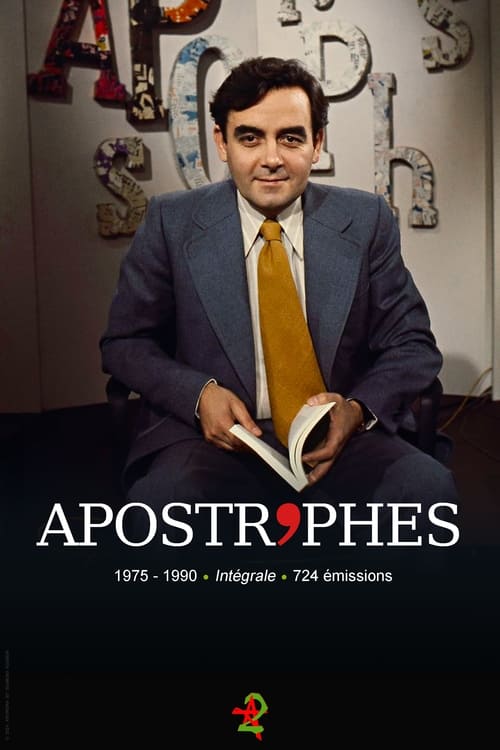
Apostrophes was a live, weekly, literary, prime-time, talk show on French television created and hosted by Bernard Pivot. It ran for fifteen years (724 episodes) from January 10, 1975, to June 22, 1990, and was one of the most watched shows on French television (around 6 million regular viewers). It was broadcast on Friday nights on the channel France 2 (which was called "Antenne 2" from 1975 to 1992). The hourlong show was devoted to books, authors and literature. The format varied between one-on-one interviews with a single author and open discussions between four or five authors.
Apostrophes

A talk show presented by Michel Drucker
Les Rendez-vous du dimanche

Midi Première is a French variety show presented by Danièle Gilbert, directed by Jacques Pierre and broadcast from January 6, 1975 until January 1, 1982 on TF1. The program was generally broadcast between 12:15 p.m. and 12:55 p.m., then giving way to the 1:00 p.m. TV news. However, the broadcast schedule could change, depending on the guests, and the setting where the recording of the program was shot. Certain performances by artists who have become cult like the one where Ringo jostles with a demonstrator in interpretation (1977), that of Dalida with the title There is always a song with the soundtrack that does not start, twice, at the right speed (1978), Claude François and his Clodettes, who, in the provinces, are unable to join "the set" in order to interpret his song, the latter being taken by the crowd of delirious fans (summer 1977) . The group Supertramp performed there with the title "Dreamer" on March 8, 1975.
Midi Première

Le Grand Échiquier is a French variety television program created and presented by Jacques Chancel. It aired at 8:30 pm on the first channel of the ORTF from January 12, 1972 to July 12, 1972, then on the second color channel of the ORTF from September 1972 to December 1974, and finally on Antenne 2 from January 1975 to December 21, 1989. The program returned to France 2 on December 20, 2018 and is hosted by Anne-Sophie Lapix.
Le Grand Échiquier

No description available.
Le monde est à vous

A French variety show.
Numéro un
No description available.
Midi trente

No description available.
Discorama
No description available.
Système 2

No description available.
Téléthon

No description available.
À bout portant

In the summer of 1963, François Mitterrand was going through a deep existential crisis. His political career was at a standstill and, after 19 years of marriage, the couple had grown apart. It was at this point that François Mitterrand met the woman who was to give new meaning to his life. Anne Pingeot, aged 19, was to become the companion of a lifetime, a woman who would be with him throughout his rise to power and who would remain by his side until his last breath. For the first time, Anne Pingeot has agreed to allow the fragments of this passionate love story — hundreds of letters and a diary — to be shown on television, before being donated to the National Library.
François Mitterrand & Anne Pingeot: Pieces of a Love Story

The love that Judy, a young painter, feels for Alan, a promising doctor to whom she is engaged, falters when Bill, an old friend, suddenly appears.
Cage of Gold

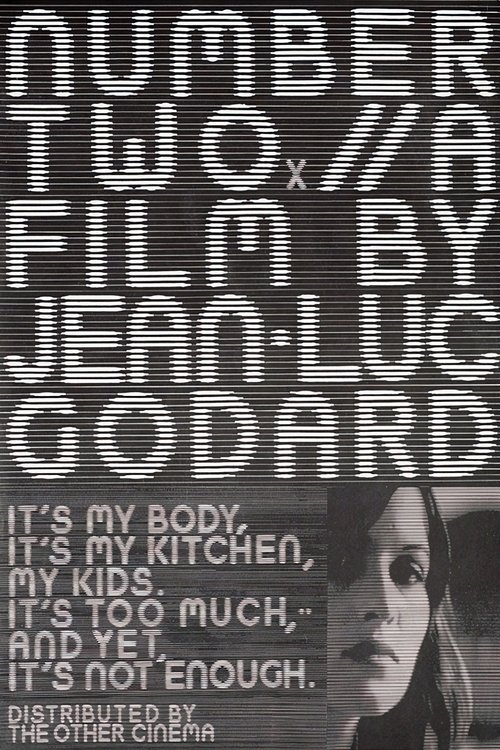
Jean-Luc Godard mixes video and film in his Grenoble studio, discussing how he secured funding for the film. The action unfolds on two monitors, as a young working-class couple lives in a claustrophobic, high-rise apartment complex and marital discord is set off by the wife’s infidelity.
Number Two

A prisoner escapes and kidnaps a woman with her he falls in love. He's involved in a bad business where politicians and underworld are leading the dance. He'll die like the albatross in Baudelaire's poem.
The Albatross

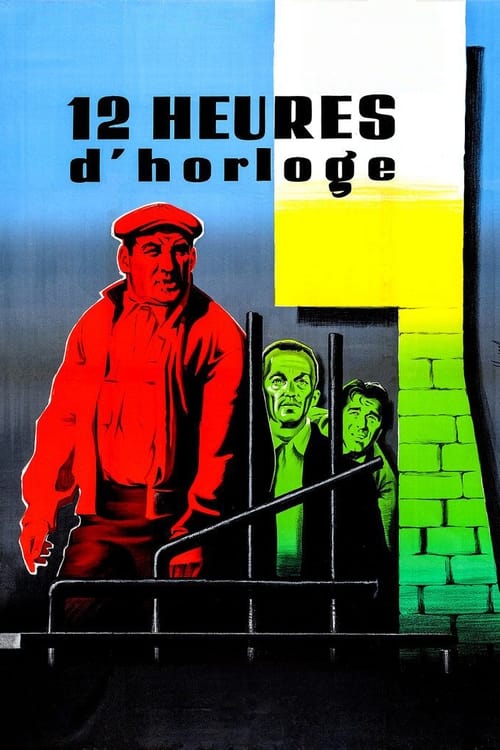
Three criminals escape from a French prison and hide in a coastal village where they have to wait for 12 hours until the boat that is supposed to take them to freedom arrives.
Twelve Hours by the Clock

About the Gabriel Matzneff affair and pedophilia in French culture and society from the 1950s to the present day. "It was not very difficult to know who Matzneff was at the time." Vanessa Springora denounces thus, in an interview with the Parisian , the support which benefited the writer Gabriel Matzneff , in the years 1970 and 1980. The author fifties then maintains an affair with the young girl, aged 14 years. A relationship under control that the editor tells in Le Consentement (éd. Grasset), published Thursday. "After having analyzed the work " , the Paris public prosecutor's office announced Friday January 3 the opening of an investigation for "rapes committed on the person of a minor of 15 years".
L'affaire Matzneff

An original musical, featuring songs from various composers, about an acting troupe seeking artistic acclaim in Paris.