Alexander Stenbock-Fermor
Writing
Known For

A mysterious magnetic spool found during a construction project is discovered to have originated from Venus. A rocket expedition to Venus is launched to discover the origin of the spool and the race that created it.
The Silent Star
During the global economic crisis, "Morgenrot" mine is due to be closed due to unprofitable results. With the use of a machine forbidden for security reasons, the mates try to work more effectively and thus save their jobs. A serious accident happens.
Grube Morgenrot
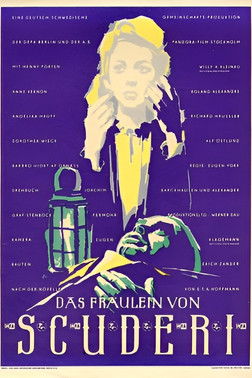
Several men have been murdered lately, mostly rich lovers on their way to meet their mistresses with gifts of fine jewelry. To fight this scourge, King Louis XIV decides to create a special court named "La chambre ardente", designed to find and punish the perpetrators of such heinous crimes. An unexpected person, Mademoiselle de Scudéry, the famous poetess, will find herself entangled in the web of a criminal intrigue linked with the jewel murders, along with a a goldsmith, his daughter and her fiancé...
The Lady of Scuderi
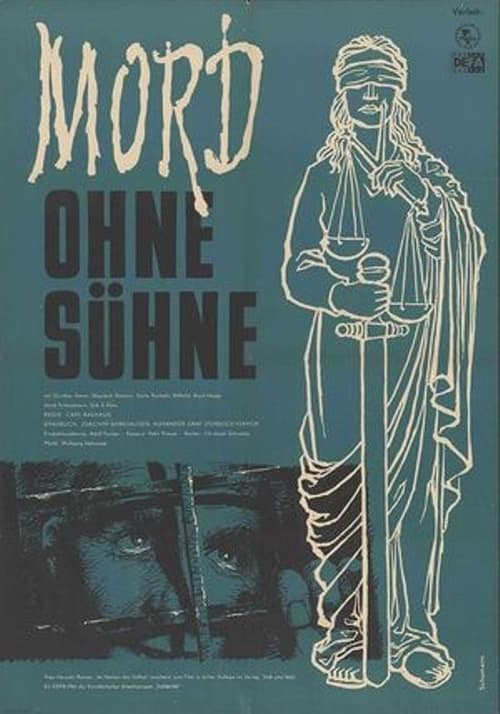
Based on an authentic case from the 1920s. The head country constable Heinz Lippert arrests the Polish farm worker Jakubowski on suspicion of murdering a child - his adopted son. Although he has insufficient evidence, public prosecutor Becker takes the case to court. Jakubowski is sentenced to death, the "Polish murderer" fits in with the propaganda of the time. Lippert, encouraged by the communist editor Hartmann, tries to prevent the sentence from being carried out and even investigates the real perpetrator. In vain, the death sentence was carried out prematurely. After the Nazis seized power, the public prosecutor, now an SS leader, had the men who had uncovered the true facts arrested. Lippert joins the underground resistance.
Mord ohne Sühne
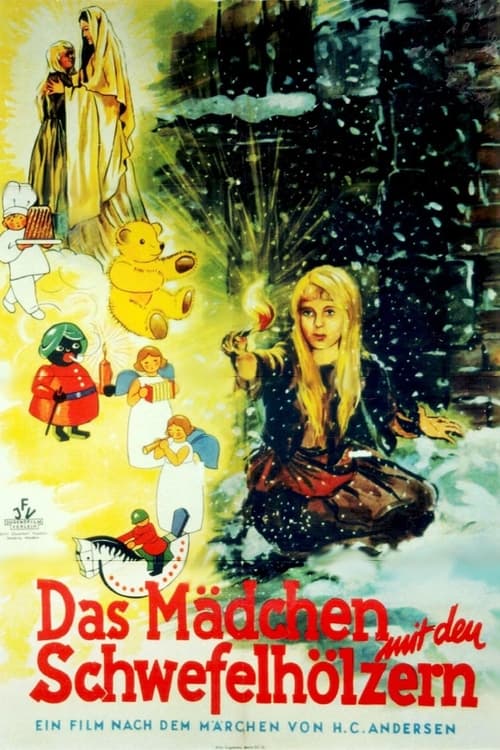
TV adaptation of Andersen's fairy tale which transposes the freezing girl's dreams into dance sequences.
Das Mädchen mit den Schwefelhölzern
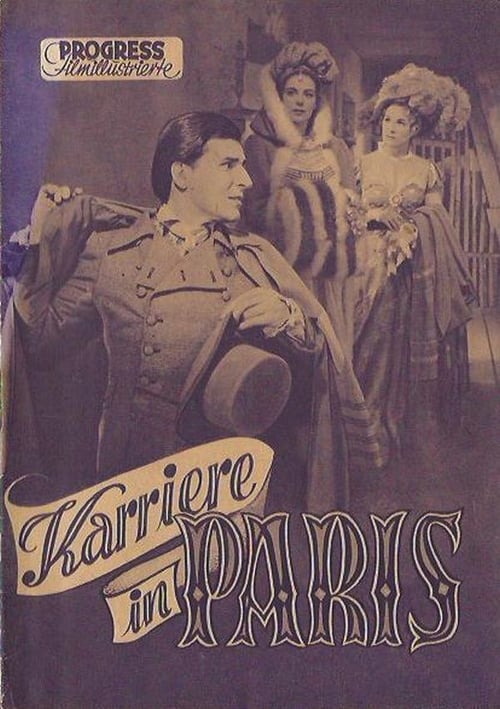
France at the time of the Restoration. The young country gentleman Rastignac comes to Paris to study. He takes up residence in a poor boarding house, where his father Goriot, who has been excluded by his daughters, also lives. The penniless Rastignac is anxious to gain a foothold in Parisian society. His cousin advises him to take the rich banker's wife Delphine, one of Goriot's daughters, as his mistress, which he does. At the same time, however, he falls in love with the laundress Yvette. He is unable to make up his mind when boarding house guest Vautrin suggests a third option: To marry Victorine, the disinherited daughter of a millionaire, and kill her brother in a duel in order to get his inheritance after all. Rastignac agrees. This is his downfall. Instead of high society, he ends up in the gutter.
Karriere in Paris
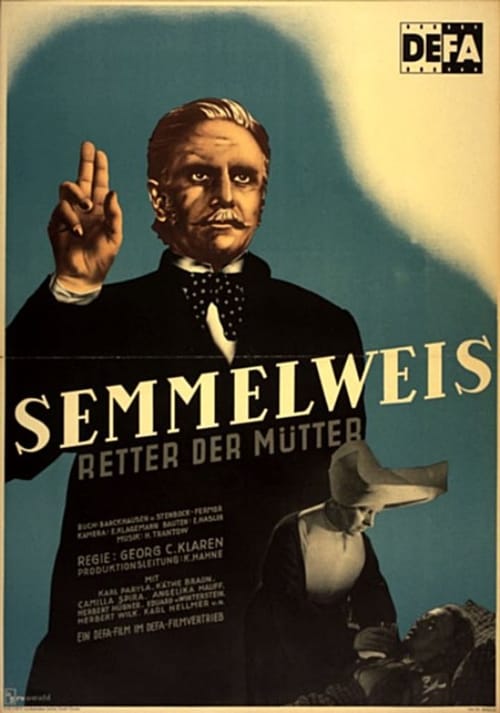
In the middle of the 19th century, almost one in three women who gave birth died of puerperal fever. The Hungarian doctor Ignaz Philipp Semmelweis also observed these terrible occurrences in his clinic in Vienna. He came to the conclusion that it was primarily the unhygienic conditions in the clinic itself that led to this disease, as his colleagues were constantly shuttling back and forth between the anatomy department and the delivery room. He tries to convince the doctors of the absolute necessity of thorough disinfection by washing their hands with chlorinated lime. He meets with fierce resistance from his colleagues until he himself sets up an exemplary clinic in Budapest.
Semmelweis – Retter der Mütter
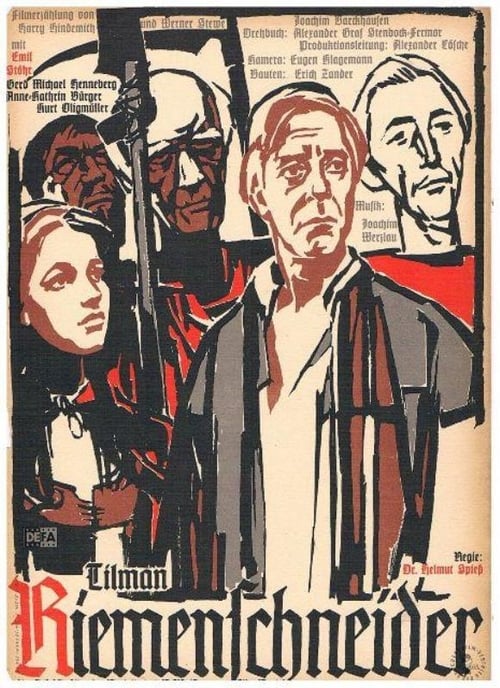
The important German wood sculptor Tilman Riemenschneider (born around 1460) is considered to be artistically and socially established. He was a councillor in Würzburg and held several offices. In his works and in the way he conducted his office, he showed himself to be connected to the common people, who revered him. But he also had a patron in the art-loving Prince-Bishop Konrad von Thüngen. But when the peasants' uprising spread to Würzburg in 1525, Riemenschneider stood up for the rights of the peasants and opposed the use of soldiers, Thüngen became his bitter opponent. Although he initially flees from the superior forces, he returns after the uprising has been suppressed and imprisons Riemenschneider. Weeks later, he is released from prison. His hands were broken, but not his steadfastness.
Tilman Riemenschneider
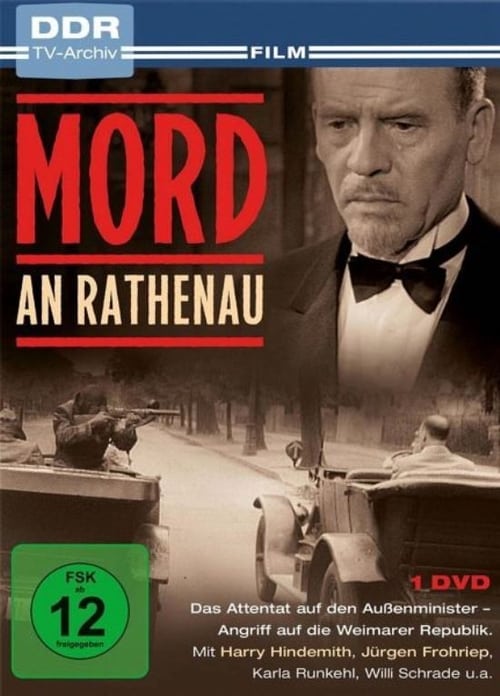
Germany 1922 during the Weimar Republic: Foreign Minister Walther Rathenau signs the Treaty of Rapallo between Germany and the Soviet Union. German national, conservative forces then speak of betrayal and anti-Semitic tones become loud. Plans for murder Rathenaus are forged in the vicinity of the Freikorps. The young engineer Horst Bergmann learns about the preparations of the assassination attempt and tries to warn Rathenau.