Acting
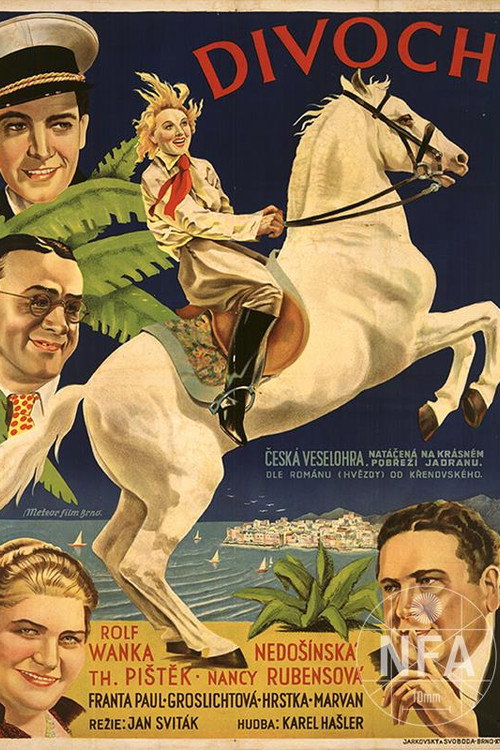
Mirko, bored with his extravagant life, decides to spend his vacation alone, far from the company of his Prague friends. He even makes a bet with a friend that he will go a month without any funds, luxuries, a car and...without a kiss.
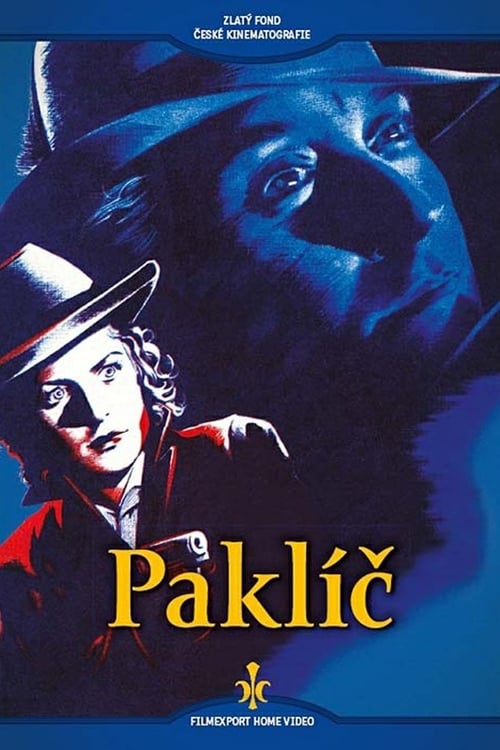
Successful writer Gabriel Anděl still loves his wife Lola very much, but he can't stand the way she is always getting involved in his work, so he decides to divorce her. Just as he is about to move into his country villa, a police inspector appears on the scene with a warning that some crooks are planning to sell the house in question to a rich Czech-American. Anděl and the inspector immediately drive there and indeed find a gang of criminals disguised as servants. However, these are far from the only crooks involved in this complicated case. Before the crazy night is over, Gabriel and Lola will have many more surprises and complicated situations...
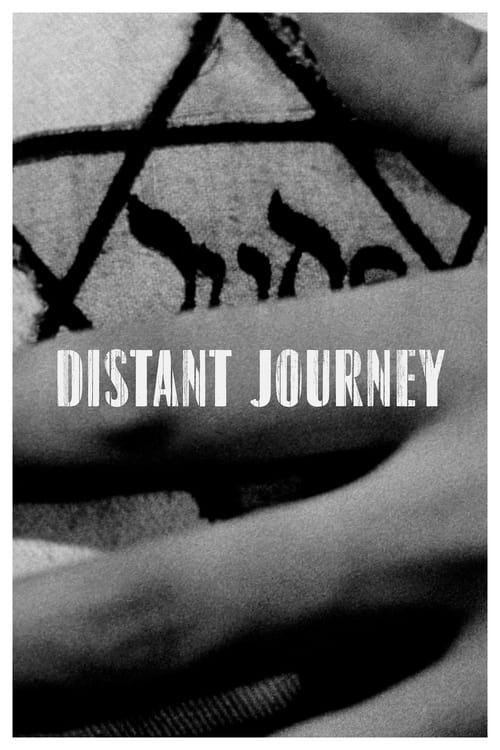
Prague, during World War II. Hana Kaufmann, a Jewish ophthalmologist, marries Dr. Antonín Bureš, a Christian man. When her family is sent to the Theresienstadt concentration camp, their romance turns into a struggle for survival.
No description available.
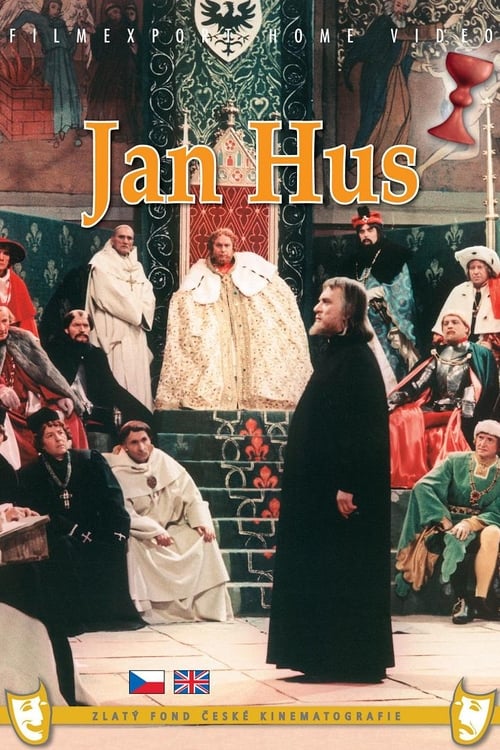
The first part of the "Hussite Revolutionary Trilogy", completed with Jan Žižka (1955) and Proti všem (Against All Odds, 1957). The film captures the period from May 1412 to the summer of 1415, a turbulent time in the Czech Kingdom, during which there were protests in Prague against the sale of "omnipotent indulgences" whose sale throughout the kingdom was announced by Pope John XXIII. The ideological leader of this movement is the preacher Master Jan Hus, whose words, calling for the elimination of church abuses, are listened to in the Bethlehem Chapel by thousands of ordinary Praguers, Czech lords and Queen Sophie, wife of the Czech King Wenceslas IV.
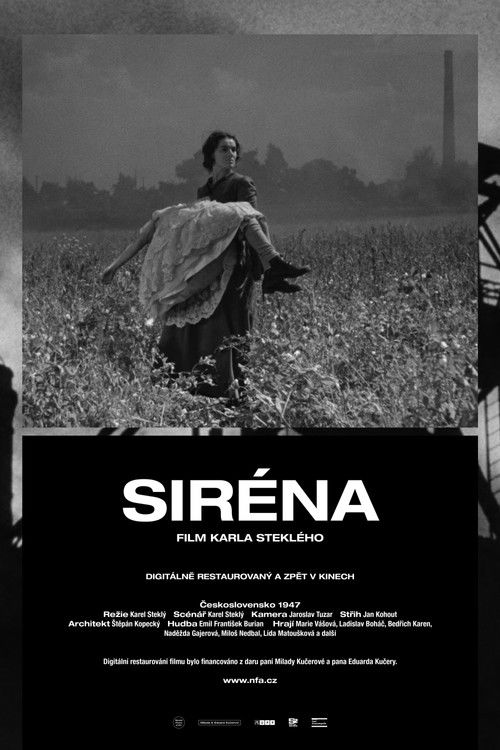
The course of an organized strike by workers from North Moravian steelworks in 1931 to resist mass layoffs during the economic crisis.
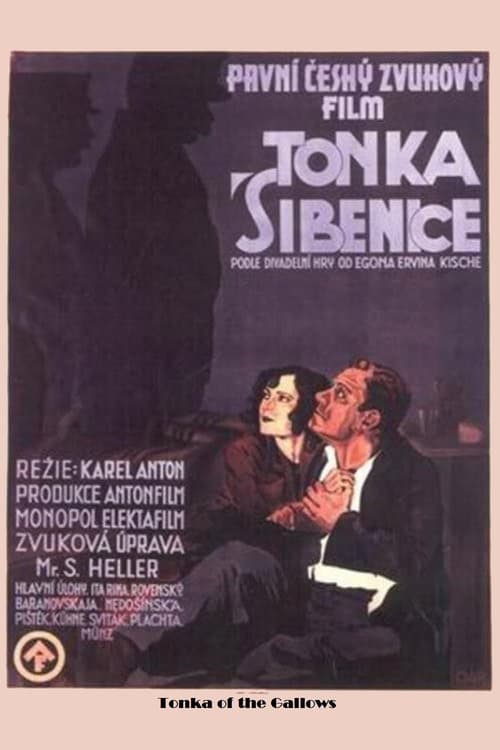
Melodramatic story of an innocent country girl (Ita Rina) who struggles to make a living in the city as a prostitute. As she provides last service to a murderer sentenced to death (Josef Rovenský), society condemns her and leads her to despair. This groundbreaking film directed by Karel Anton was made in 1930 as the first Czech feature movie with post-synchronised soundtrack, recorded in France. International star cast, sensitive adaptation of Egon Erwin Kisch’s short story and innovative combination of silent and sound film features make this movie an artwork of European significance.
In late 19th century Czech-speaking Bohemia, oppressed workers at German-owned mines and foundries revolt against their harsh working conditions. Made shortly after World War II as Czechoslovakia was falling to communism, the film resonates in Czech resentment of the German occupation.
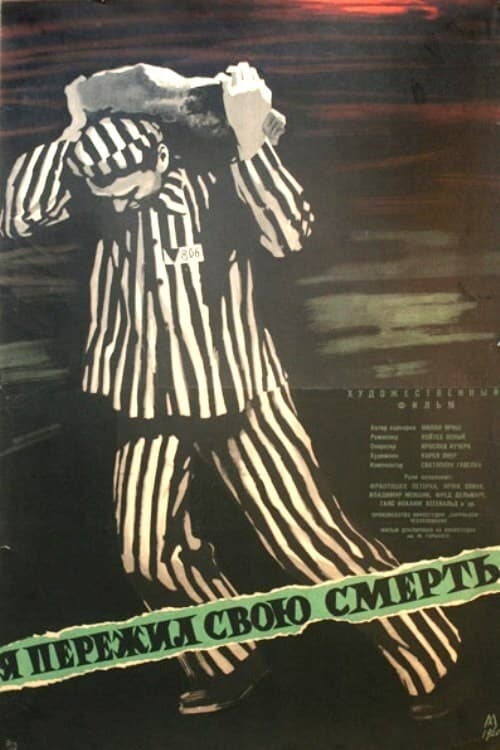
Telling the prisoners of a death camp. Boxer Tony Majer, who got into a concentration camp for a fight with the Gestapo, remembers the murderous work in quarries, on the cruel torture of the Nazis and prison solidarity that helped him survive.
The Czech revival movement is divided at the end of the first half of the 19th century. While the older generation, such as František Palacký, urges restraint, students lean towards radical positions. A report on the revolutionary events in Paris prompts Czech Prague residents to write down the demands of the Czech nation for self-determination and the proclamation of a constitution. Tensions peak during the All-Slavic Congress in Prague's Žofín. Vienna rejects the Czech demands and the congress is brutally dispersed by the Austrian police. Prague begins to build barricades...
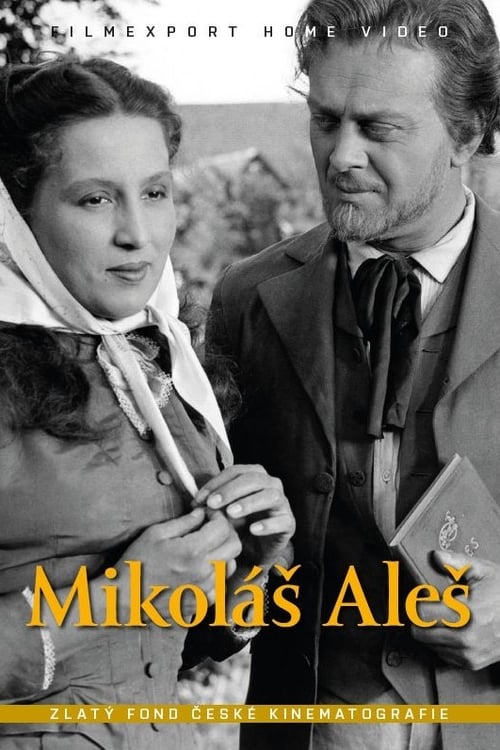
A biographical film about the famous Czech painter Mikoláš Aleš, portrayed as part of the vanguard of the working class and a spokesman for the oppressed, who asserts himself despite the opposing bourgeoisie and reactionaries of all kinds. The film focuses on the period when Mikoláš Aleš participated in the competition to decorate the National Theatre.
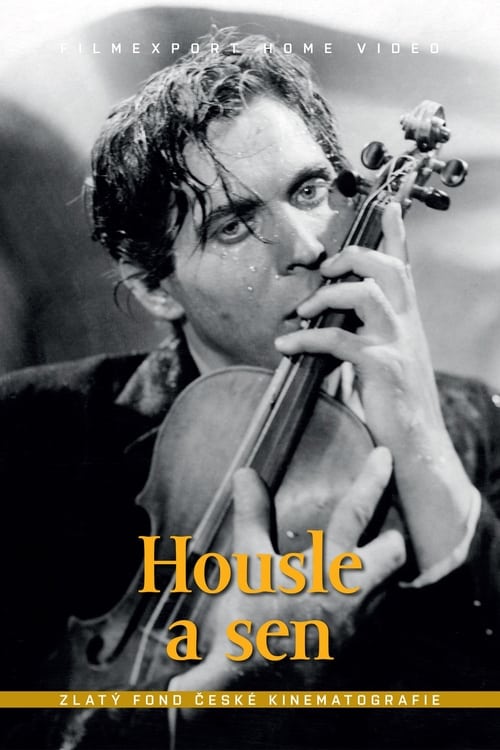
The biographical film about the prematurely deceased violin virtuoso Josef Slavík takes place entirely like a haunting dream, in the mind of a feverish artist who remembers how he amazed Paganini himself with his playing.
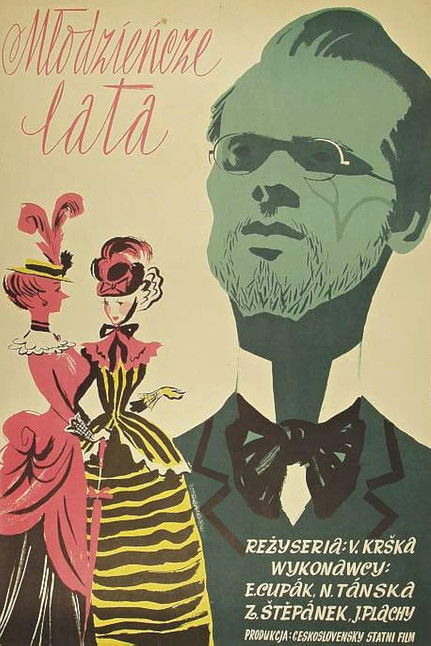
Early Days follows the early life of famous Czech writer Alois Jirásek. Jirásek had already developed his own view of the history of the Czech nation while he was at grammar school in Broumov. When he becomes the supply teach in Litomyšl, he has already written his first book and a number of poems. The local dignitaries await the arrival of the young writer in excited anticipation. Jirásek, however, is sickened by the empty patriotism from the depths of his soul and soon becomes disagreeable to the notables. The district sheriff tries to remove Jirásek from the school and drive him out of town. Unable to do this, the sheriff appoints a pro-Austrian headmaster who attempts to sabotage Jirásek. The students stand behind Jirásek , however, and discontent is not only felt in Litomyšl but throughout Bohemia.
In a country whose people have just been successfully persuaded of their superiority and the justification for military expansion by the fiery speeches of a dictator, the bacillus of a highly destructive form of leprosy has spread. It is called morbus Tshengi, or popularly „white disease“. The only one who has developed an effective cure for it is a physician of the poor named Galén. But he refuses to reveal the secret of his cure as long as the powerful destroy human lives through wars.
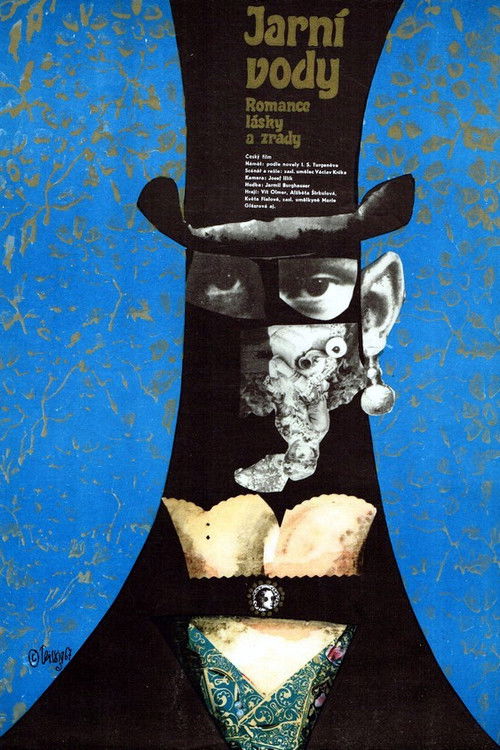
Sanin, an aging Russian nobleman, recalls his unfulfilled love for a simple girl with whom he fell in love during his youthful travels, but left her for a short-lived love affair with a selfish high society beauty.
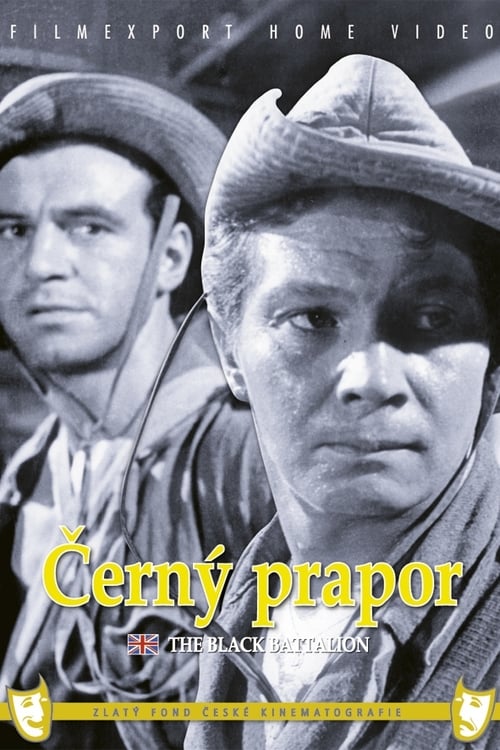
A fictionalized account of Czech soldiers who fought for the French Foreign Legion in Vietnam.
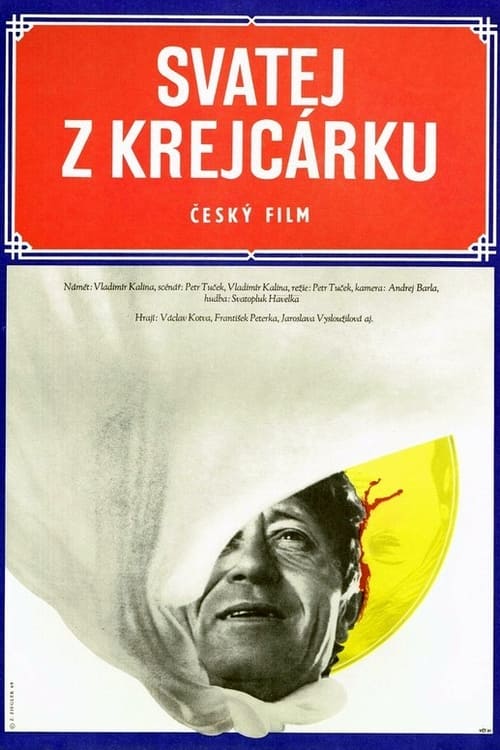
The shoemaker, Lájošek Cína, is a naive good-for-nothing with his heart on his sleeve, who, as the day grows long, never leaves his shop, where he also sleeps, and his only company is a small stray kitten. One day he is approached by a peculiar truck driver, Martin, who immediately adopts Lájošek as his new driver and becomes his life guide with a plan to rebuild his peaceful life from the ground up. In the Žižkov colony at Krejcárk he meets the charming Magda, with whom Lájošek falls in love and begins to live with her and her four children. Soon after, they are expecting their own and their life would seem ideal, but every happiness comes at a price...
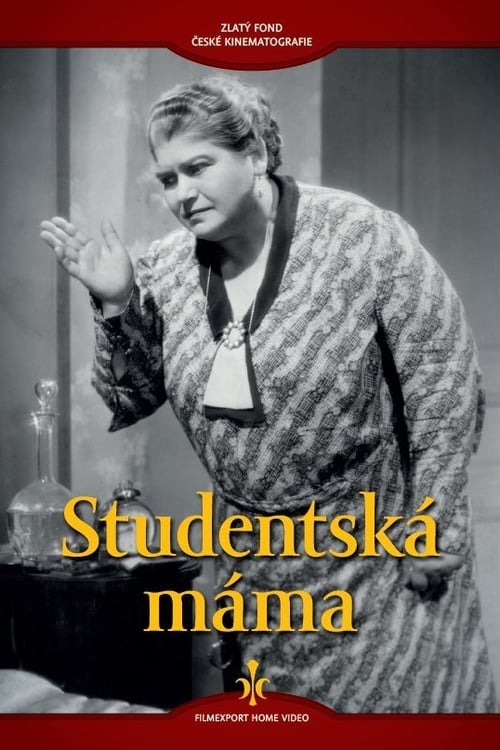
A comedy about a small student boarding house, whose quirky and energetic owner, Miss Klatovská, takes maternal care of all her tenants, selflessly helps them with their problems and experiences all their successes, student loves and life's ups and downs with them. Whether it's the failing octave student Eman's problems with Latin, the hopeless love of chemist Jožka Budil for the medic Magda Bártová, or the fraudulent sale of a rare painting, in which the medic Mirek Toman gets involved...
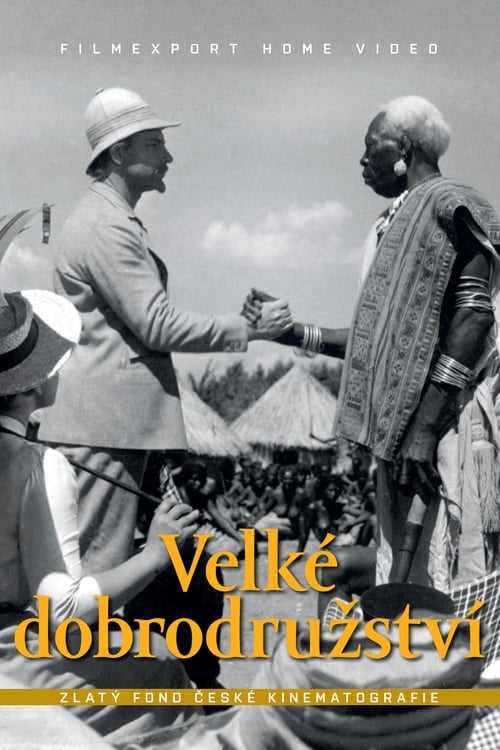
A biographical film about the traveler Emil Holub, conceived as an illustrative story of an exceptional man, who, however, encounters the disinterest and rejection of the domestic Czech bourgeoisie. To this is added an international perspective - Holub encounters British expansionism in Africa and indignantly rejects colonial methods, trying to help black people.
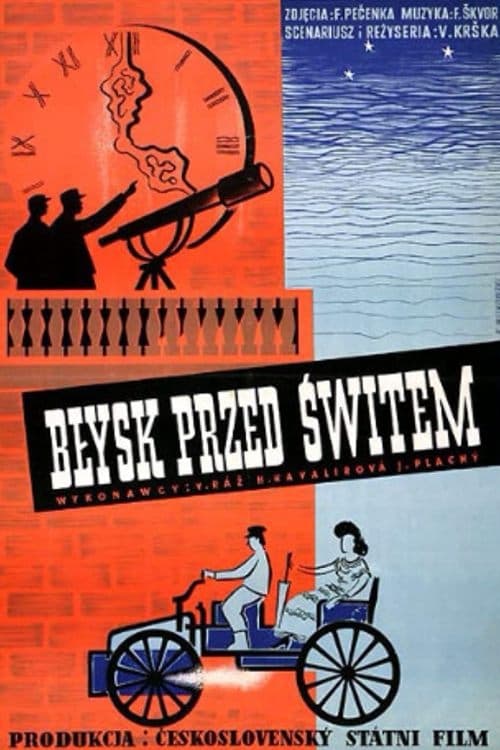
A biographical film about a Czech mechanic and designer who was the first in the Czech lands to construct a steam car.