Acting
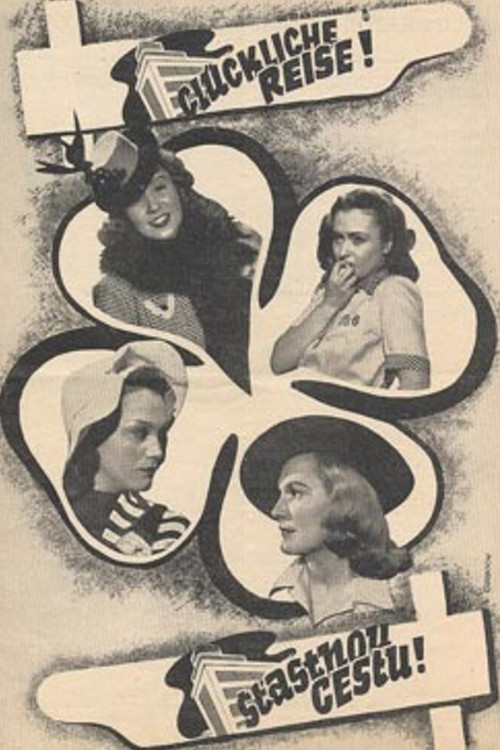
Filmed during the Nazi occupation, this panoramic drama set in a Prague department store follows the divergent destinies of four female coworkers, each of whom seeks happiness in a different way.
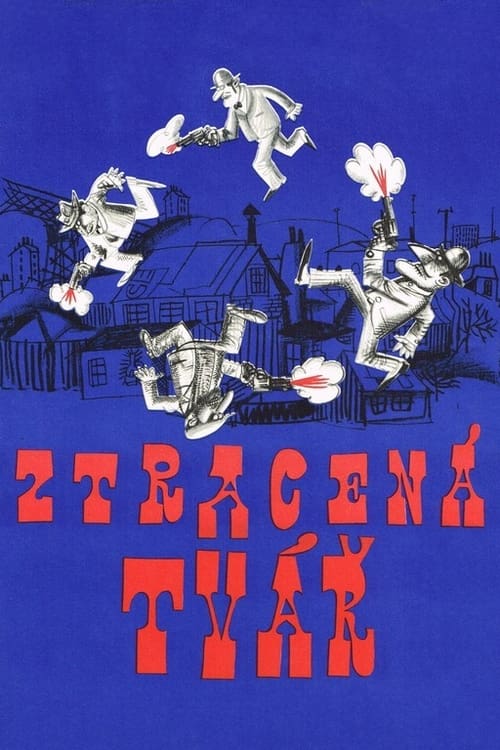
It is the 1930s. Physician Bartos devotedly attends poor patients in the city suburbs, at the same time researching the possibilities of regeneration of human tissues after transplantation. His former colleague Rosen, now working as an assistant at the private clinic of surgeon Kirchenbruch, considers the research a mere utopia. The disappointed Bartos, trying to verify his theories, therefore accepts the outrageous proposal of Marion, owner of a brothel - to surgically replace the face of her lover, the wanted thief Cutter, with the face of murdered Father Hopsasa. Bartos is well paid but his successful operation remains a secret.
The troubles of a young married couple with an overprotective mother and mother-in-law. Usually it ends with a wedding, but this time it begins. Young doctor Petr Dvořák marries the charming Marta Hábová. However, their honeymoon to Venice is unexpectedly complicated by Martina's widowed mother, a rich, kind, but very absent-minded lady. First, they are not allowed to cross the border because they did not declare the things she secretly packed for them for the trip, and then they spend the night behind bars because the mother-in-law, in her absent-mindedness, reports the secretly packed things as stolen after she catches a pair of robbers in her house. It is no wonder that the young marriage is soon shaken to its foundations...
Successful writer Gabriel Anděl still loves his wife Lola very much, but he can't stand the way she is always getting involved in his work, so he decides to divorce her. Just as he is about to move into his country villa, a police inspector appears on the scene with a warning that some crooks are planning to sell the house in question to a rich Czech-American. Anděl and the inspector immediately drive there and indeed find a gang of criminals disguised as servants. However, these are far from the only crooks involved in this complicated case. Before the crazy night is over, Gabriel and Lola will have many more surprises and complicated situations...
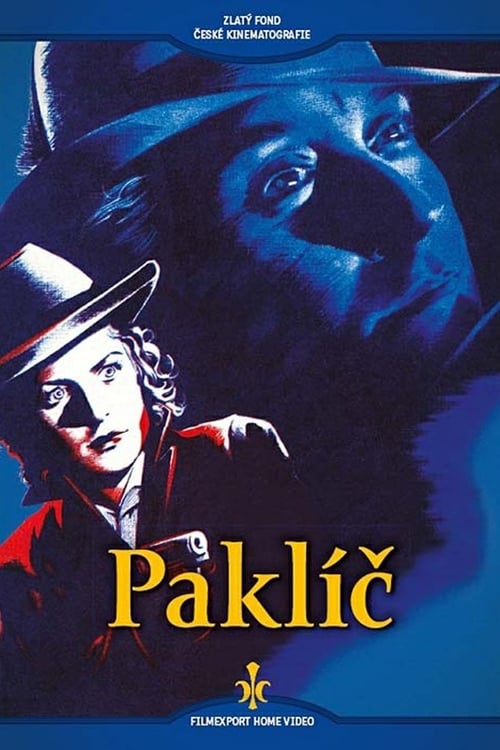
No description available.
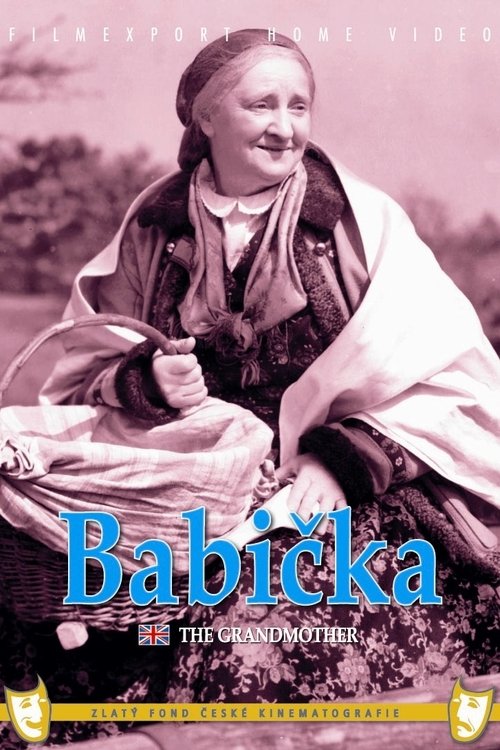
A highly romanticized autobiographical novel by a Czech 19th century writer, Bozena Nemcova. It's a classical, compulsory reading in Czech schools, about a wise, working-class woman, happier in her simplicity and good heart than the nobles whom she serves.
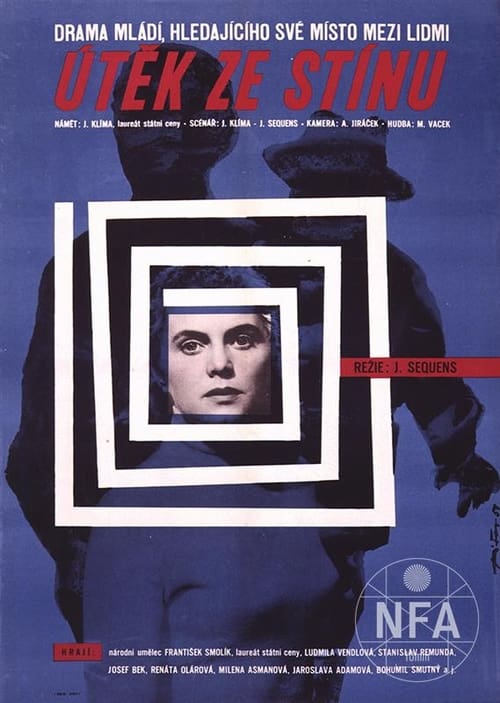
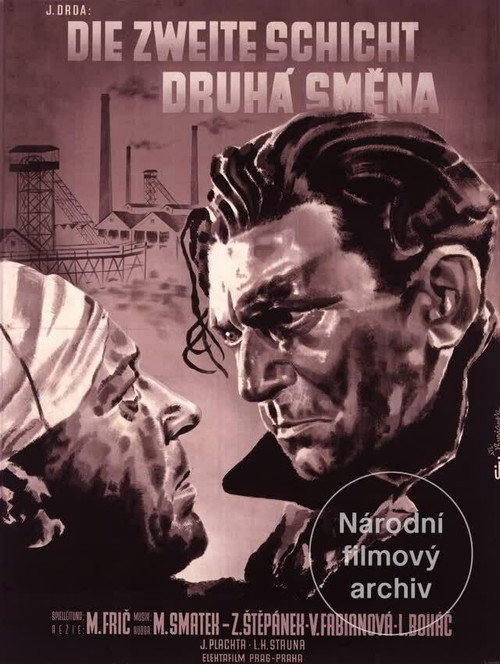
This exemplary "psychological drama" depicts the difficulties with which a new socialist mindset is born. Director Jiří Sequens warns against ill-advised marriages into the families of the defeated bourgeoisie, because the former royalty refuses to accept a man from a different social class. The heroes of this film will find out. The former owner of a pharmacy refuses to accept that his daughter has married a mere technical draughtsman. However, her father's hateful schemes cause the sensitive woman to attempt suicide.
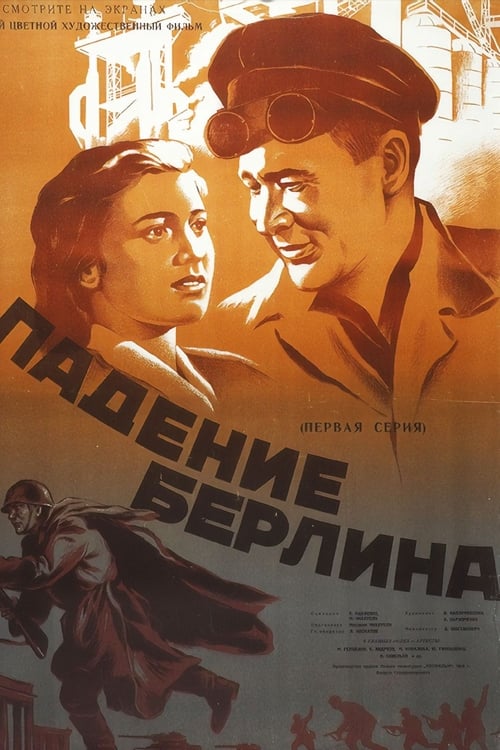
Surrounded by a few party officials, Alexei Ivanov, a stakhanovist smelter, is decorated by Stalin. The "Little Father of the Peoples" takes this opportunity to invoke threats of war.... One day, war indeed breaks out. Bombs fall on the field where Alexei finds himself in the company of the schoolmistress Natacha, his fiancée. Alexei joins the Red Army and soon becomes a sergeant. Fighting rages and German troops advance. Natacha is arrested and deported. But the tide turns decisively with the German defeat at Stalingrad. Now the major offensive against Hitler can begin.
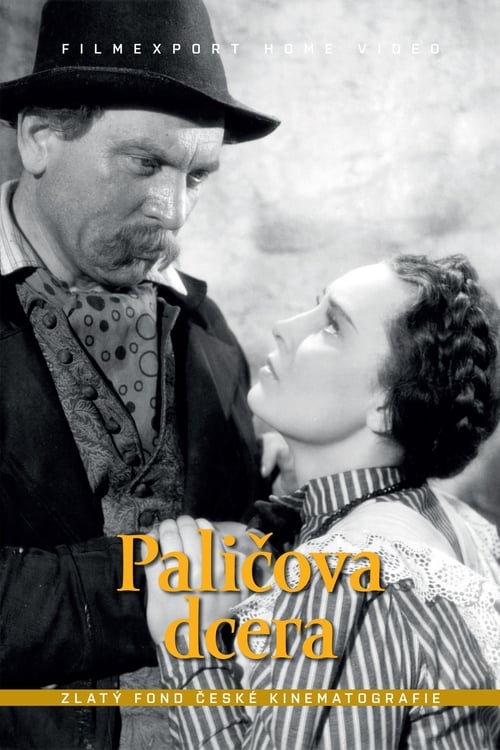
The fiddler Valenta has troubled his wife with his drinking and disorderly life. His daughter Rozárka and her younger sisters go to their aunt's in Prague, and their father sets fire to the abandoned house. Rozárka is suspected...
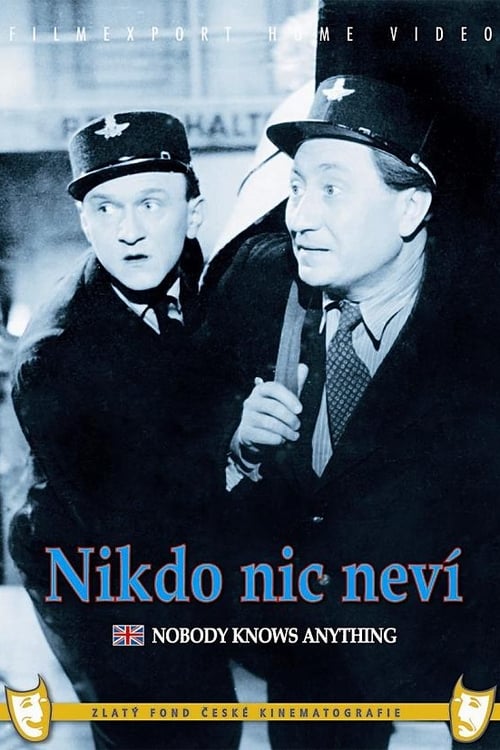
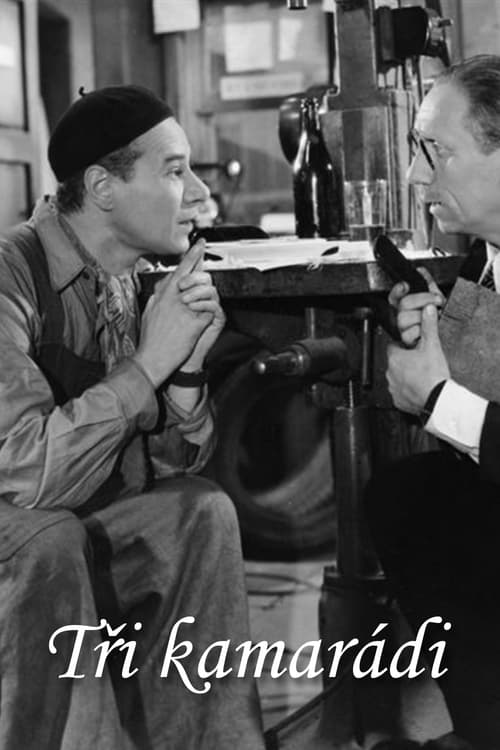
Martin Plechatý and Petr Nový roam occupied Prague with their trams. Times are hard and sometimes survival is not easy - especially when, in an attempt to help a threatened (and charming) neighbor, you get involved with an SS man, hit him on the head and kill him. At least that's how the two friends explained the situation to each other when their opponent collapsed to the ground. What to do with the body now? An endless anabasis begins, in which even a baby stroller comes into play...
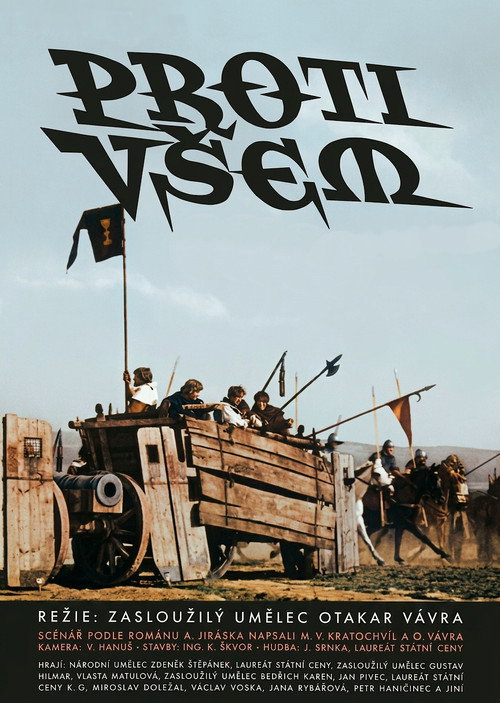
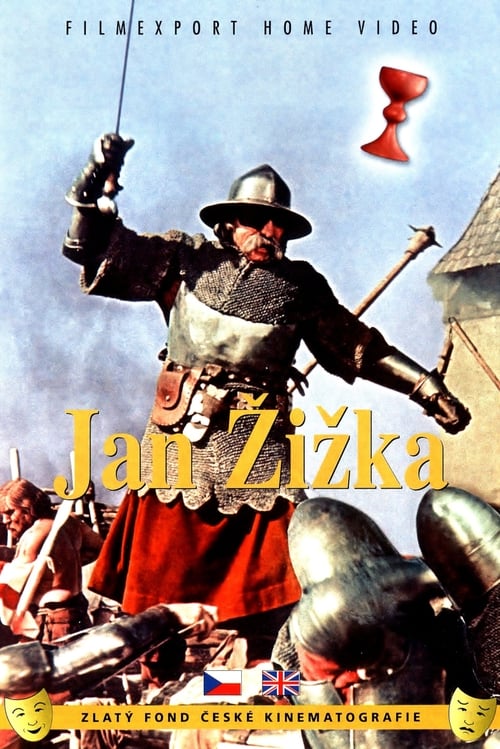
After the battle of Sudoměř the Hussite teaching spreads through the whole country and people start leaving their homes to help build the fortification of Tábor. Prague citizens request help against the army of Zikmund. The Hussite army with Jan Žižka in the lead make their way towards Prague. They fortify themselves on the mountain Vítkov and engage in a bloody battle with Zikmund’s huge army.
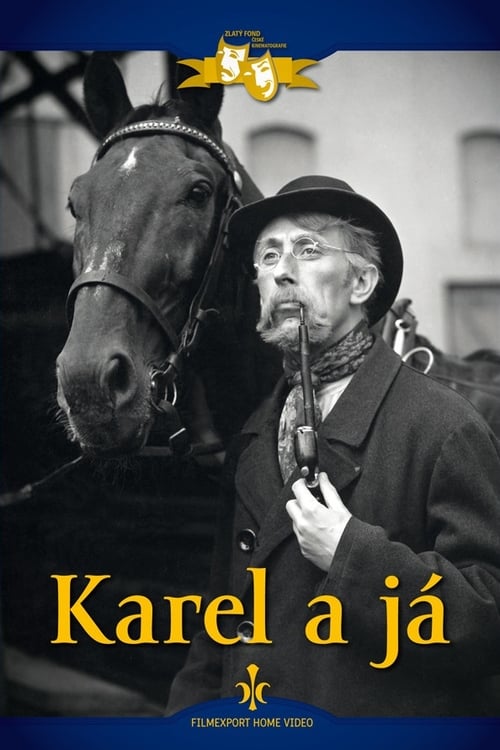
The factory owner's son Oldřich missed his own wedding. He overdid his bachelor party and spent the night before the wedding in Mr. Šourek's carriage, who asked him in vain for his address. In the morning, the cabman went to the police for advice, but the passenger woke up and drove away with his carriage. He headed for his bride, but she was offended and threw him out. Oldřich also became hardened and declared that he would marry the first girl he met. The further development of events was ensured by Šourek's horse Karel, when he headed home, bringing Boženka, his master's daughter, to Oldřich's path. But she was not interested in the spoiled young man either. So Oldřich bet with her father that he would work hard for a month. If he won, he would win Boženka's hand, the cab, and the faithful Karel...
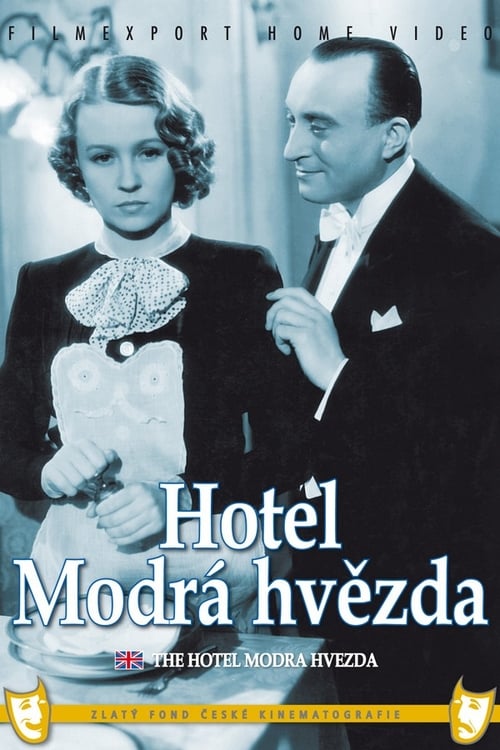
It all begins when Zuzanka, the new young owner, arrives at the dilapidated Blue Star Hotel. Determined to put the declining inheritance back on its feet, she starts chasing three young men, including the composer Jirka, who, dressed in a waiter's tailcoat, is to work off his debt to the new owner. Like his two friends, Jirka succumbs to the charms of his new boss and, with some confidence, hopes that he is the one who has the best chance of becoming her chosen one. At that moment, however, a guest arrives, intent on carrying out the family tradition and throwing an engagement party at the Blue Star Hotel, regardless of his condition. This, however, is not to the liking of his wilful fiancée. Fortunately, there is the sympathetic Zuzanka, who charms the unusual guest so much that he resolutely breaks off his engagement to the rich girl and prefers to marry the cute hotelier.
The second part of the revolutionary Hussite trilogy takes place in the years 1419-1420.
Young men Štěpán, Ludvík and Karel became friends abroad, where they fought during World War II. Now they have returned home and are thinking about their future. Štěpán is a designer, so he starts a car repair shop. There is also work for Ludvík, while Karel gets a job at the Omega car factory. However, the young entrepreneurs are all in debt and their business is not prospering. Štěpán invents a car carburetor, but he has no way to test it. In his greatest need, he receives news that Štěpán will inherit from his uncle from South America...
It's very human and nice story about lofty princess (her father is amiable but incapable - unforgettable performance of S. Neumann) and good, nice, kind and well-principled young king (prince) who tries to make tender her calm heart to get married with her. After being refused (she's very capricious), he conclude to make her better. He start to work as a gardener at her castle (in secret) and successively bring she to her senses...The story continues when already reformed princess and the young king (she learn about his real identity later) have to take refuge from troops, that princess father (old king) has sent (of course he took a bad and mean counsellors advice). They have to take shelter by several ordinary and poor families, which are always very friendly and give them a help... Of course the tale has happy end.
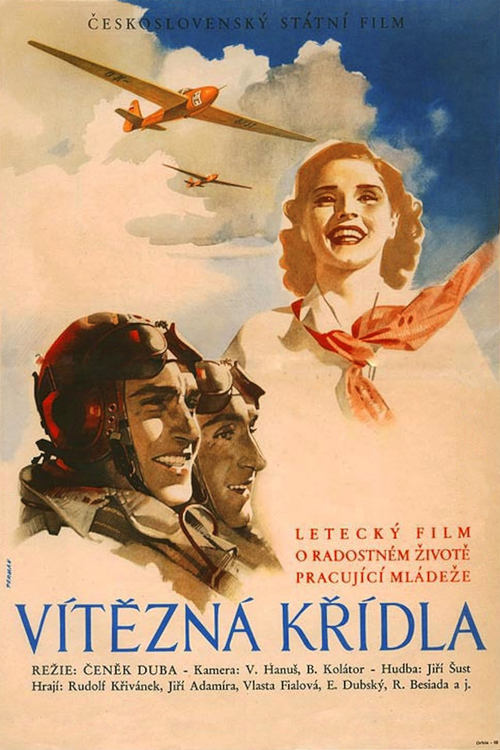
Many of the young workers at an aircraft factory near Prague are members of an aviation club. On the one hand, there is the responsible Franta, who is highly regarded by his colleagues due to his understanding nature. Opposite him is the talented aircraft designer Ruda, who is also an excellent pilot, but also hotheaded, undisciplined and condescending towards his colleagues. He starts flirting with the glass grinder Lída, although he knows that she is Franta's girl friend. A conflict is not long in coming. When Franta's glider crashes due to a suspected mistake by Ruda, Ruda is banned for a certain period of time. This is fatal, because both young men were actually supposed to represent Czechoslovakia at the upcoming international gliding championships in Poland.