Editing
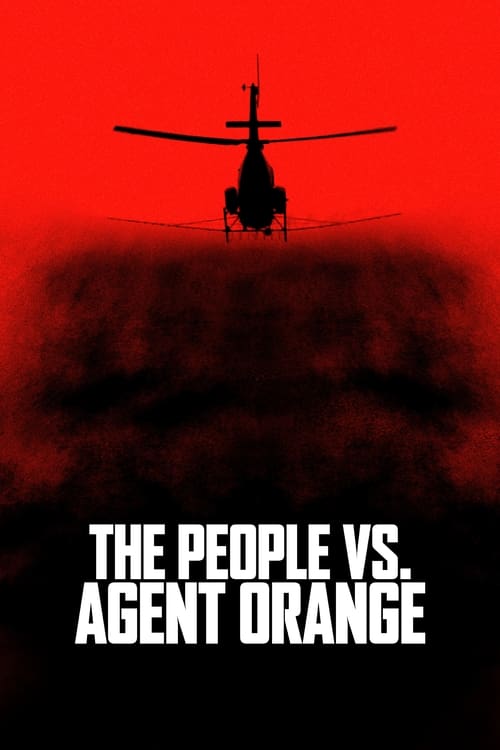
Two women fight to hold the manufacturers accountable for the Agent Orange catastrophe. Incriminating documents disappear. Activists are threatened. A helicopter technician secretly films the contamination exposing a massive cover-up.
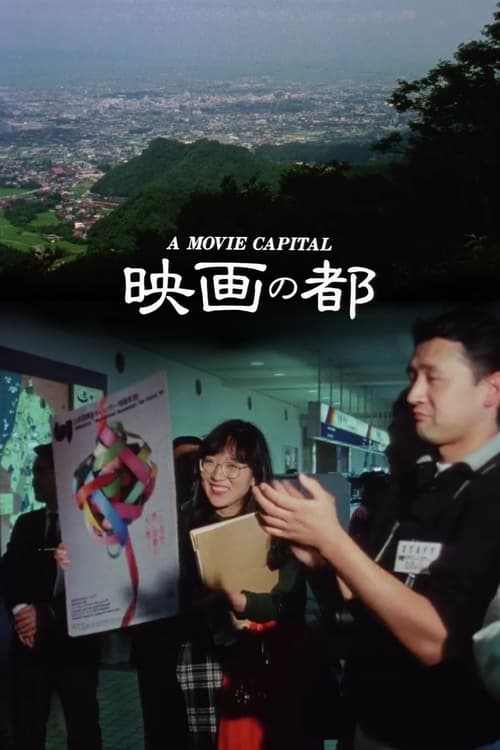
This film is a record of the first Yamagata International Documentary Film Festival. It reflects the various ways the festival was given shape by nascent global changes embodied by Perestroika, the Tiananmen Square massacre, and many other contemporaneous events.
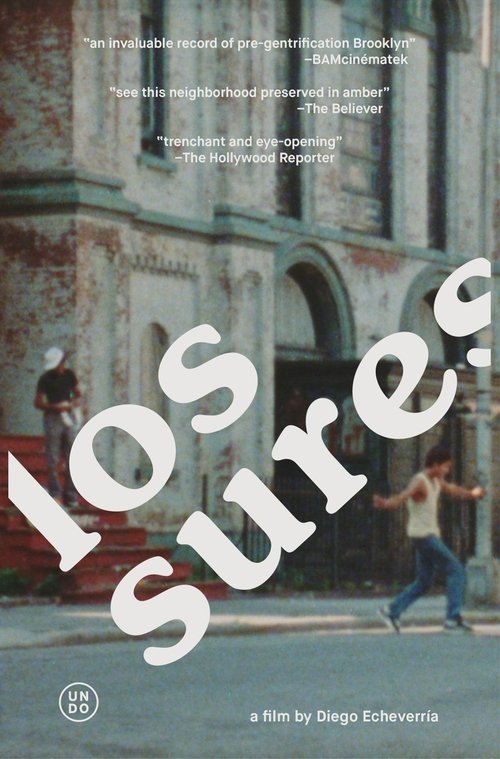
A documentary on the inhabitants of South Williamsburg, New York, whose lives are explored through the testimony of five inhabitants of the Brooklyn neighborhood. In the late 70s and early 80s, Los Sures was one of the poorest neighborhoods in New York City. In fact, it had been called the worst ghetto in America. Diego Echeverria's film skillfully represents the challenges of its time: drugs, gang violence, crime, abandoned real estate, racial tension, single-parent homes, and inadequate local resources. The complex portrait also celebrates the vitality of this largely Puerto Rican and Dominican community, showing the strength of their culture, their creativity, and their determination to overcome a desperate situation.
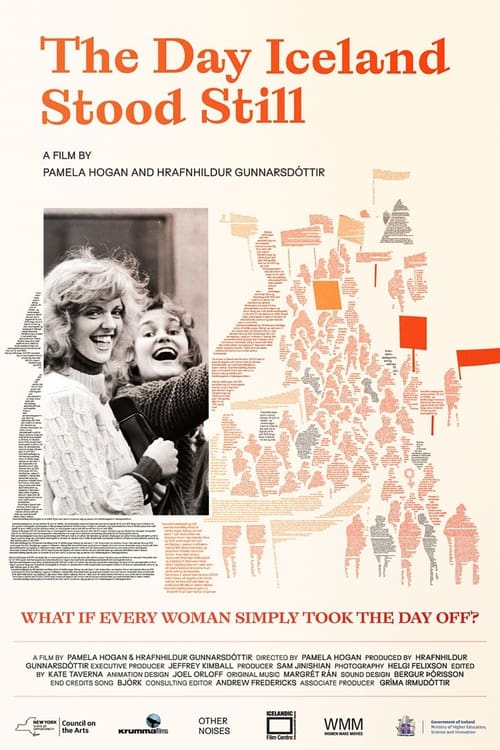
When 90% of Iceland’s women walked off the job and out of their homes one morning in 1975, they brought their country to its knees and catapulted Iceland to the forefront of today's global fight for gender equality. Unexpectedly funny, laced with evocative animation and powerfully told by the women who lived it – this is the true story of 12 hours that launched a revolution.
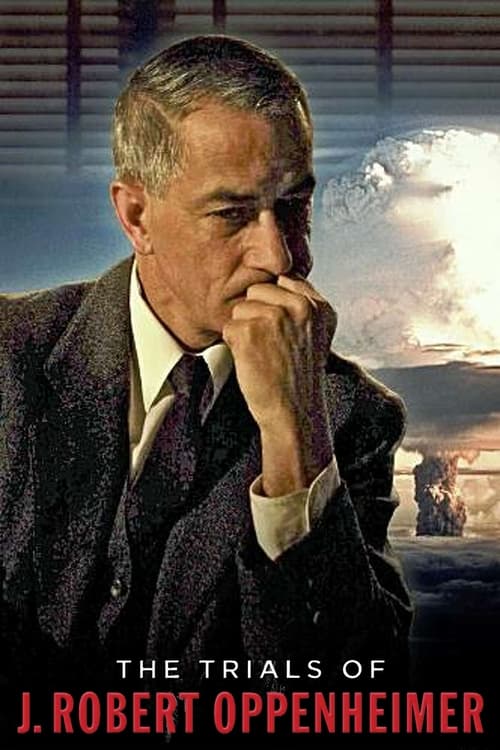
J. Robert Oppenheimer was a national hero, the brilliant scientist who during WWII led the scientific team that created the atomic bomb. But after the bomb brought the war to an end, in spite of his renown and his enormous achievement, America turned on him - humiliated and cast him aside. The question the film asks is, "Why?"
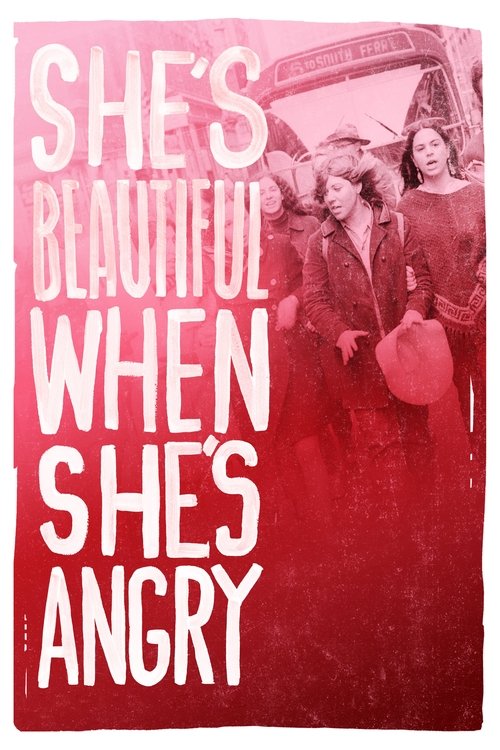
A documentary that resurrects the buried history of the outrageous, often brilliant women who founded the modern women's movement from 1966 to 1971.
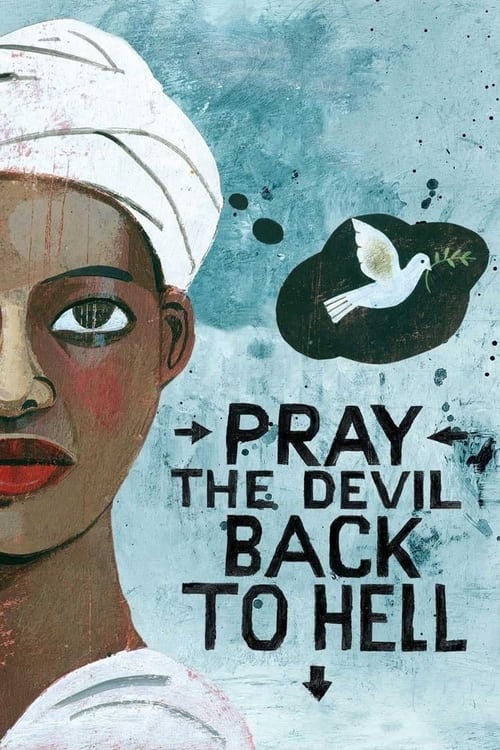
Pray the Devil Back to Hell chronicles the remarkable story of the Liberian women who came together to end a bloody civil war and bring peace to their shattered country.
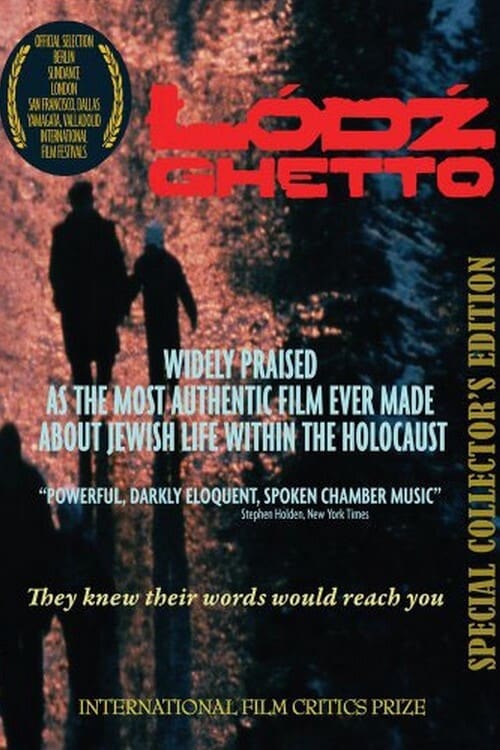
The Polish city of Łódź was under Nazi occupation for nearly the entirety of WWII. The segregation of the Jewish population into the ghetto, and the subsequent horrors are vividly chronicled via newsreels and photographs. The narration is taken almost entirely from journals and diaries of those who lived–and died–through the course of the occupation, with the number of different narrators diminishing as the film progresses, symbolic of the death of each narrator.
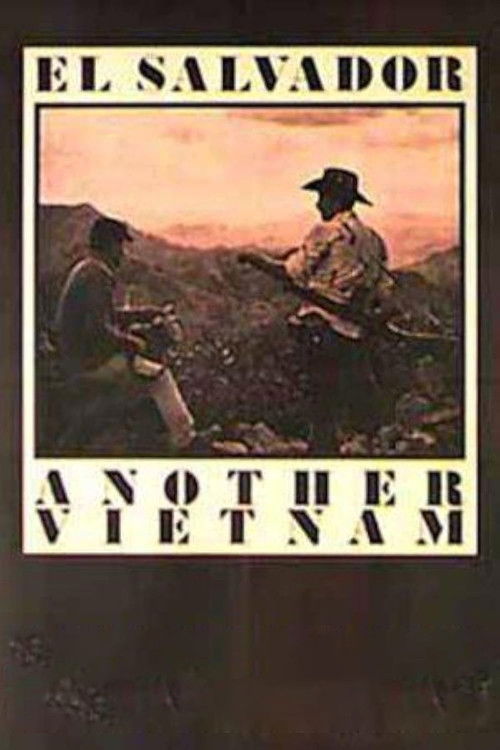
This political documentary illustrates the turbulent history of El Salvador from the 1920s-1970s, and the role of the U.S. government in that history. The most comprehensive film introduction to that country, examines the civil war there in light of the Reagan administration's decision to "draw the line" against "communist interference" in Central America. Archival material offers an overview of U.S. military and economic policy in Central America since 1948, while footage drawn from sources in the U.S., Mexico, and Europe provides extensive background to the current political and military situation.
A history of America’s Cold War, beginning in 1945, and evoking the cultural milieu in which the significant political events of that era emerged.
First to Fall follows two young civilian expatriate 'rebels' on their 8-month journey to liberate Libya, their home country. Carrying cameras along with guns into battle, they took lenses where no documentary has gone before, capturing the madness of the Libyan front lines firsthand. Director Rachel Beth Anderson's distinct female perspective reveals their dramatic transformation as these young men give up comfortable, stable lives in Canada to take up arms against a corrupt regime and risk their lives in a brutal, chaotic war. Anderson's incredible access provides audiences a personal connection to this honest, witty, at times shocking, modern coming of age tale.
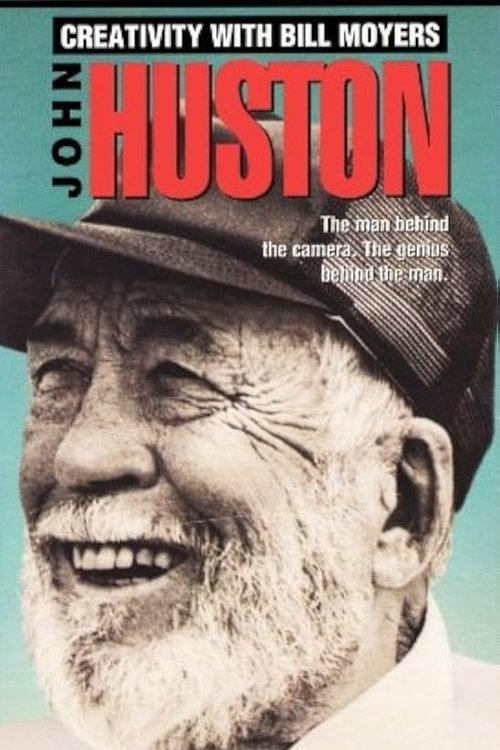
Bill Moyers interviews film director and actor John Huston who discusses his career and the process of filmmaking. Includes a documentary segment on Huston's life, excerpts from some of his films, and an the on-set production of his latest film. (Note: Originally produced as an episode of the PBS series "Creativity with Bill Moyers" (1982), this program has circulated independently and has been distributed and exhibited separately, supporting its treatment as a standalone documentary listing.)
From inside Bolivia's craziest prison a cocaine worker, a drug mule and his little sister reveal the countries relationship with cocaine.
How the novel that is widely considered the greatest work of modern fiction was created and the toll it took on James Joyce's family.
A report on the political, social, and economic problems of Puerto Rico in the early 1980s and on the impact of the island's eighty-four-year-old link to the United States. Features interviews with leaders of the Puerto Rican Socialist and Independence parties, Governor Romero Barcelo, U.S. Congressman Ronald Dellums, and the Puerto Rican people themselves.
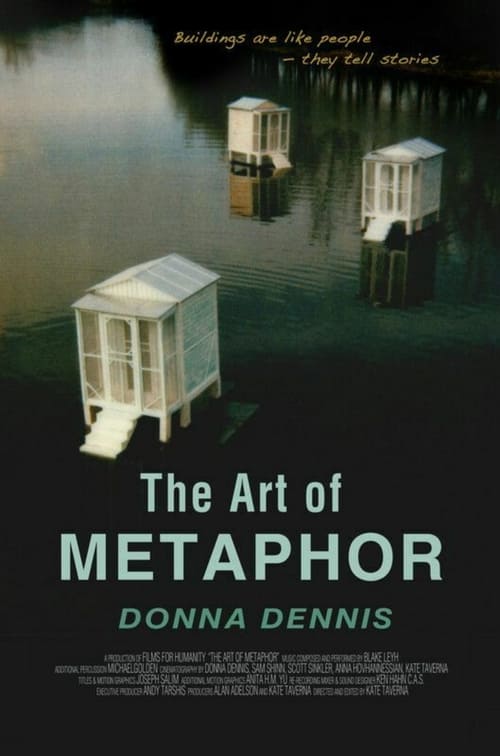
For more than 50 years, renowned installation artist Donna Dennis builds under-scaled houses to metaphorically honor lost friends. Rich with quotations from hundreds of journals going back to the early 1970s, the film reveals the voice of a poet, searching for meaning and metaphor, questioning what happens to a person when they die and documenting the journey the work takes her on.