FEEL IT.STREAM
?

John Taylor

Directing

Biography

John Elston Taylor (5 October 1914 – 15 September 1992) was a British documentary filmmaker. Born in Kentish Town, London, on 5 October 1914, John Taylor had originally set his sights on a career in carpentry; however, shortly after finishing school he was offered a job by his sister's husband, documentary filmmaker John Grierson. Taylor started work as a film assistant at the Empire Marketing Board and in the years that followed he tried his hand at such jobs as camera operator, assistant director and production assistant. Along with working on Grierson's works, Taylor also had the fortune of working alongside some of his colleagues, such as Basil Wright (Song of Ceylon, 1934), Robert Flaherty (Man of Aran, 1934) and Alberto Cavalcanti on several of his travel documentaries, such as Men of the Alps (1937). By the end of the 1930s, Taylor was directing films himself, including Smoke Menace (1937) and Londoners (1939). In the 1940s, Taylor began producing films which helped to expose and improve social issues: Margaret Thomson's Clean Milk (1943) helped improve the Scottish dairy industry; Alex Strasser's Your Children's Eyes (1945) showed how a child's squint could easily be corrected with a minor operation; Daybreak in Udi (d. Terry Bishop, 1949) followed the construction of a maternity hospital in a village in Eastern Nigeria. In 1952, Taylor and Leon Clore set up Countryman Films, a company which made natural history documentaries. Their greatest achievement was probably The Conquest of Everest (d. Thomas Stobbart, 1953), a record of the successful British Everest expedition of 1953 accomplished by John Hunt, Sir Edmund Hillary and Tenzing Norgay. Taylor was involved in a vast number of documentary films that became classics of the genre. He continued working up to the 1980s, producing quality documentaries on themes of social welfare and conservation.
Known For

The Conquest of Everest
7.2

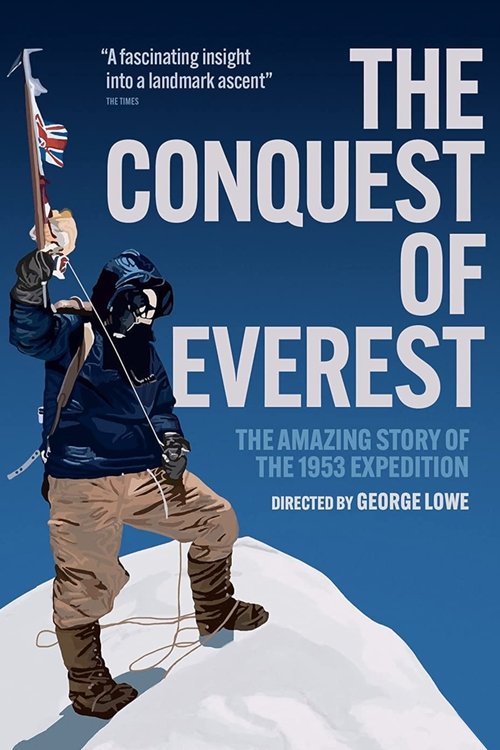
A documentary of the first successful expedition to the summit of Mount Everest. New Zealand's Edmund Hillary and Sherpa Tenzing Norgay climb Mount Everest in 1953.

The Conquest of Everest

1953
No image
N/A

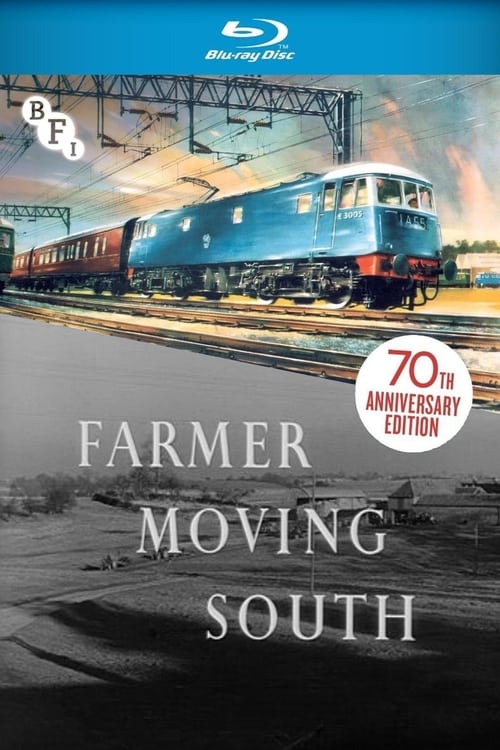
Behind Britain's railway modernisation lies research, design and development. Research ensures in various ways that passengers travel fast, safely and in comfort. Design and development yield new vehicles, equipment and methods; from motor-car conveyors to micro-wave communications. The electrification of the busiest mainline in the world also depends on research, design and development.

Rail Report 5

1965
Lancashire Coast
7.0

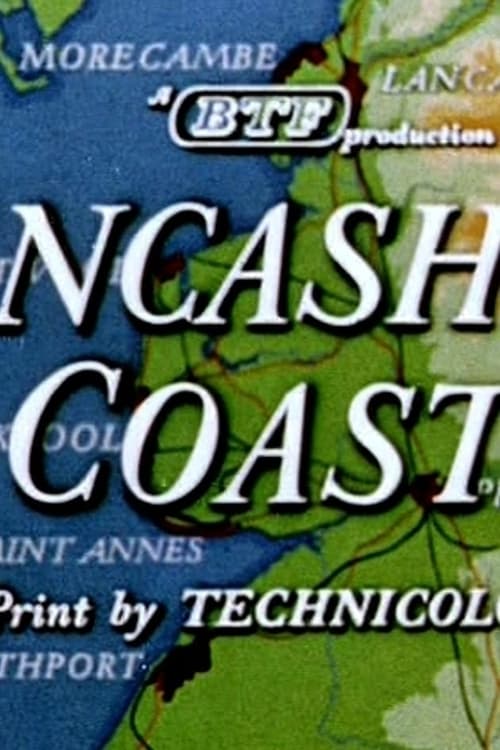
The holiday attractions of the Lancashire coast, including a beauty contest in Morecambe, Southport flower show and Blackpool Fun Fair.

Lancashire Coast

1957
French Town...
N/A

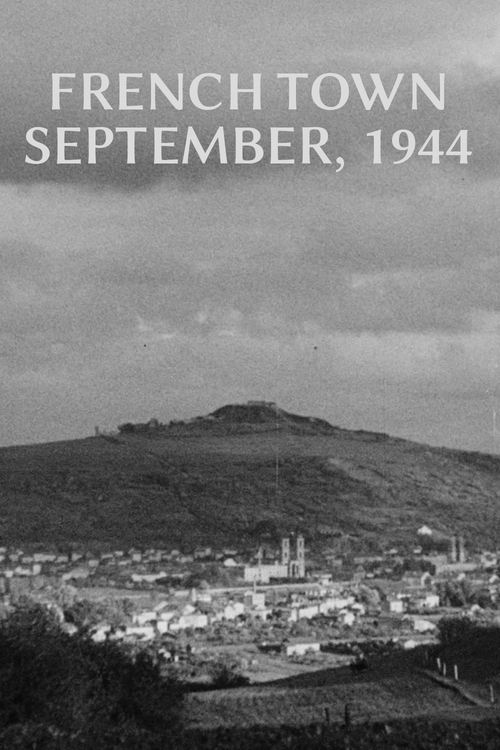
Portrait of a small French town following its liberation during World War II.

French Town...

1945
No image
8.0

This expository film shows the mood of European society on the eve of the Second World War while promoting the values of international cooperation. Using the Swiss office of the BBC as an example, the film describes the functioning of radio and presents the possibilities opened by mass communications. After the advent of sound film, Cavalcanti promoted experimentation with sound, and in this connection he was interested in the communicational, organizational, and social aspects of radio.

Message from Geneva

1936
No image
N/A

Short GPO documentary, about mail that is sent out of the country to Switzerland.

Who Writes to Switzerland?

1937
No image
5.8

The film, made to advertise domestic telephone sets, is based around two very different families. The Petts are conventional, happy and have children; the Potts are unconventional and unhappy, without children.

Pett and Pott: A Fairy Story of the Suburbs

1934
Drifters
5.9

A silent film by John Grierson. It tells the story of Britain's North Sea herring fishery.

Drifters

1929
Newspaper Train
5.0

The story of how newspapers were distributed during the Blitz, stressing the importance of an accurate and objective press on the home front.

Newspaper Train

1942
Dustbin Parade
8.0

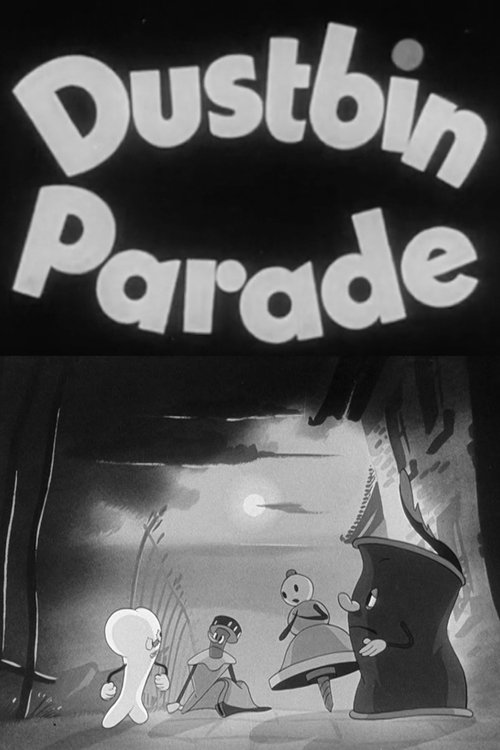
The film is designed to encourage recycling - which was a key part of the war effort.

Dustbin Parade

1942
No image
N/A

Neptune, an automatic and electronically equipped track fault recorder; Tinsley marshalling yard; freight trains - cement, limestone, cars; Reading station and signal box; the laying of long welded rails; Toton diesel maintainance depot; new electrification multiple unit rolling stock for service from Euston, locomotive cab training simulator, Willesden control room; Cross-Channel - launching the SS Dover... are topics featured in this film.

Rail Report 6: The Good Way to Travel

1966
No image
10.0

Part of the Canada Carries On series, this short film portrays the First Division of the Canadian Active Service Force in Aldershot, England. Using an intimate letter home as a narrative device, this film reveals how the troops were received, what their living conditions were like, how they would get along with their English allies and how they spent their leisure time.

Letter from Aldershot

1940
The Song of Ceylon
6.3

Ambitious documentary chronicling the cultural life and religious customs of the Sinhalese and the effects of advanced industrialism on such customs.

The Song of Ceylon

1934
Wild Wings
6.3

Exploration of the Slimbridge Wild Fowl Trust in Gloucestershire, England, which boasts the largest collection of living wild fowl in the world.

Wild Wings

1966
Housing Problems
6.1

The problem of slum dwellings in the 1930s.

Housing Problems

1935
No image
N/A

Sharjah airport in the 1930's showing the airport, town, Emirate and Imperial Airways staff. An early British documentary produced by many pioneers of the medium.

Air Outpost

1937
Air Post
8.0

Shows the workings of Britain's Air Post service.

Air Post

1934
The England of Elizabeth
7.0

A romantic overview of England in the Elizabethan Age.

The England of Elizabeth

1957
No image
9.0

In the cities of Britain we can travel in time as well as space. This film chooses the England of Hogarth, Gainsborough, Robert Adam and Captain Cook. As the camera moves across outstanding monuments of their work and relics of their achievements from Syon House to Greenwich, members of the Old Vic Company speak appropriate passages from the literature of the mid-eighteenth century. The musical score was specially composed by the late Sir Arnold Bax.

Journey Into History

1952
No image
N/A

The people of the Scottish Highlands live in small communities set in landscapes of unsurpassed beauty.

The Heart Is Highland

1952