Acting
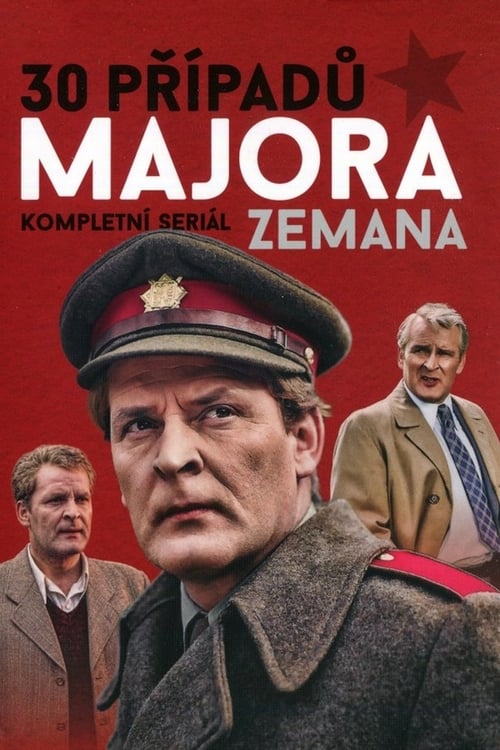
Thirty Cases of Major Zeman is a Czechoslovak action-drama television show intended as a political propaganda to support the official attitude of the communist party. The series were filmed in the 1970s. Each episode encompasses one year, and investigations are stylized to that year. Most are inspired by real cases. The series follows the life of police investigator Jan Zeman during his career from 1945 to 1975.
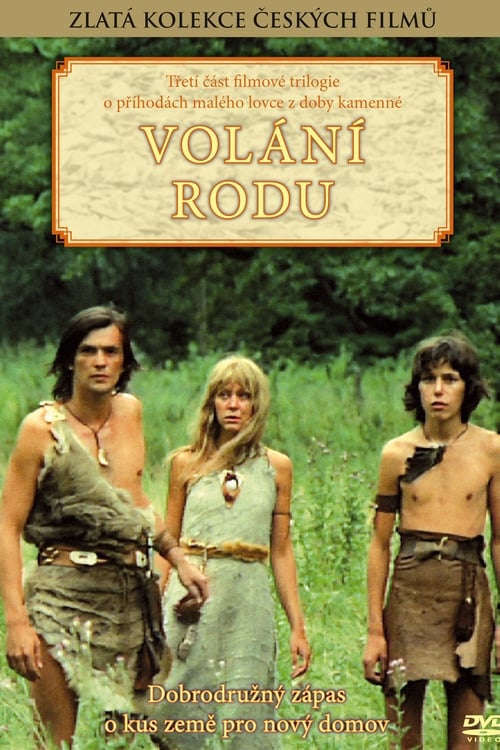
Third movie of the famous Czech adventure trilogy: Osada Havranů Na veliké rece Volání rodu
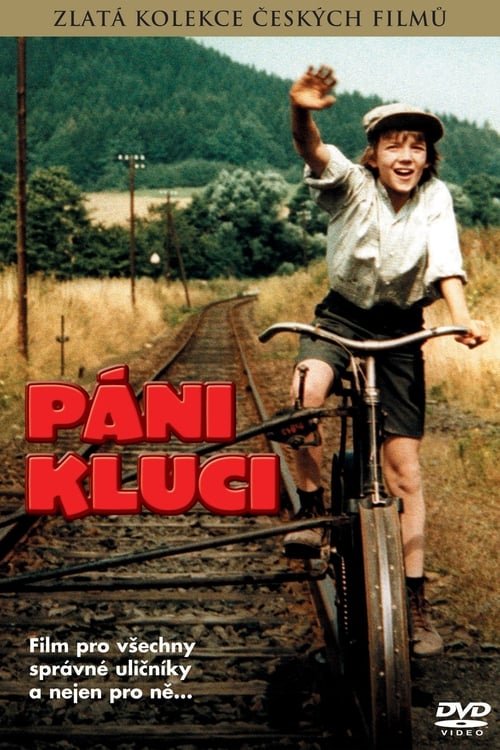
Three friends - Tomás, Hubert and Jozka - are boys growing up in a little town. Tomás lives with his aunt Apolena and uncle Václav. Tomás is a boy with lots of ideas that often end up getting him into trouble not only with his teachers and aunt, but with the other inhabitants of the town as well. He has a crush on his schoolmate Blanka and for her sake he decides to try to get the prize for the best pupil in the school.
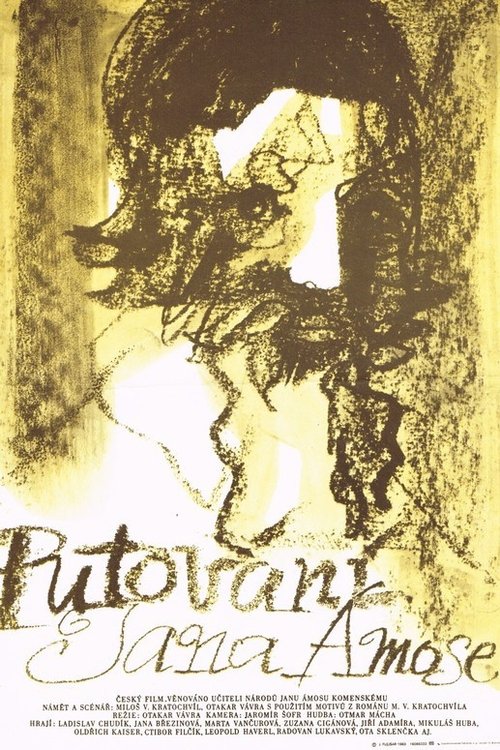
The distressing fate of the Czech great Jan Amos Komenský, forced to leave his homeland after the White Mountain disaster. It depicts his encounters with various European personalities of the 17th century - the Queen of Sweden, artists and scientists. It emphasises the hero's nobility, but also his inner resilience, which allowed him to overcome many personal and professional tragedies. The parable of The Labyrinth of the World and the Paradise of the Heart becomes part of the story. However, Comenius's concept is sculpturally lifeless and, in particular, the religious dimension is "erased" from it. The simplistic biography therefore does not avoid schoolboyish dryness.
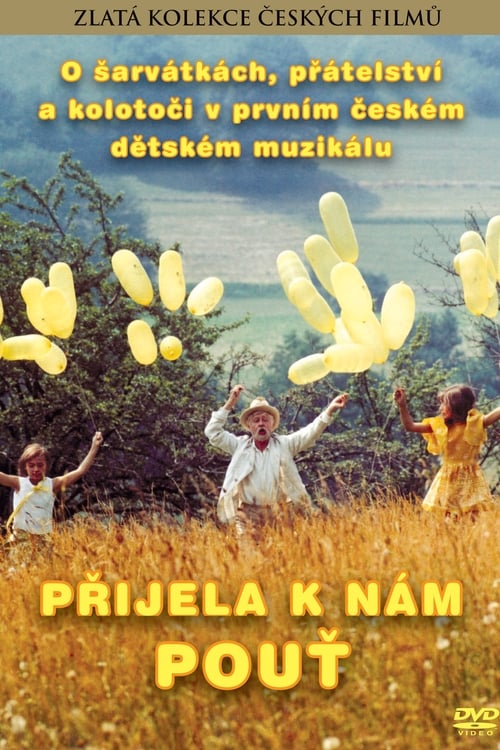
Children from the village Bystrá are awaiting a nice and thrilling weekend. On Saturday they will play the championship football match with the nonresident boys from the village Skuhrov, on Sunday there will be the funfair with merry-go-round, swings and stalls with dainties. The members of the family of the merry-go-round man are brother and sister Janek and Zaneta Mareks whom the children have known since the last year. At that time Zaneta made friends with girls and Janek, an excellent football player, has been a welcome support of the football club.
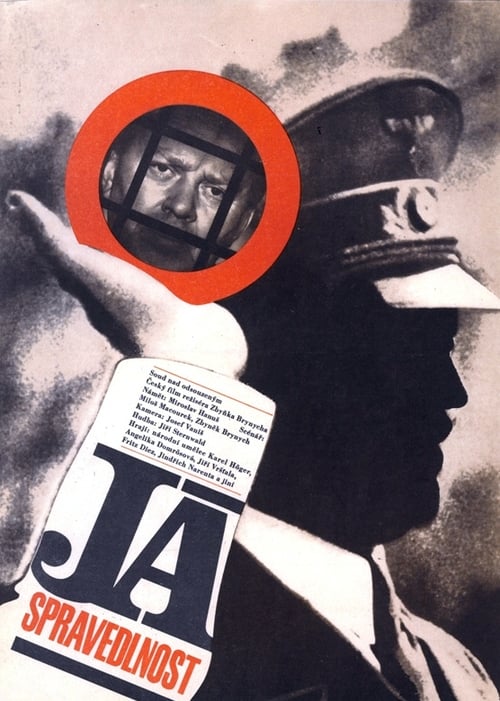
At the year 1946, the time of the Nuremberg Process. One of the main actors of the Second World War, who reportedly committed suicide, Adolf Hitler is, however, missing. The Czech doctor Herman (Karel Höger) is kidnapped from Prague and driven to the sanatorium of Professor Rolf Harting (Jirí Vrstála). The sanatorium is a disguised military stronghold, most probably occupied by a Nazi garrison, with prison cells and an execution chamber in the basement. At night, Herman is taken to a patient in whom he, to his horror, recognizes Hitler (Fritz Diez).
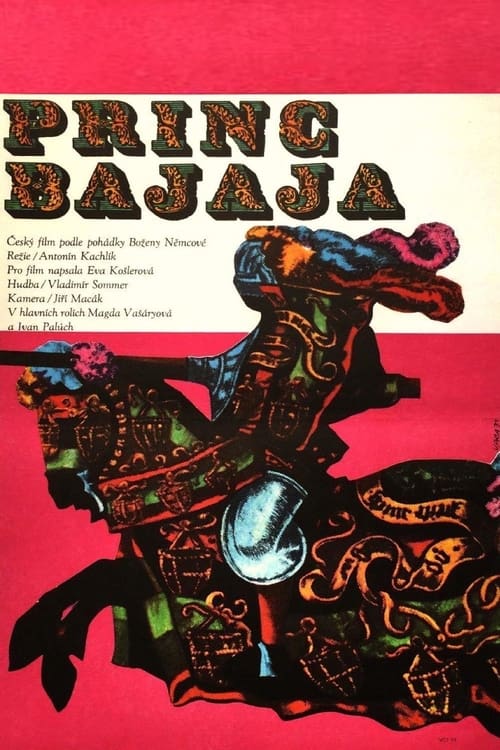
The hero of this popular fairy tale is a young prince who, after the death of his parents, goes out into the world. During his travels he meets a magical talking horse and falls in love with the beautiful princess Slavna. On the advice of his horse, he binds one eye and pretends to be dumb and enters into service as the castle gardener.
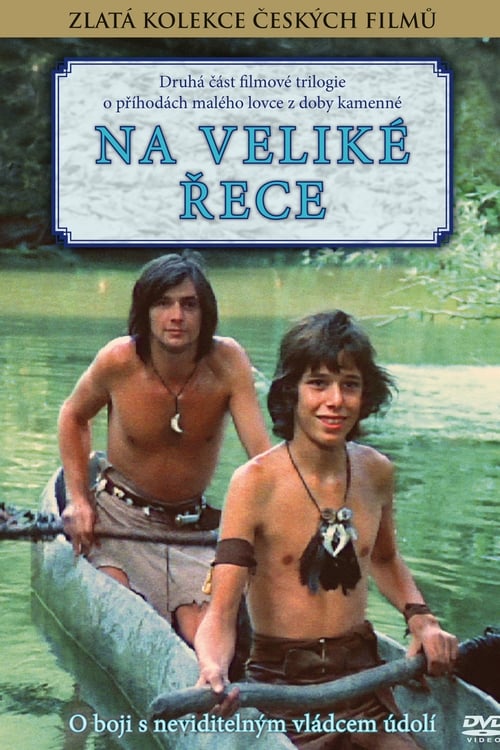
Second movie of the famous Czech adventure trilogy: Osada Havranů Na veliké rece Volání rodu
The film was based on the novel "Milión" by Karel Štorkán. The book and the film depict the events surrounding the great construction disaster in Prague in 1928, in which 46 construction workers died. The disaster thrilled the entire republic at the time, yet was never fully explained. The filmmakers focus on the story of Ing. Vondrák, the designer of the construction.
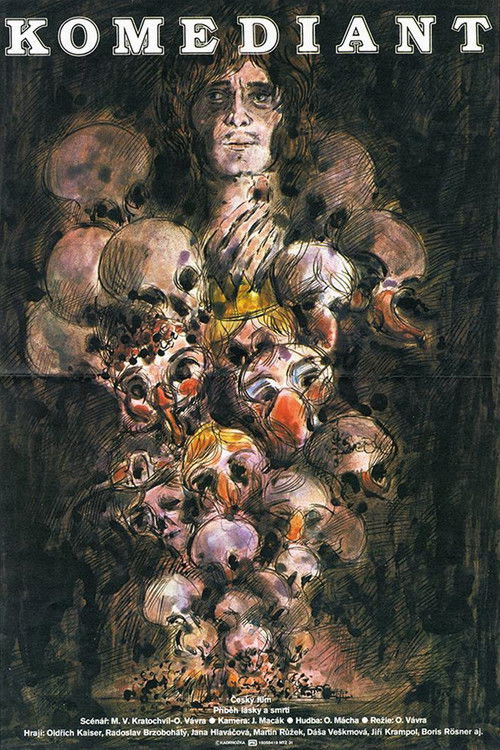
Saxony, devastated by the Thirty Years' War, is led by the comedy troupe of the principal Fortunato. The student Vavrinec has fled Bohemia and greatly values the text of Shakespeare's tragedy Romeo and Juliet, which he has acquired on his wanderings around the world.
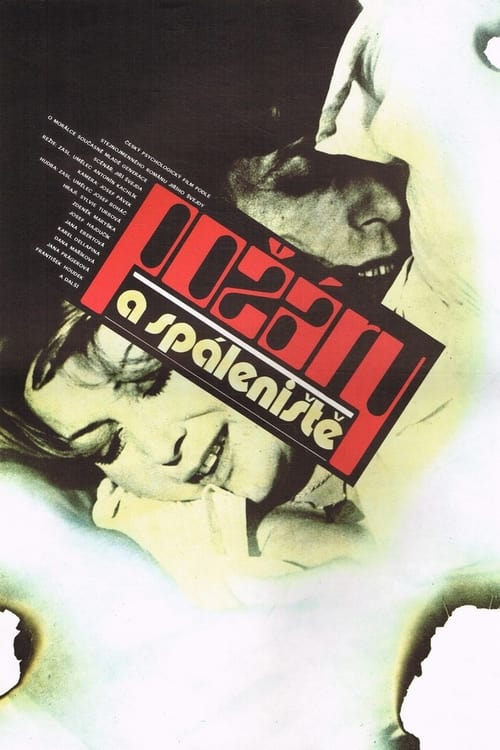
Antonín Kachlík wanted to make committed films about the moral dilemmas of the working class, but in the era of normalisation, he could only proclaim how faltering individuals would eventually come to the desired thinking. This is also true of the adaptation of Jiří Švejda's book about the wavering career of a young brickmaking technologist - the simplistic drawing of characters and plots, the posterishly lifeless language and the textbook discussion of social ills are all objectionable; the ideal becomes the code of the socialist builder.
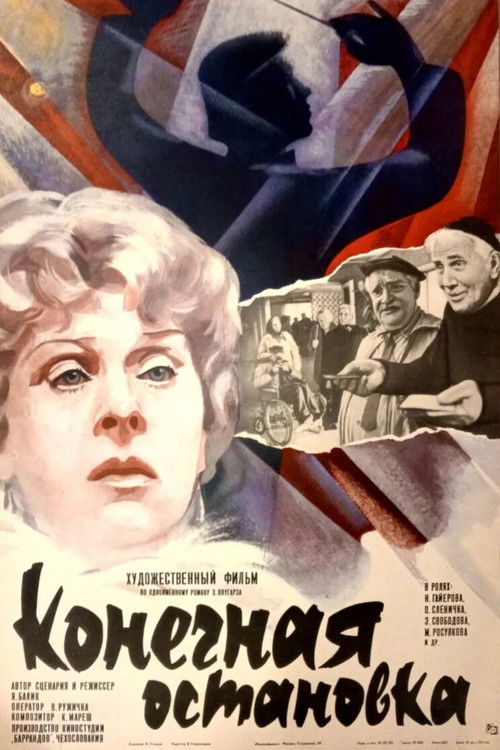
The story takes place in a retirement home and creates a mosaic of the lives of old people who are trying to find a relationship with themselves and with life in these specific conditions. Each of its residents has a distinctive approach to life and its basic values. The most interesting features of the title, which is marked by a visibly cold production approach, are the worthy performances of the actors of the older generation. Some of them appeared in front of the camera after many years and unfortunately for the last time.
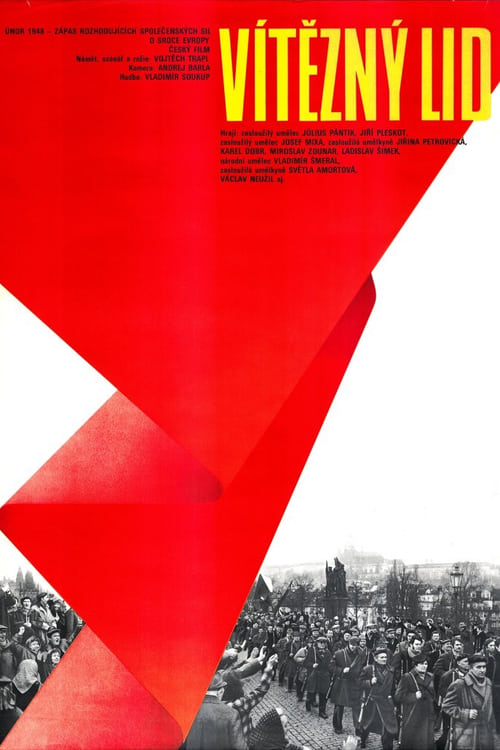
February 1948. The struggle of decisive social forces for the heart of Europe.
A comedy about the love of the Czech nobleman Záviš of Falkenštejn for the Hungarian princess Kunhuta, who later married Přemysl Otakar II and became the Czech queen.
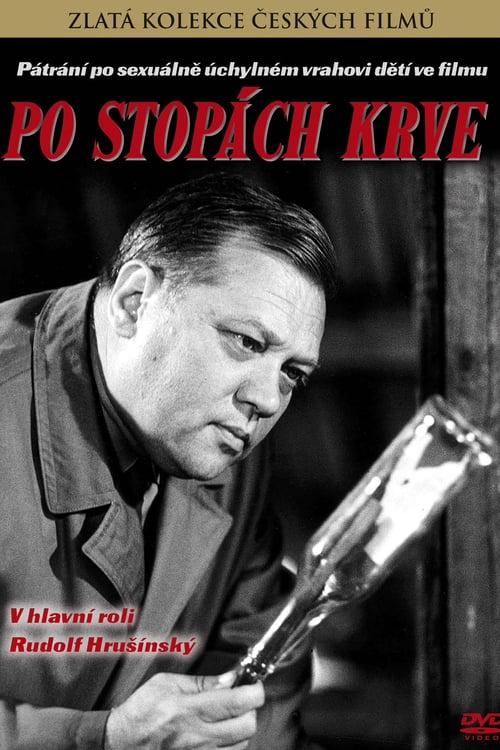
Major Kalas from the Prague criminal intelligence service has been sent to a small town of Dubá in North Bohemia to help with the investigation of the puzzling death of a child. A gypsy boy has been killed three weeks ago and his body found under a rock. As the investigation continues, another dead boy is found. The boy has bled to death after someone cut his artery with a handsaw. Both deaths are obviously the work of a murderer - a perverted pedophile, sadist who gets sexual satisfaction from the sight of a young boy's blood.
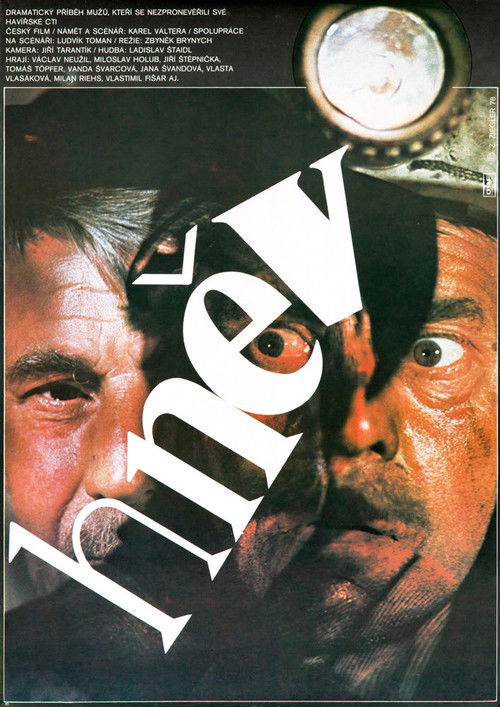
Sunday in September 1977, a celebration of the Miners Day. The old Hepnar is sitting at the cemetery and is recalling events from ten years ago. That time the representative of the ministry Barvír announced at the miners meeting that mining in the mines would decrease. He reasoned this decision by the fact the deposits of coal are almost used up. The boss of the mine and most of the miners protested. Barvír did not take their critical objections into account. He announced at the communist district meeting the closure of the business as the mine according to new economic principles did not prosper.
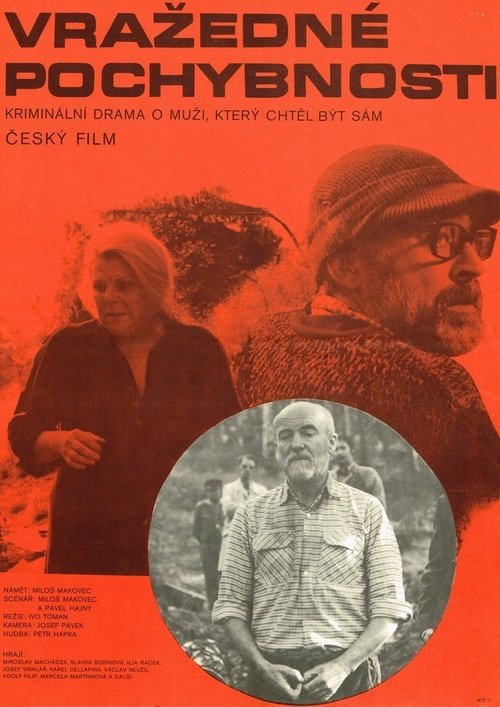
An escaped inmate of a mental home, Franz Moose, has been found shot dead in the forest. In the course of their investigation, District Commander Havel (Jirí Adamíra) and Lieutenant Mares (Miroslav Zounar) slowly work their way through the complicated case. Havel learns from the employees' testimonies that Moose was facing trial for war crimes before he was finally sent to the hospital. There he shared his room with Kozdera, spent his time painting, and made several attempts to escape. Havel wants to interrogate Kozdera but the unfortunate patient gets killed before he can do so.
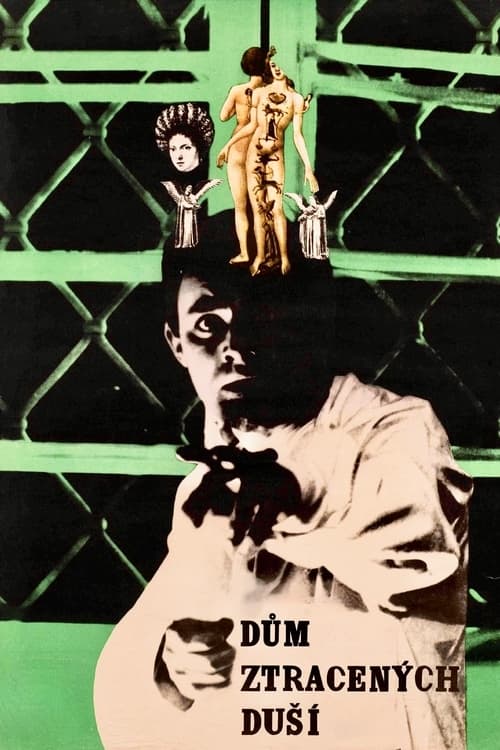
A mentally ill man is running away from the people who care for him in search of freedom. He accidentally stumbles into a hotel where a ten-year-old girl has been found murdered. Is he really the perpetrator of the horrific crime?
During World War II, dogs were trained in special centres for guard duty in concentration camps. However, one of the prisoners domesticates a female German Shepherd, which saves his life during his escape.
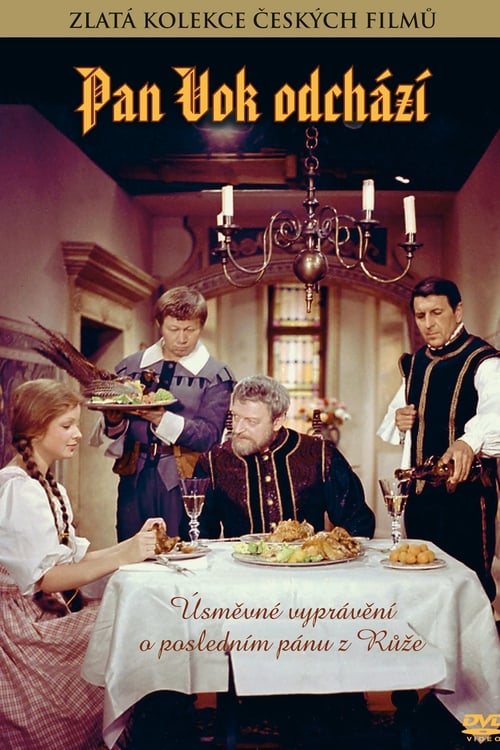
The former reputed lover and bon vivant Petr Vok from Rožmberk was widowed at the age of sixty-three. The loss of his much younger wife is hard to bear and it seems that nothing in his life will please him anymore. His loyal friends and servants do everything possible and impossible to cheer him up, but sometimes interesting situations arise, such as when they get him a guaranteed real mermaid. Will anyone be able to cure the master of his lethargy?