Yvetta Kornová
Acting
Known For
No description available.
Bakaláři

No description available.
Stopy života
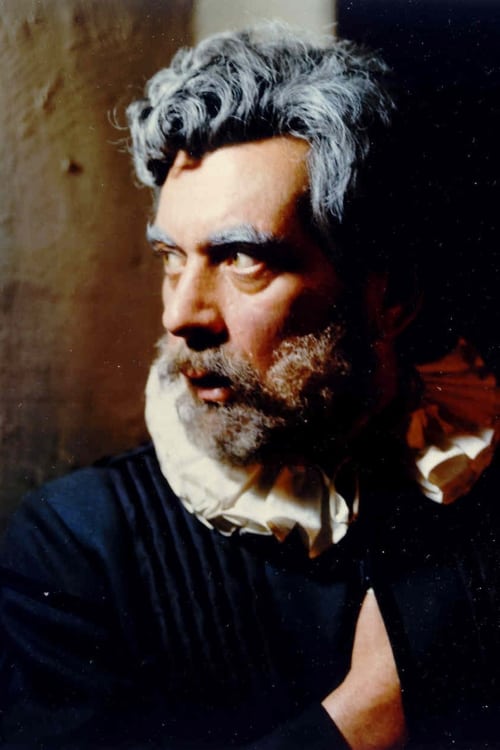
Series about the life of Renaissance anatomist, scholar and politic Johannes Jessenius. Already legendary series today, was produced by Czechoslovak Television Bratislava, directed by Slovak director Miroslav Luther in the first half of 80's in Barrandov Studios in Prague. The story and screenplay of the series wrote Czech writer Vladimír Körner. Five-episodes epic historical narration is a biographical story of distinguished Renaissance scholar, anatomist and politic of Slovak origin, Johannes Jessenius (Ján Jesenský, 1566–1621). It displays his life from the first studies and successes. In 1594 he became professor of surgery and anatomy on Wittenberg University, which he had attended years before. From that moment, his life went through social and personal wins and losses, to the sad end on the Prague Old Town Square gallows, among 27 noblemen, knights and burgenses, after lose Bohemian Revolt in 1621. His destiny was coupled with key events of Czech history in the break of 16th and 17th century, when Renaissance and European humanism slowly fade out.
The Physician of a Dying Time
No description available.
Škoda lásky
No description available.
Velitel
No description available.
Černá země
No description available.
Slavné historky zbojnické
Stories from a daily life of children attending a regular school.
We All Are Required to Attend School
No description available.
My z konce světa
No description available.
Nebezpečí smyku
No description available.
Advokát ex offo
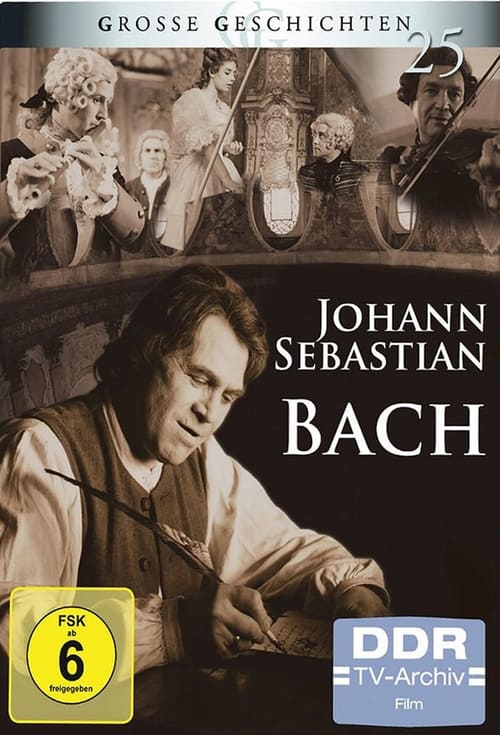
Episodes from the life of the great musician, whose 300th birthday is being celebrated worldwide this year. The series begins with a story from 1717, which has been passed down in quite varied versions. At the court of Augustus the Strong in Dresden, the French organ virtuoso Louis Marchand was said to have passed away. Convinced of his “unique” abilities, he—according to the film—announced a music competition. Bach was the only competitor to enter.
Johann Sebastian Bach
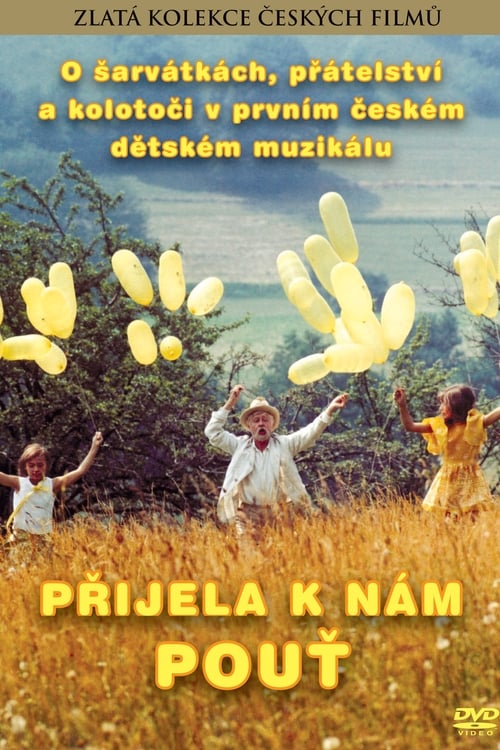
Children from the village Bystrá are awaiting a nice and thrilling weekend. On Saturday they will play the championship football match with the nonresident boys from the village Skuhrov, on Sunday there will be the funfair with merry-go-round, swings and stalls with dainties. The members of the family of the merry-go-round man are brother and sister Janek and Zaneta Mareks whom the children have known since the last year. At that time Zaneta made friends with girls and Janek, an excellent football player, has been a welcome support of the football club.
The Fair Is Here
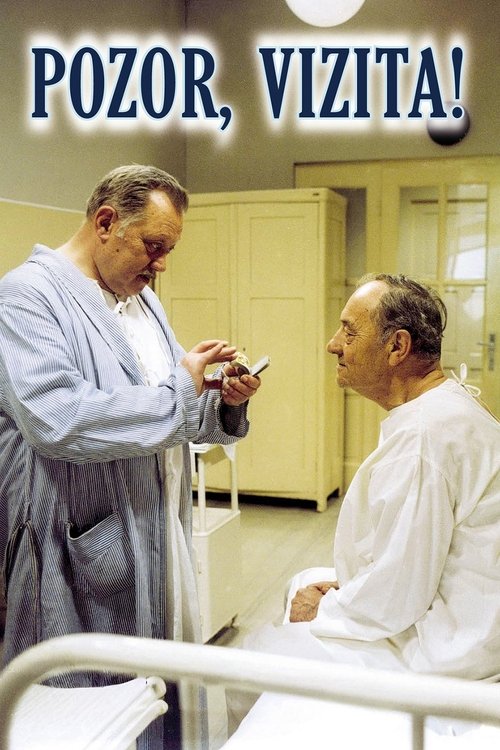
A story about an everyday life of an inflectional department of Prague hospital.
Attention, Rounds!
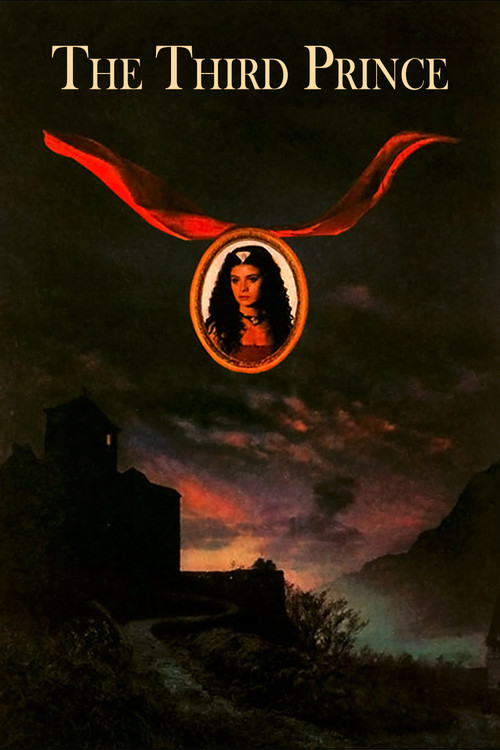
Brave sons of the king, twin brothers Jaroslav and Jaromír love and help each other. It was they and another brother - Jindrich, who once saw the portrait of Princess of Diamond Mountains, fell in love and went on her quest.
The Third Prince
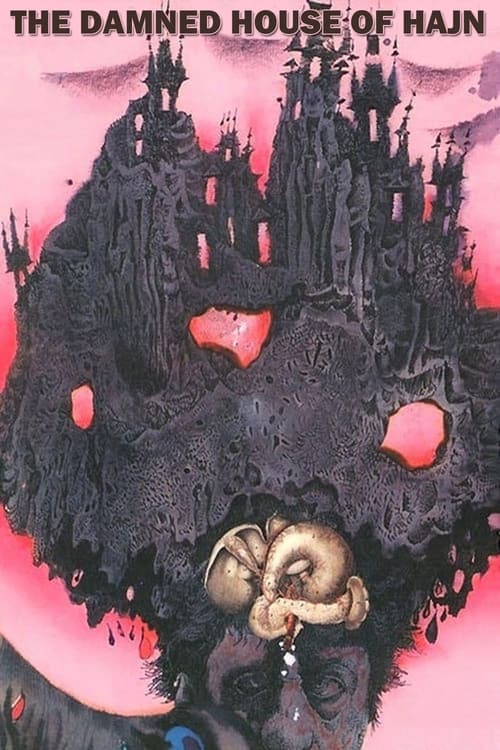
Sonya is the heiress to the riches of a Czech noble family—the Hajns. Petr, a social climber marries her, ignoring some shady goings-on—in particular, an insane uncle who prowls the mansion believing himself invisible, a peccadillo the family indulges. The uncle’s stalking every corner of the house, popping out of cupboards and out from behind curtains slowly takes its toll on the young bride.
The Damned House of Hajn
At the beginning was the Slovak television series Lekár umierajúceho czasu (Doctor of Dying Time), dedicated to the Rudolphine-era scientist Jan Jesenius. He ended up on the scaffold along with other gentlemen after losing the anti-Habsburg uprising. When director Miloslav Luther conceived the idea of making an abridged version of the footage for cinema, he had to not only rebuild the storyline but also dub it into Czech. However, the result was only an illustrative puzzle, describing the various stages of the hero's turbulent life.
Svědek umírajícího času
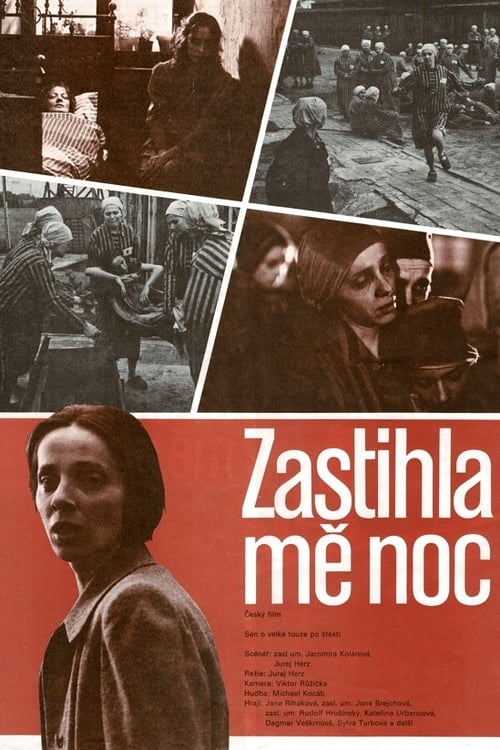
A communist journalist from Prague is sent to Ravensbruck concentration camp.
Caught by Night
No description available.
Jak se zranit ve službě
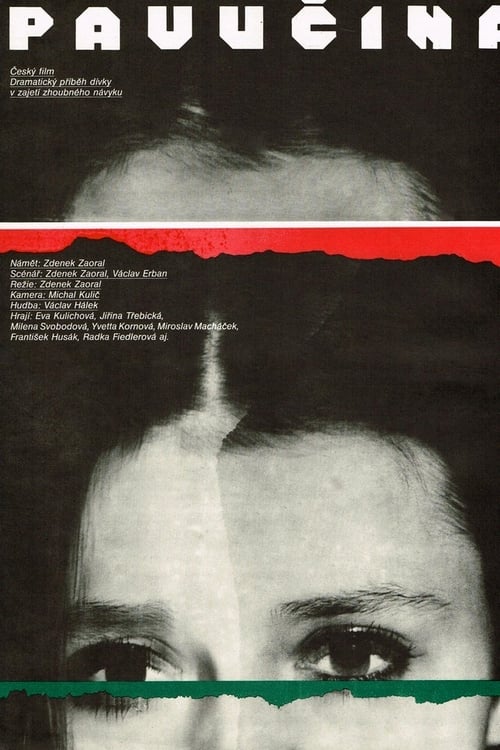
Zdeněk Zaoral began filming this film in semi-amateur conditions, but it was eventually completed in a Zlín studio and released in cinemas. At its time, in the second half of the 1980s, it was the first completely open and also unusually raw statement about the course and consequences of drug addiction. The story of an eighteen-year-old girl who tries to escape her habit shows documentary values - both in the staging and in the speech of the individual characters, in the authenticity of the drug-addicted environment.