Acting
No description available.
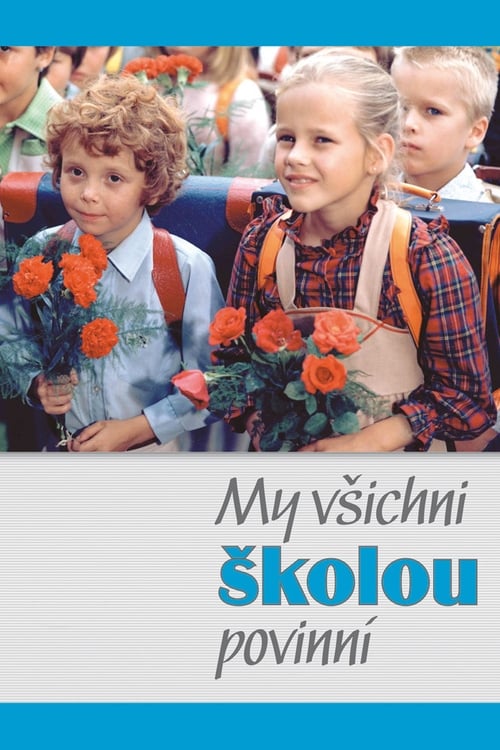
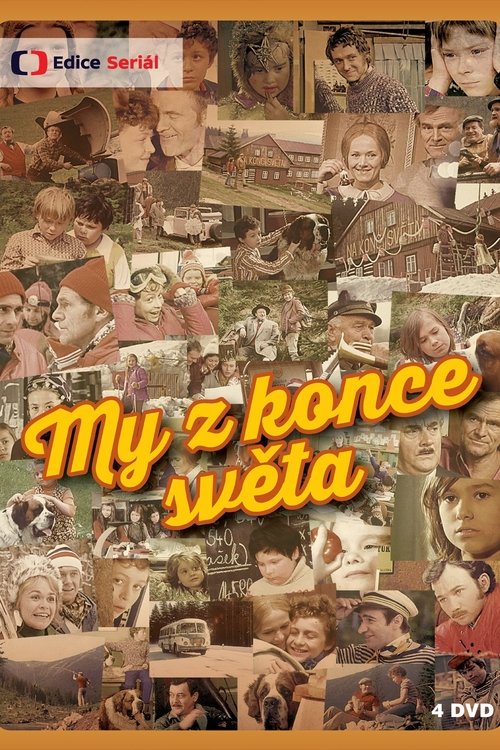
Stories from a daily life of children attending a regular school.
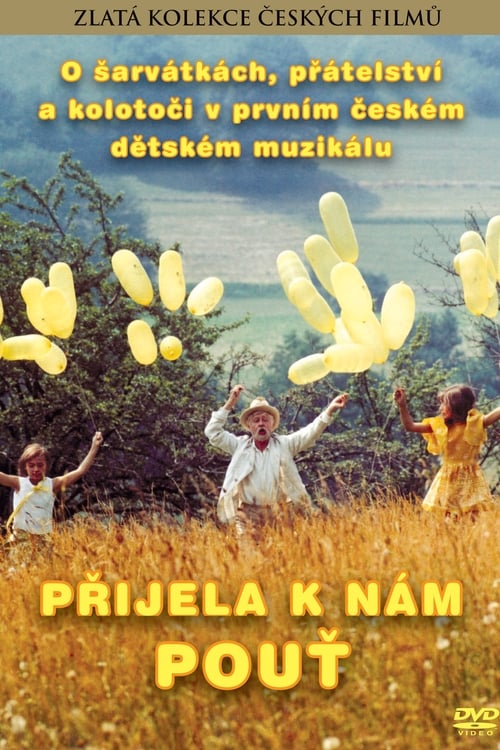
Children from the village Bystrá are awaiting a nice and thrilling weekend. On Saturday they will play the championship football match with the nonresident boys from the village Skuhrov, on Sunday there will be the funfair with merry-go-round, swings and stalls with dainties. The members of the family of the merry-go-round man are brother and sister Janek and Zaneta Mareks whom the children have known since the last year. At that time Zaneta made friends with girls and Janek, an excellent football player, has been a welcome support of the football club.
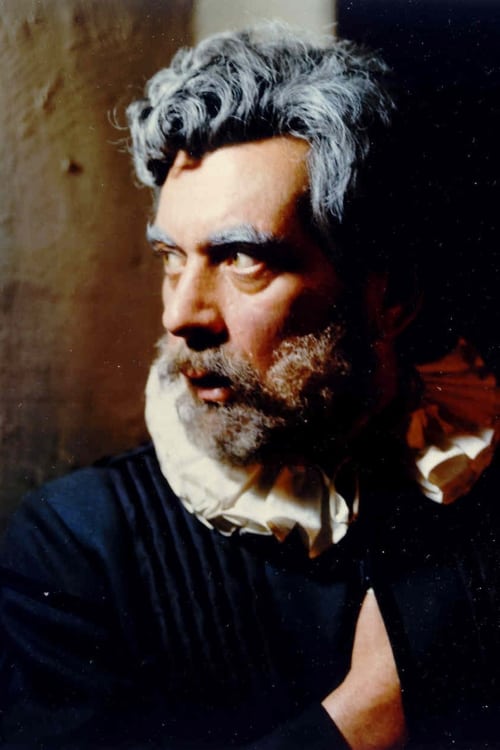
Series about the life of Renaissance anatomist, scholar and politic Johannes Jessenius. Already legendary series today, was produced by Czechoslovak Television Bratislava, directed by Slovak director Miroslav Luther in the first half of 80's in Barrandov Studios in Prague. The story and screenplay of the series wrote Czech writer Vladimír Körner. Five-episodes epic historical narration is a biographical story of distinguished Renaissance scholar, anatomist and politic of Slovak origin, Johannes Jessenius (Ján Jesenský, 1566–1621). It displays his life from the first studies and successes. In 1594 he became professor of surgery and anatomy on Wittenberg University, which he had attended years before. From that moment, his life went through social and personal wins and losses, to the sad end on the Prague Old Town Square gallows, among 27 noblemen, knights and burgenses, after lose Bohemian Revolt in 1621. His destiny was coupled with key events of Czech history in the break of 16th and 17th century, when Renaissance and European humanism slowly fade out.
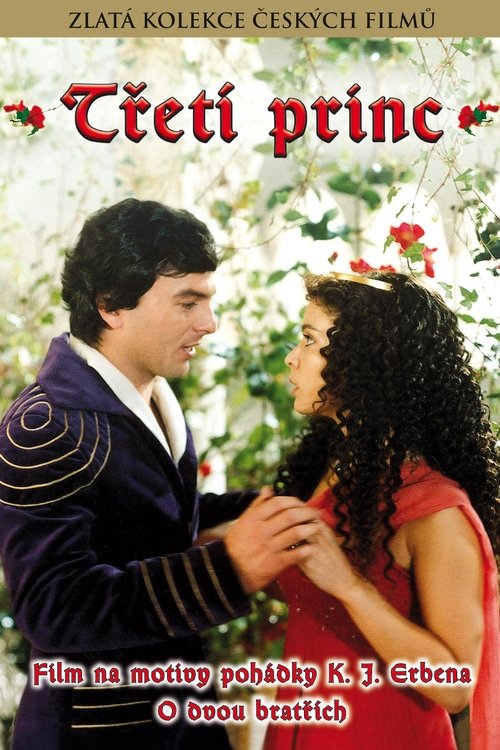
Brave sons of the king, twin brothers Jaroslav and Jaromír love and help each other. It was they and another brother - Jindrich, who once saw the portrait of Princess of Diamond Mountains, fell in love and went on her quest.
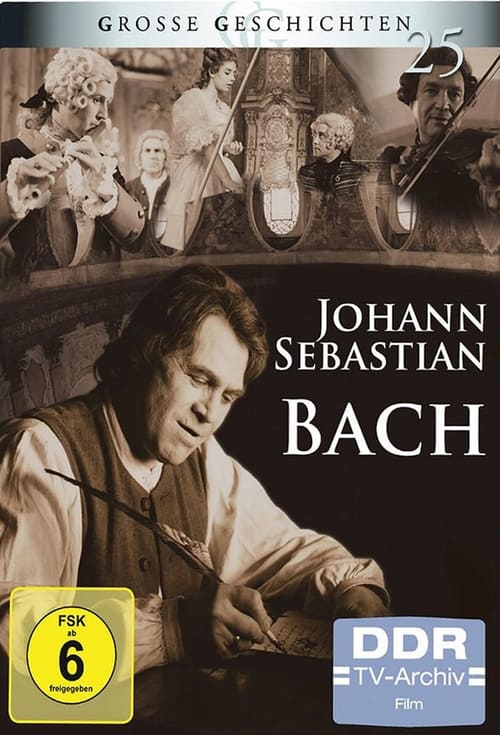
The series begins with a story from 1717: At the court of Augustus the Strong in Dresden, the French organ virtuoso Louis Marchand was said to have passed away. Convinced of his “unique” abilities, he announced a music competition. Bach was the only competitor to enter.
In the film, the creative forces of personalities from three spheres of art collide. The subtitle "The Game of Love and Hate" refers to the motivation of an old Czech medieval satire, the theme belongs to Antonín Přidal, an expert on this subject. His collaboration with Juraj Herz created a collage of past and present, an updated, sharp satire and a parable about the clash of human qualities that could not but end up in the vault. The music of the Prague Selection - Michael Kocáb and Michal Pavlíček - also contributed to the film's offensive provocativeness - the film was one of the reasons for their complete move to the underground. The dancing chorus of medieval citizens resembles more of a jumble of long-haired maniacs, the edge of a contemporary dump intrudes into the space of a medieval marketplace, and the characters oscillate between the past and the present, whether in their appearance, symbolism or behaviour.
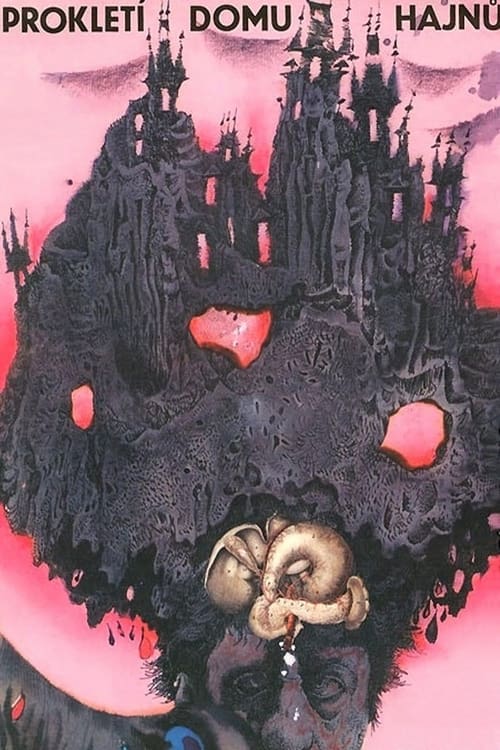
Sonya is the heiress to the riches of a Czech noble family—the Hajns. Petr, a social climber marries her, ignoring some shady goings-on—in particular, an insane uncle who prowls the mansion believing himself invisible, a peccadillo the family indulges. The uncle’s stalking every corner of the house, popping out of cupboards and out from behind curtains slowly takes its toll on the young bride.
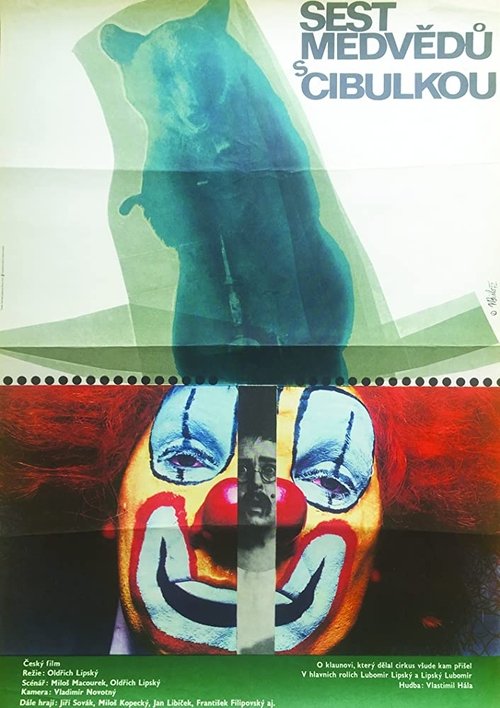
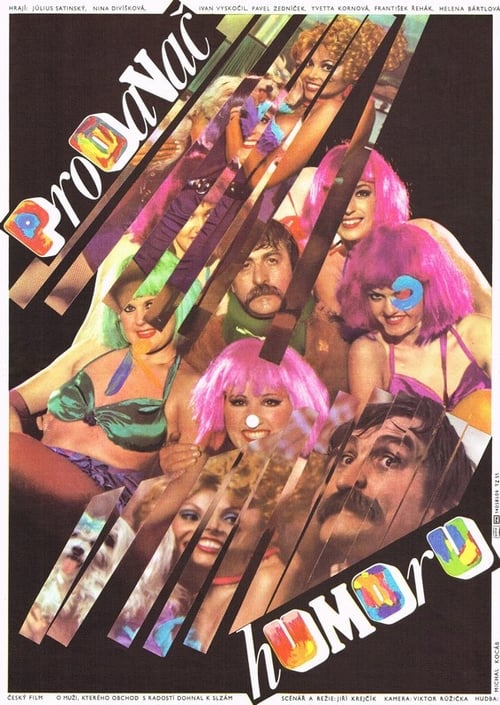
The owner of a circus decides to swap his trained bears for trained pigs, and fires clown Cibulka. The clown gets a job at a local school, bears escape and seek him out and a school inspector comes into town.
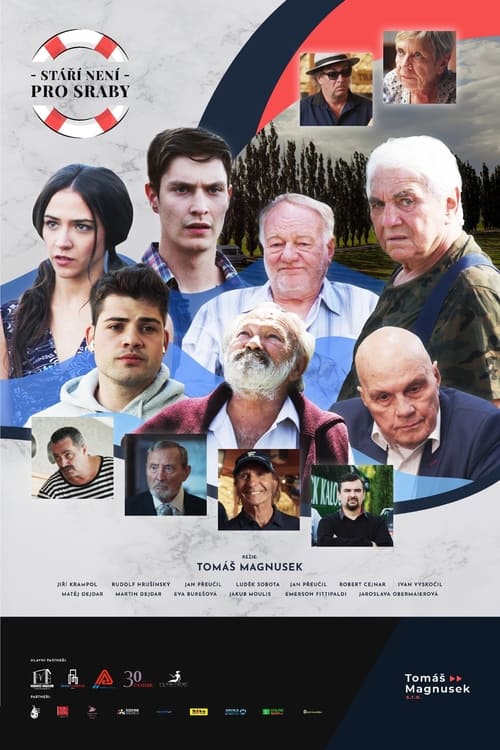
Do you have dreams? Any unfulfilled wishes? A group of retirees set out on a trip to fulfill them and reminisce about their younger years working at the municipal spa. Kňoura, Josefa, Janata, Kačera, and grandson Tomáš are in for a trip they will never forget. A helicopter flight, sleeping under the stars, dinner at a posh restaurant, a race with a Formula 1 driver, but also fun on the merry-go-round.
Honza Pavelka (Jan Hrusínský) wins the junior motorbike speed races. His thirteen-year-old brother Martin (Roman Cada), his assistant and biggest fan, answers the questions of his schoolfriend Pavlína in a superior tone. Student Zuzana (Libuse Safránková), who gave her scarf to Honza to wear around his neck for the races as a talisman is Honza's girlfriend. He met her when he came to her parent's home to repair the TV set. Honza declines an invitation to celebration with his friends. He goes off with Zuzana instead, but she refuses his intimate advances. The offended young man, who is about to serve his two years in the army, tries to blackmail her emotionally and the couple breaks up. Martin tries various schemes to bring them together again.
At the turn of the 10th and 11th centuries Boleslav's kingdom fell apart in the fratricidal war between the Přemyslovci and the other clans the main profiteer of this being the German emperor. At that time it seemed as if the Czech state and the lineage of its princes was awaiting its end..." It is with these words that the tale of this film begins, whose narrative is based upon the the play by František Hrubín of the same name.