Acting
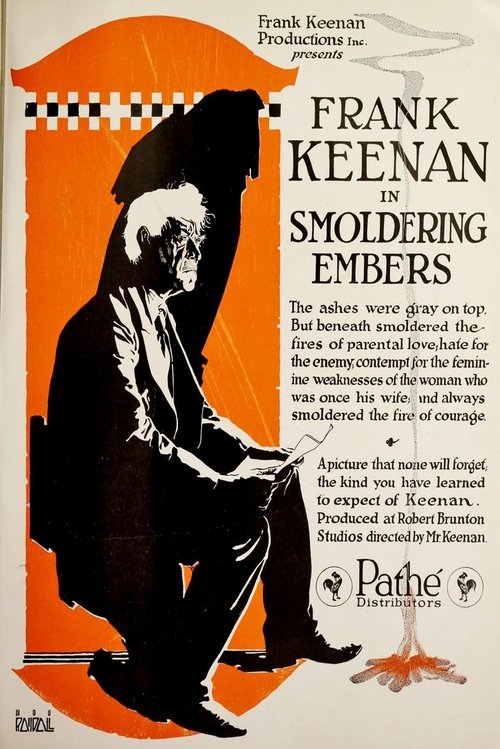
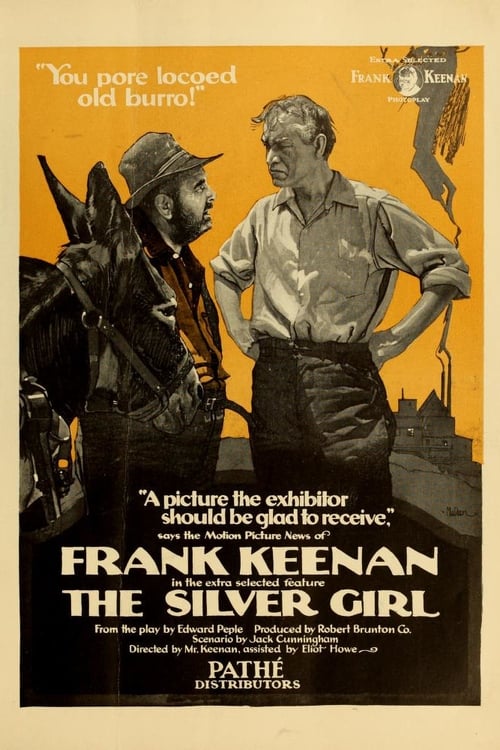
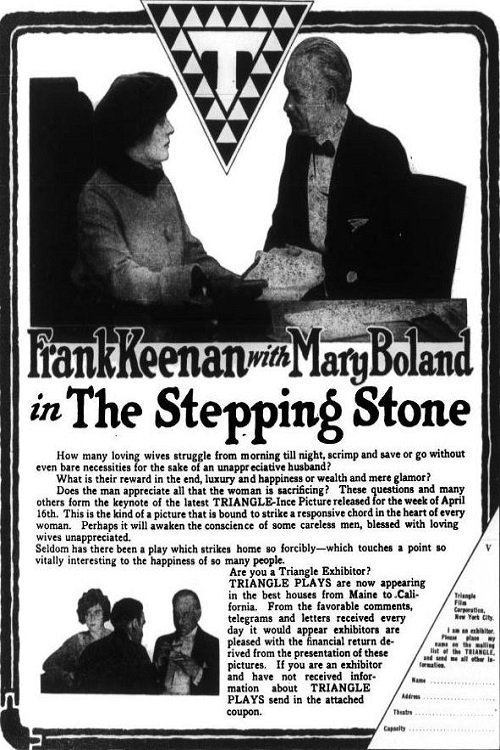
When John Conroy's wife takes his infant son Jack and runs away with another man, Conroy becomes a tramp and goes to Alaska. Fifteen years later, he returns and learns that his son Jack is being coerced into marrying Edith Wyatt, the daughter of a congressman, in order to further the political ambitions of his stepfather, Mayor Horace Manners. Conroy makes friends with the boy, who is unaware that the congenial tramp is actually his father. Jack loves cobbler's daughter Beth Stafford, and when Conroy discovers that Manners plans to frame Jack for the loss of city funds and thus scare him into marriage with Edith, he intercedes and insures that his son receives both his rightful inheritance and the woman whom he loves. After securing the boy's happiness, Conroy slips away without revealing his true identity to his son.
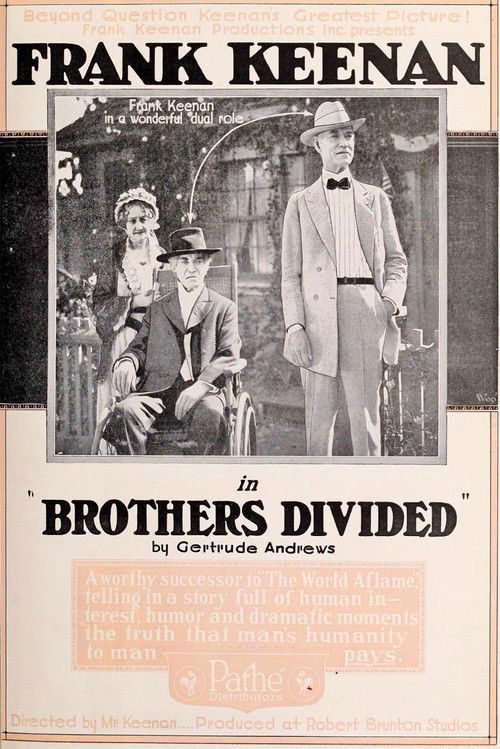
Convict Tom King is pardoned from a life sentence when he courageously helps other prisoners during a fire. He then goes to live with his brother Matthew, the hated mill owner in a depressed town, and his own son Max, who was brought up by Matthew to believe his father was dead.
Richard Gordon's lack of religious conviction prompts him to live a life of crime. When he demands to be included in a scheme to corner the food market, the conspirators agree to accept him as a partner provided that he contribute $100,000 to the operation. In order to obtain the money, Richard blackmails Harry Palmer with the aid of his girl
The National Red Cross Pageant (1917) was an American war pageant that was performed in order to sell war bonds, support the National Red Cross, and promote a positive opinion about American involvement in World War I.
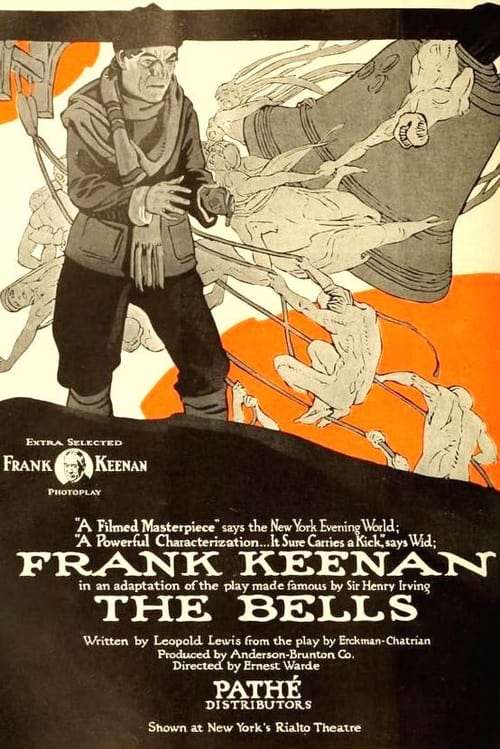
A murderer is driven slowly insane by a sequence of coincidences and suggestive events which will not allow him to escape his own sense of guilt for his crime.
A newspaper publisher finds out that his wild daughter has fallen in with a ring of gamblers. A reporter who has infiltrated the gang to get a story falls in love with the gang's female leader, and when the two are caught in a police raid, they find themselves in equal amounts of trouble.
Left penniless after the death of her reprobate father Linda Haverhill procures a loan from John Converse, who is smitten with her. She squanders the money in an attempt to maintain her social position by going abroad. During the journey Linda falls in love with Army Captain Brian Anestry of the United States Army, but foolishly burns her possessions planning to file an insurance claim to tide her over. Arrested, she is involved in a wreck which just might provide an escape for both Linda and Brian from their troubles.
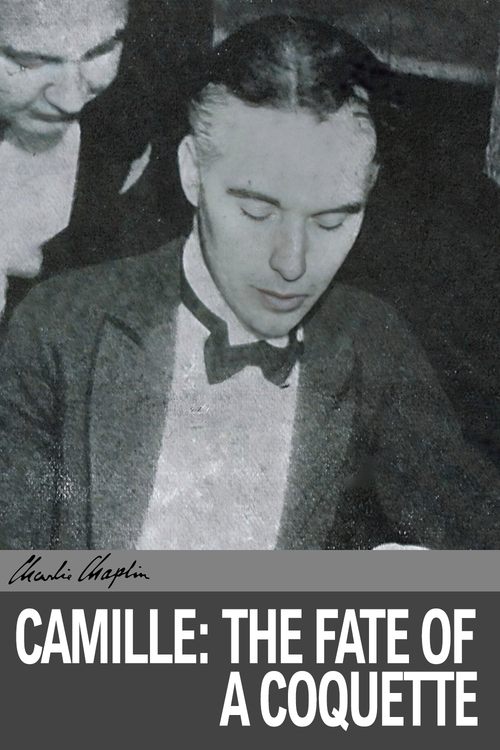
A home movie version of the Dumas play. A young woman becomes a courtesan and tragedy befalls her. Appearances are made by many socialites of 1920s Paris and New York.
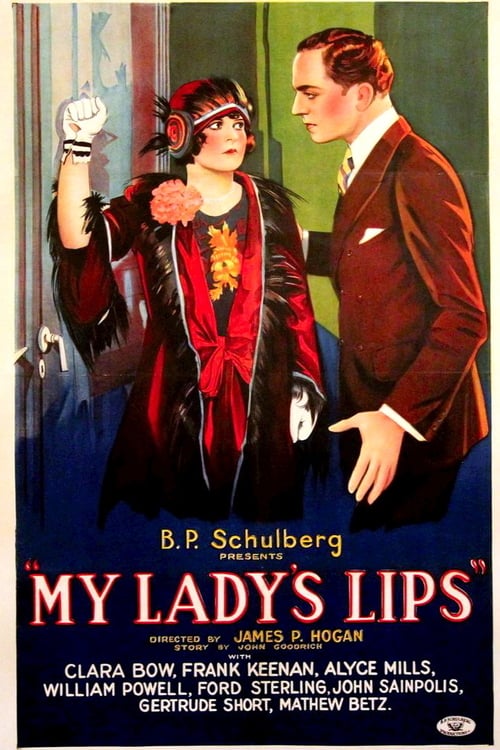
With her marriage on the verge of breaking up, a young wife attempts to win back the love of her husband and child.
No description available.
Jonathan Swift, stern Cape Cod businessman, has ambitions for his children, Emily and Noah, which are thwarted when they take romantic interests in Capt. Joe Cradlebow and Becky Keeler, respectively. Not realizing that Becky expects a child and has been promised marriage, Swift has Noah shanghaied, while Becky stows away on Cradlebow's vessel. There is a terrific storm; but Cradlebow rescues Noah, and the fleet returns safely to shore--thanks to lighthouse keeper Bijonah Keeler, Becky's father, who sets his house afire to give the sailors light. Realizing his foolishness Swift relents allowing his children marry whom they please.
Jefferson Hunter (Frank Keenan) is a Western mining man. Anne Kepple (Catherine Adams) has inherited the mine next to his, but a loan shark steals it from her. Hunter helps her get it back, and out of gratitude Anne marries him, even though she is half his age.
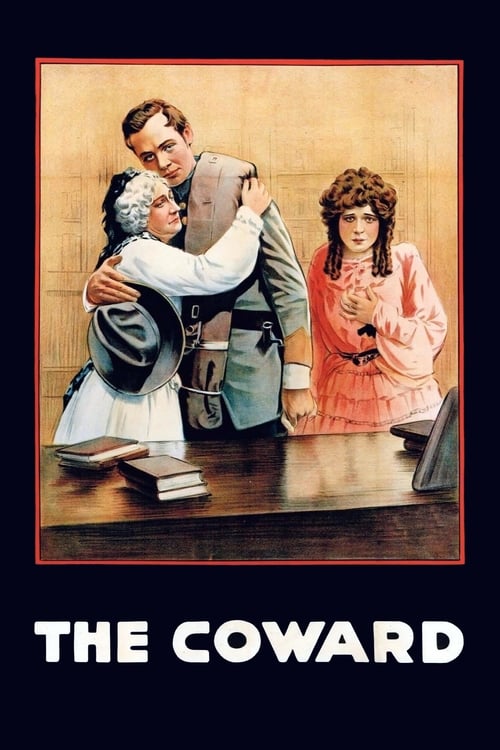
Set during the American Civil War, Keenan stars as a Virginia colonel and Charles Ray as his weak-willed son. The son is forced, at gunpoint, by his father to enlist in the Confederate army. He is terrified by the war and deserts during a battle. The film focuses on the son's struggle to overcome his cowardice.
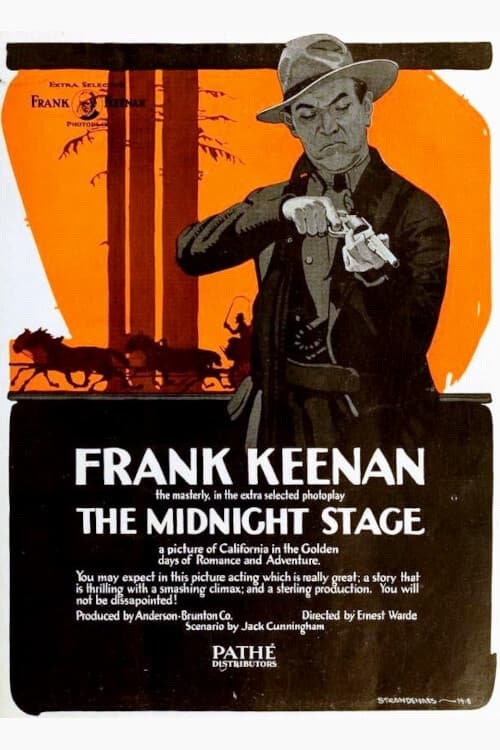
In this Western, Frank Keenan has a dual role -- kind-hearted gambler John Lynch and evil bandit Big Rivers. The only person who realizes there is a resemblance between the two is dance hall girl Nita (Maude George), who was abused by the outlaw and cared for by Lynch.
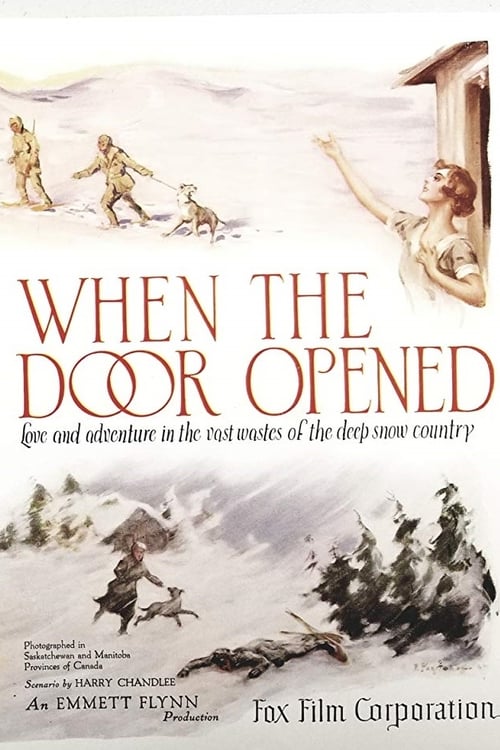
"When the door opened" Clive Grenfel sees his wife in another man's arms. A tussle ensues leading Clive to believe he has killed the other man, and he flees to the Northwoods. There he becomes acquainted with an old gentleman and his lovely granddaughter but keeps his distance because of his past. A stranger’s arrival proves a catalyst to the whole fraught situation.
Layabout Al Beresford is in a position of responsible in the brokerage film he works in only because of his smart and self-sacrificing wife Mary. While he dawdles and wastes his time she works behind the scenes to complete his work in order to save his position. One day when Al is out wandering Mary delivers important documents she's completed to Wall Street broker Elihu Jasper. He in turn is charmed by her and offers Al a job, though he recognizes his worthlessness. Jasper offers him many tips and with Mary's support Al prospers. Foolishly not realizing it is due to the work of others Al leaves Mary and is soon ruined, taking desperate measures he frees Mary to enjoy a life with Elihu.
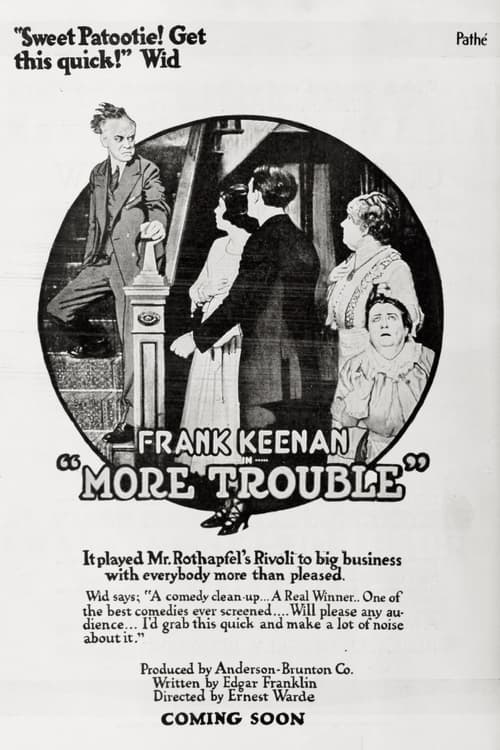
Lemuel Deering's son Harvey graduates from college at the top of his class, then returns home to become a partner in his father's steel business. Because Harvey appears to be an exemplary young man who neither drinks nor smokes, when bills from liquor dealers, tobacconists, and billiard emporia pour in, the proud father is mystified. Harvey stoutly denies having contracted the bills, including one for $25,000, and Lemuel, though puzzled, believes him until the workers threaten to strike and the bank places an attachment on the mill. Lemuel is about to disown his son when Harold Morrowton, Harvey's college roommate, confesses that he forged Harvey's name to the bills because his own father refused to give him spending money, and Harvey adds that because the two were fraternity brothers, he could not betray Harold's trust. Exasperated, Lemuel orders both young men to pay their debts through hard labor in the mill.
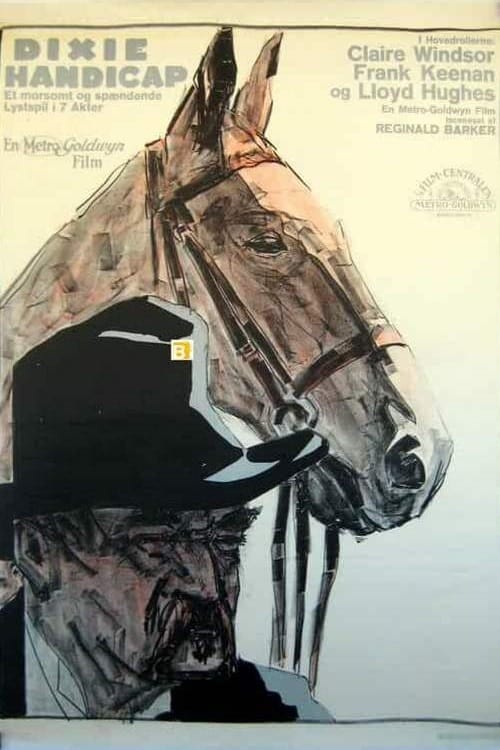
Tale of a man and his horse.
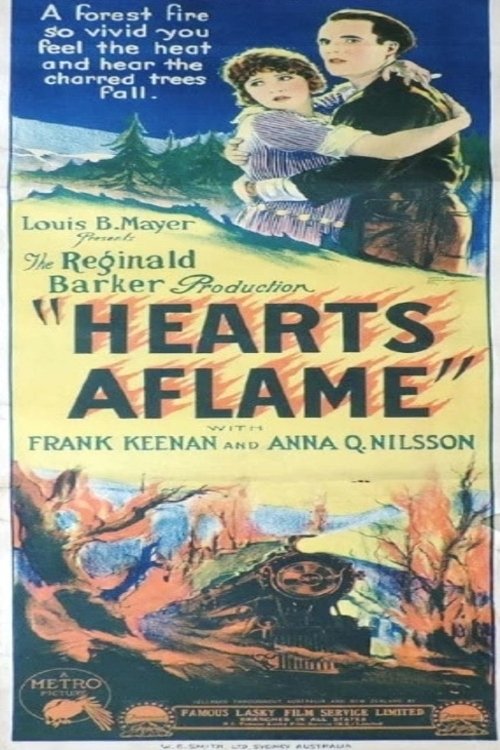
The son of a retired timber baron meets and falls in love with a Michigan woman who refuses to sell her land unless the buyer promises to replant to replace the trees that are to be cut down.
Movie mogul Thomas H. Ince may well have been the director of The Despoiler as indicated by the credits; but since Ince was known far and wide as a glory-hogger, it's also possible that one of his talented lieutenants wielded the megaphone. A Civil War drama, The Despoiler refuses to take sides, demonstrating that there are heroes and villains in both camps. Capturing a small town, Colonel Charles K. French orders his men to reclaim the funds raised for the enemy by the townsfolk. French's drunken, lacivious second-in-command Frank Keenan intends to extort money from the citizens by threatening the virtue of the town's female population.