Directing
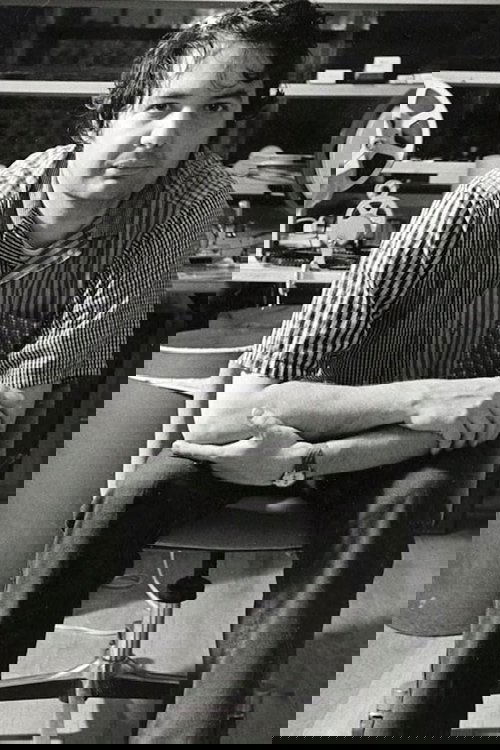
Tom Palazzolo is an American experimental filmmaker, photographer, and painter.
Lisa Gottlieb's Oscar-winning spoof of misogynist film noir.
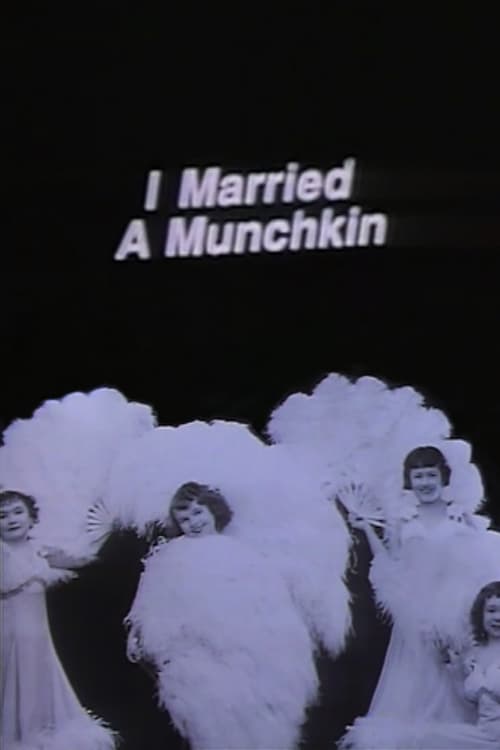
Chesterton, Indiana's annual WIZARD OF OZ parade (as well as their many Oz-themed festivities) provides the backdrop for I MARRIED A MUNCHKIN, Tom Palazzolo's study of the life and career of Mary Ellen St. Aubin. Self-described as "normal, but little," Mary Ellen details her early start in show business as a performer in an all-dwarf vaudeville act, her brief appearance in 1946's THREE WISE FOOLS, her 1948 marriage to former Munchkin Parnell St. Aubin and their subsequent retirement from entertainment to run a bar (called the Midget Club) in the South Side of Chicago. Two other former Munchkins (Margaret Pellegrini and Clarence Swensen) briefly appear among the day's revelry. Also included is a postscript (shot some time after the initial film) featuring Mary Ellen briefly describing the original size of her role in THREE WISE FOOLS, which originally featured a line and an ill-fated "flying" effect. - Tom Fritsche
Lillie Santangelo had for most of the 20th century owned and operated a wax museum at New York's Coney Island. She leads us on a final tour, just before her museum is closed and her wax figures and exhibits are auctioned off. Old age and declining attendance have forced her to close and sell everything. This film deals with the loss of her "friends" (the wax figures), she has known for so long. She reminisces about her years as a Coney Island fixture as she visits the ocean boardwalk one last time.
A profile of Chicago's greatest Presley impersonator, Jay Elvis
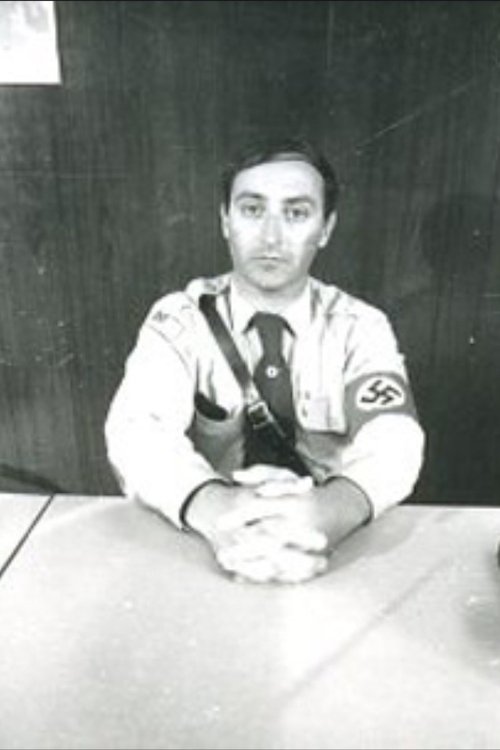
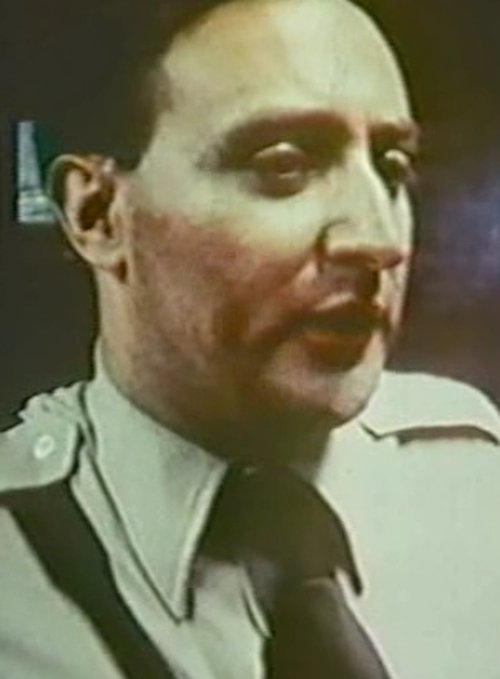
A film by Tom Palazzolo and Mark Rance documenting neo-Nazi activity in the Marquette Park neighborhood of Chicago on August 21, 1976. The day marked one of many conflicts between black civil rights marchers and white supremacist neighborhood groups who were mobilizing to prevent black residents from moving into the neighborhood.
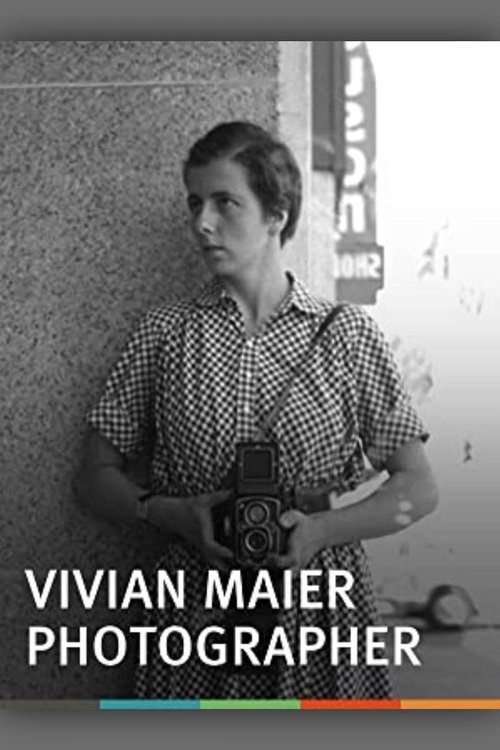
Chicago filmmaker Tom Palazzolo turns his lens to film a very different portrait of Vivian Maier, the mysterious Chicago photographer whose work was only discovered posthumously.
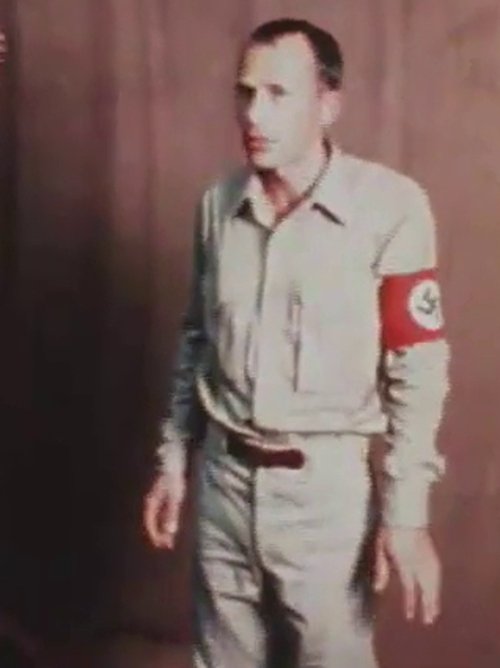
A documentary on a Neo-Nazi rally in Marquette Park, Chicago, on July 9, 1978 features footage from inside the Neo-Nazi headquarters in Chicago (led by Frank Collin) and protesters in Marquette Park. In the headquarters they discuss logistics, chit-chat, and organize themselves for the rally. In the park beforehand we see people gathering (both anti-Nazis and Neo-Nazis) and police organizing themselves for the rally. Filmed by Tom Palazzolo and Mark Rance.
Hot Nasty is a humorous documentary short set entirely inside a Chicago massage parlor called Big Bertha’s. The film features interviews with the women who work there, openly sharing funny stories about how they got into the business, dealing with different patrons, and so on.
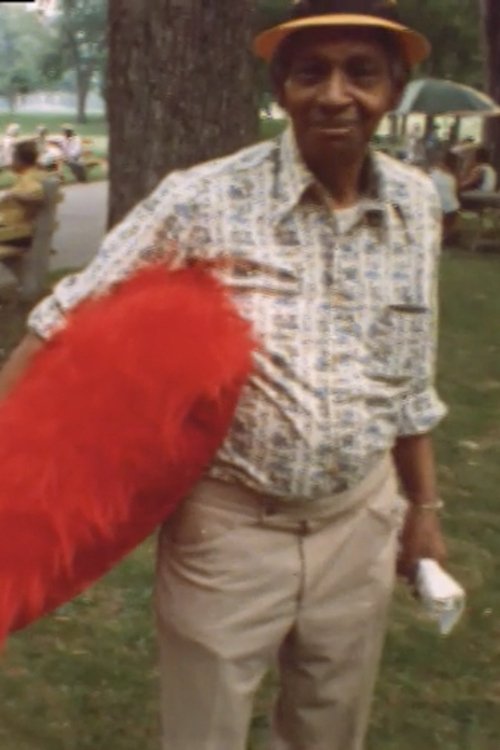
Filmmakers Tom Palazzolo, Jeff Kreines, and Bernie Caputo attend the annual Chicago Senior Citizens Picnic hosted by the Democratic Party. Shot in the style of direct cinema, they spend the afternoon in a Chicago park following the seniors as they have a musical revue, hula dance, listen to speeches, play organized games and generally seem to have an all around fabulous time.
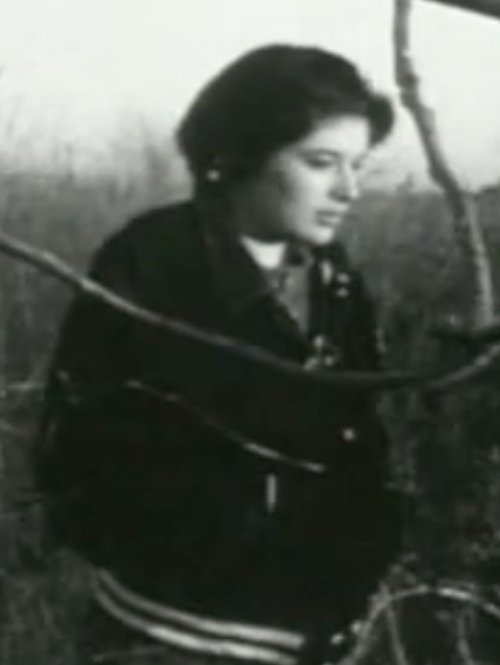
Rita, a young high school student, recounts and reflects on her life in a monologue played over footage of her wandering through various beautiful and often strange Chicago locations.
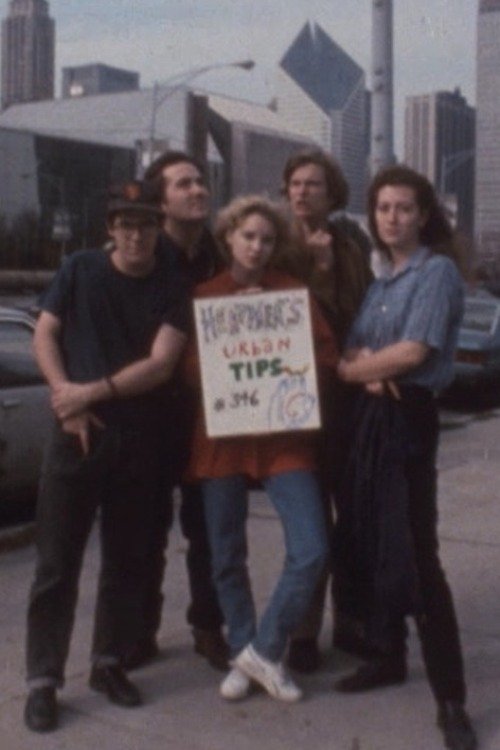
Based on a comic Heather McAdams created for the Chicago Reader, the short comedic film was made by Tom Palazzolo's 1990 film production class at the School of the Art Institute of Chicago. Set in downtown Chicago on S Columbus Dr & E Congress Pkwy, McAdams demonstrates tips on how to ward off unwanted attention from men on the road.
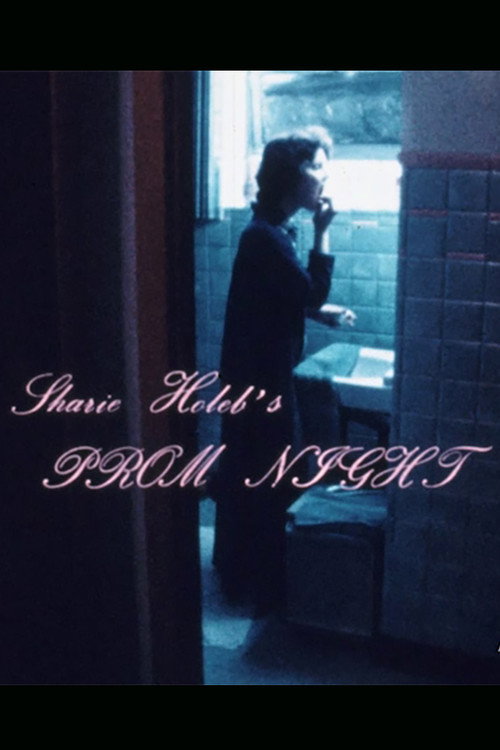
Tom Palazzolo's 1978 film "Sharie's Prom" is a documentary that captures the experiences of Sharie Holeb and her friends during their prom night in Chicago. The film offers an intimate glimpse into the lives of these young individuals as they navigate the excitement and challenges of this significant high school event.
VHS compilation of two Tom Palazzolo documentaries - Marquette Park (1976) and Marquette Park II (1978) - about the American Nazi party and its leader Frank Collin.
"Fears and thrills... Part structure (the centerpoint): part improvisation."
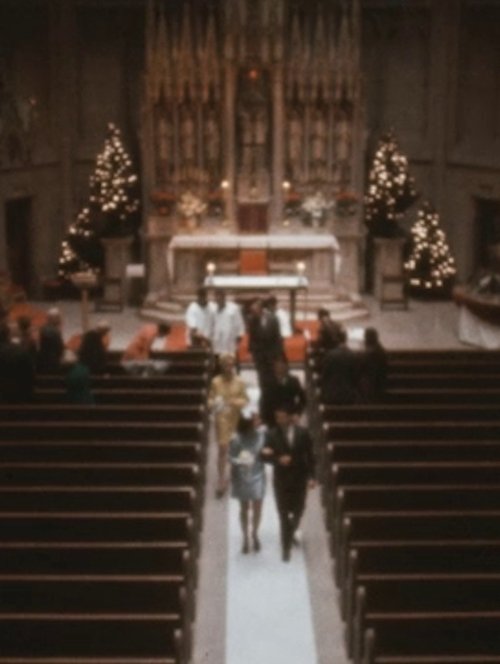
Silent home movie capturing the marriage of Tom Palazzolo and Marcia Daehn on December 22, 1968.
An awkward wedding rehearsal at which the in-laws meet
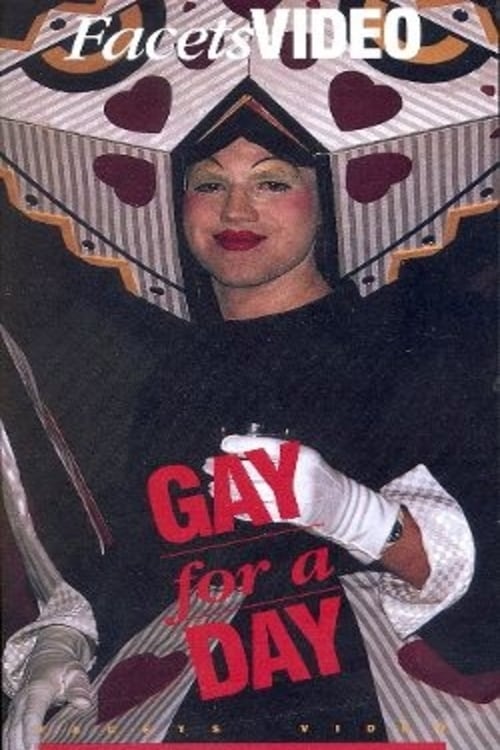
A music and costume filled portrayal of the 1976 Gay Pride Parade by filmmaker Tom Palazzolo. All is fun and games until a bystander hurls an egg at Palazzolo's camera lens. It resumes quickly though.
JERRY'S DELI is a testament to a bygone era when shrieking lunatics could run successful (even popular) businesses. Shot on film-stock leftover from television cameramen, Tom Palazzolo's portrait of Jerry Meyer offsets sequences of the tyrannical deli owner (seen berating his employees and physically dragging customers to the counter) with personal interviews in which a soft-spoken Meyer calmly describes his decorated military service in World War II, his early stand on civil rights and this one time when he stabbed an employee in the arm. - Tom Fritsche
The two filmmakers use the style of direct cinema to film the Italian/Polish backyard wedding shower of a young couple, Ricky and Rocky. The pair show off their wedding gifts and guests and relatives express their approval of the shower to the filmmakers.
A documentary about a man who wins a million dollars in the Illinois lottery. Takes place at Woodfield Mall in Schaumburg, IL.