Pierre Assouline
Writing
Biography
Pierre Assouline (born 17 April 1953) is a French writer and journalist. He was born in Casablanca, Morocco to a Jewish family. He has published several novels and biographies, and also contributes articles for the print media and broadcasts for radio. As a biographer, he has covered a diverse and eclectic range of subjects, including: Henri Cartier-Bresson, the legendary photographer; Marcel Dassault, the aeronautics pioneer; Gaston Gallimard, the publisher; Hergé, the creator of The Adventures of Tintin; Daniel-Henry Kahnweiler, the art dealer; Georges Simenon, the detective novelist and creator of Inspector Maigret. Several of these books have been translated into English and the Henri Cartier-Bresson biography has been translated into Chinese. As a journalist, Assouline has worked for the leading French publications Lire and Le Nouvel Observateur. He also publishes a blog, "La république des livres". Assouline was the editor of La Révolution Wikipédia, a collection of essays by postgraduate journalism students under his supervision. Assouline contributed the preface. On 7 January 2007, Assouline published a blog post criticizing the Wikipedia entry on the Dreyfus Affair. Source: Article "Pierre Assouline" from Wikipedia in English, licensed under CC-BY-SA 3.0.
Known For

No description available.
Vivement dimanche

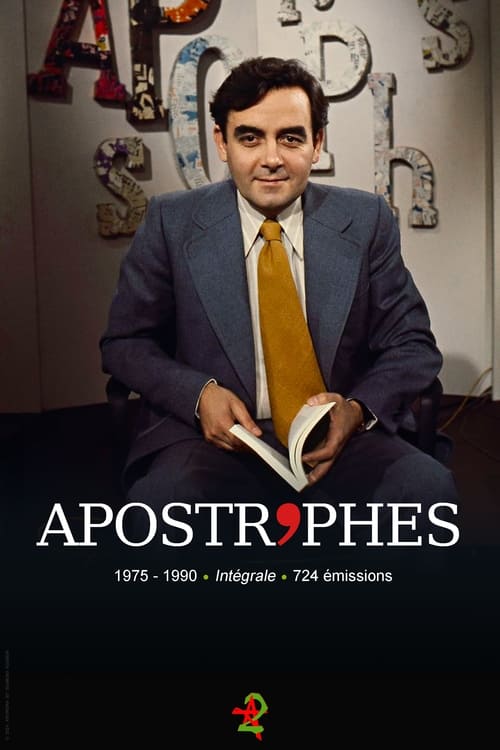
Apostrophes was a live, weekly, literary, prime-time, talk show on French television created and hosted by Bernard Pivot. It ran for fifteen years (724 episodes) from January 10, 1975, to June 22, 1990, and was one of the most watched shows on French television (around 6 million regular viewers). It was broadcast on Friday nights on the channel France 2 (which was called "Antenne 2" from 1975 to 1992). The hourlong show was devoted to books, authors and literature. The format varied between one-on-one interviews with a single author and open discussions between four or five authors.
Apostrophes

No description available.
Rembob'Ina

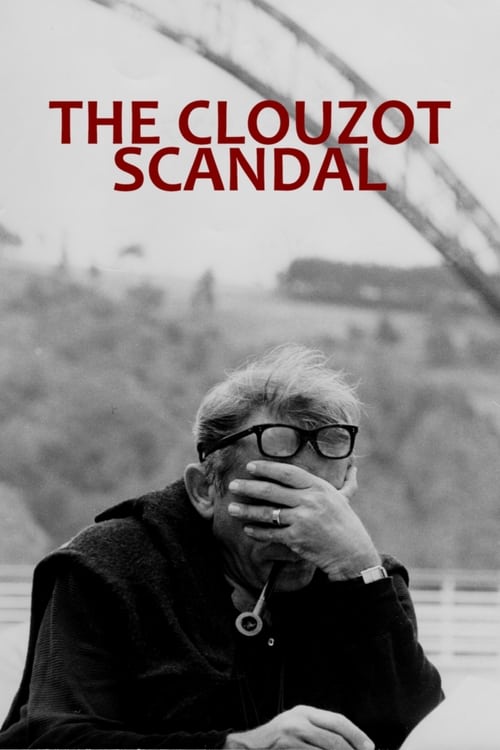
Great filmmakers claim the artistic influence of French director Henri-Georges Clouzot (1907-1977), a master of suspense, with a unique vision of the world, who knew how to offer both great shows and subtle studies of characters. Beyond the myth of the tyrannical director, a contrasting portrait of a visionary, an agitator, an artist against the system.
The Clouzot Scandal

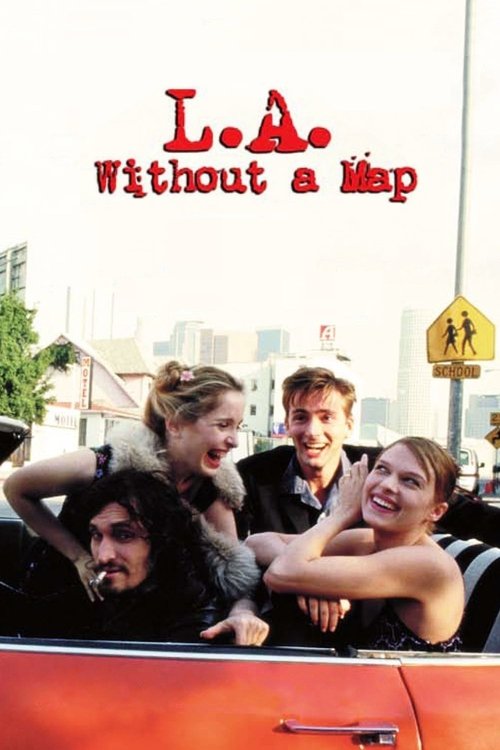
An aspiring Hollywood actress, on a visit to a charming North England town, has a brief fling with the town undertaker, who also writes obituaries for the local paper. Returning home, where she works as a waitress at a Japanese restaurant, she tells everyone about the handsome "writer" she met on her trip. Unfortunately, he decides to follow her back to Hollywood, setting up the expected light romantic comedy with asides as the newcomer gains experience about the goings on in Hollywood.
L.A. Without a Map

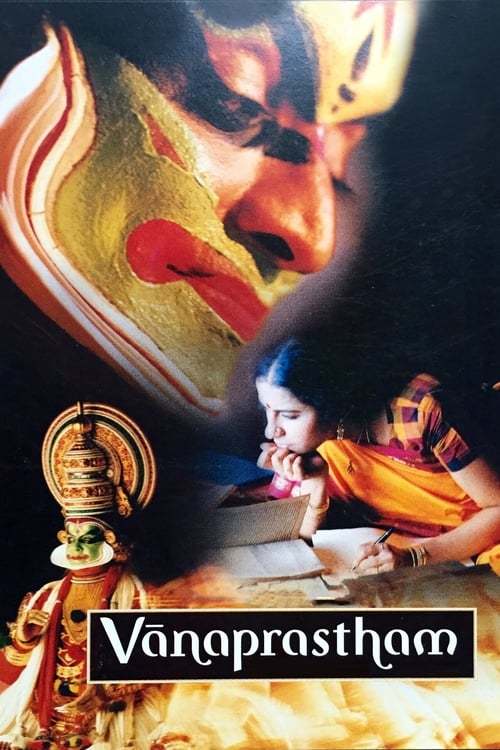
Kunhikuttan, a famous Kathakali dancer, meets Subhadra, a woman from an upper caste family, who falls in love with his character rather than himself.
Vanaprastham

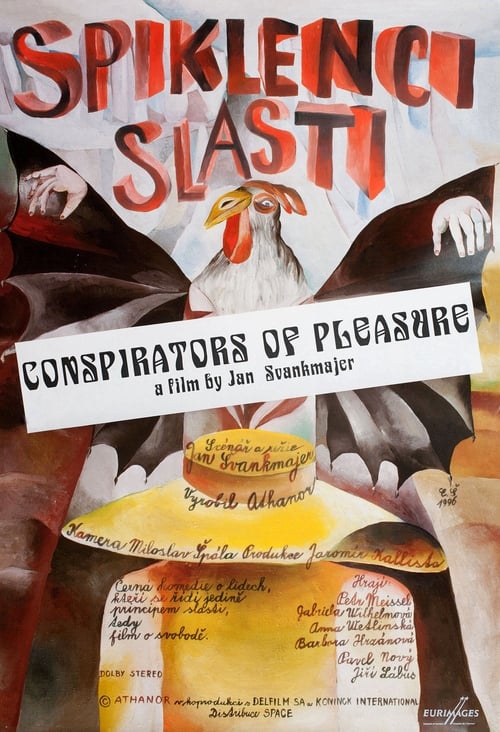
Six Prague residents pursue bizarre rituals. Mr. Peony builds a chicken costume to wear while enacting homicidal fantasies toward neighbor Mrs. Loubalova, who does the same dressed as a dominatrix. Their mail carrier, Mrs. Malkova, inhales tiny balls of bread. Newsstand operator Mr. Kula obsessively watches the broadcasts of news anchor Mrs. Beltinska, whose husband regularly scrubs his body.
Conspirators of Pleasure

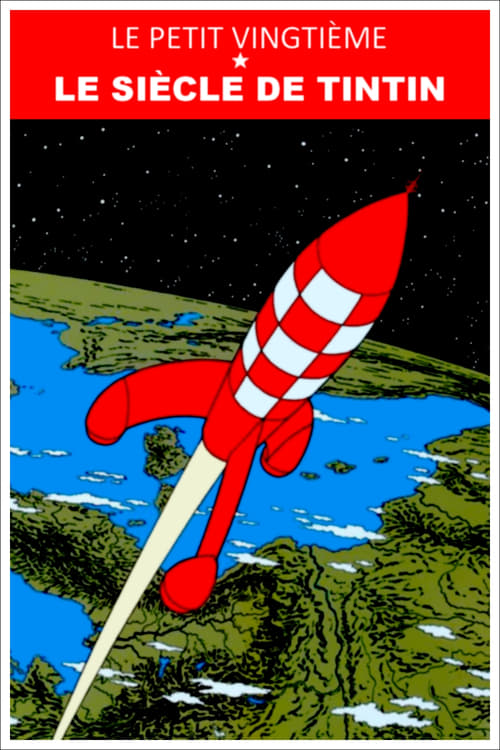
From the beginning, Hergé's work, Tintin's creator, was conditioned by the ideology of his publisher, the weekly child supplement of a Belgian Catholic newspaper. An exciting analysis of the political meaning of the adventures of Tintin.
Le Petit Vingtième : le siècle de Tintin

Hours and historical meetings, Pierre Assouline has composed an anthology of the best extracts presented in the form of a primer, which he had commented on by a surprised Bernard Pivot.
Les vendredis d'Apostrophes

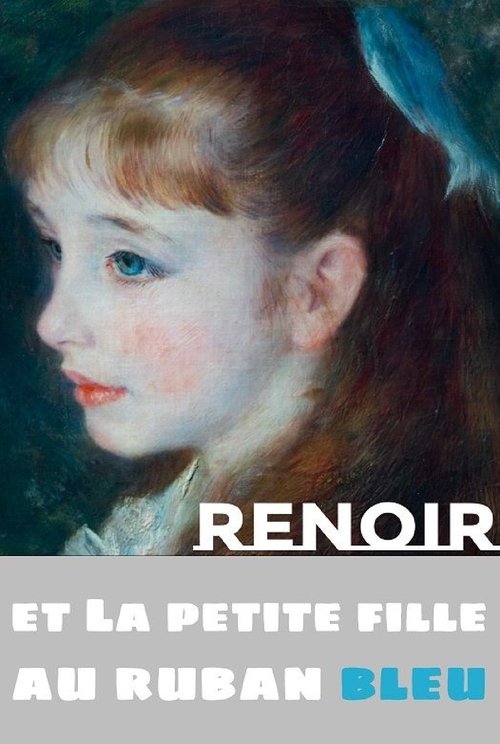
This documentary follows three parallel stories. First, that of the masterpiece, The Little Girl with the Blue Ribbon, this melancholic Renoir work with the "musical face" described by Henri Michaux. The painting was constantly tossed around, shelved by its patrons, looted by the Nazis, found by the Monument Men, recovered by the family, sold to a controversial collector, before finally arriving at the Kunsthaus Zurich. We also discover the painter's biography, and the eventful life of his model, Irene Cahen d'Anvers. Born into the Jewish upper middle class, this free and divorced woman long disowned the painting and left it to her daughter, who was murdered at Auschwitz. Discover the tumultuous journey of this painting, its model, Irene Cahen d'Anvers, and its connection to the dark hours of the Nazi regime.
Renoir and the Girl with a Blue Ribbon

No description available.
Simenon est Maigret

No description available.
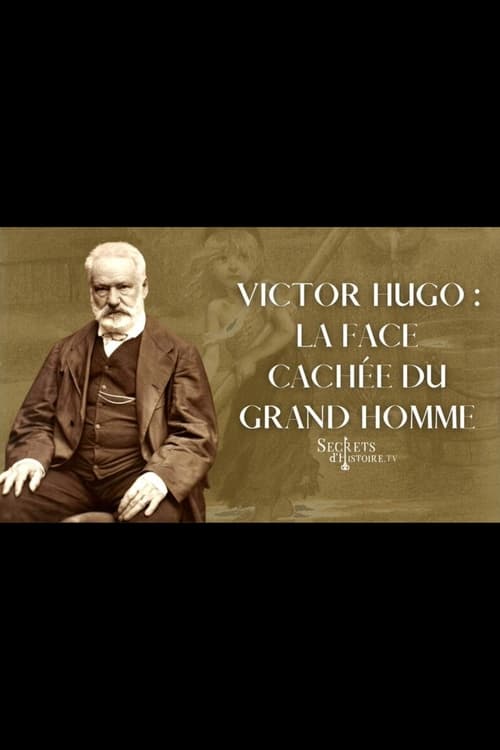
Victor Hugo : la face cachée du grand homme

No description available.
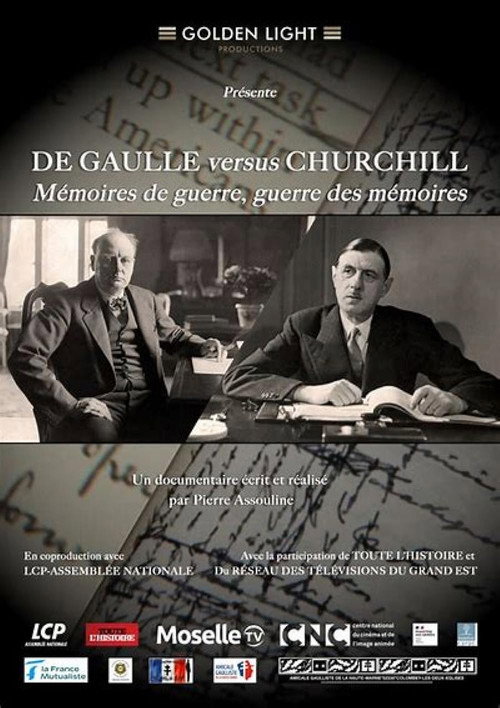
De Gaulle vs Churchill : Mémoires de guerre, guerre des mémoires

No description available.
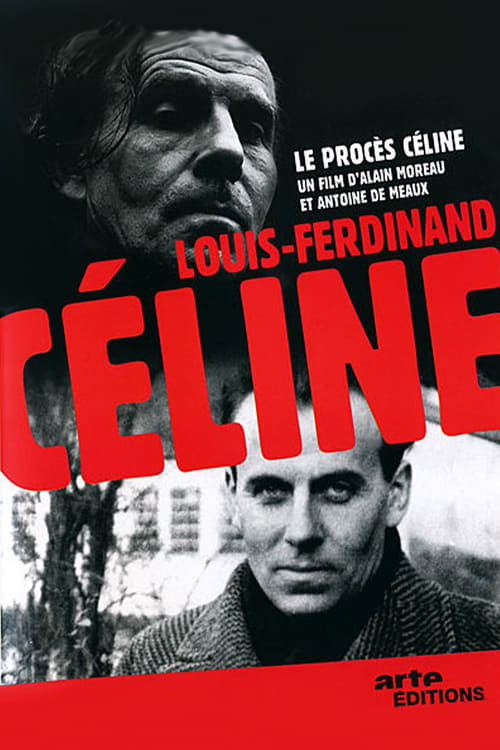
Le procès Céline

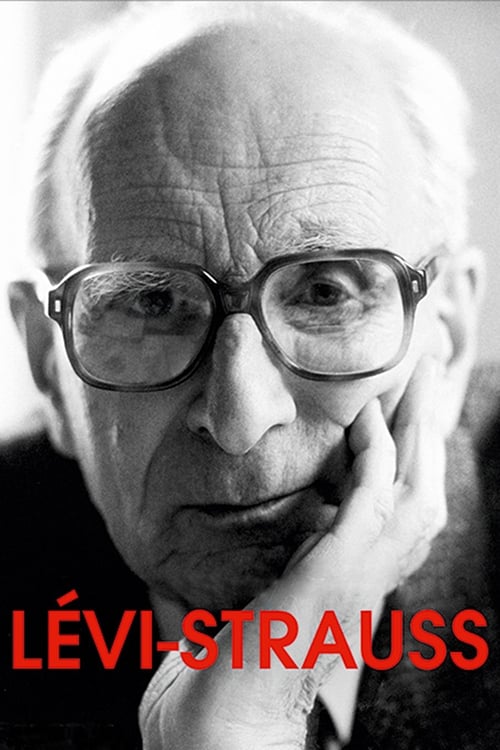
Documentary about one of the greatest French thinkers of the twentieth century, Claude Lévi-Strauss (1908-2009).
The Lévi-Strauss Century

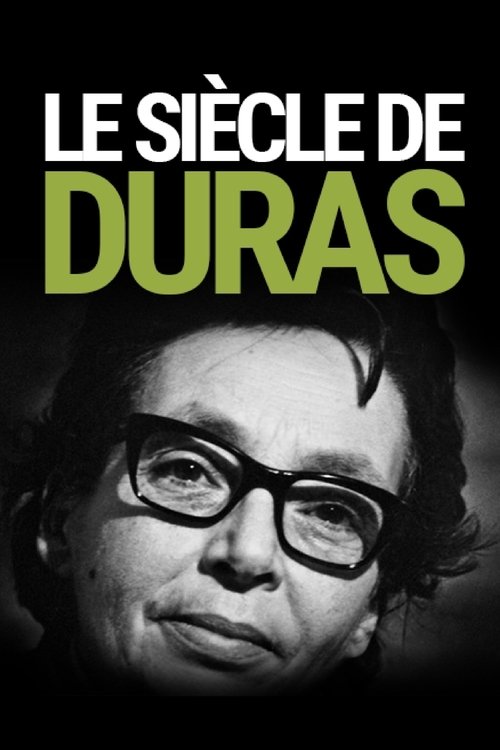
Marguerite Duras still has much to tell us about her words and about her silences. In this film, hers is the only voice we hear. She talks about herself, without excuses, and with the keen wit, the humour, and the straightforward attitude that became her trademark.