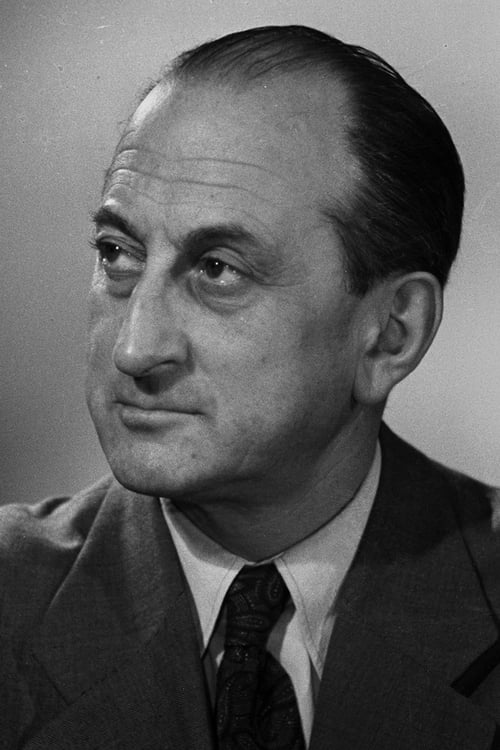
Mikhail Romm
Directing
Biography
Mikhail Ilych Romm (Russian: Михаил Ильич Ромм; 24 January [O.S. 11 January] 1901 – 1 November 1971) was a Soviet film director. He was born in Irkutsk. His father was a social democrat of Jewish descent who had been exiled there. He graduated from gymnasium in 1917 and entered the Moscow College for Painting, Sculpture and Architecture. From 1918 - 1921, he served in the Red Army during the Russian civil war, first as a signalman and later rising to the rank of inspector of a Special Commission concerning the numbers of the Red Army and Fleet of the Field Staff of the Supreme Military Soviet of the Republic. As such he travelled a lot and had the opportunity to see much of the life in different parts of the country, something that he later said he "recalled with gratitude". In 1925 he graduated as a sculptor from the class of Anna Golubkina of the Highest Artistic-Technical Institute and worked as a sculptor and translator. In 1928-1930 he conducted research on the theory of cinema in the Institute for the methods of extra-scholastic work. Since 1931 he worked at the Mosfilm studio. In 1940-1943 he was an artistic leader for the Mosfilm films production. In 1942-1947 he was the director of a theater studio for movie actors. From 1938 he was a lecturer, from 1948 he was the leader of the actor's-producer department of the VGIK, professor (from 1962). He influenced many prominent film-directors, including Andrei Tarkovsky, Grigori Chukhrai, Vasily Shukshin, Nikita Mikhalkov, Georgi Daneliya, Aleksander Mitta, Igor Talankin, Rezo Chkheidze, Gleb Panfilov, Vladimir Basov, Tengiz Abuladze, Elem Klimov and many others. He wrote many books and articles on the theory of cinematographic art, and also memoirs. He was awarded the Stalin Prize 5 times (1941, 1946, 1948, 1949, 1951). Romm was an honorary corresponding member of the Academy of the skills of DDR (1967).
Known For

No description available.
Legends of Cinema

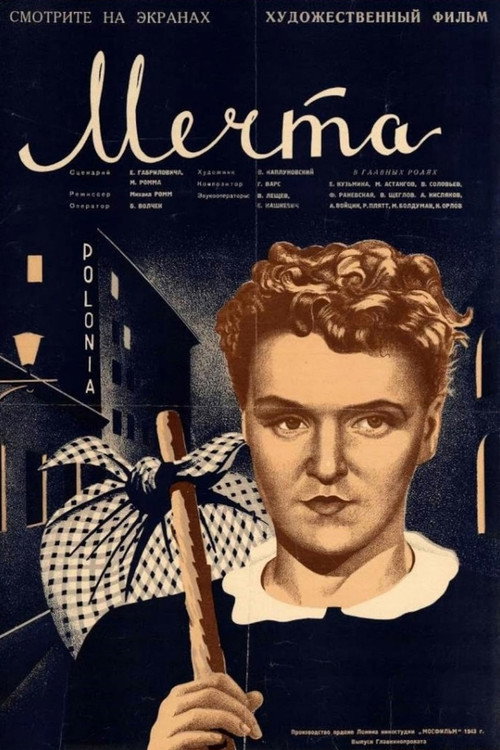
In search for a better life, Anna leaves her Ukrainian village for a big city. Three years later, she finds herself working two jobs and spending most of her days in a rooming house inhabited by broken people.
Dream

Romm pulls out all the stops in its selection of documentary material to draw the viewer not only into absolute horror about fascism and nazism in the 1920s–1940s Europe, but also to a firm conviction that nothing of the sort should be allowed to happen again anywhere in the world.
Triumph Over Violence

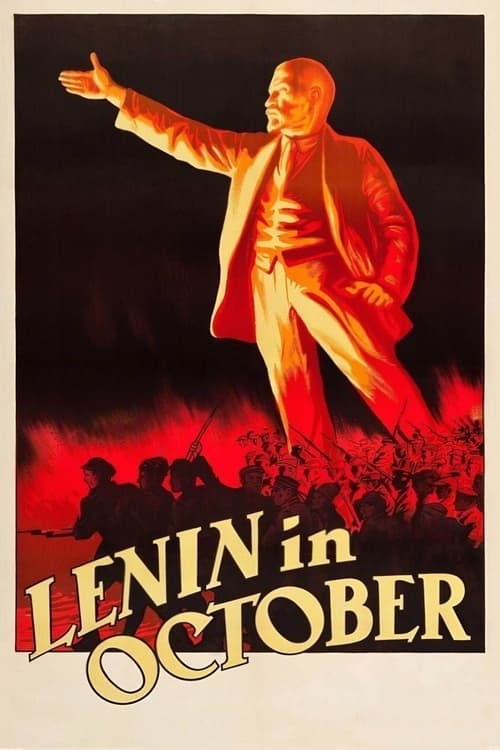
Commissioned by Josef Stalin to commemorate the 20th anniversary of the Soviet Revolution, Lenin in October was the first of Russian director Mikhail Romm's tributes to the Marxist visionary who helped orchestrate the insurrection of October, 1917.
Lenin in October

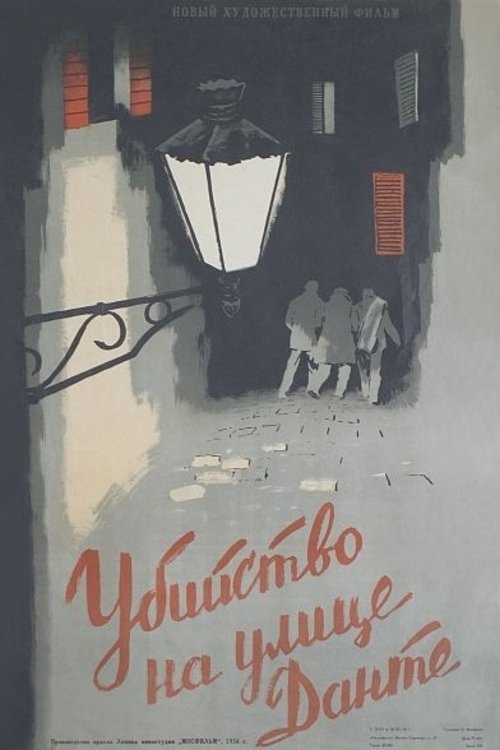
A story about tragic events in France during the German occupation in WWII.
Murder on Dante Street

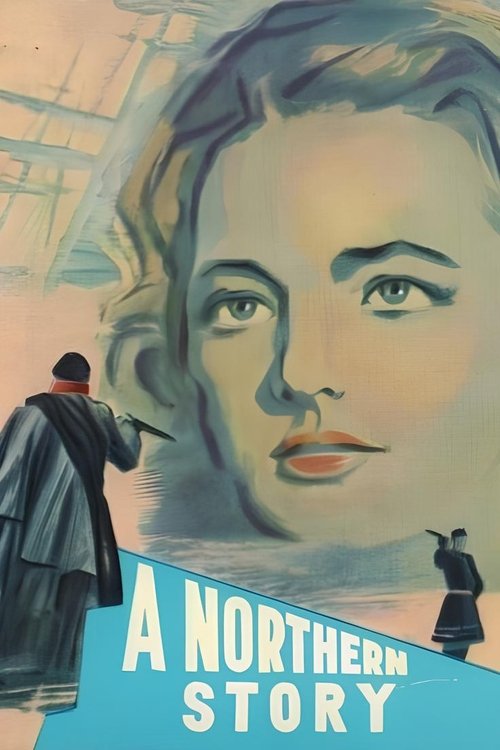
The station keeper Kruglikov was exiled to a remote Siberian village many years ago for shooting his superior, a general, who demanded that he go with him as a matchmaker to Kruglikov's favorite girl, Raya. A political exile is brought to the station. She turns out to be Raya. For a few minutes the former bride and groom were together, and then she was taken away again.
A Weary Road

Historical-revolutionary film about Lenin’s activities in the first years after the Great October Revolution in Russia.
Lenin in 1918

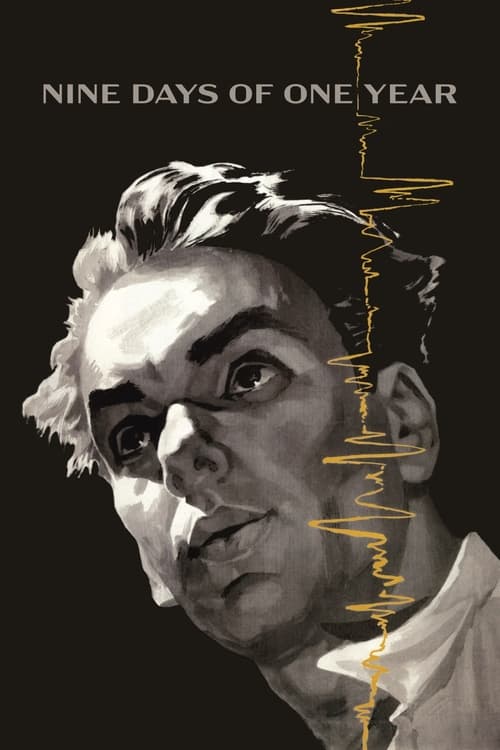
Set in the Soviet scientific community, Nine Days of One Year follows two dedicated physicists whose close friendship unfolds amid dangerous nuclear research, shaped by their shared affection for a strong-willed woman. As radiation exposure, scientific ambition, and personal relationships intersect, the film offers a thoughtful, human portrait of scientists confronting the risks of progress and the choices that define their lives.
Nine Days of One Year

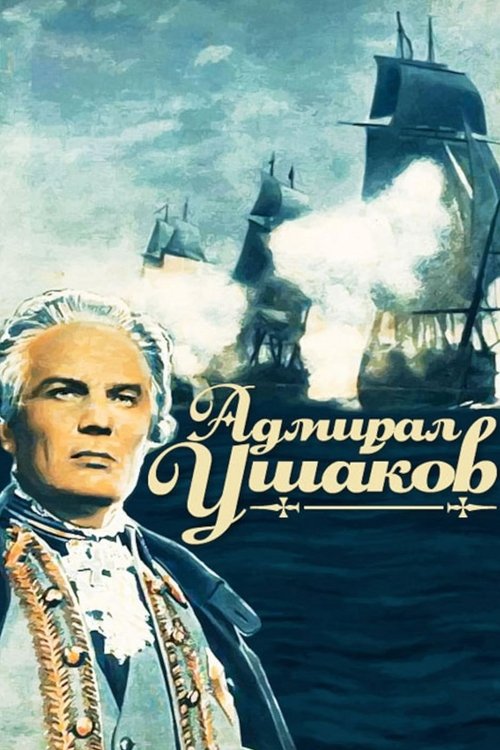
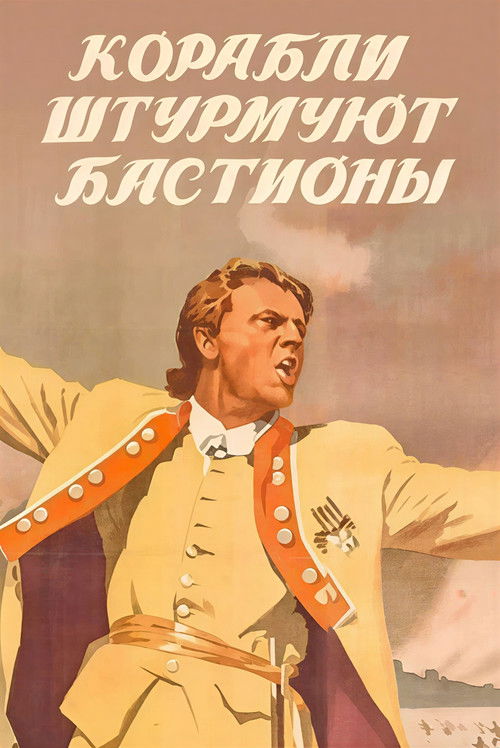
Historical epic about the legendary Russian naval commander of the 18th century, admiral Fyodor Ushakov, and his fight for Crimea during the Russo-Turkish War.
Admiral Ushakov

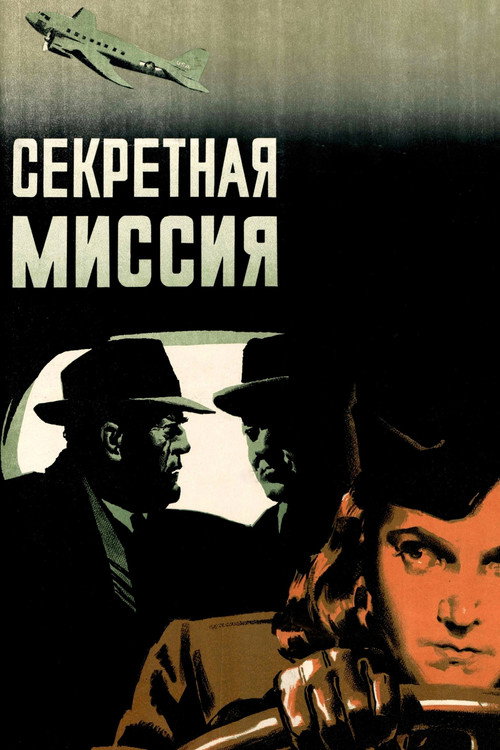
The Soviet intelligence officer Martha Shirke honorably fulfills the command mission, but the Nazis expose her.
Secret Mission

A Russian peasant woman is captured by Nazis and sold into slavery in Germany. Shown in Cannes in 1946.
Girl No. 217

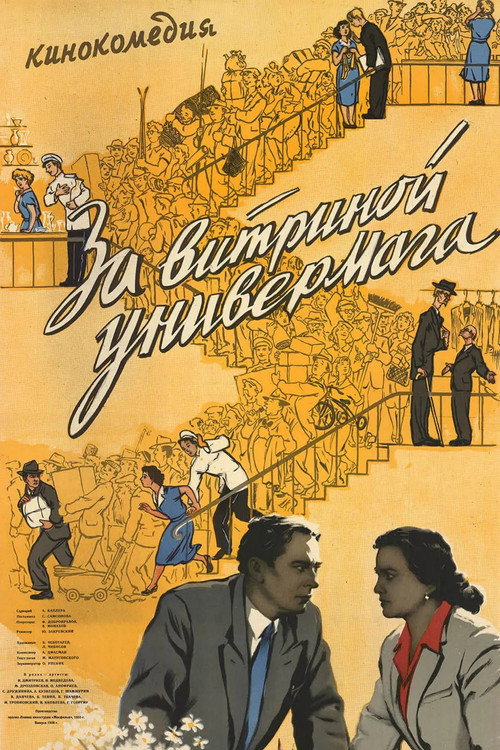
Based on the play of the same name by Leonid Leonov. The famous singer Ladygin, who has won success and fame, lives in a spacious apartment furnished with paintings and luxury goods. Suddenly, an old front-line friend, a prominent scientist Svekolkin, comes to Ladygin. Realizing that for Ladygin, ranks and titles are more valuable than human qualities, Svekolkin tells his friend that he works as a simple cashier. This leads to a number of misunderstandings and comic situations...
An Ordinary Man

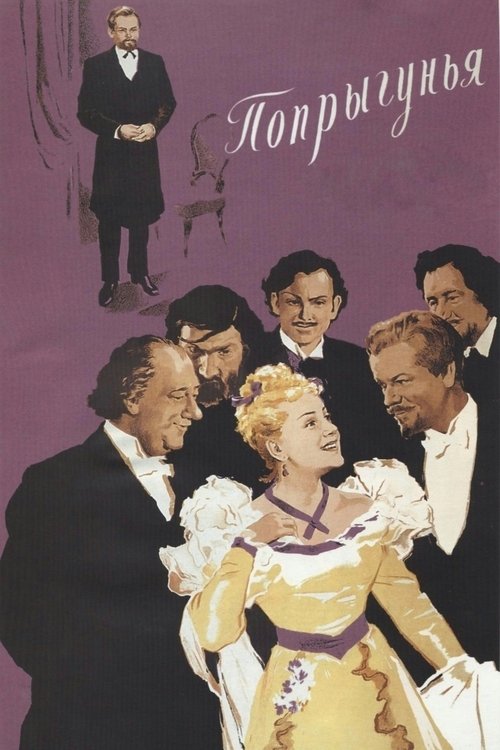
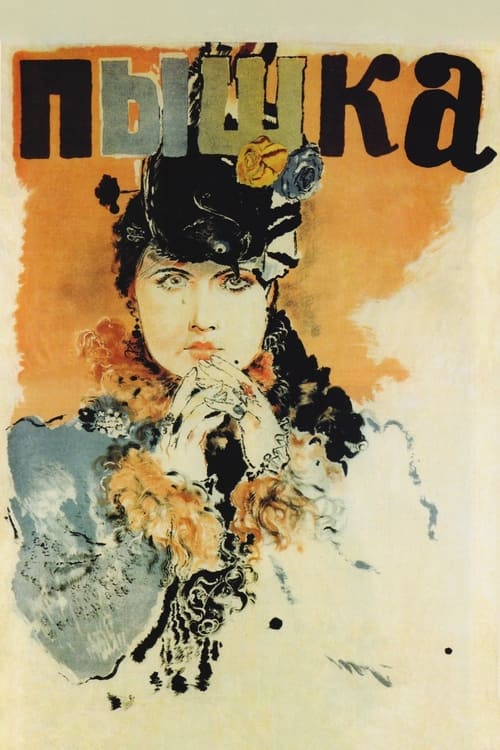
Osip Dymov, the titular counselor and the doctor of thirty one years, serves in two hospitals at the same time: intern and anatomist. From nine o'clock in the morning and in the forenoon accepts patients, then goes to open corpses. But its income is hardly enough for a covering of expenses of the wife mad about talents and celebrities in the art and artistic environment whom it daily accepts in the house.
The Grasshopper

A film adaptation of the short story of the same name by Guy de Maupassant. The action takes place in the XIX century. Franco-Prussian War of 1870. A group of French bourgeois leaves in a stagecoach from Rouen occupied by Prussian troops. Along with them comes one attractive demimonde lady. The only way to get out is to persuade her, nicknamed "Ball-of-Fat" a la "Boule-de-Suif" to satisfy the lust of the head of the gendarmerie...
Boule de Suif

Semyon Danilovich Petukhov was very surprised to found upon returning from vacation that he was declared dead and... buried.
A Groom from the Right Society

A movie almanac based on the stories of Vasily Aksenov: "Dad, fold it!", "Breakfasts of the forty-third year", "Halfway to the Moon".
Journey

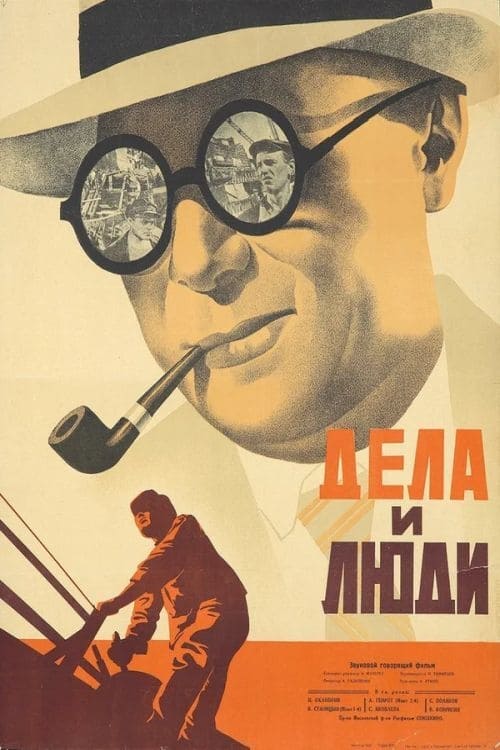
An American engineer, consulting on a Soviet construction project, inspires a backward and timid new foreman to learn better about his job, assert himself, solve problems and inspire his own men to bring the job in ahead of schedule.
Men and Jobs

Documentary portrait of Dziga Vertov, father of documentary cinema.
World Without a Game

The film is based on the play by K. Simonov. It is the story of an American journalist who spends time in Russia and sees socialism in action. Upon his return to the U.S., a prestigious editor asks him to write a book about his experience. He receives a handsome advance for the project and he and his fiancée are able to buy a house, a car, and other symbols of the American dream. But the editor’s generosity comes with a caveat: the book must present a negative picture of Soviet society. Will he simply keep the money and do what is expected of him, or will he instead tell the truth?
The Russian Question

Documentary made for the 60th anniversary of Soviet director Sergei Eisenstein.