Acting
The epic film is based on the motifs of Vilis Lācis' novel "The Zītari Family". The tragedy of the Zītari family is a model of Latvian national history. With the beginning of World War I, the patriarchal way of life of Captain Andrejs and his wife Alvīne, their children Kārlis, Ings, Ernests, Elza and Janka changes, with years spent at work and in rare, modest celebrations. Kārlis voluntarily goes to the front, Ingus disappears without a trace on long sea voyages. Not wanting to live in the territory occupied by the German army, the Zītari evacuate to the distant Altai region. The unusually difficult living conditions and the drastically changing political situation of the post-revolutionary period also affect each member of the Zītari family. When the opportunity arises to return to Latvia, Andrejs and Alvīne are no longer among the living. The old sailor's nest has collapsed and the young Zītari are no longer able to preserve their father's house - all the property is stolen.
The action of the film takes place in Latvia and spans the period from 1939 to the early 1970s. The events that occurred in the country had various effects on the fates of the characters. But throughout it all, love guided them — it scattered and gathered, made them suffer terribly, and made them the happiest people in the world...
Latvia, late 19th century. Farm-hand boy Jancis lives on a homestead with his mother, grandfather and grandmother. His world does not reach beyond the horizon, and life progresses according to the seasonal cycle – from winter through spring, summer and autumn to the next St. George's Day when farmhands often had to move to the next farm.
Latvia in the 1920s. The enterprising Edgars Ceplis establishes a company to produce bricks from Latvian clay for export. Many are involved in his project, hoping for the huge profits the venture promises. Ceplis soon becomes infatuated with his office typist Austra Zīle and starts neglecting the business...
In the Latvian countryside at the end of the 19th century, Jānis decides it is time to find a wife—but choosing the right one proves no easy task. Pretending to have gone deaf after listening to church bells from the bell tower, he visits the surrounding farms and overhears conversations never meant for his ears. While others reveal their true characters, only Ilze, the blacksmith’s sister, shows genuine concern and wonders how the unfortunate young man might be cured.
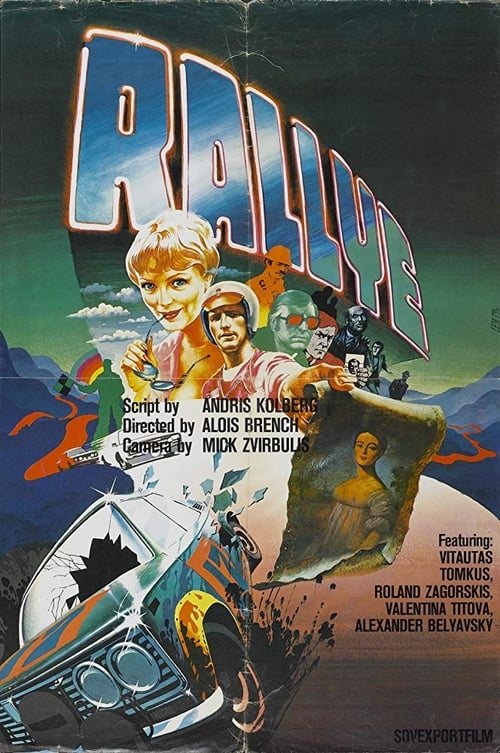
During an international rally two contestants find a hidden painting in the door of their car. In order to not get removed from the track riders do not report to their team management.
No description available.
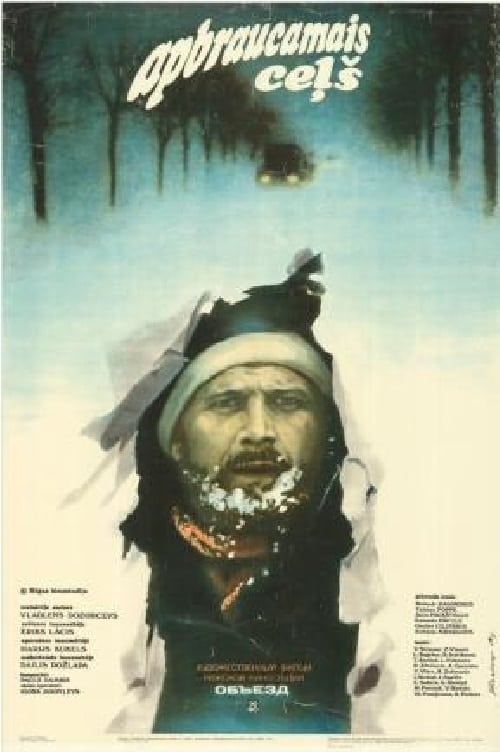
A group of people get cut off from the rest of the world during a snowstorm.
The colourful musical comedy Maritime Climates could have been a triumph of smart political satire – if people in positions of power hadn’t got worried by the rushes they saw, which lead them to terminate the production. In 1992, Rolands Kalniņš made this edit of the remaining material – an elegy to lost hopes and illusions.
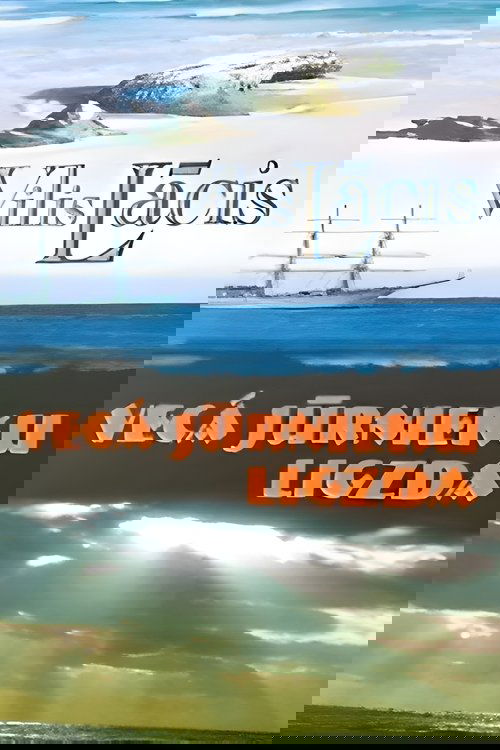
Teenagers of all different personalities have come to the maritime school to study, united by their love of the sea. First-year students, along with their instructors, must complete their training aboard the sailing ship "Kruzenštern."
At the beginning of the summer of 1905, representatives of the Socialist-Revolutionary Party Krasilnikov and Elkonen turned to Captain Zhanis Trautman, a Latvian political emigrant living on the outskirts of London, with a proposal to lead a steamer with a cargo of weapons to the shores of Russia. Having recruited a team of old and tried comrades, Trautman changes the crew of an English cargo ship bought by the front men. In the course of the squabble that arose on this occasion, a sailor of the old crew, David Blake, was stabbed. The wounded Blake and the veterinarian Gruber, who accompanied the cargo of anthrax drugs, are forced to leave on board. On the high seas, weapons and explosives were loaded on board. The steamer headed for the Oresund Strait, where a messenger was to meet him.
The events of the film take place in Latvia during the 1930s to the 1950s. Klinta, a young, poor, and naive villager, studies music in a nearby provincial Latvian town. Her meeting with the owner of a wealthy farm, Olavs, becomes fateful for the girl.
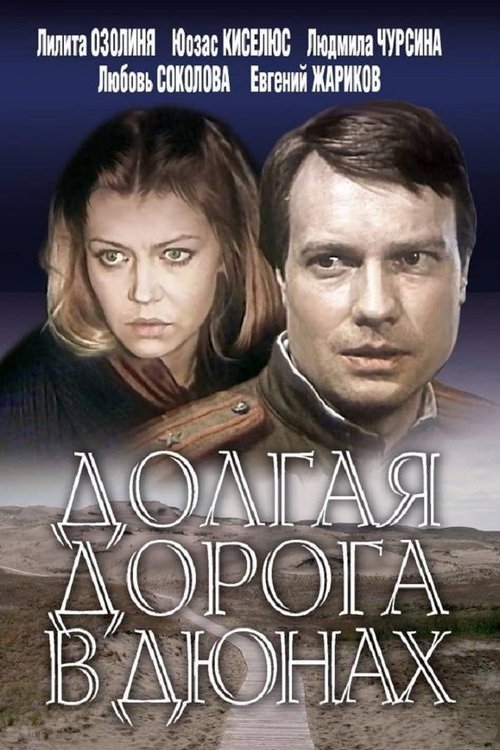
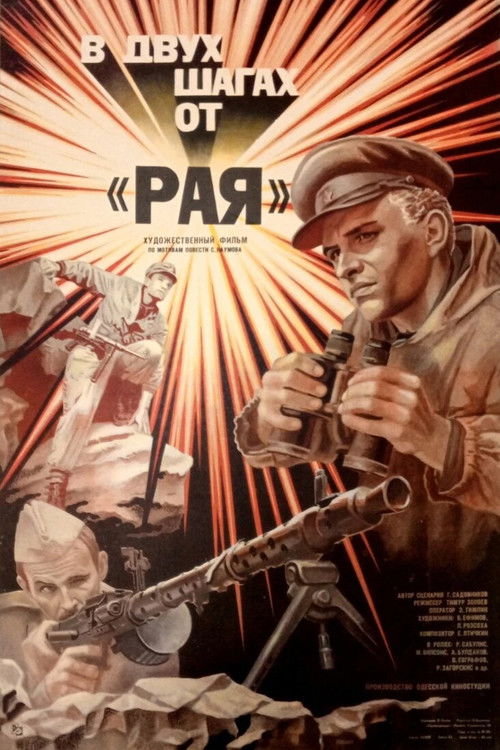
1944 year. Carpathians. Soviet intelligence officers were tasked with detecting and destroying a strategically important enemy object - a uranium ore warehouse, encoded by the nazis under the name "Paradise".
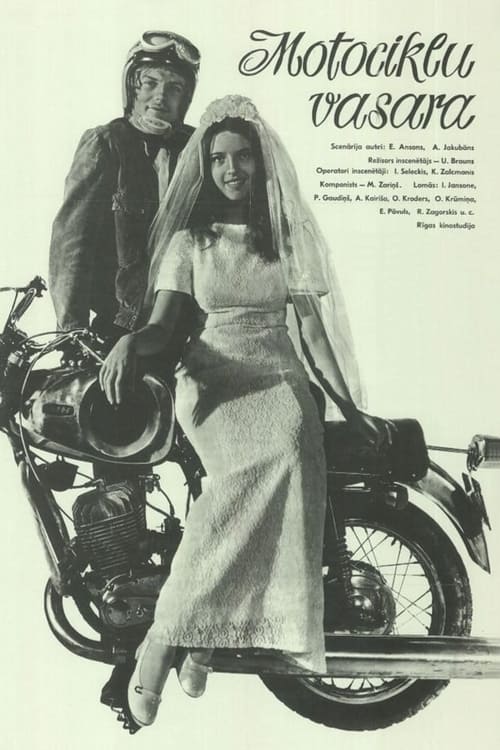
On his 18th birthday, Māris receives a motorcycle from his parents, and, while driving around with his friends, they pass a wedding car. The bride, Inese, is entering a loveless marriage, so she allows Māris to steal her from the wedding reception.