Writing
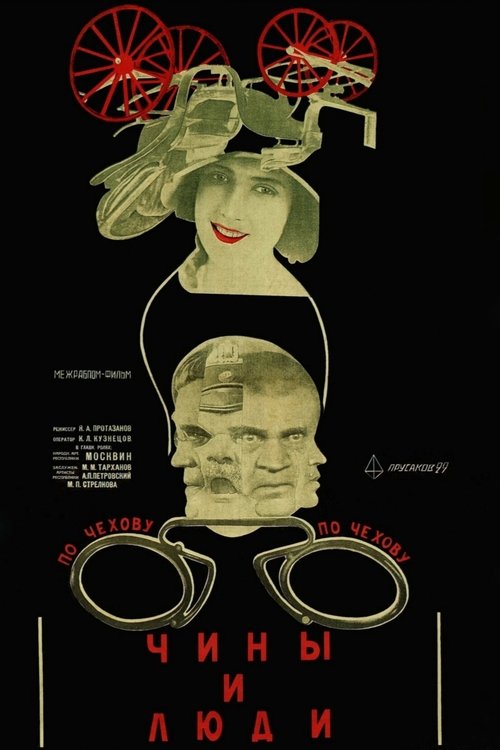
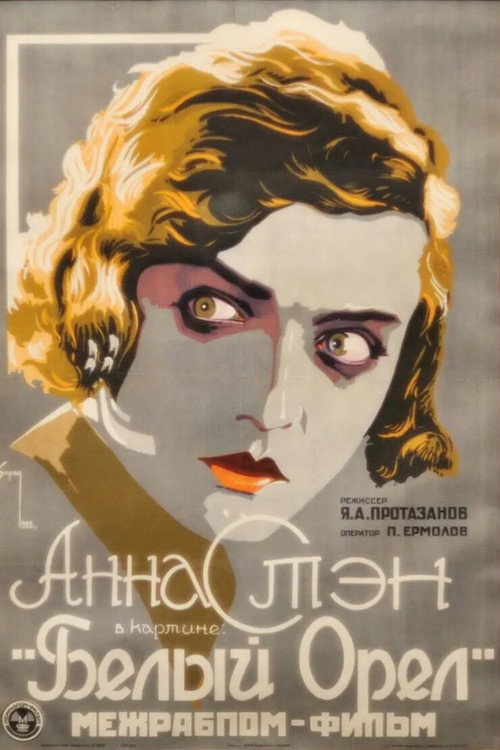
From his early silent works, the great Russian film director, Herr Yakov Protazanov, made literary adaptations from equally great Russian writers, as is the case with "Chiny I Lyudi" ( Ranks And People ) (1929) in which three short stories by Chekhov, "Anna On The Neck", "Death Of A Petty Official" and "Chameleon" were assembled for the silent screen.
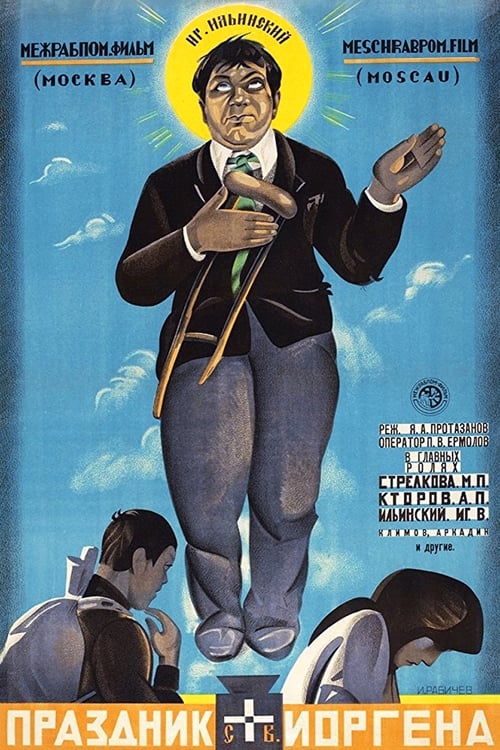
The priests, stock market officials, and police conspire to squeeze income out of pilgrims come to see relics of a Christ like figure. A pair of con men try to pass of a resurrected saint.
A Russian woman tells the tragic story of her life.
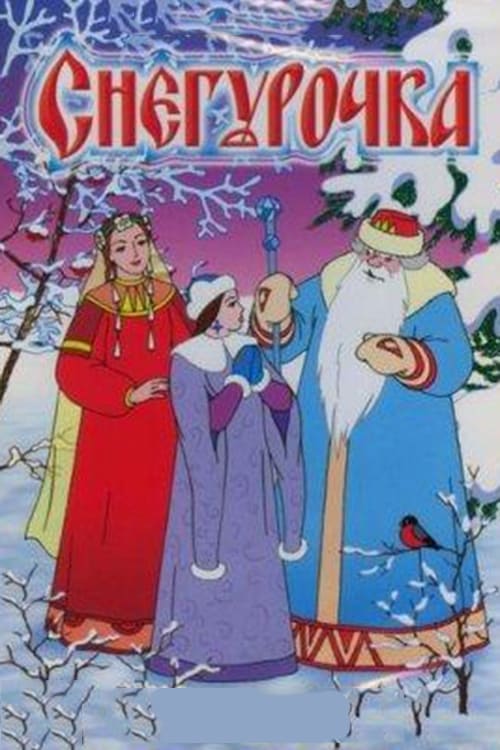
The tale about a girl with a cold heart who is dying in agony because of joy and love.
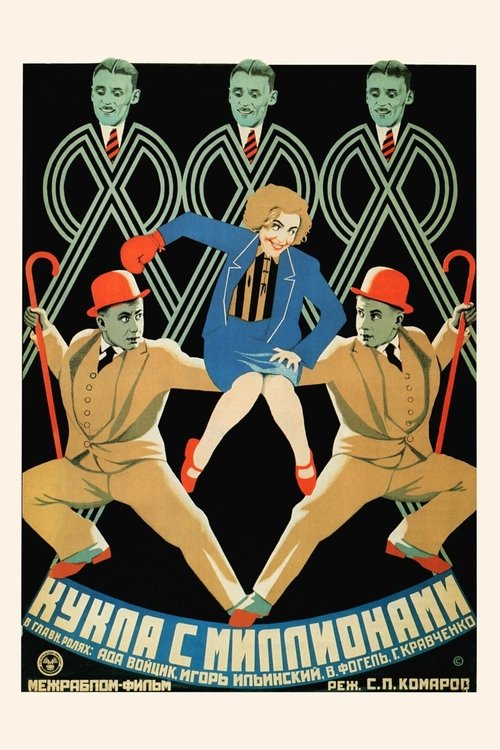
The rich widow Madame Collie leaves the fortune to her lost niece Maria Ivanova. Two cousins of Maria go from Paris to Moscow in order to search her. They have to find a 17 year old girl with the birthmark on her right shoulder. The documents of the heiress are hidden in her doll.
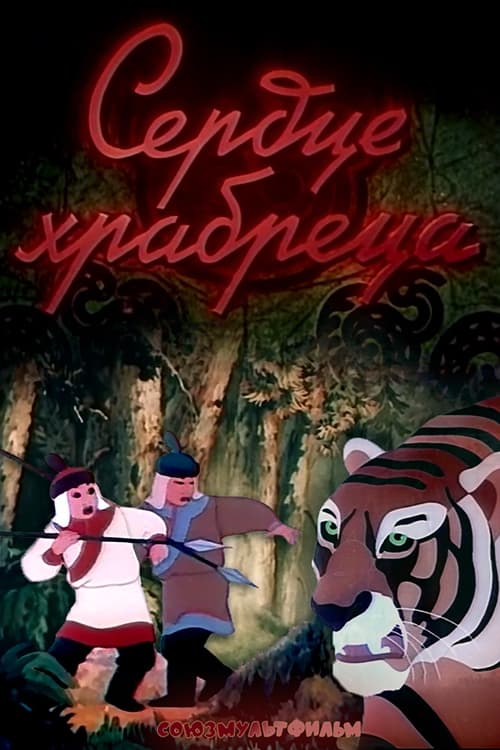
Indiga needs to overcome his fears in order to save his brother.
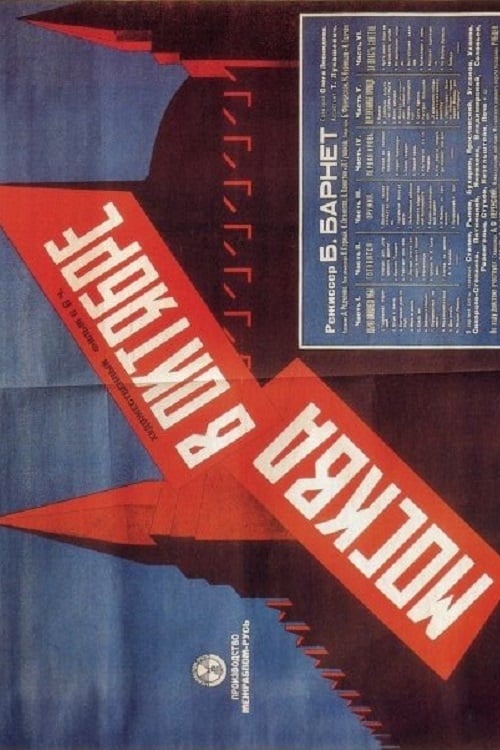
Staged scenes of life in all strata of the Russian population before the October Revolution. Restoration of the national economy after the Civil War. Construction of new factories: Rostselmash, the Stalingrad Tractor Factory, and the Magnitogorsk Metallurgical Plant. Kuznetskstroy. Creation of new state farms. Training of personnel for the national economy. Elimination of illiteracy among the population in all regions of the country. Development of the rationalization movement among workers. Physical culture and mass sports activities among the population.
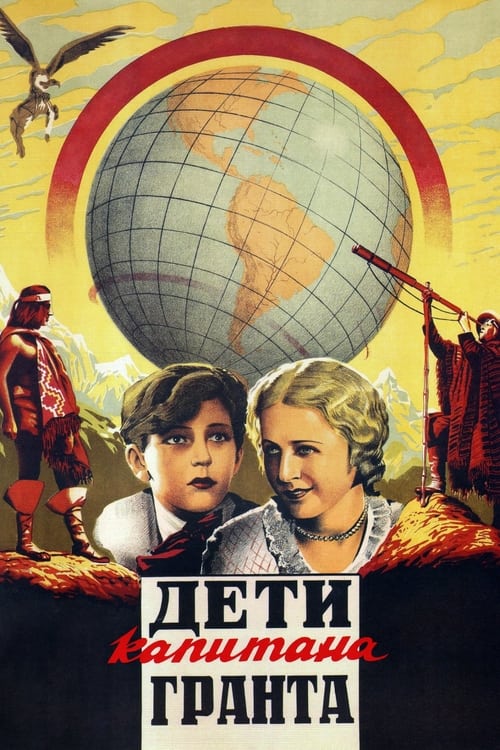
The son and daughter of a lost-at-sea captain recruit help to find him on the basis of an incomplete note found in a bottle, and encounter adventures in Patagonia, Australia, and New Zealand.
The First World War, the Russian-Austrian front in March 1917. Hungarian soldier Janos becomes acquainted with Bolshevik ideas and helps a Russian prisoner of war escape.
Educational film on why corporal punishment is unacceptable in children's upbringing and is a relic of the past.
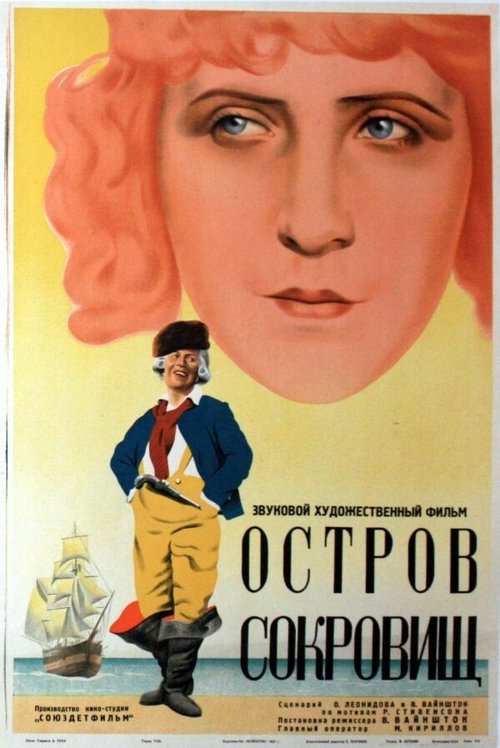
An adaptation of Robert Louis Stevenson's "Treasure Island" with drastic changes to the plot. A group of English rebels searches for pirate's treasures to buy weapons for the civil war.
Adapted from four different Russian folk-tales, this early Soviet fantasy film tells the story of Emelya the Fool, who, fishing one day, catches a talking pike who pleads for his life and in return grants Emelya wishes for a life spared.
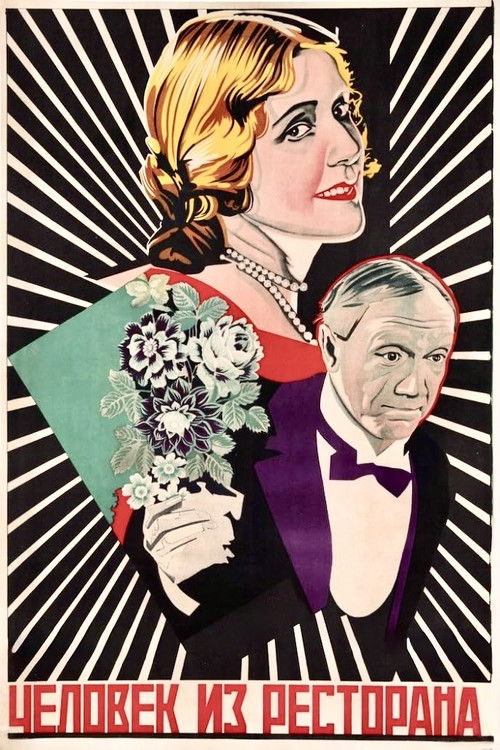
During the good old days of the Russian aristocracy, that is to say, before the October Revolution, in the city of Moscow there was a fancy restaurant which catered to the appetites and egos of the rich. In one such establishment works a middle-aged waiter who is devoted to serving his bourgeoisie clients correctly. However, his life outside his job is very different: His son was killed during the Russian civil war and the waiter's wife died of grief as a result....
The film is based on The Governor, a play by Leonid Andreyev. V.I. Kachalov plays the governor of a small Russian province who tries to treat the people under his authority with kindness and equanimity. But when a local factory goes on strike, the governor buckles under to pressure from the Tzar and orders the wholesale slaughter of the strikers. He pays for this betrayal of his trust with his life -- at the hands of a courageous Bolshevik spy.
October reflects a general attempt in Russia to sustain the frenzy and dynamism of revolutionary fervour. This attempt increased in scale and ambition as they pushed it further, resulting in the theatricalisation of life. In other words, the boundaries between real events and fabricated drama became blurred as the portrayal of life became more exaggerated. It is important to remember that the film does not represent what actually happened during the 1917 Revolution, but is rather an adaptation.
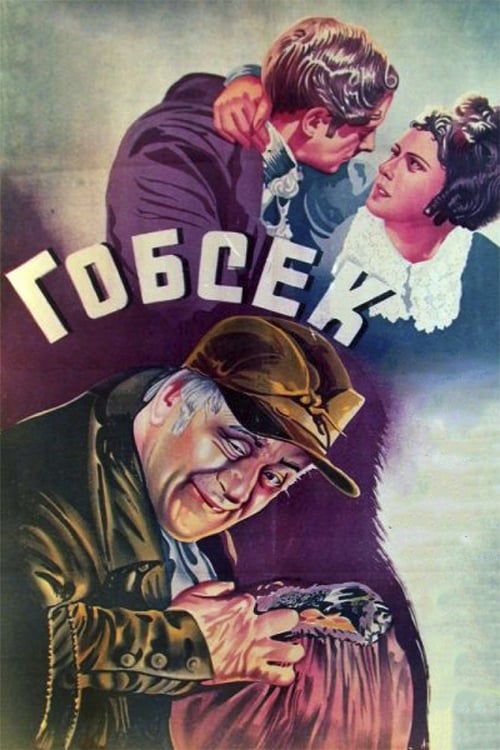
Early XIX century. Gloomy home lender Gobseck in a suburb of Paris — a silent witness of human tragedy and ruined lives. The power of money equalizes people of different classes and positions, forcing the usurer to ask humbly for a loan. But mountains of rotting goods, gold and silver scrap do not bring happiness to Gobseck. From his own greed he loses his mind and dies..