Modhu Bose
Directing
Known For

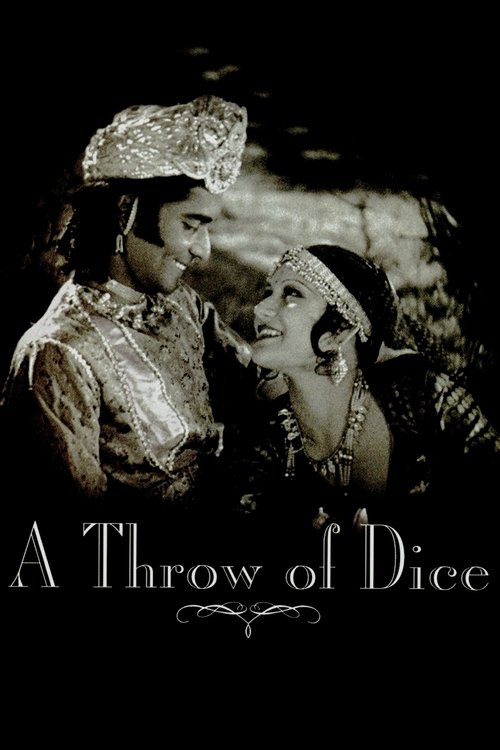
Two neighboring kings addicted to gambling, Ranjit and his cousin Sohat, vie for the same beautiful young woman, Sunita, daughter of the hermit Kanwa.
A Throw of Dice

Giribala explores the life of a neglected wife who finds liberation and success through the world of theatre. Based on a Rabindranath Tagore short story, the film follows Giribala as she navigates a loveless marriage and ultimately transforms her life by embracing her talents. A powerful story of female empowerment and societal critique.
Giribala

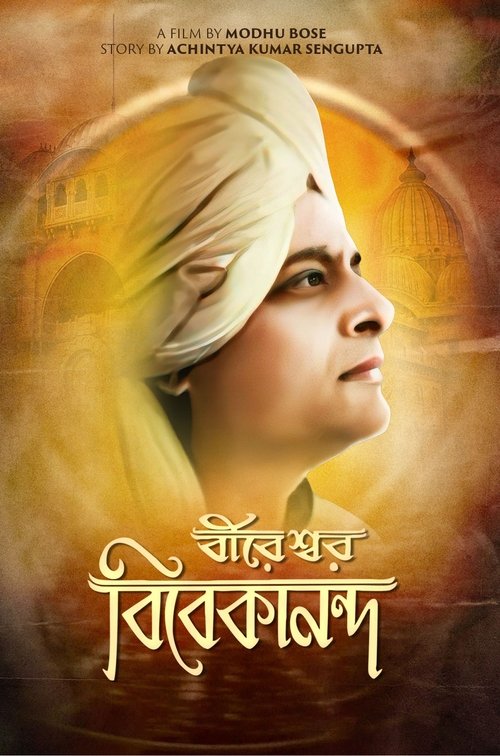
Bireswar Vivekananda is a 1964 Indian Bengali-language biographical film about the Indian Hindu religious leader, Swami Vivekananda.
Bireswar Vivekananda

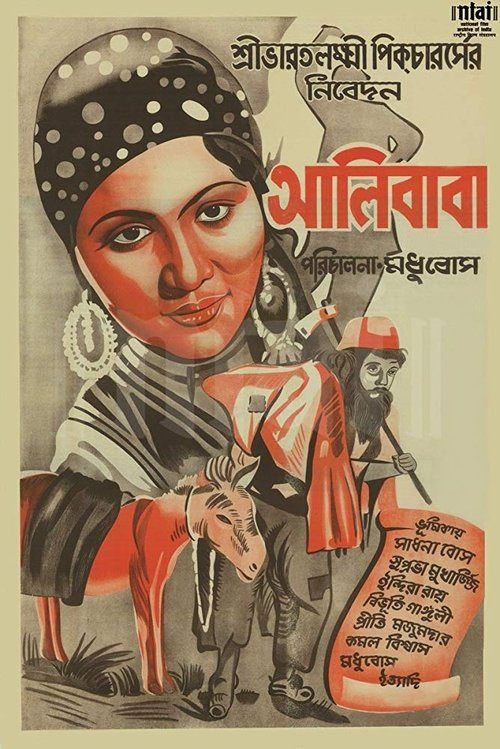
Based on the 'Arabian Nights', this film tells of the Baghdadi woodcutter Alibaba (M. Bose) and his magic 'Open Sesame' formula; of the hero's jealous brother Kasim and the slave girl Marjina (S. Bose). The film adapts the 1897 play, giving it a Hollywood-derived exotic flavour. An improvised 'modern' dance is inserted. The slow, mannered acting with the frontally framed tableau shots are enlivened by the dance scenes, especially the Marjina-Abdallah sequence.
Alibaba

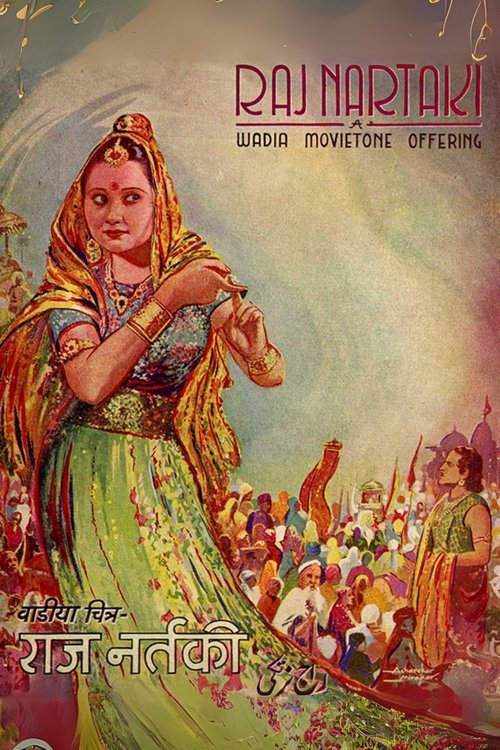
In Manipur, in the early years of the 19th century, graceful and enchanting court dancer Indrani has captured the heart of Prince Chandrakirti. However, Indrani is looked down upon because of her low social standing and turned away when she tries to enter the city temple. She seeks solace in a crumbling temple, where all are welcome. Meanwhile, Prince Chandra comes under pressure to marry the princess of a neighboring land and secure a peace treaty for his kingdom.
The Court Dancer: Raj Nartaki

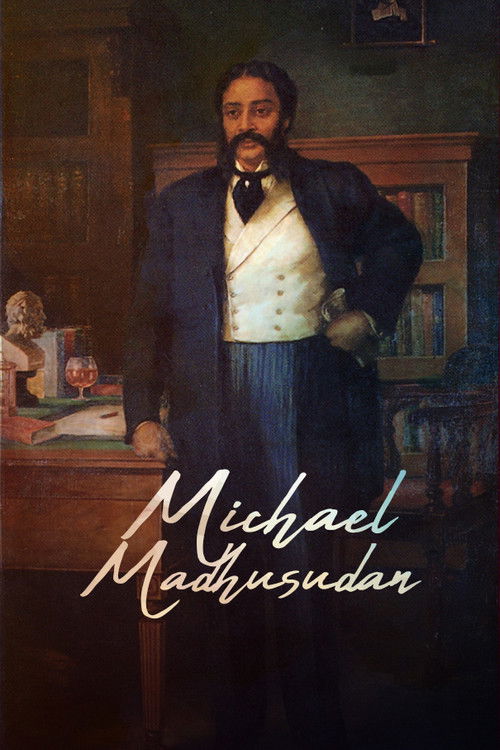
The life of renowned Bengali poet Michael Madhusudan Dutta.
Michael Madhusudhan

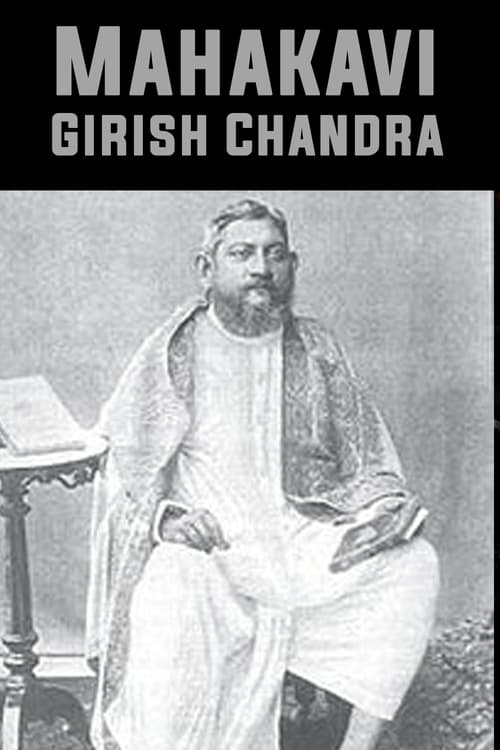
Mahakavi Girish Chandra is a 1957 movie by Modhu Bose
Mahakavi Girish Chandra

Living an indolent life in a luxurious palace, Prince Gautama (Rai) is insulated by his family from the harshness of the world outside. But he is destined to learn greater truths: shocked to discover the pain and suffering of so many in his kingdom, he abandons his privileged existence, and his wife Gopa (Seeta Devi), to become a wandering teacher, eventually finding enlightenment and founding Buddhism. Featuring superimposed images and deep-focus shots that were highly impressive for the time, Light of Asia astutely combines a deeply felt spirituality with the surefire attraction of Indian exotica, which helped make it a considerable success in Europe.
The Light of Asia

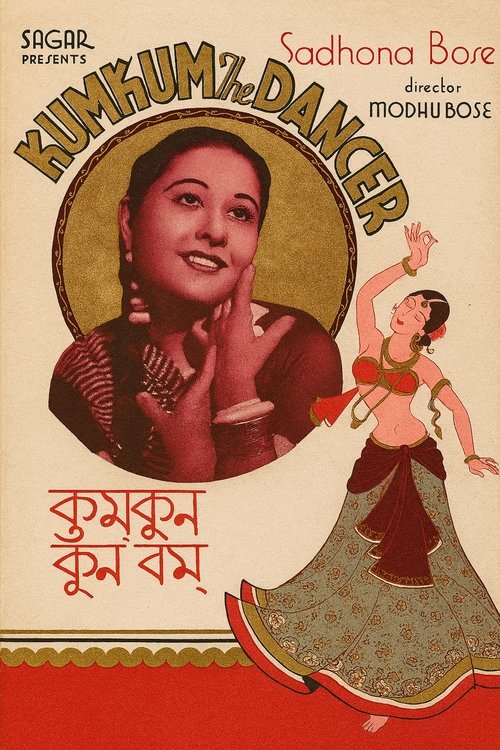
A dance film idealising poverty made mainly to showcase Bose's talents. Labour leader Suryashankar is jailed for trade union activities and, when released, finds that his friend Jagdish has stolen his property and plagiarised his play Bhookh (Hunger). To take revenge on behalf of the poor, Suryashankar's daughter Kumkum (Bose) marries Jagdish's son Chandan (Bhattacharya). Later she collaborates in staging a play meant to expose Jagdish's evil past. The film's publicity slogan was 'She robbed her husband to feed the poor!'
Kumkum the Dancer
Documentary short on musical instruments from India.