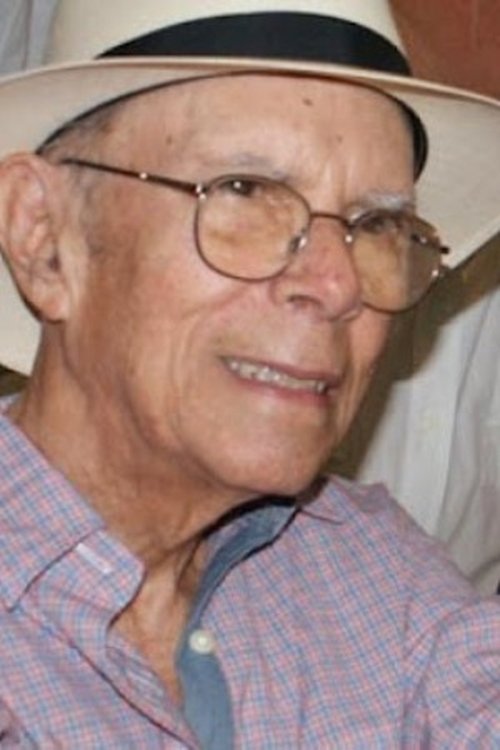
Julio García Espinosa
Directing
Biography
Julio García Espinosa was a Cuban film director and screenwriter. He directed fourteen films between 1955 and 1998. His 1967 film The Adventures of Juan Quin Quin was entered into the 5th Moscow International Film Festival.
Known For
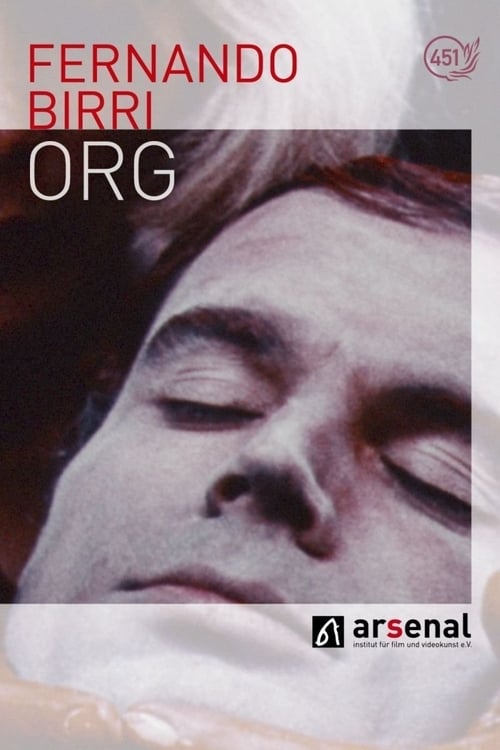
Explores the complex relationship between the spirit, body, and mind. The film is a nightmare with closed eyes because it counts among the most terrible moments of my life, my second exile, which lasted a very long time. Inspired by an ancient Hindu legend.
ORG
A commemoration of the 6th anniversary of the beginning of the Cuban revolution. 500,000 campesinos invited to celebrate the occasion pour into Havana.
Sexto aniversario

The chronicle of the political tension in Chile in 1973 and of the violent counter revolution against the democratically elected government of Salvador Allende.
The Battle of Chile: Part I

Traces episodes in the lives of three Cuban women, each named Lucía, from three different historical periods: the 1890s, the 1930s, and the 1960s.
Lucía
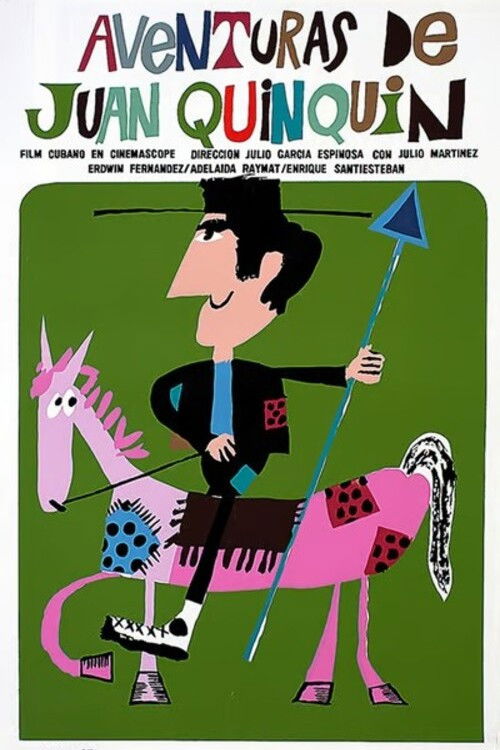
The adventures, fortunes and misfortunes of resourceful peasant Juan Quin Quin - in turns bullfighter, guerrilla fighter and sacristan - who never resigns himself to his fate. Set against the backdrop of 1950s Cuba and steeped in the island's countryside traditions, this comedy is considered the first successful Cuban experimental film.
The Adventures of Juan Quin Quin
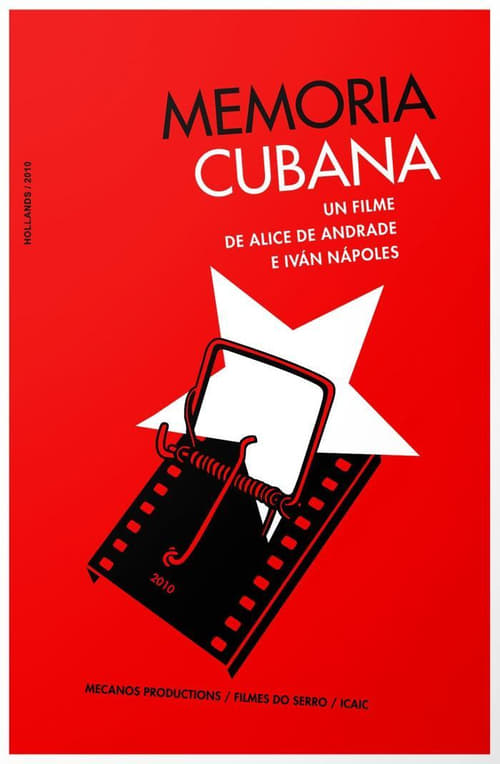
Through the files of Cuban cinema news program Noticieros ICAIC Latinoamericanos, the documentary shows the most relevant events of the second half of the 20th century as seen by the documentary filmmakers of the island. During three decades and under the general direction of Santiago Álvarez, these moviemakers witnessed almost everything: from the shivers of the Cold War to Bola de Nieve's piano solos; from the discovery of the killing fields in Cambodia to the Carnation Revolution in Portugal. In 2009, the original negatives of Noticieros ICAIC Latinoamericanos were declared part of the "world memory" by UNESCO.
Memória Cubana

Chronicles the events immediately surrounding the CIA- supported coup itself.
The Battle of Chile: Part II
A look at the life and work of Cuban filmmaker Tomas Gutierrez Alea.
Titón: From Havana to Guantanamera, 1928-1996
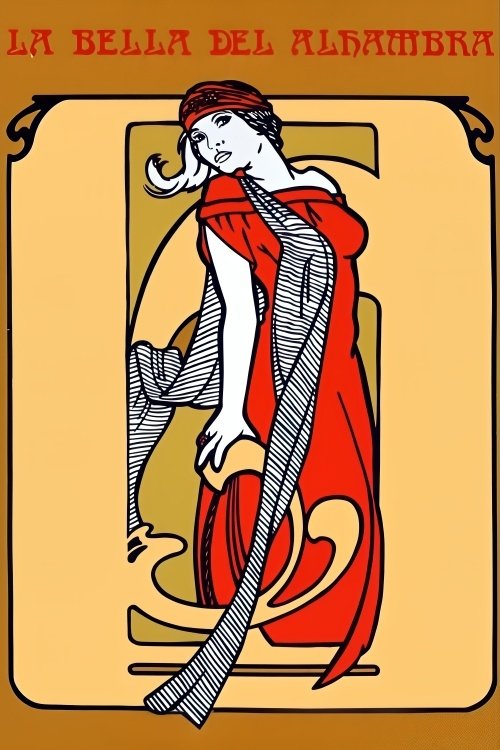
In 1920s Havana, Rachel is a showgirl who longs to become a headliner at the incredibly popular Alhambra theater. On her way to attain that, she loses the love of her life and falls into the clutches of a passion that nearly destroys her career.
La bella del Alhambra
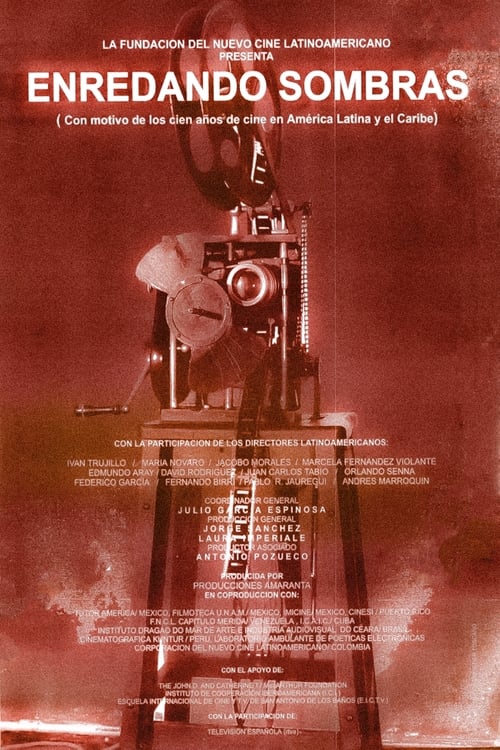
Documentary that celebrates 100 years of cinema in Latin America and talks about the origins and the development of cinema in this subcontinent. Its structure is based in 12 short films directed by various Latin American directors. These are: 1) "Los inicios", Iván Trujillo 2) "Cuando comenzamos a hablar", María Novaro 3) "Jugando en serio", Jacobo Morales 4) "De cuerpo presente [Las espirales perpetuas del placer y el poder] Cine Mexicano [1931- 1997]", Marcela Fernández Violante 5) "Cuando quisimos ser adultos", Edmundo Aray and David Rodríguez 6) "Cinema Novo", Orlando Senna 7) "Memorias de una isla, Juan Carlos Tabío 8) "Un grito, 24 cuadros por segundo", Julio García-Espinosa 9) "El día de la independencia", Federico García 10) "¿Sólo las formas permanecen?", Fernando Birri and Pablo Rodríguez Gauregui 11) "Todo final es un principio", Andrés Marriquín.
Entangling Shadows
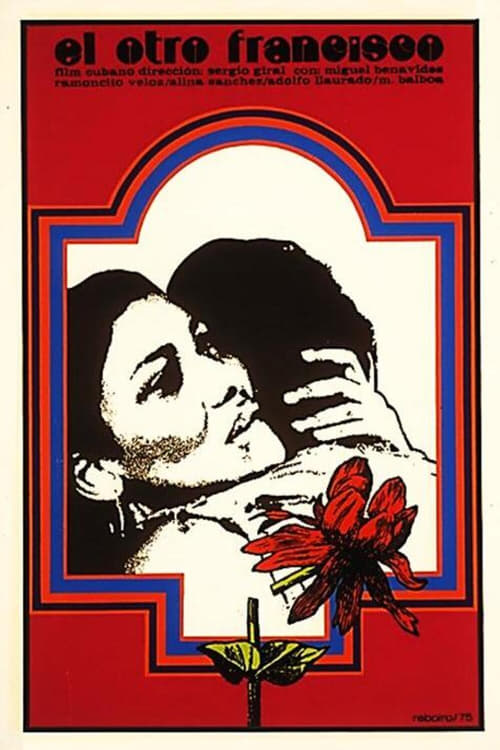
Based on the novel Francisco by Anselmo Suárez y Romero, "The Other Francisco" is a socio-economic analysis of slavery and class struggle through the retelling of the original novel. The film contrasts the romantic conceptions of plantation life found in Suárez Romero's novel with a realistic expose of the actual historical conditions of slavery throughout the Americas. It offers a critical analysis of the novel, showing how the author's social background led to his use of particular dramatic structures to convey his liberal, humanitarian viewpoint.
The Other Francisco
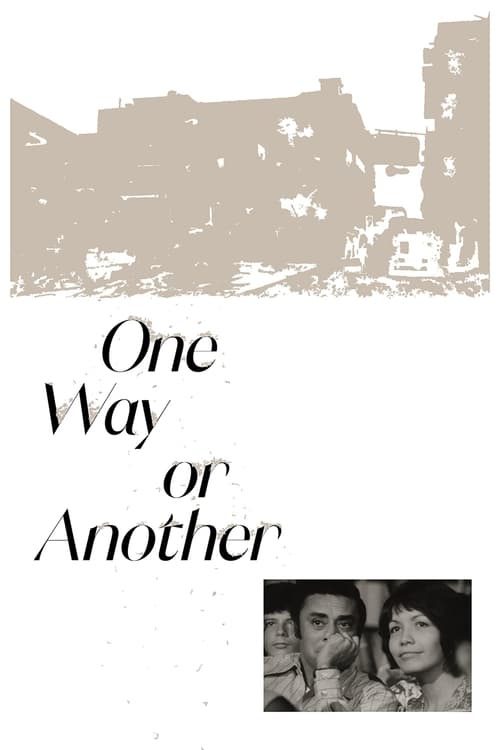
In Miraflores, Cuba, the growing romance between Mario, a factory worker, and Yolanda, a schoolteacher, throws into relief the differences in their perspectives and values in Revolutionary Cuba.
One Way or Another
Documentary in four parts on Latin American cinema. Fourth episode: in Cuba, the ICAIC, created in the aftermath of the Castro revolution, is at once a film school, a production company and a state cultural branch. Cuban filmmakers testify to the situation and themes specific to their national cinema.
Claves, 4: Memories of Cuban cinema
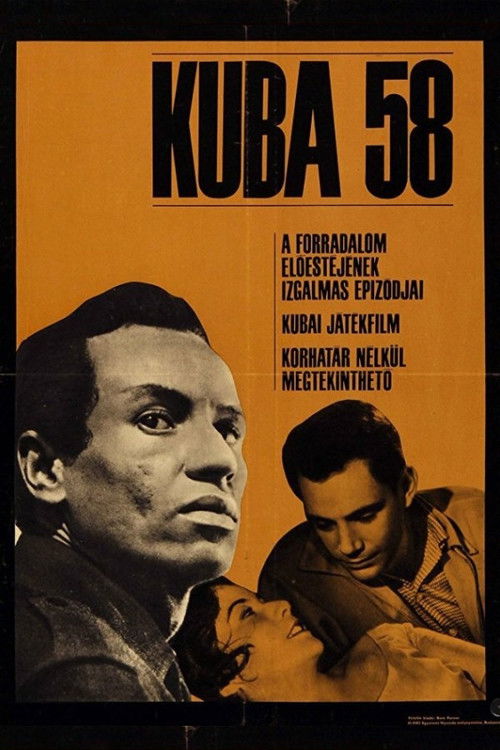
Three stories reconstructing the start of the triumphant Cuban revolution which deposed Batista.
Cuba '58
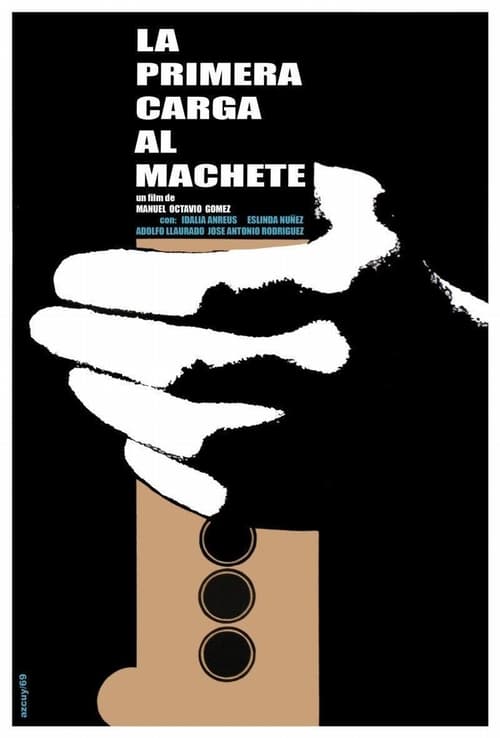
Cuban peasants wield machetes in a violent uprising against Spanish authorities in the late 19th century.
The First Charge of the Machete
Documentary that portrays the life of a coal-mining town south of Havana, around 1955, prior to the triumph of the revolution.
El mégano
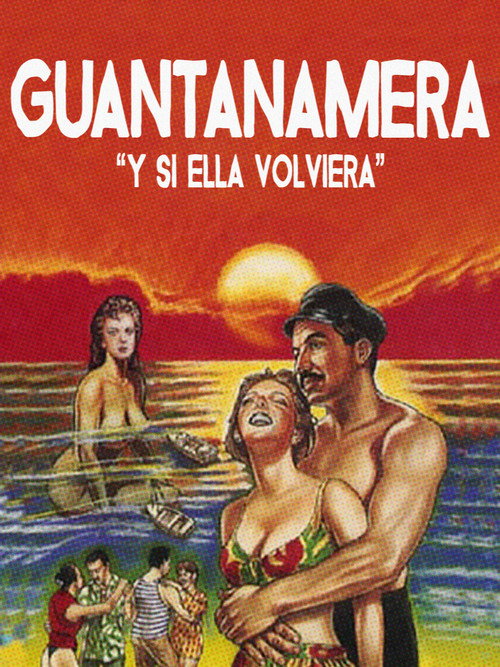
Sonia, a school teacher, is excited about her new post in the Cuban beach town of Caibarien since her childhood friend Guillermo lives there. However she finds Guillermo a tormented soul and evil lurks in town.
Y si ella volviera (Guantanamera)
No description available.
La sexta parte del mundo
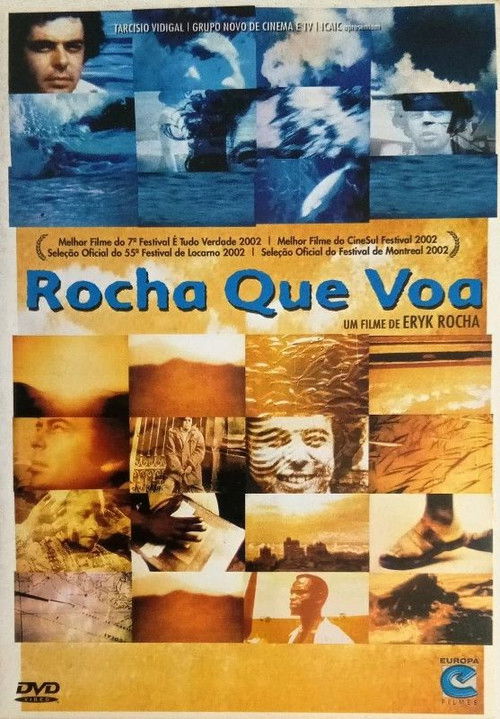
Documentary about the relationship between filmmaker Glauber Rocha and Cuba.
Rocha Que Voa
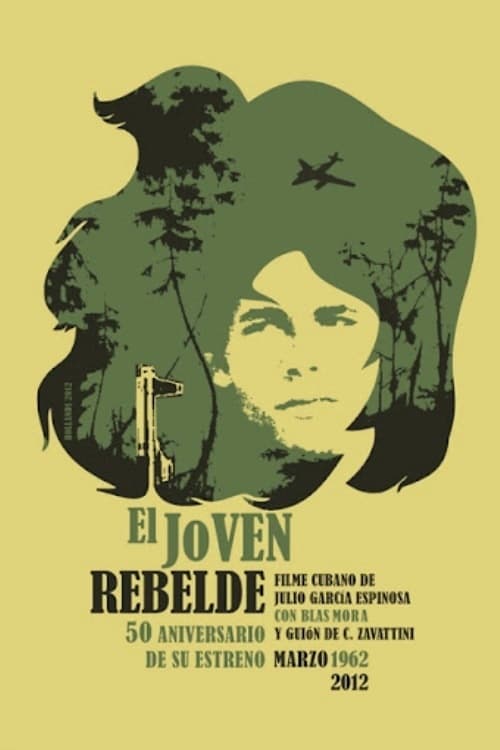
Pedro is a young peasant who leaves home to join the Rebel Army, based in Sierra Maestra.