Acting
No description available.
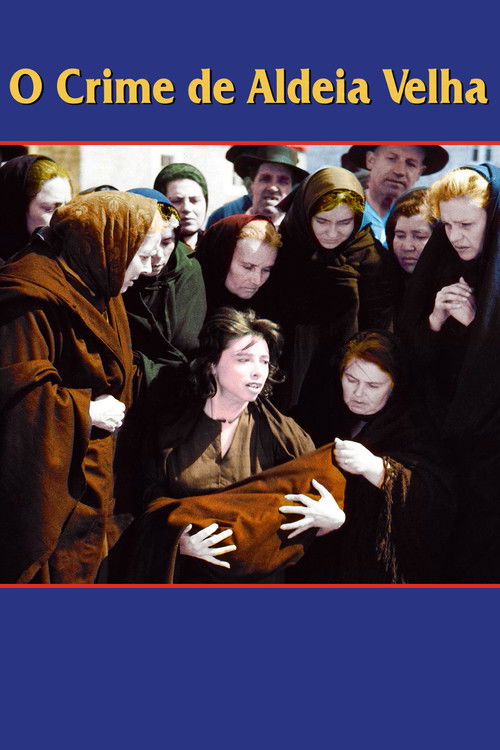
Joana lives in a small and remote village where people are very primitive and religious. When accidents start happening that involves her, people slowly start believing that she is possessed by the devil.
Director Jorge Silva Melo has developed a viable, though highly intellectual mystery story about the world of art and culture and murder in this somewhat theatrical presentation. When German artist Bernd Hoffmann (Michael König) arrives in Lisbon to oversee the installation of his paintings in a joint exhibition with another Berlin artist, Hanna Brauer (Charlotte Schwab), Hanna never shows up. Hoffmann is puzzled because he is certain he saw a video sequence with Hanna at the exhibition, and he begins to look for her. Another Lisbon cultural center, a theater, is also having problems that may or may not be related -- and the mystery deepens when Hanna is found dead, either by her own hand, or murdered.
It’s been a year since we were together. A year since you left me, or I left you. What does it matter? And suddenly here you are in front of me, smiling, radiant, pregnant. And there’s me, who thought he was cured of you.
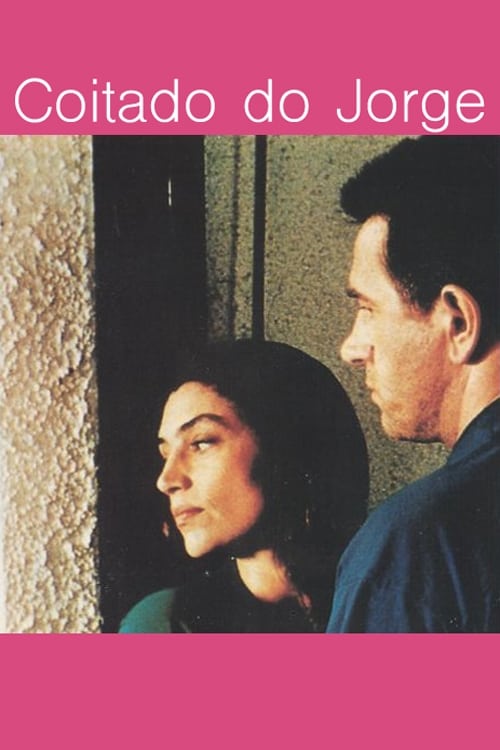
One night Jorge will meet with a Japanese industrialist, who will allow him to abandon his teaching position and resume his chemical work. However, when he gets home he finds a person there.
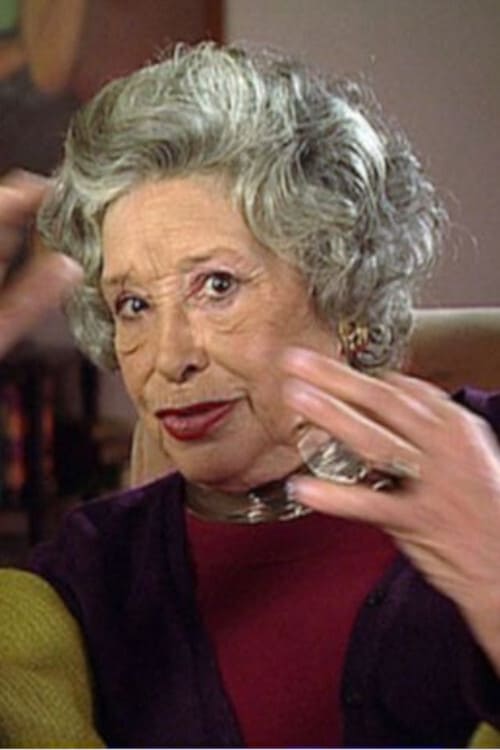
A documentary about the actress Glicínia Quartin on her 80th birthday. Her family, the anarcho-syndicalism, readings at his parents' house, prisons, experimental theaters, surrealists, the encounter with José Ernesto de Sousa on the unfolding of Cinema Novo with “Dom Roberto”, Italy, fantasy, Beckett, Genet, Vitor Garcia, the encounter with Luís Miguel Cintra - a life in motion.
A boy in Lisbon, in this Lisbon in permanent renovation.
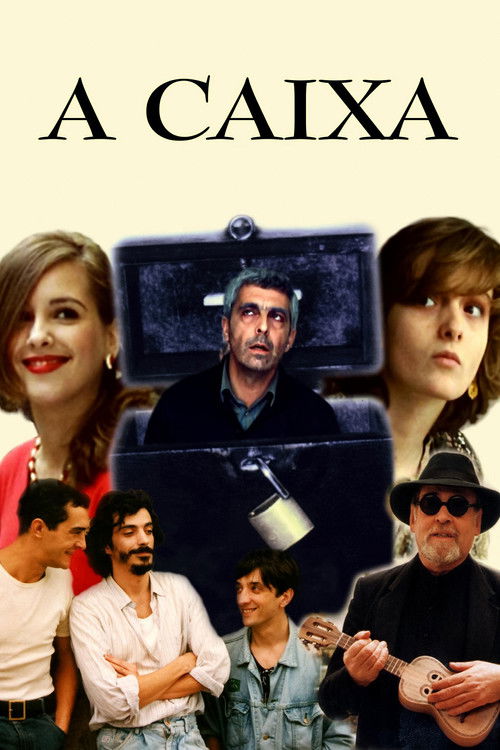
A blind beggar is robbed of his chest of money. The theft leads to a dramatic situation in the street where he begs every day.
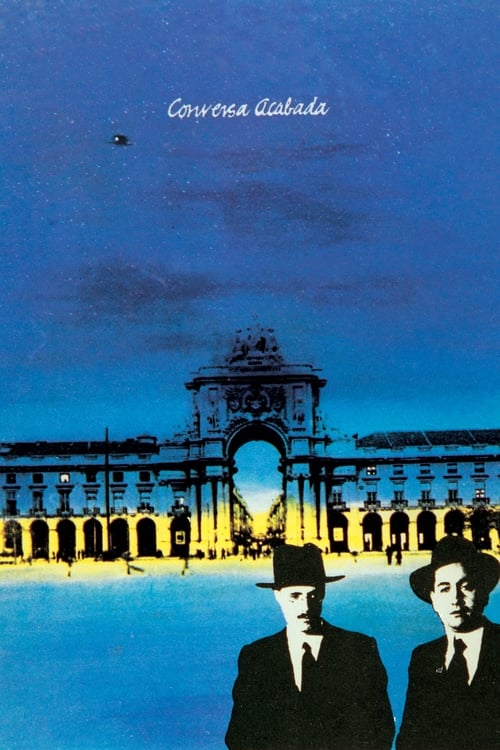
The film was to be a documentary, but evolved during production to a fictional film. It nevertheless adheres strictly to the poems and letters exchanged by two of the most outstanding names of the Modernist Movement, Fernando Pessoa (in Lisbon) and Mário de Sá-Carneiro (in Paris). Their endless conversation was dramatically and suddenly terminated.
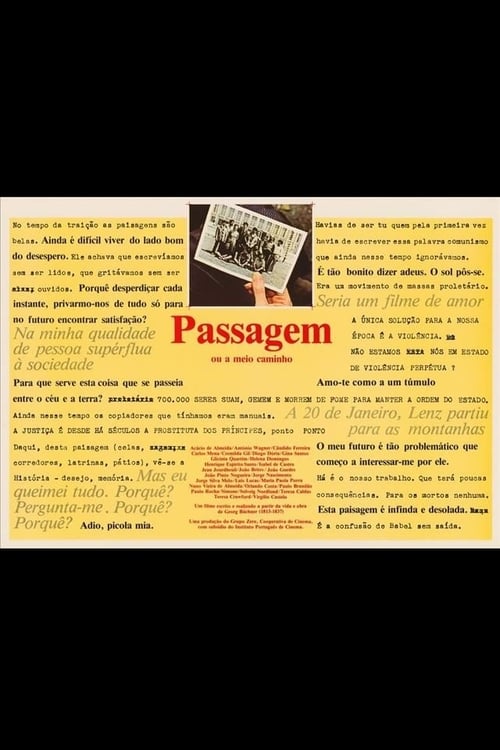
Ambulatory history, freely inspired by Georg Büchner's biography (1813-37) and the reasons that led him first to political intervention and then to strict isolation. With students of unidentified present time (1968? 1970?), the themes developed, in Büchner, are triggered by the publication of "The Messenger of Hesse", a pamphlet addressed to the peasants, urging them to revolt. Their misunderstanding, as well as the repression of the young revolutionaries, leads Büchner to a particularly skeptical and painful attitude...
A woman gets into a fight with her boyfriend, concerning her lack of humanism. Leaving him abruptly at the Santa Apolónia Station, she strikes a conversation with an interesting homeless man whom she decides to take home to just to show her boyfriend that she cares.
Catalyst in the story of crossed paths is a 1957 Ford Fairlane being driven through Portugal’s Alentejo region to a new owner. Film’s overly protracted opening has car’s drivers (Filipe Cochofel, Antonio Pedro Figueiredo) joy riding the night away until the roadster breaks down. Momentum picks up at sunrise with their attempts to fix the car. A retired mechanic-turned-beekeeper with a heart condition (Canto e Castro) does the trick and convinces Figueiredo to take him cross-country on a motorbike to look up an old friend. Cochofel and the mechanic’s alarmed niece (Maysa Marta) follow in pursuit. The old man dies peacefully on the road, but Figueiredo, having wholeheartedly grasped his deliverance mission, keeps going.
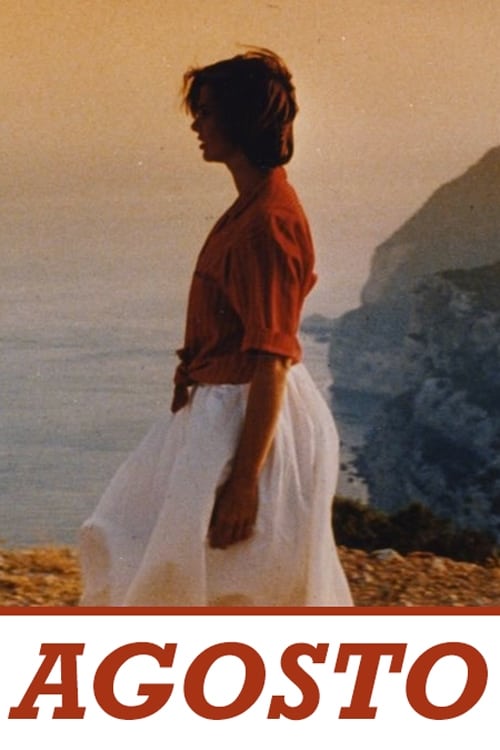
Summer of 1964. The professor Carlos and the couple Dário and Alda spend time together in the beach during vacations. Away from the colonial war, everything seems lost in time.
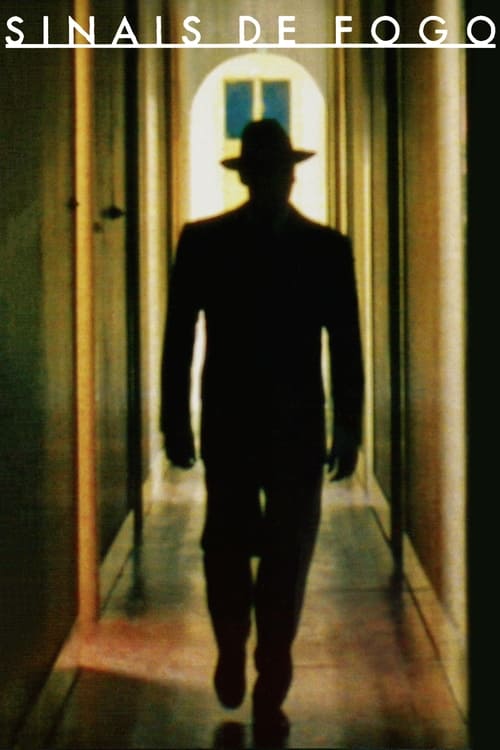
The film presents us with a reflection on the Spanish Civil War in the Portuguese society, At a time when Salazar ruled.
Short film.
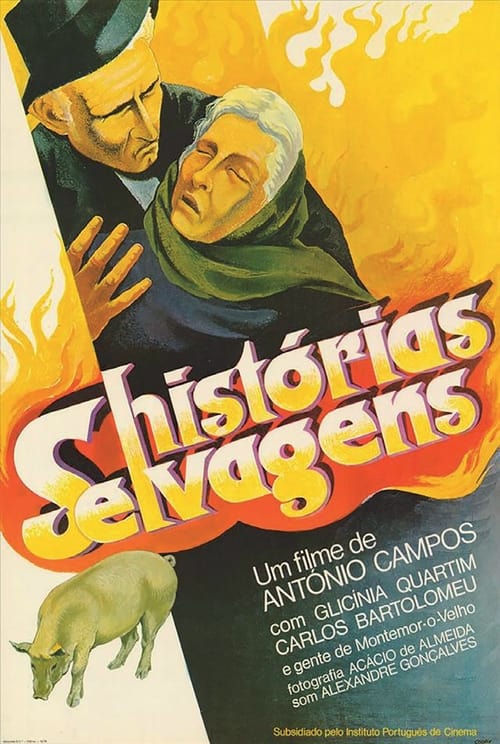
An adaptation of two short stories by Passos Coelho, essentially shot in a valley that is a territory threatened by floods, the film is a cinematographic chronicle of the rural worker in the area of Montemor-o-Velho.