Manuel Guimarães
Directing
Biography
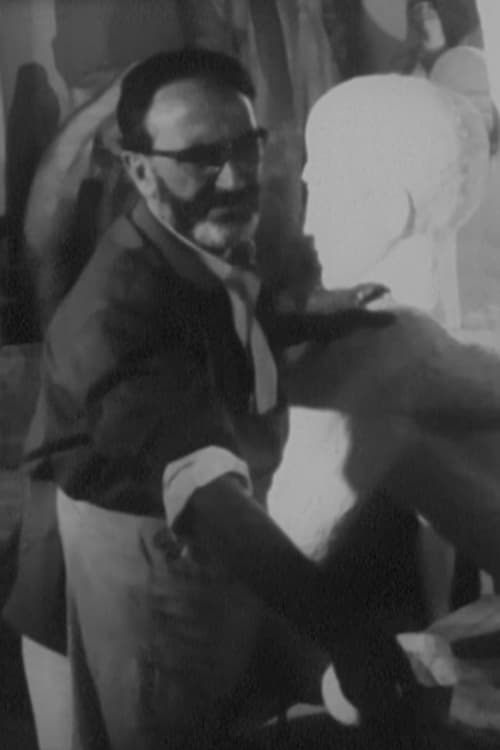
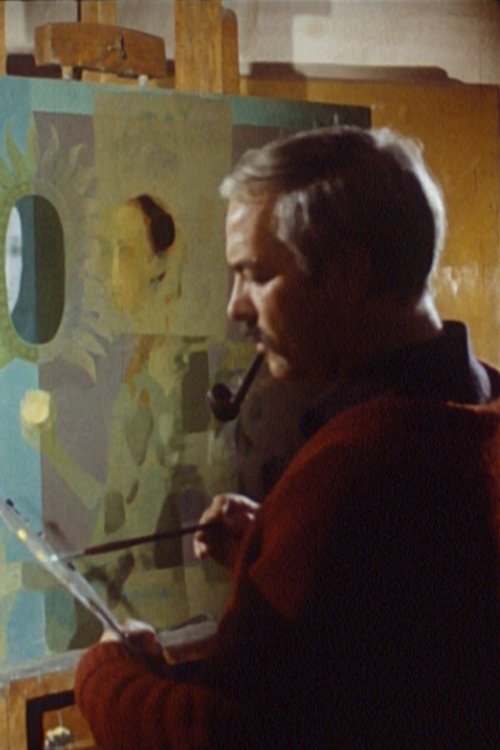
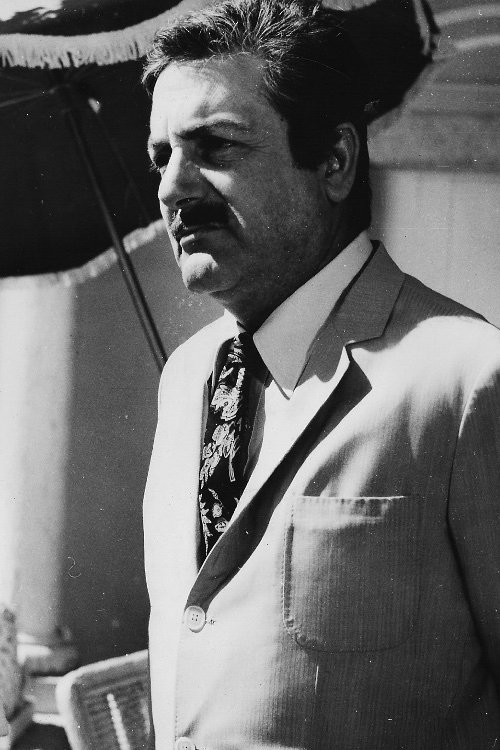
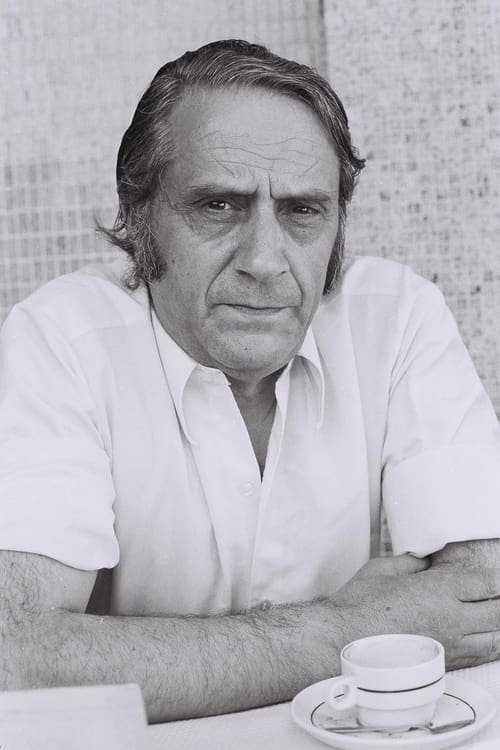
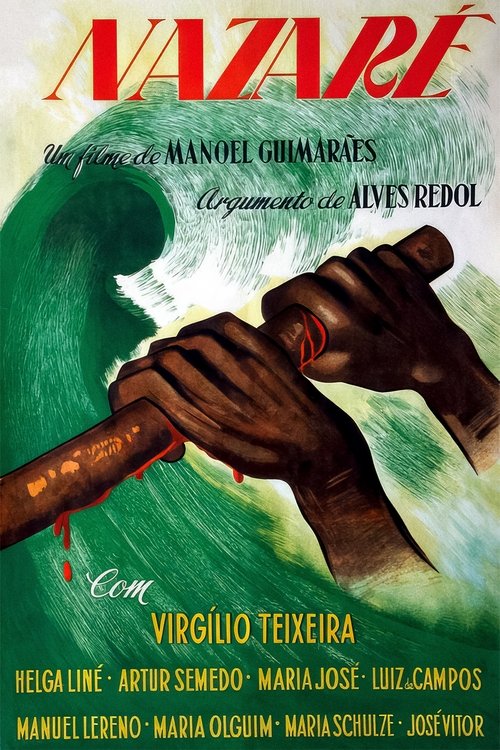
Manuel Guimarães (1915–1975) was a Portuguese filmmaker. In 1931, Guimarães studied painting in the School of Fine Arts in Oporto. He started to work in 1936 as a theater scenographer, illustrator and cartoonist, as well as a film poster designer. He became interested in cinematic art, and started out as assistant of directors as Manoel de Oliveira, António Lopes Ribeiro, Jorge Brum do Canto, Arthur Duarte and Armando de Miranda. In 1949, he directed the short documentary O Desterrado, a film about the life and craft of the Portuguese sculptor Soares dos Reis. Saltimbancos as his first feature-film, which is an adaptation of the novel Circo (Circus) of the writer Leão Penedo. The plot is centered on the life of a small travelling circus. Meanwhile, Guimarães worked in advertising in Metro Goldwyn-Mayer. In 1952, Manuel Guimarães directed Nazaré, whose script was written by the neo-realist writer Alves Redol, portraying the life of the fishermen from Nazaré. The film had several cuts caused by censorship. Vidas Sem Rumo (1956), script by Manuel Guimarães and dialogues by Alves Redol, suffered even worse cuts: about half of the film was cut and entire scenes were removed, becoming an almost unintelligible film. Being constantly attacked by the regime, Guimarães opted to direct more commercial movies about sport events, since 1956. In his attempt to return to fiction, (A Costureirinha da Sé – 1958) Manuel had to accept product placement in the film. His next works were essentially documentaries promoting Portuguese towns and products. António da Cunha Telles, who meanwhile began to produce the first films of the Portuguese Cinema Novo (New Cinema), became interested in him and accepted to do an executive production and co-production of two of his next films: O Crime da Aldeia Velha (1964), an adaptation of a Bernardo Santareno play and O trigo e o Joio (1965) based in the book with the same name, by Fernando Namora, who wrote the script as well. However, the public preferred a different kind of cinema, more entertaining, and Guimarães turn again to art documentary. Manuel Guimarães had some periods where he returned to illustration and graphic works in newspapers and other publications and continued painting, specially in the end of his life, but without any public expression. The 25 de Abril brought him hope, but it was too late. Ill, Manuel Guimarães couldn't end his last film, Cântico Final, adapted from the novel with the same name wrote by Virgílio Ferreira. The film was ended by his son, Dórdio Guimarães.
Known For

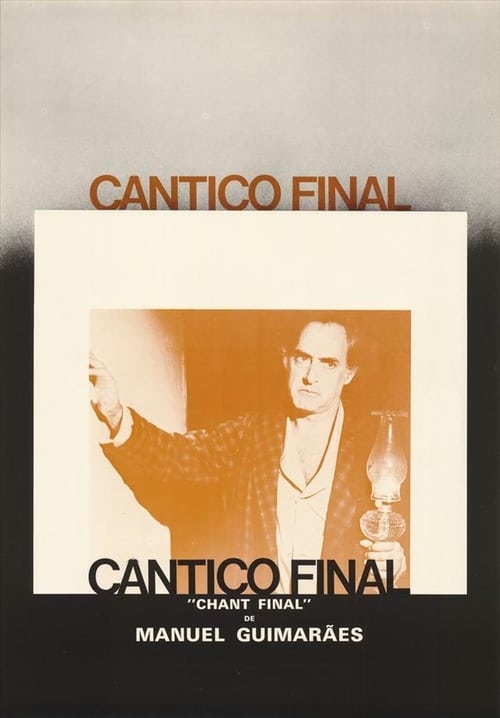
Mário Gonçalves, a high school teacher threatened with death due to cancer, spends the last days of his life in the village where he was born, in the heart of Serra da Estrela. There, he expresses his talent as a painter in the intimate decoration of an abandoned chapel. This is also the twilight hour of rebellious memories: love and precariousness, choices and contingency, perennial dissatisfaction...
Cântico Final

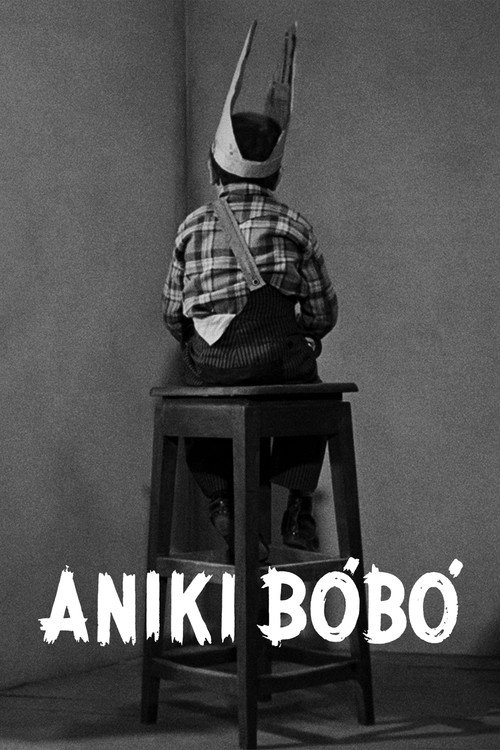
Two schoolboys, Carlitos and Eduardo, fight for the affection of a girl, Teresinha.
Aniki-Bóbó

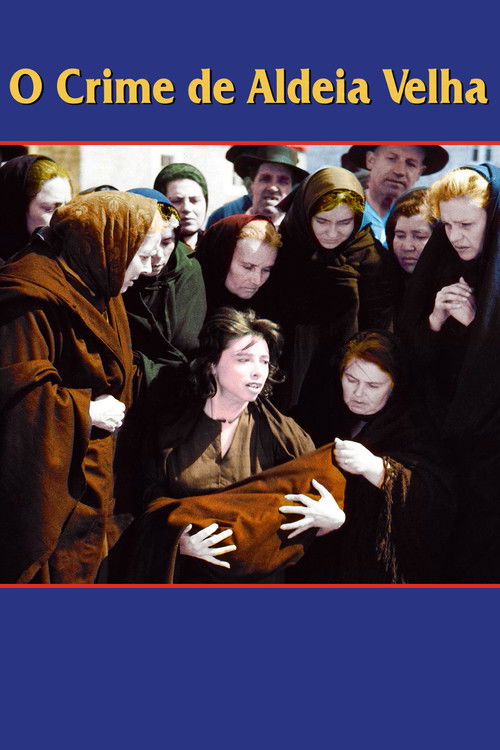
Joana lives in a small and remote village where people are very primitive and religious. When accidents start happening that involves her, people slowly start believing that she is possessed by the devil.
The Crime of Aldeia Velha

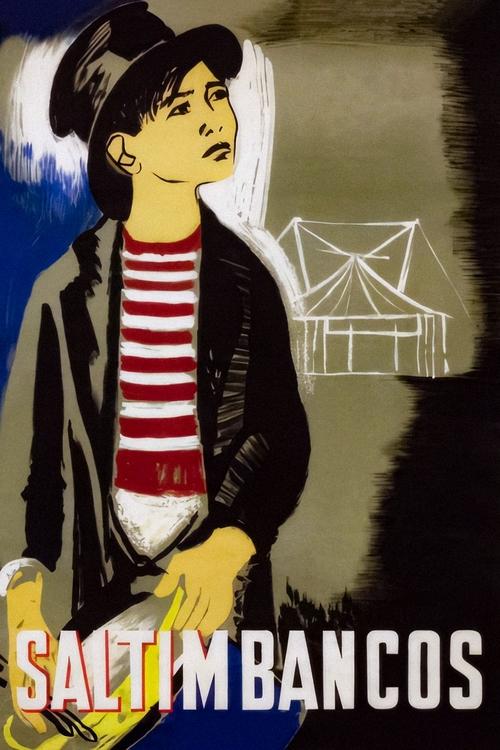
Tony, a trapeze artist, gets a job at a small circus. When a tempest takes away the tent, Tony stays for the love of the beautiful Belmira who could be a rider… if they hadn’t sold the horse. They play at open-air, sleep under the stars, scrimp and save every penny, and soon there’s a new tent to be bought on credit. But Belmira is not happy, she dreams of a real home, while Tony is fascinated by the circus. And the gloomy days are back.
The Circus

Anastácio lives in Lisbon and is fanatic for Sporting CP, one of the city's football teams. When the team travels to face Porto, he follows it with the family, staying in house of his friend, Mr. Barata, pretending to be rich.
The Lion from Estrela

Seven years after the disastrous Battle of Alcácer Quibir, where King Sebastian and the nobleman Dom João disappeared, the latter's wife Dona Madalena de Vilhena finally gives up hope that he'll return and marries the knight Dom Manuel de Sousa Coutinho, with whom she has a daughter, who is afflicted by a fatal illness. Now only the tutor Telmo Pais retains the hope that the lost husband is alive, a premonition that may be confirmed after two decades, with the arrival of a mysterious pilgrim...
Frei Luís de Sousa

Jorge, a successful engineer and employee of a ministry and Luísa, a romantic and dreamy girl, star as the typical bourgeois couple of the Lisbon society of the 19th century.
O Primo Basílio

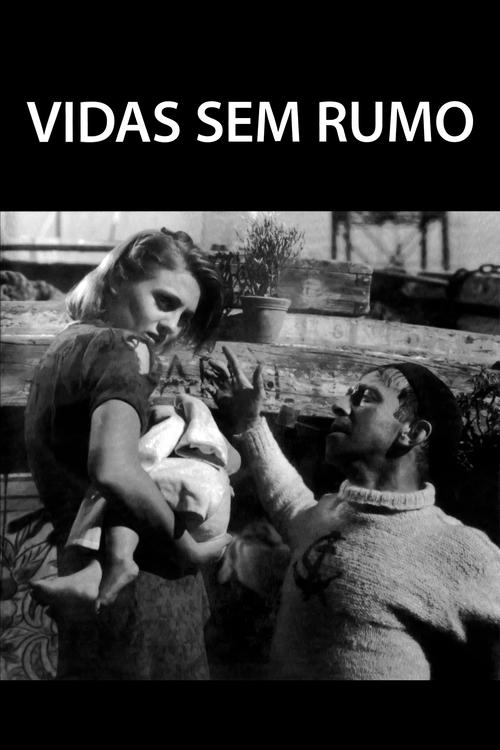
Meia-Lua used to be a sailor, but he now makes a poor living smuggling. He is a cynical man, who doesn't care for Ana or for the child they had together. He lives with the beautiful Marlene who dances in the bars. Gull spends her whole days lulling a doll in her arms, and she waits for her love that will rise from the depths of the sea. The deaf musician Sparrow watches over her, in his despaired love and long-held wish of becoming a sea captain. There is a dispute down the piers, there is a crime that might be just an accident, there is a bad conscience that turns sour, there is a boat full of poor wretches like a rocking lullaby, a baby that passes from arms to arms, a clumsy beggar that finds some work, a courthouse of tramps... From this expressionist account that has unexpected comical moments, the censors from Salazar's regime cut away 20 minutes that were never to be found again.
Vidas sem Rumo

The life and work of the painter Resende. An encounter with social themes and subjects portrayed in the painter's work.
Resende

No description available.
O Desterrado - Vida e Obra de Soares dos Reis

Aurora is a modest young girl, working as dressmaker for the women her popular district, near the OPorto cathedral. One day, through a hintz-dress design competition, she gets involved with a haut couture atelier.
My Little Seamstress

No description available.
Prefácio a Vergílio Ferreira

The sea, often treacherous, is the only source of living of the people of Nazaré. The film tells the story of António and his family, where no dreams are allowed. There is also the mourning of the woman in black wailing silently on the beach or waiting for their children lost in the sea.
Nazaré
On April 9, 1968, the Republican Nuno Simões (1894-1976) was honored by the Municipality of Famalicão, being assigned the insignia of the Great Officer of the Order of Benemerence. Two teams from Cultura Filmes, a Commercial Society of Cinematographic Productions in Lisbon, under the direction of Ricardo Malheiro, a cinematographic coverage of this event for the "Jornais Associados" of Brazil. They completed their work, various environments of the village and the municipality of Famalicão, and also some details of the "folates fair" - Tells us the newspaper "Estrela da Manhã" a few days after the event.
A Terra e o Homem

The autobiographical texts and letters by film director Manuel Guimarães, and exchanged by him with friends, are the axis for the intimate narrative of his life, social concerns, passion for movies - while revisiting many movies of the 20th century and his complete filmography. One segment documents the epic way directors attempted to bypass official censorship to show their movies out of the country.
Born with a Thunderstorm

No description available.
Lotação Esgotada

No description available.
Tráfego e Estiva

A sad and strong people living in the huge plains of Alentejo. Their endless struggle for bread, their nostalgic, bewitching songs and their daily toil to turn a dry, barren land into golden wheat fields.
The Wheat and the Tares

No description available.
O Ritmo na Vida

Documentary about the sculptor António Duarte